Your Guide to Visual Merchandising Principles 2026

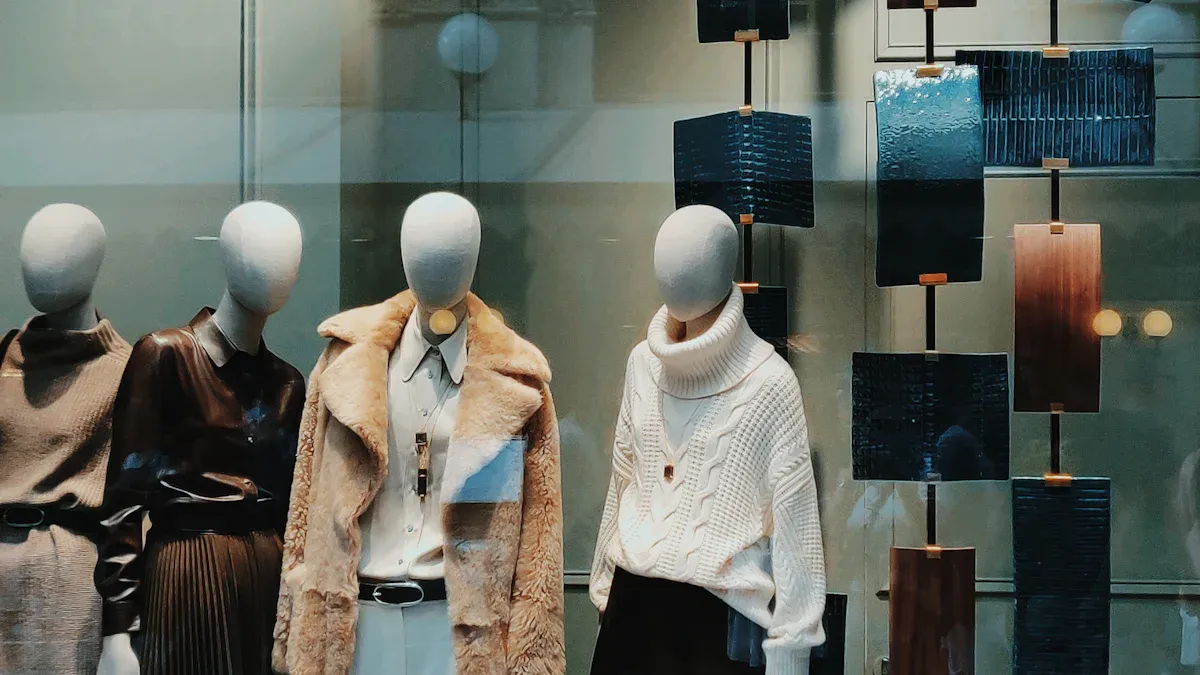
Visual merchandising is a powerful sales strategy. You use fixtures to create a profitable in-store experience for shoppers. Understanding visual merchandising principles helps you add significant value for your clients. Effective visual merchandising strategies can boost sales dramatically, with some displays increasing revenue by over 500%. These captivating experiences influence nearly all purchasing decisions.
Your Challenge: How can you move beyond selling fixtures to selling complete retail solutions that grow your clients' bottom line?
Fundamental Visual Merchandising Principles
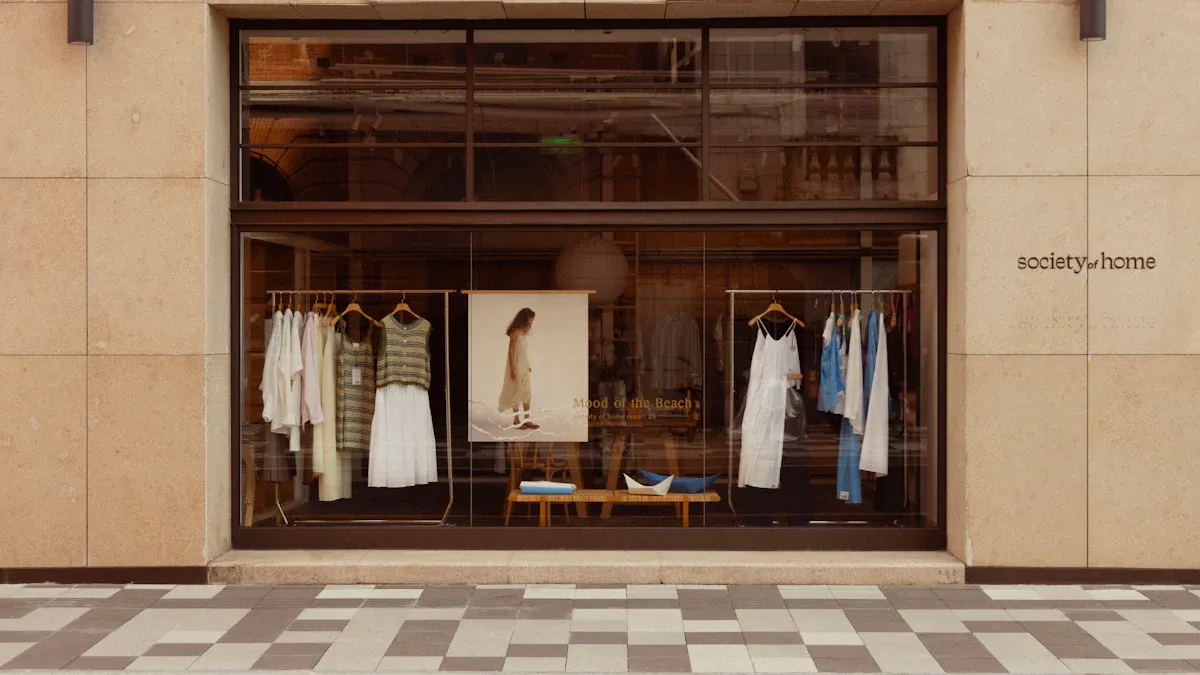
Understanding fundamental visual merchandising principles transforms your role. You become a strategic partner who helps clients build profitable retail spaces. A visual merchandising manager uses these concepts to craft experiences that guide shoppers and boost sales. Let's explore the core principles you need to know.
Store Layout and Customer Flow
The store layout is the foundation of all visual merchandising. It directs customer traffic and shapes the entire shopping journey. A visual merchandising manager knows that understanding consumer psychology is key to designing an effective store layout. Most shoppers—up to 90%—naturally turn right when they enter a store. This makes the first wall they see, the "power wall," your client's most valuable real estate for making a strong first impression.
Pro Tip: Advise your clients to create a "decompression zone" at the entrance. This is an open space that allows customers to transition from the outside world. Shoppers in this zone are adjusting, so it's best to keep it clear of critical products.
You can guide clients by explaining three primary in-store layouts:
| Layout Type | Pros | Cons | Best Fixtures |
|---|---|---|---|
| Grid | Maximizes floor space, simplifies navigation, and makes inventory management easy. Great for stores with many products. | Can feel unexciting and limits the line of sight for shoppers. | Gondola shelving, end caps, power walls. |
| Loop | Guides customers on a set path past more merchandise, increasing impulse buys and encouraging longer stays. | Can frustrate shoppers in a hurry and makes it hard to highlight specific products. | Wall displays, round racks, display tables. |
| Free-Flow | Creates a creative, high-end feel that encourages browsing and discovery. It is highly adaptable for seasonal changes. | Can be confusing to navigate, may not maximize floor space, and can lead to clutter if not designed well. | Nesting tables, mannequins, custom fixtures. |
A smart store layout uses consumer psychology to increase sales. Placing essential items at the back of the store forces customers to walk through the entire space, exposing them to more products. A visual merchandising manager will use this knowledge to optimize the path to purchase.
Creating Focal Points with Fixtures
Focal points are visual magnets. They capture customer attention and draw shoppers toward specific product displays. As a fixture expert, you can show clients how to use fixtures to create these "wow" moments. A visual merchandising manager often uses a "less is more" approach. Displaying fewer items on a fixture can increase their perceived value.
Here are ways to create powerful focal points:
- Use Statement Fixtures: Custom cash wraps or unique, interactive displays can serve as visual anchors that reinforce brand identity.
- Leverage End Caps: Place end-of-aisle displays in high-traffic areas to showcase new arrivals or promotions. These are prime spots for visual merchandising.
- Create Dimension: Use riser pads and pedestals on display tables to vary the height of products. This simple technique makes a display more dynamic and guides the eye.
- Integrate Lighting: Spotlights can highlight a single product, while lighting from below can give items a dramatic "glowing" effect.
Versatile fixtures like nesting tables and modular shelving are excellent tools. They allow a visual merchandising manager to easily reconfigure displays for seasonal themes, keeping the store looking fresh.
Strategic Product Grouping
How products are grouped directly impacts sales. Effective grouping tells a story and makes shopping easier. A visual merchandising manager uses consumer psychology to create logical and inspiring connections between items. This is a core part of successful visual merchandising strategies.
You can advise clients on several grouping methods:
- Thematic Grouping: Arrange products around a central theme or lifestyle. For example, a "beach day" display could feature towels, sunscreen, hats, and coolers together. This inspires ideas and encourages cross-selling.
- Color Grouping: Use color to create a strong visual impact. Arranging apparel in a rainbow pattern or grouping home goods in a single color story creates a clean, organized look.
- Price Point Grouping: Group items by price to appeal to different shoppers. You can create a "deals" section or a "luxury" collection to guide customers based on their budget.
Strategic bundling is another powerful technique. One beauty store saw a 34% increase in average transaction value by creating "ritual collections" that bundled morning and evening routine products together. This approach to visual merchandising turns individual products into complete solutions.
Display Presentation Methods
The way products are arranged on a fixture is called visual presentation. A skilled visual merchandising manager applies artistic principles to make displays more appealing. Understanding these methods helps you offer more sophisticated advice on visual merchandising.
Key presentation methods include:
- Symmetry: This involves creating a balanced display where both sides mirror each other. A symmetrical arrangement feels formal, harmonious, and orderly.
- Asymmetry: An asymmetrical display is unbalanced, with different visual weights on each side. This technique creates a more dynamic and interesting visual presentation that can attract the eye.
- Repetition: Repeating a product in a neat stack or a straight line creates a strong visual impact and a sense of unity. This is very effective for showcasing a single, high-volume item.
- The Pyramid Principle: This classic visual merchandising technique involves placing the tallest item in the center and arranging shorter items on either side, forming a triangle shape. This naturally draws the eye to the highest point.
These techniques are fundamental to interior visual merchandising and help transform a simple shelf into a compelling story. A visual merchandising manager will combine these methods to create variety throughout the store.
The Role of Retail Lighting
Lighting is one of the most powerful tools in visual merchandising. It sets the mood, highlights products, and reinforces brand identity. The right lighting makes products look more desirable and can even influence a shopper's perception of value. A visual merchandising manager must master lighting to create a successful atmosphere. This is as important for exterior visual merchandising as it is for the interior.
There are three main types of retail lighting:
- Ambient Lighting: This is the store's main light source. It provides overall illumination for comfort and safety. Warm, soft light creates a cozy feel, while bright, cool light feels more energetic.
- Accent Lighting: This is focused light, like a spotlight, used to draw attention to specific product displays, mannequins, or architectural features. It creates contrast and drama.
- Decorative Lighting: Fixtures like chandeliers or pendant lights add to the store's style. They act as design elements that enhance the brand identity and overall aesthetic.
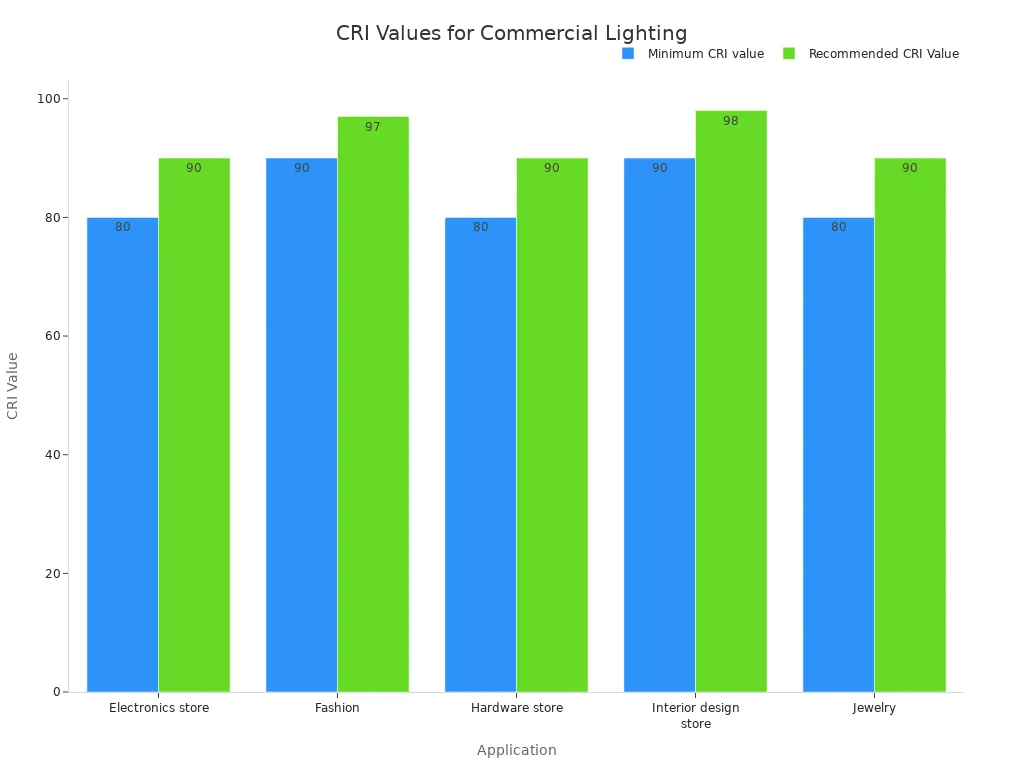
Beyond type, color is critical. The Color Rendering Index (CRI) measures how accurately a light source shows true colors. For most retail, a CRI of 90+ is recommended. Color temperature, measured in Kelvin (K), sets the mood. A neutral 3000-3500K is common, but a cooler 4000K can make colors pop. Understanding these technical details is part of modern visual merchandising best practices and shows your expertise.
By mastering these visual merchandising principles, you can provide immense value. You help clients move beyond just fixtures to create immersive, profitable experiences that reflect their brand identity and resonate with shoppers. This consultative approach, rooted in consumer psychology, is what separates a supplier from a true partner.
Fixture Types and Their Visual Merchandising Role
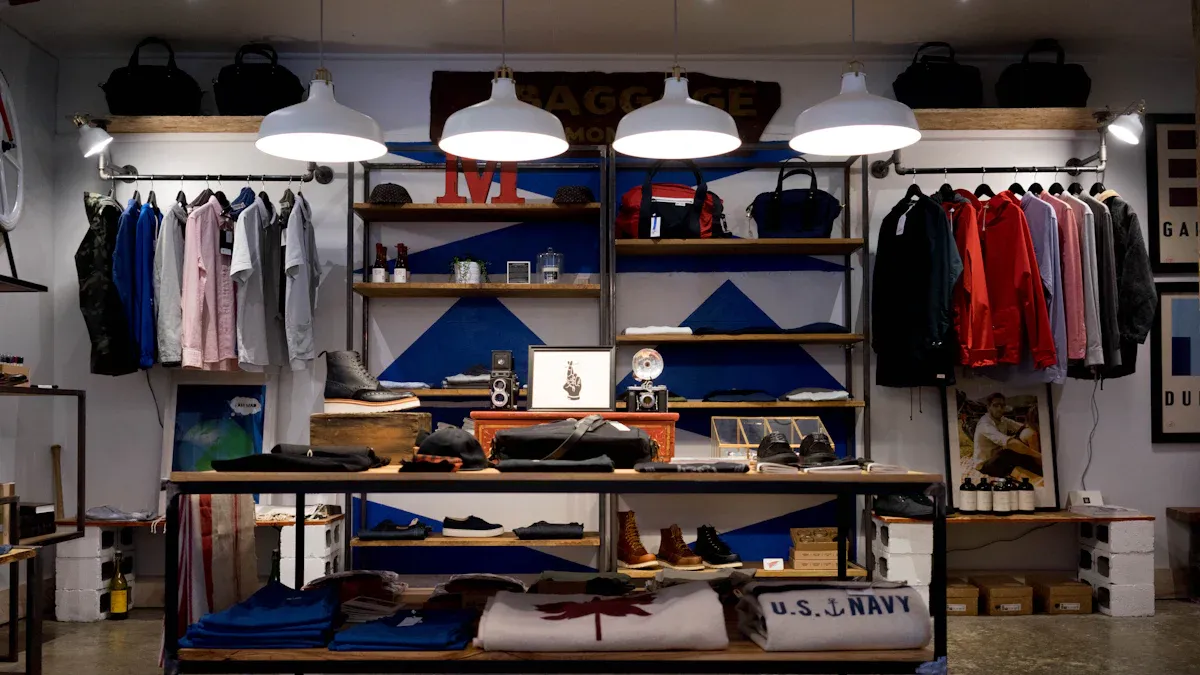
Understanding different fixtures helps you guide clients to the right solutions. Each fixture type has a specific job in a store's overall visual merchandising strategy. A visual merchandising manager selects fixtures to shape the customer journey and highlight products effectively. Your expertise in this area makes you an invaluable partner.
Gondolas and Shelving Systems
Gondolas are the workhorses of retail. You see these versatile shelves in grocery stores, convenience stores, and pharmacies. They maximize floor space and hold a large volume of products. A smart visual merchandising manager knows that how you arrange these shelves is key to boosting sales. Your advice can transform a basic gondola into a powerful sales tool.
You can help clients optimize their gondola shelving with these visual merchandising techniques:
- Create Themed Sections: Group similar items together, like organic products or snacks. This helps customers find what they need intuitively.
- Use Cross-Merchandising: Place complementary products near each other. For example, put baking supplies next to cookbooks to encourage larger purchases.
- Rotate Products: Advise clients to move slower-selling items to eye-level. Regular rotation keeps the store looking fresh and maintains customer interest.
Pro Tip: Master the End Cap End caps are the premium spaces at the end of gondola aisles. A visual merchandising manager uses them to create eye-catching product displays that encourage impulse buys. Advise your clients to keep end caps fully stocked and change them frequently. Modern options like 270° configuration end caps allow customers to see products from three directions, maximizing exposure and reinforcing brand identity.
Apparel Racks and Mannequins
Apparel stores require fixtures that showcase clothing effectively. Racks and mannequins are essential for this type of visual merchandising. You can guide clients on the best rack for their needs. A visual merchandising manager uses a mix of racks to create a dynamic visual presentation.
| Rack Type | Best Use Case | Visual Merchandising Goal |
|---|---|---|
| Round Racks | Bulk quantities of a single item, like t-shirts or sale apparel. | Maximize stock on the floor and signal a discount area. |
| 4-Way Racks | Coordinated outfits or small collections. Each arm can show a different style or color. | Encourage browsing and show how pieces work together. |
| Waterfall Racks | Highlight seasonal collections or new arrivals with a staggered, face-out presentation. | Create a focal point and show off the details of specific garments. |
A visual merchandising manager knows mannequins are silent storytellers. They help shoppers imagine themselves wearing the clothes. This creates an emotional connection and drives sales. You can advise clients to:
- Tell a Story: Create a theme for a group of mannequins, like "Weekend Getaway" or "Holiday Party." Dress them in complete outfits with accessories.
- Use the Power of Three: Arrange mannequins in groups of three to create a visually appealing focal point. Varying their heights makes the display more engaging.
- Place Strategically: Position mannequins in high-traffic areas to maximize visibility. This is crucial for both interior visual merchandising and attention-grabbing exterior visual merchandising in window displays.
Display Tables and Cases
Display tables and cases create focal points and highlight specific products. A visual merchandising manager uses them to break up the monotony of aisles and draw attention to new or high-value items. Your guidance on placement and styling is critical.
Pro Tip: Make Tables Tell a Story Place display tables in high-traffic areas like the store entrance. You can advise clients to create themed arrangements, like a "summer vacation" collection. Use risers and boxes to layer products at different heights. This adds depth and makes the visual presentation more interesting.
Locked display cases serve two important functions: security and presentation. They are essential for high-value items like jewelry, electronics, or luxury cosmetics. A visual merchandising manager uses them to build customer trust and enhance the store's aesthetic.
- Security: Clear, lockable cases act as a visible barrier. They prevent theft and protect items from damage. This controlled access is key for high-theft merchandise.
- Presentation: Well-lit cases make products look more desirable. Built-in LED lighting can highlight fine details and make items appear more luxurious, which supports a premium brand identity. This elevates the entire shopping experience.
Point-of-Purchase (POP) Displays
Point-of-purchase (POP) displays, also known as point of sale displays, are designed to capture last-minute sales near the checkout counter. A visual merchandising manager uses these to feature impulse items, promotions, or small, convenient products. The return on investment for well-designed point of sale displays can be enormous. This is a key area of visual merchandising.
| Metric | Potential Return |
|---|---|
| Initial ROI | 3400% |
| Sales Increase | Up to 500% |
| Time to Pay for Itself | As little as 9 days |
Modern POP displays are becoming more creative and interactive. You can introduce clients to innovative options that engage customers and strengthen brand identity.
- Digital Displays: These use screens to show dynamic ads or product information. They save space and allow for quick campaign updates.
- Interactive Displays: These displays encourage customer engagement. For example, a QR code on a display could link to a skincare quiz that recommends the right product. This creates a memorable and personalized experience, showing the power of modern visual merchandising.
Practical Application for Distributors
You can transform your client relationships by applying your knowledge. A visual merchandising manager uses practical tools to turn principles into profit. Your role is to guide clients through this process. This demonstrates your advanced visual merchandising skills and value.
Consulting Clients on Store Layout
Your consultation process should begin with great questions. A visual merchandising manager digs deep to understand a client's vision. This helps you recommend the perfect fixtures for their store layout. You can build trust and show your expertise by asking about their goals.
Key Questions for Your Clients:
- What products do you sell? This determines the fixture type needed for your store layout.
- What is your brand identity? Fixtures should match the brand's style and story.
- What is your budget? This helps narrow down the best options for the store layout.
- What is your overall business vision? A visual merchandising manager aligns the store layout with long-term goals.
Using Planograms for Effective Placement
Planograms are detailed diagrams that show where to place products on shelves. A visual merchandising manager uses them to create a consistent and effective visual presentation. You can introduce clients to user-friendly software like SmartDraw or DotActiv. These tools help design effective in-store layouts. Modern planograms use AI to analyze sales trends. This helps a visual merchandising manager optimize the store layout. They can predict which product placements will boost sales. This data-driven approach to visual merchandising is a powerful part of modern visual merchandising strategies. A visual merchandising manager uses these insights to refine the brand identity.
Future-Proofing with Modular Fixtures
Retail environments change quickly. A visual merchandising manager must plan for seasonal shifts and new products. You can help clients future-proof their spaces with modular fixtures. These systems offer incredible flexibility. A visual merchandising manager can easily reconfigure a modular store layout. This saves clients money over time. They avoid buying new fixtures for every campaign. For example, a brand like Frank And Oak used modular fixtures to experiment with its layout. This led to a 27% sales lift in accessories. This adaptability is a key part of modern visual merchandising. It strengthens the brand identity and shows strong visual merchandising skills. A visual merchandising manager knows this is key to long-term success.
A visual merchandising manager uses strategic layouts and smart lighting. Understanding these visual merchandising principles transforms your role. A visual merchandising manager moves beyond selling fixtures. You become an indispensable partner who provides complete solutions. A visual merchandising manager knows the future of visual merchandising is experiential and data-driven. A visual merchandising manager embraces this consultative role. A visual merchandising manager builds stronger client relationships. A visual merchandising manager uses these visual merchandising principles. A visual merchandising manager masters visual merchandising. A visual merchandising manager is a true partner.
FAQ
How do I start a visual merchandising conversation with a client?
You can start by asking about their brand goals. A good visual merchandising manager asks questions about brand identity and target customers. This shows you are a partner, not just a supplier. A visual merchandising manager helps them see fixtures as solutions to achieve their vision.
What is the most important visual merchandising principle for a small store?
Store layout is crucial for small spaces. A skilled visual merchandising manager will recommend a free-flow or loop layout to maximize the customer journey. An effective visual merchandising manager knows that a smart layout makes a small store feel larger and more engaging for shoppers.
How can I prove the ROI of better fixtures to my clients?
You can use case studies and data. Show them how a strategic layout can increase sales. A visual merchandising manager explains how POP displays offer a high return. A visual merchandising manager uses facts to show that good fixtures are an investment, not just an expense.
What is the biggest mistake retailers make with visual merchandising?
The biggest mistake is clutter. Too many products can overwhelm shoppers and devalue the merchandise. A professional visual merchandising manager advises clients to use focal points and negative space. A great visual merchandising manager knows that a clean, focused display sells more effectively.