The Ultimate Guide to Acrylic Blocks in 2026

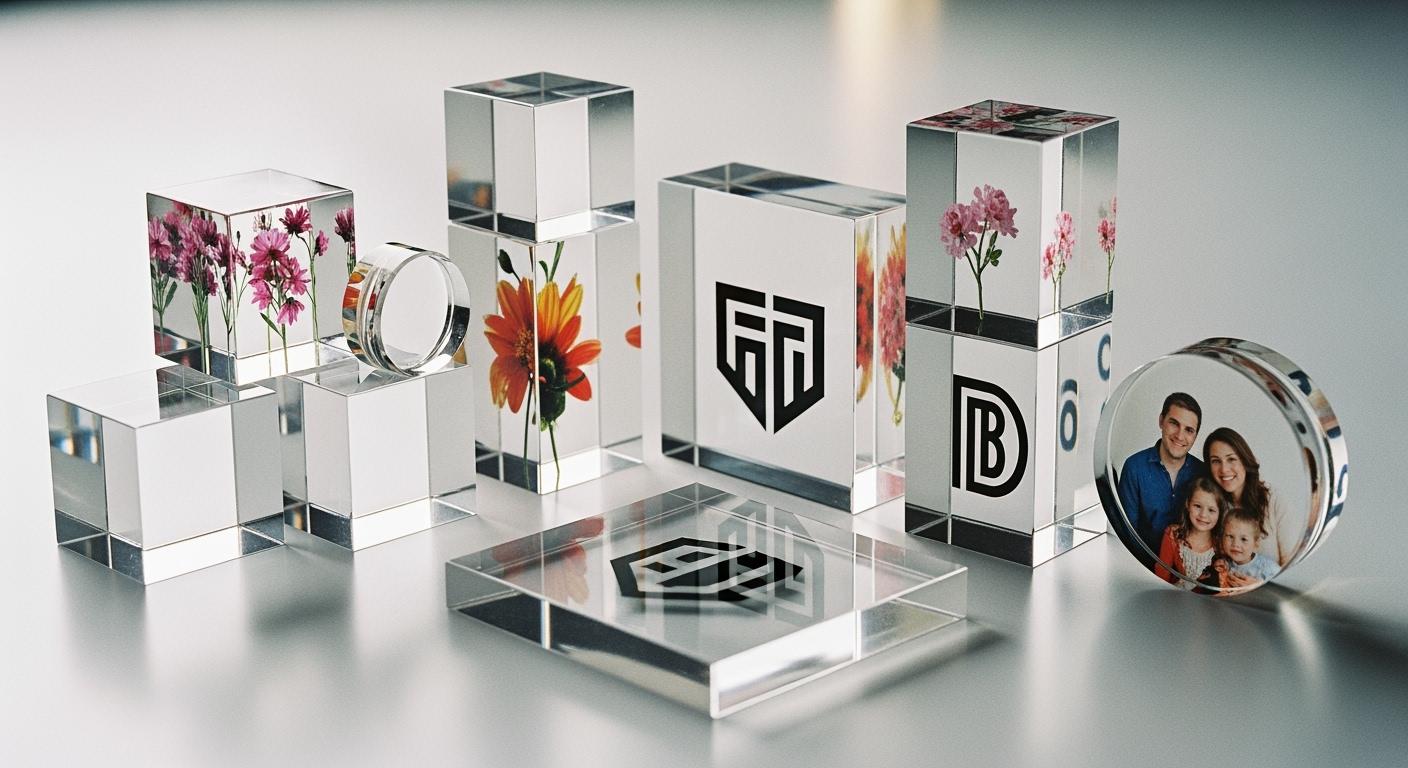
An acrylic block is a solid, transparent piece of polymethyl methacrylate (PMMA). This material offers glass-like clarity, exceptional durability, and light weight. Its versatility makes it a modern, superior choice for many applications. People use acrylic blocks for professional retail displays and creative craft projects. The global polymethyl methacrylate (PMMA) market shows strong growth, with a projected Compound Annual Growth Rate (CAGR) of 6.2% from 2026 to 2033. This highlights the increasing demand for acrylic products across various industries.
Understanding Acrylic Sheet Properties
People often discuss the fundamental material properties of polymethyl methacrylate (PMMA) in the context of acrylic sheets, like the well-known brand Plexiglas. This post focuses on solid blocks, but the core properties of the material remain the same. The strength, clarity, and weight characteristics of PMMA are identical in a solid block. Understanding these foundational acrylic sheet properties helps explain why the material is so valuable.
Superior Optical Clarity
Acrylic offers exceptional optical clarity, rivaling that of the finest glass. It allows up to 92% of visible light to pass through it, creating a crystal-clear appearance. This high level of transparency makes it an ideal choice for product displays and protective cases. The material’s inherent clearness ensures that objects viewed through it are seen without distortion or a colored tint. This superior optical clarity is one of the most sought-after properties of PMMA.
High Impact Resistance
One of the greatest advantages of acrylic is its remarkable impact resistance. The material is significantly stronger and more shatter-resistant than standard glass. In fact, acrylic is 17 times more resistant to impact. This durability makes it a safer alternative in public spaces, homes with children, or any application where breakage is a concern. Its high impact resistance minimizes the risk of dangerous shattering.
Did You Know? A standardized test measures impact resistance by dropping a steel ball onto a material. The results clearly show the superior strength of acrylic.
Material | Falling Ball Impact Strength (ft-lbs) |
|---|---|
0.250" Thick Plate Glass | 1.0 |
0.250" Acrylic Sheet | 18.1 |
The data demonstrates the impressive impact resistance of PMMA.
The Lightweight Nature of Acrylic
Acrylic weighs approximately 50% less than glass of the same size and thickness. The specific gravity of cast PMMA is about 1.19 g/cm³, while the density of glass ranges from 2.4 to 2.8 g/cm³. This significant weight difference offers practical benefits.
Easier Handling: Lighter blocks are easier to ship, carry, and install.
Reduced Structural Load: Using acrylic reduces the weight load on shelves, walls, and support structures.
Increased Portability: Displays and products made from acrylic are much more portable.
For example, a glass tank can weigh 4 to 10 times more than an acrylic tank of the exact same volume.
UV Resistance and Weatherability
Standard PMMA is naturally stable against ultraviolet (UV) radiation, meaning it will not yellow or become brittle with outdoor exposure. However, the material is only a partial UV blocker. For applications requiring protection from sun damage, manufacturers offer specialized types of acrylic sheet. This UV-filtering clear acrylic sheeting can block over 95% of UV rays. This property is crucial for:
Protecting valuable artwork or collectibles in display cases.
Creating durable outdoor signage that resists weathering.
Manufacturing protective glazing for windows.
Ease of Fabrication
Users can easily fabricate acrylic into various shapes and sizes. It can be sawed, drilled, routed, and polished with standard workshop tools. It is also an excellent material for thermal treatments.
Laser Cutting Laser cutters produce clean, flame-polished edges on acrylic. The required power and speed depend on the material's thickness.
Acrylic Thickness | Power (W) | Speed (mm/s) |
|---|---|---|
Up to 5mm | 30 - 60 | 20 |
Above 5mm | 60 - 100 | 10 |
Bonding Joining pieces of acrylic requires special adhesives.
Solvent Cements: These products work by melting the surfaces of the PMMA, fusing them into a single, strong piece.
Liquid Optically Clear Adhesives (LOCA): These UV-cured adhesives create incredibly strong and transparent bonds, making seams virtually invisible. They are perfect for high-end displays and optical applications.
These fabrication-friendly properties make acrylic a versatile choice for both custom DIY projects and large-scale industrial production.
Acrylic Block vs. Glass

Choosing between an acrylic block and a glass block requires a careful comparison of their distinct properties. Each material offers unique advantages depending on the application's needs for safety, aesthetics, and budget. A direct analysis helps users select the best option for their project.
Feature | Acrylic | Glass |
|---|---|---|
Weight | About 50% lighter | Heavy |
Strength | High impact resistance (17x stronger) | Brittle, shatters easily |
Safety | Shatter-resistant, breaks into dull pieces | Shatters into sharp, dangerous shards |
Clarity | Up to 92% light transmission, very clear | High clarity, but can have a green tint |
Scratch Resistance | Softer, more prone to scratching | Harder, more scratch-resistant |
Weight and Portability
Acrylic weighs approximately half as much as glass. This significant weight reduction provides major logistical and financial benefits. Businesses see lower shipping fees when transporting displays. Lighter materials also make installation safer and cheaper. Fewer workers are needed to handle acrylic displays, which reduces labor costs and the risk of injury.
A Logistics Quarterly report noted an 18% reduction in shipping costs due to acrylic's lighter weight.
Some businesses report an overall 29% decrease in display expenses, partly due to lower shipping costs.
Using multi-material fixtures with acrylic can make display setup about 40% faster than traditional methods.
This lightweight nature makes acrylic blocks an excellent choice for portable displays or installations where structural load is a concern.
Strength and Safety
Safety is a primary reason to choose acrylic over glass. Acrylic is highly shatter-resistant and can absorb strong impacts without cracking. Glass, in contrast, is brittle and breaks easily. When acrylic does break, it fractures into large, dull-edged pieces. Glass shatters into countless sharp shards that pose a high risk of injury.
This difference in breakage is critical in public spaces. An acrylic display case prevents injuries and reduces liabilities. A broken glass display creates a hazardous cleanup and a significant safety risk.
Both materials can be used for safety glazing and must meet standards like ANSI Z97.1. Tempered glass is strong and breaks into small, rounded pieces. However, the inherent shatter-resistance of acrylic makes it a fundamentally safer material in high-traffic areas or homes.
Light Transmittance
Acrylic provides superior optical clarity and transparency. It allows up to 92% of light to pass through it, matching the finest optical glass. This ensures a crystal-clear view without any color distortion. The material's properties maintain this clarity even in very thick blocks.
Material | |
|---|---|
Thick Acrylic Block | Color-neutral and crystal clear, even in thick applications. |
Standard Glass Block | Can have a subtle greenish tint due to iron content. |
The green tint in standard glass comes from iron impurities. This tint becomes more noticeable in thicker pieces. The pure transparency of acrylic makes it the premium choice for high-end product displays, art mounts, and applications where true color representation is essential.
Cost and Overall Value
The initial purchase price of acrylic is often higher than that of standard glass. However, its long-term value is excellent. The durability of acrylic means less money spent on replacements due to breakage. Lower shipping and installation costs also contribute to its overall cost-effectiveness. When factoring in the reduced risk of damage and potential liability from injuries, acrylic often proves to be the more economical choice over the product's lifespan.
Scratch Resistance
Glass holds a distinct advantage in scratch resistance. On the Mohs scale of hardness, glass has a rating of about 5.5 to 6. Acrylic has a much lower Mohs hardness rating of around 3. This means the surface of acrylic is softer and more susceptible to scratches and abrasions from everyday handling. While special coatings can improve its durability, standard acrylic requires more careful cleaning and handling to maintain its pristine surface. This is the main trade-off for its superior strength and light weight.
Common Uses for Acrylic Blocks

The versatility of acrylic blocks leads to many creative and practical applications. Their clarity and durability make them a top choice for businesses and hobbyists. These applications range from high-end retail to custom projects at home.
Retail and Product Displays
Luxury brands often use acrylic to create premium displays. The material’s crystal-clear quality enhances product visibility and value. An acrylic display stand can make items appear to float.
High-end brands like Riedel use glossy black acrylic pedestals for drinkware.
Cosmetic companies such as Knesko Skin use a clear acrylic display stand to give products a premium look.
Major brands like Coca-Cola and Nike use custom shapes to reinforce their brand identity in stores.
This level of customization helps products stand out.
Art and Stamping Crafts
Crafters love acrylic blocks for their art projects. In stamping, the clear block allows for precise placement of the stamp design. These blocks are often 0.5 inches thick and may include grid lines for perfect alignment. Artists also use them to mount photographs and artwork, creating a modern, frameless look. The light weight of acrylic makes these pieces easy to hang.
Signage and Branding
Businesses use acrylic for many types of modern signage. Its durability is perfect for both indoor and outdoor applications. Companies can order custom-engraved blocks to use as desktop awards or trophies. Dimensional logos and contour-cut signs create a memorable 3D effect. This customization allows for unique branding opportunities. Hotels and restaurants use acrylic for sleek menu holders and room signage.
Industrial and Lab Use
The strength and transparency of acrylic make it valuable for industrial applications. Factories use it for safety guards on machinery, protecting workers while allowing them to monitor equipment. In laboratories, its resistance to certain chemicals makes it useful for containers and protective shields. These practical uses show the material's reliability in demanding environments.
How to Clean and Maintain Acrylic
Proper care ensures acrylic blocks maintain their clarity and structural integrity for years. Following simple cleaning and maintenance guidelines helps preserve the material's premium appearance.
Proper Cleaning Methods
Users should clean acrylic surfaces with a soft microfiber cloth to avoid scratches. A simple and safe cleaning solution is a mixture of mild dish soap, like Joy or Ivory, and water. For more demanding environments, several commercial cleaners are also effective.
PDI Sani-Cloth AF3 germicidal wipes
Vital Oxide
EcoLab A-456-N
Chlorox Healthcare Bleach Germicidal Wipes
These approved solutions clean the surface without causing damage. Always rinse with clean water and blot dry with a damp cloth or chamois.
Chemicals to Avoid
Certain chemicals can cause irreversible damage to acrylic. They can make the material cloudy or create small cracks, a process known as crazing. It is critical to avoid cleaners containing harsh solvents.
Warning: Never use cleaning products that contain ammonia, acetone, gasoline, or lacquer thinner. Window cleaners, like Windex, often contain ammonia and should not be used on this material.
Removing Minor Scratches
People can repair minor surface scratches with a few simple steps. The process begins with wet sanding the affected area. A user should soak 800 grit sandpaper in water and rub the scratch in a circular motion for two to three minutes. After sanding, polishing restores the surface's original shine. Polishing compounds are available for different stages of restoration.
Red Compound: This coarser formula helps remove the initial sanding marks.
White Compound: This fine polish creates a brilliant, glass-like finish.
Applying these compounds with a clean buffing wheel or cloth will bring back the material's clarity.
Long-Term Care and Storage
Proper storage prevents damage like warping. People should store acrylic blocks in a climate-controlled environment.
The optimal temperature range is between 60-80°F (16-27°C).
Avoid areas with excessive humidity to prevent condensation.
Storing blocks flat on a level surface helps maintain their shape. Covering them with a soft cloth protects them from dust and potential scratches.
Acrylic offers superior clarity, impressive durability, and lightweight versatility. These qualities make acrylic blocks an excellent and practical choice for many modern applications. The material stands out as a reliable option for both professional and personal projects in 2026. This versatile acrylic provides premium performance for a wide range of uses, confirming its value.
FAQ
Does acrylic turn yellow over time?
High-quality acrylic is naturally UV resistant. It does not yellow or become brittle from normal sun exposure. This stability ensures the material maintains its crystal-clear appearance for many years, making it a reliable choice for long-term displays and outdoor signage.
Can I get acrylic blocks cut to a custom size?
Yes, suppliers can easily cut acrylic blocks to custom dimensions. Fabrication shops use tools like saws and laser cutters to achieve precise shapes and sizes. Laser cutting also creates a smooth, flame-polished edge, perfect for a high-end finish on custom projects.
What is the best thickness for an acrylic block?
The ideal thickness depends on the application.
Displays: Thicker blocks (1 inch or more) offer stability and a premium feel.
Crafts: Thinner blocks (around 0.5 inches) are lighter and easier to handle for stamping.
Users should choose a thickness that matches their project's needs.
Is acrylic environmentally friendly?
Acrylic is a thermoplastic, which means it is recyclable. Specialized facilities can melt down scrap acrylic and reprocess it into new sheets or other products. This recyclability helps reduce waste and supports more sustainable manufacturing practices compared to single-use plastics.
See Also
Acrylic Blocks: Understanding Their Definition, Features, and Diverse Applications
Acrylic Aquariums: Exploring Their Definition, Key Features, and Uses
Acrylic Boxes and Cases: Defining Their Structure and Practical Applications