Boost your hotel with visual merchandising

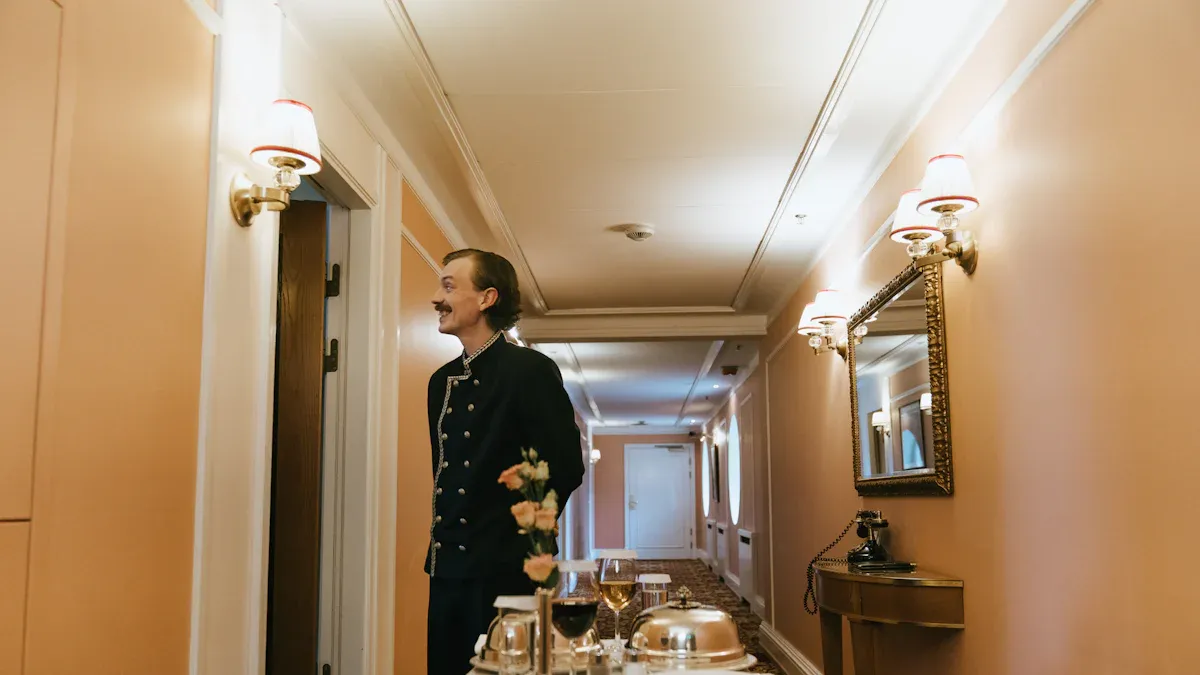
Visual merchandising is the art of strategic presentation in the hospitality industry. A strong visual merchandising strategy enhances the customer experience. It uses thoughtful displays to tell your brand's story. This practice creates an immersive atmosphere. It can guide guest behavior. You can improve the guest experience with good visual merchandising principles. The hospitality field uses visual merchandising to boost revenue.
Are your hotel spaces just functional? Or do they actively work to delight your guests and boost your bottom line?
Core visual merchandising principles
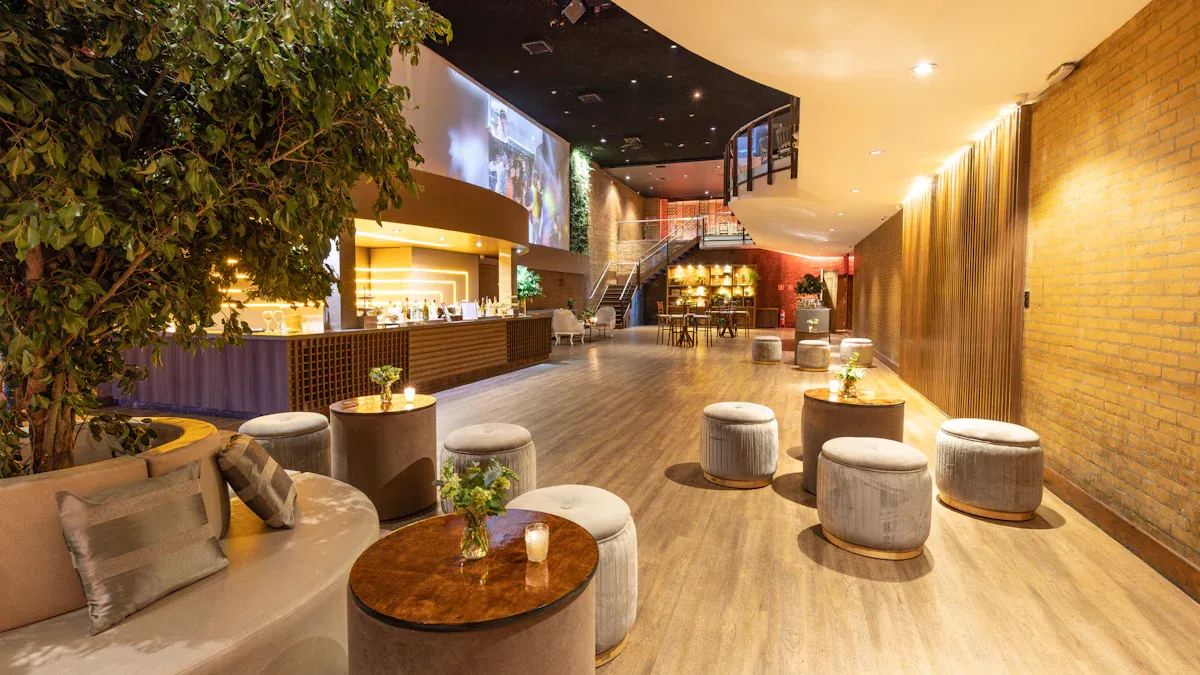
You can transform your hotel by mastering a few core visual merchandising principles. These key elements of visual merchandising work together. They create a powerful guest experience. Effective visual merchandising uses thoughtful displays to shape perception. These visual merchandising principles are your guide to success.
Create a focal point
Every great space needs a focal point. This is the first thing that captures a guest's eye. A striking feature makes an immediate impression. It can be a unique art piece, a grand staircase, or dramatic floral displays. For example, The Ned in London uses its history as a bank headquarters, with soaring ceilings and rich details, to create a stunning focal point. These impressive displays encourage guests to share photos on social media. This turns your visual merchandising into a marketing tool.
Tell a brand story
Your visual merchandising should tell your hotel's unique story. The design and displays must reflect your brand's identity and values. Are you a historic landmark or a modern retreat? The Enchanted Oasis in Marrakech, for instance, uses its design to create an "Arabian Nights" experience. This storytelling makes your property memorable. Effective visual merchandising connects guests to your brand on an emotional level.
Leverage strategic lighting
Lighting is a powerful tool in visual merchandising. It sets the mood and creates ambiance.
Research shows warm lighting (2,000K-3,000K) makes spaces feel cozy and intimate. Cool lighting (4,000K-6,500K) promotes alertness.
Use accent lighting to highlight architectural details or art displays. This visual merchandising technique adds depth. Smart lighting systems allow you to adjust the atmosphere throughout the day. This is a key part of your visual merchandising strategies.
Use color psychology
Colors directly influence guest emotions. Your color choices are a vital part of your visual merchandising.
- Blue creates a sense of calm, perfect for guest rooms and spas.
- Red can stimulate appetite, making it great for restaurants.
- Neutral tones, like those used by Marriott, convey sophistication and comfort.
Using color thoughtfully in your displays helps create the desired experience. This is one of the most impactful visual merchandising tips.
Engage all five senses
Truly immersive visual merchandising engages more than just sight. Scent is strongly tied to memory. Studies show that 75% of our daily emotions are influenced by smell. A signature scent can make your hotel unforgettable. The right music and comfortable textures also enhance the atmosphere. These sensory displays complete the guest experience. Good visual merchandising considers all senses.
Master layout, spacing, and flow
How guests move through your space is crucial. Good layout and flow are key elements of visual merchandising. Your visual merchandising should guide guests effortlessly from the entrance to the reception and elevators. Uncluttered pathways and clear zones make a space feel luxurious and safe. These clear visual display principles in the hospitality industry ensure a smooth and pleasant experience. Your displays should enhance, not obstruct, this natural flow.
Applying visual merchandising in key hotel areas
Mastering the principles is the first step. Now you can apply them to specific zones in your hotel. Each area offers a unique opportunity to enhance the guest experience. Your visual merchandising strategy should adapt to the function and mood of each space. This practical guide will show you how.
Lobby and reception
Your lobby is your first chance to make a powerful impression. The check-in process should be engaging and efficient. Your visual merchandising here sets the tone for the entire stay.
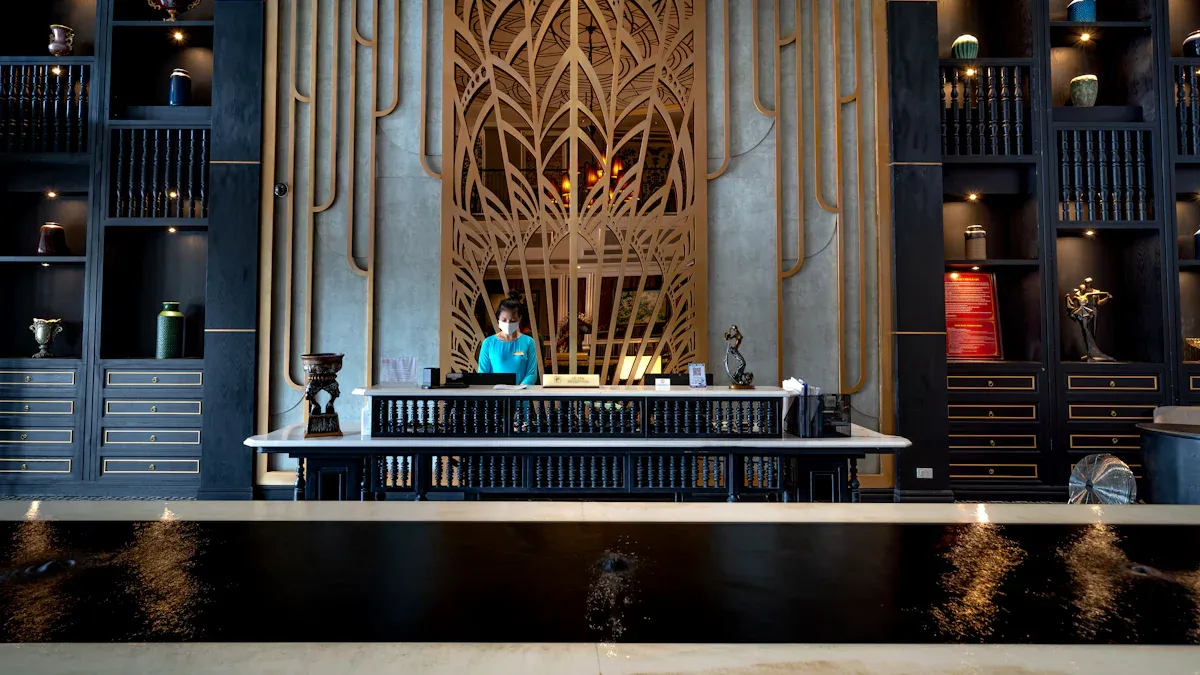
- The Desk as a Statement: Treat your front desk as a living part of your brand. You can use a sleek desk with your logo and brand colors. Materials like wood, steel, or glass create a distinctive look. A large, unique desk with LED lights can capture guest interest immediately.
- Strategic Lighting: Use a mix of lighting to create a welcoming atmosphere. Maximize natural light with large windows. This makes the room feel larger and connects guests to the outside. Add warm ambient lighting for a cozy feel and task lighting for staff. Accent lights can highlight art or architectural details.
- Interactive Displays: Modernize your lobby with digital art. Interactive displays can significantly boost guest engagement. The Cosmopolitan of Las Vegas, for example, uses large-scale digital art in its lobby. These changing displays add an element of surprise and delight to the guest experience.
Guest rooms and suites
The guest room is a private sanctuary. Your visual merchandising should focus on comfort, luxury, and personalization. This is where guests form a lasting impression of your brand.
Plush bathrobes and premium toiletries make guests feel pampered. You can also use visual merchandising to tell a local story.
- Incorporate Local Art: Use original works from local artists instead of generic prints. Woven wall hangings, glasswork, or sculptures add cultural depth. The Rosewood Hong Kong, for instance, integrates contemporary Chinese artwork into its design. These displays create an immersive visual experience.
- Curate Welcome Amenities: Thoughtfully branded amenities reinforce your brand identity. You can offer locally sourced products to enhance authenticity. A personalized welcome note or a custom playlist on an in-room tablet creates a memorable journey. Some hotels, like the Conrad New York Downtown, even allow guests to choose their own digital art for the suite.
Restaurants and bars
Visual merchandising in your dining areas directly influences guest behavior and spending. The right atmosphere encourages guests to stay longer and order more. Your displays should make the food and drinks look irresistible.
| Seating Element | Impact on Diners | Potential Outcome |
|---|---|---|
| Comfortable Booths | Increases privacy and comfort. | Encourages longer stays and 10-15% higher checks. |
| Well-Spaced Tables | Promotes leisurely dining. | Leads to higher-value orders like dessert or more drinks. |
| Cramped Seating | Creates stress and shortens visits. | Reduces overall spending per table. |
Create appealing buffet presentations with fresh ingredients and smart layouts. Design your bar backdrop to highlight premium spirits. This visual display acts as a silent salesperson. These are effective visual merchandising tips to boost revenue.
Spa and wellness areas
A spa's visual merchandising must create an atmosphere of pure tranquility. Every detail should contribute to a feeling of calm and luxury. This helps guests disconnect and relax.
- Soothing Elements: Use soft, warm lighting with dimmer switches. Incorporate natural materials like stone, wood, and bamboo. Live plants and water features create a calming, organic ambiance. A color palette of soft blues, sage greens, and earthy tones promotes relaxation.
- Smart Product Displays: Your retail area should feel like a natural part of the spa. Align your retail design with the goal of relaxation. Create thematic product displays, such as "Winter Hydration Essentials," with clear signage. This approach educates guests without disrupting the peaceful environment. This guide helps you integrate retail seamlessly.
Retail spaces and product displays
Your hotel's retail space can be a significant revenue stream. Strong visual merchandising turns casual browsers into buyers. It transforms a simple shop into a curated brand experience. The goal is to make merchandise visible, accessible, and desirable. This is a key area for the hospitality industry to grow.
You can use lighting to create focus. Accent lighting draws attention to specific product displays. A high CRI (Color Rendering Index) value of 90+ ensures product colors look true and appealing.
Pro Tip: Place your best-selling items at opposite ends of the store. This encourages shoppers to walk through the entire space, exposing them to more product displays.
Storytelling is a powerful tool for your product displays. You can build your displays around three core arcs:
- People: Feature the artisans who made the products.
- Place: Highlight items that reflect your unique location and local culture.
- Purpose: Showcase products that align with your hotel's values, like sustainability.
This narrative gives your product displays a clear message. Effective visual merchandising in hospitality makes shopping an enjoyable part of the guest journey. Use these visual merchandising tips to create compelling displays that drive sales.
Measuring the impact of your strategy
A strong visual merchandising strategy requires measurement. You need to know what works. Tracking key data shows the real impact of your visual merchandising efforts. This helps you refine your approach and prove its value. Good measurement turns your visual merchandising from an art into a science.
Key metrics to track
You can use data to understand how guests interact with your space. Technology like digital heat mapping reveals guest behavior. This information is vital for effective visual merchandising. It helps you optimize your displays and layout. Your visual merchandising should guide guests, and data shows if it succeeds.
You can use foot traffic analysis to improve your visual merchandising. This technology helps you make smart decisions about your displays.
- Identify Peak Hours: Knowing your busiest times helps you plan staffing for your retail displays.
- Analyze Guest Journeys: You can see the paths guests take. This helps you optimize layouts and place key displays for maximum impact.
- Measure Dwell Time: See how long guests spend near certain displays. This data informs decisions on product placement.
Tracking sales per square foot for retail areas also measures the success of your displays. This shows which visual merchandising tactics directly increase revenue. These metrics are essential for your ongoing visual merchandising strategies.
Guest feedback and online reviews
Numbers tell one part of the story. Guest feedback tells the other. Online reviews are a goldmine of information about your visual merchandising. Guests often comment on your hotel's design, ambiance, and aesthetics. This feedback reveals the emotional impact of your visual merchandising.
You can systematically analyze this guest feedback. Modern tools can scan online reviews for you. They use word frequency analysis to find common themes. This process reveals what guests truly think about your visual merchandising. You can discover what guests love about your displays. You might also find areas for improvement. This analysis provides deep insights into how your visual merchandising shapes the guest experience. It helps you perfect your displays and overall atmosphere. Your visual merchandising strategy benefits greatly from listening to your guests.
Visual merchandising is a powerful and accessible strategy. Your visual merchandising can transform the guest experience. Small, strategic changes in your visual merchandising lead to big improvements. Effective visual merchandising directly boosts profitability and enhances the customer experience. This visual merchandising guide shows you the way. Your visual merchandising is a key to success.
Challenge yourself this week. Choose one of the visual merchandising principles. Apply this visual merchandising tip to one area of your hotel. See how your visual merchandising improves the guest experience. This simple visual merchandising action can make a real difference.
FAQ
How can a small hotel use visual merchandising?
You can make a big impact with a small budget. Focus on simple, powerful changes.
- Create clean, uncluttered displays.
- Use good lighting to highlight your best features.
- Incorporate local art into your displays. These small displays can transform your space. Your thoughtful displays will impress guests.
How often should I update my hotel displays?
You should refresh your displays regularly. Update lobby displays and key promotional displays seasonally. You can change smaller displays, like floral arrangements or welcome amenities, weekly. For retail, refresh your product displays monthly to keep them interesting. Consistent updates keep your displays fresh.
What is the biggest mistake in hotel displays?
Clutter is the most common mistake. Overcrowded displays create a sense of chaos. This can overwhelm guests. Your displays should feel spacious and intentional. Every item in your displays needs a purpose. Avoid messy product displays. Keep all your displays organized and clean.
How do I make my retail displays more effective?
You can improve your product displays with storytelling. Build displays around a theme, like "local artisan" or "beach essentials." Use strong lighting to draw attention to these displays. This approach makes shopping an experience. It turns simple displays into powerful sales tools.