Visual Merchandising Principles for C-Stores & Tobacco

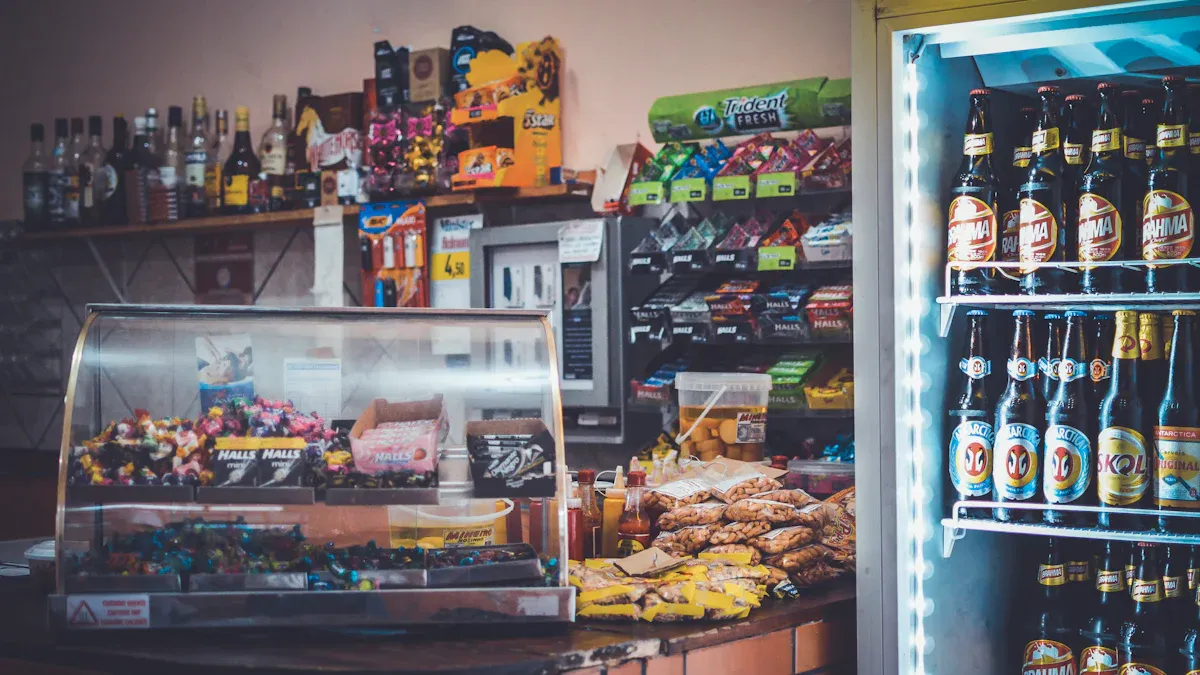
You want increased sales and an excellent shopping experience. Visual merchandising is how you arrange products to drive purchases. Poor merchandising is a major problem in retail; messy displays cause millions of shoppers to leave, leading to billions in lost sales.
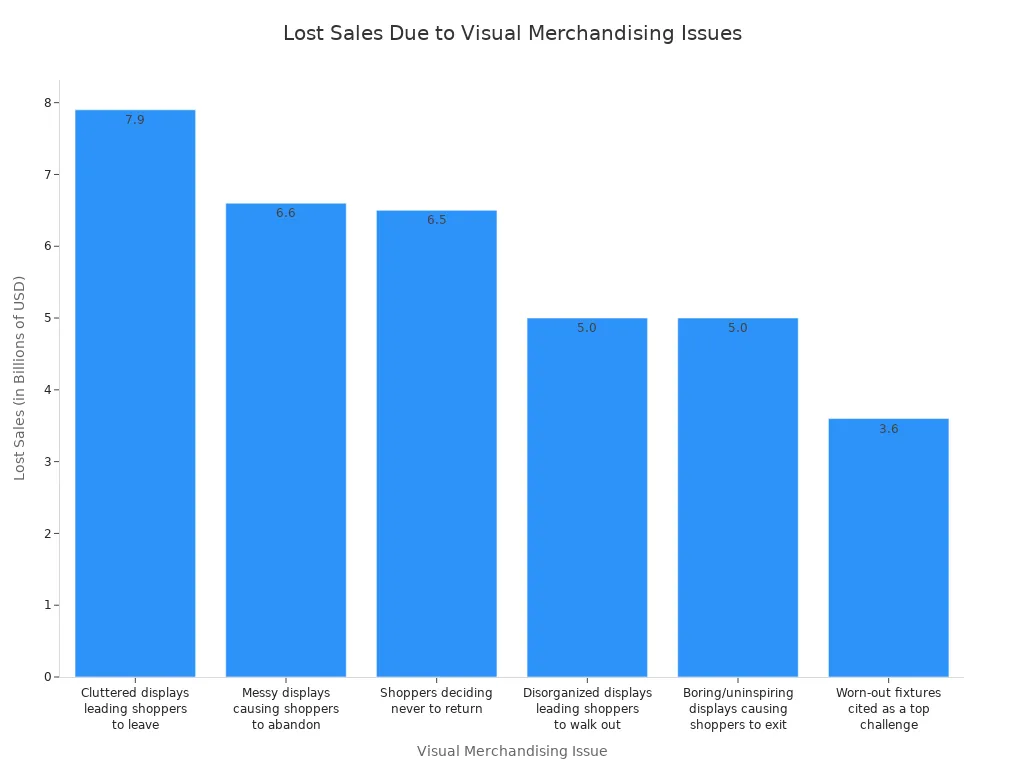
A recent study found that 33.3% of consumers cite 'hard-to-find products' as their top frustration with poor visual merchandising.
Applying a few visual merchandising principles can transform your store's profitability. Effective visual merchandising helps you avoid these losses and create a store that customers love.
Core Visual Merchandising Principles
Effective visual merchandising is more than just stocking shelves. It is a strategy to guide your customers and boost your bottom line. These core visual merchandising principles form the foundation of a successful retail space. Applying them will improve your store's performance.
Boosting Sales with Sightlines
Your customers' eyes guide their wallets. Clear sightlines allow shoppers to see key products and promotions from the moment they enter. Good visual merchandising uses sightlines to draw attention to high-margin items. This simple change can directly increase sales.
- Keep aisles free of clutter.
- Use low-profile fixtures in the center of the store.
- Place your most profitable products in direct view of the entrance.
Improving Customer Experience
A great customer experience turns a quick stop into a loyal visit. Your merchandising should make shopping easy and enjoyable. When customers can find what they need without frustration, they feel valued. This positive shopping experience encourages them to return. Enhanced customer engagement is a direct result of a thoughtful layout. This focus on the customer experience is a key part of modern visual merchandising.
A well-organized store shows you care about your customer's time. This builds trust and loyalty, which are essential for any retail business.
Differentiating Your Store
Your store needs a unique identity to stand out. A consistent theme helps you create a memorable brand. You can use a strong theme in your signs, colors, and displays. This theme tells a story about your store. Is it the go-to spot for quick snacks, or a specialty tobacco destination? A clear theme makes your merchandising cohesive and boosts brand recognition. This creates deeper engagement with your shoppers. These visual merchandising principles help you define your unique place in the market.
Mastering Store Layout and Traffic Flow
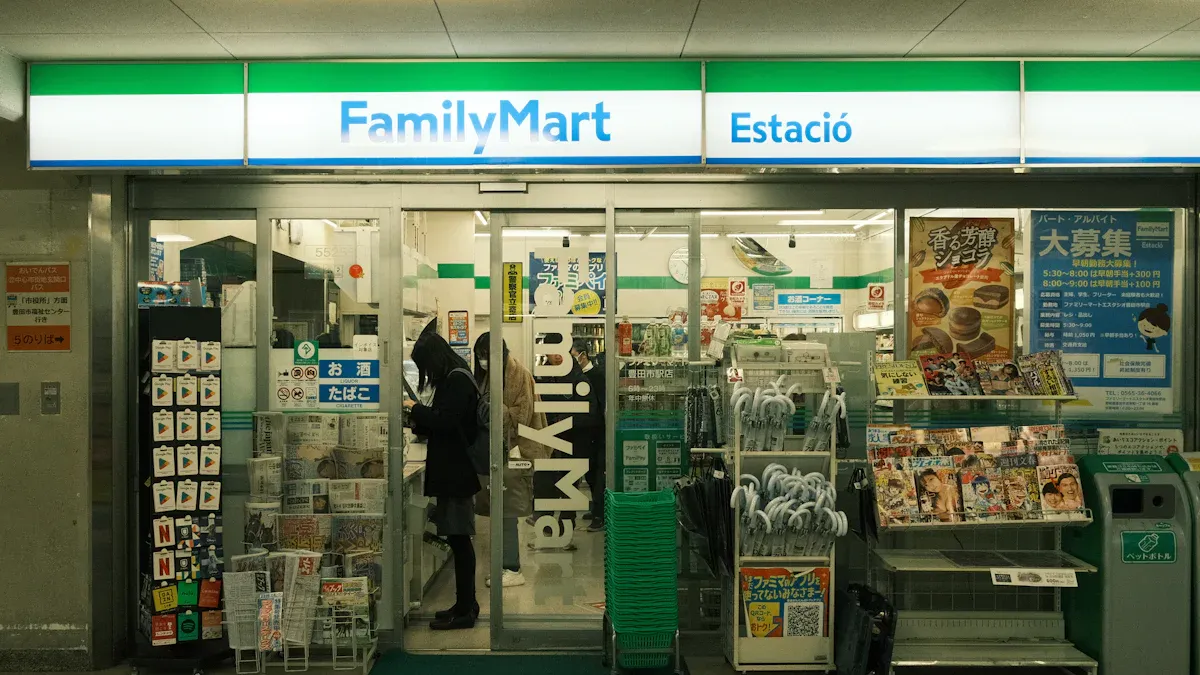
A smart store layout is the foundation of successful visual merchandising. Your layout guides customers on a journey, influences what they see, and maximizes their spending. A well-planned layout turns casual browsers into repeat buyers by making the shopping experience intuitive and efficient.
The Decompression Zone
The decompression zone is the first few feet inside your entrance. It gives customers a moment to transition from the outside world and adjust to your store's environment. This space should be open and uncluttered. While some retailers dedicate as much as 129 square feet, even a small, clear area of at least 4 square feet makes a significant difference. Keep this zone free of complicated displays to prevent overwhelming shoppers as they walk in.
Your Store's Power Wall
The first wall customers see, typically to their right, is your "power wall." This is your most valuable piece of retail real estate. You should use this area for high-impact displays that grab immediate attention. Feature new products, high-margin items, or seasonal promotions here. A strong power wall sets the tone for the entire shopping trip and drives interest in your most profitable items.
The Path to Purchase
You must create a clear path that guides shoppers through your store. An effective layout directs traffic past key categories, exposing customers to more products. Understanding your store's traffic patterns is crucial. For example, morning rushes create different opportunities than evening visits. Use this knowledge to place relevant items along their path. This strategic flow increases the chances of impulse buys and improves customer engagement.
Point-of-sale displays can boost sales by up to 65%. Optimizing this small area delivers a massive return, with some stores seeing a 10-30% increase in average transaction values.
Optimizing the Checkout Counter
Your checkout counter is the final and most critical point of sale. This is where you can capitalize on impulse decisions. Since about 20% of C-store customers make an unplanned purchase, this area is perfect for small, enticing items. This final touchpoint in your visual merchandising strategy can significantly increase the value of each transaction.
Strategic Product Placement for Profit
Your store layout gets customers moving. Now, you must guide their eyes to the right products. Strategic placement is where visual merchandising directly boosts your profits. The right placement makes popular items easy to find and encourages customers to buy more. A well-designed planogram is your map to higher sales. This planogramming process ensures every inch of your shelf space works hard for you.
Eye-Level Placement
The most valuable real estate on any shelf is at your customer's eye level. This is the "buy level." You should place your highest-margin items and best-sellers in this prime location. Customers are more likely to purchase products they see without effort. This simple change in your merchandising strategy can have a huge impact.
The rule is simple: "Eye level is buy level." Prioritizing this placement for your top-selling products can increase sales significantly.
Consider these powerful results from optimizing product placement:
- Shifting just 10% of your high-priority products to eye-level positions can create mid-single-digit revenue growth across your store.
- One snack company improved its net sales per store by 25.7% by optimizing the shelf location for all its items, including eye-level placement.
High-Demand Item Placement
You should place your most popular, essential items at the back of the store. This might seem counterintuitive. However, this strategic placement forces customers to walk through your entire store. A customer coming in for milk or soda must pass by many other products. This journey exposes them to more merchandise, which increases the chance of impulse buys and larger basket sizes. You can also place niche items next to these best-sellers to improve their visibility and sales.
Using Promotional End Caps
End caps are the displays at the end of your aisles. They are perfect for promotions, seasonal items, or new products. Use them to create a high-impact presentation that grabs attention. A well-executed end cap acts like a billboard inside your store. It can introduce shoppers to items they weren't planning to buy. This is a key part of effective visual merchandising.
Logical Product Grouping
You need to arrange your store in a way that makes sense to shoppers. This practice is called "category adjacency." It involves placing related product categories next to each other. This thoughtful presentation of products encourages additional purchases. For example, a customer buying coffee is likely to need cream and sugar. Placing these items together makes the shopping experience convenient and boosts your revenue.
This is one of the most effective visual merchandising principles. Here are some logical groupings for your store:
- Snacks and Beverages: Place chips and salty snacks next to sodas and energy drinks.
- Coffee and Breakfast: Position grab-and-go pastries and breakfast bars near your coffee station.
- Tobacco and Accessories: Display lighters, rolling papers, and other accessories close to your tobacco products.
- Prepared Foods and Drinks: Pair hot dogs or sandwiches with fountain drinks for an easy combo meal.
This logical merchandising makes shopping easier for your customers and naturally increases the value of each transaction. A clear planogram helps you maintain this organization.
Driving Sales with Cross-Merchandising
You can increase sales by showing customers how different products go together. This is called cross-merchandising. It is a powerful visual merchandising technique that encourages shoppers to buy more than they planned. Good merchandising makes these pairings obvious and easy for your customers to grab.
Tobacco and Accessory Pairings
You should make it easy for customers to buy related tobacco items. This simple strategy boosts the value of each transaction. When a customer buys tobacco products, they often need accessories. Your merchandising should anticipate this need.
Pro Tip: Place accessories directly next to their corresponding tobacco products. This simple pairing is a highly effective way to increase your overall sales.
- Display premium lighters next to your premium cigars.
- Position rolling papers and filters near loose-leaf tobacco.
Snack and Beverage Combos
Pairing snacks and drinks is a classic C-store strategy. You can create displays that suggest a combo. Place salty snacks near the soda cooler or put energy drinks next to protein bars. This makes it easy for a customer to grab a quick, complete snack.
Grab-and-Go Meal Bundles
Many customers are looking for easy meal solutions. You can meet this demand with pre-packaged meal bundles. Successful stores like Kwik Trip offer "Kitchen Cravings Take Home Meals" that are ready to heat. You can create your own bundles to make dinner or lunch simple for shoppers.
Consider offering these types of grab-and-go products:
- Panini Kits: Include bread, cheese, and a special sauce.
- "What's for Dinner" Bundles: Package a main course with a side.
- Fresh Snack Trays: Combine items like cheese, crackers, and fruit.
Point-of-Sale Suggestions
The checkout counter is your last chance to increase a sale. Use this space for compelling, last-minute offers. You can use your POS system to create special deals that encourage impulse buys. For example, you can create custom product bundles like a beginner's vape kit. You can also offer a "mix and match" deal, where buying two items gives the customer a discount. This visual merchandising tactic turns a simple checkout into a final sales opportunity.
Enhancing Visual Appeal with Light, Color, and Signs
Good visual merchandising uses light, color, and signs to create an inviting atmosphere. These elements work together to guide customers and highlight products. Your store's visual appeal can turn a quick visit into a bigger sale. A consistent theme in these areas strengthens your brand.
Effective Use of Lighting
You can use lighting to make your products stand out. Bright, focused light draws attention to high-margin items and promotional displays. A well-lit store feels safer and cleaner to customers. Use spotlights on your best products and ensure your general lighting is warm and welcoming. This simple change improves the entire shopping experience.
Color Psychology in Retail
Color choices influence how customers feel about your products. Your store's color theme can affect purchase decisions. For example, customers perceive products differently based on packaging color. This is a key part of retail psychology.
- Healthy vs. Tasty: Light-colored packaging with low saturation often seems healthier. Highly saturated colors are associated with tastier, less healthy snacks.
- Warm vs. Cool: Warm colors like red can make items seem more attractive. Cooler colors like blue are often linked with healthiness.
A strong theme uses color to send the right message about your products.
Clear and Compelling Signage
Effective signage communicates promotions and product information quickly. Your signage must be easy to read for customers in a hurry. Compelling signage helps guide shoppers and drive sales.
Your signs should be readable in under 5 seconds. Their main job is to draw customers to the product, not to be the main attraction.
Follow these rules for compelling signage:
- Be Clear: Use large, bold fonts and simple language.
- Be Specific: Include key details about the product or offer.
- Use a Call to Action: Tell customers what to do next.
A consistent design for your signage reinforces your store's theme and brand identity.
Using Digital Displays
Digital displays offer a modern way to boost customer engagement. While the initial cost is higher, they provide a much better return than static signs. Digital signage gives you flexibility and has a greater impact on sales.
| Feature | Digital Signage | Traditional Signage |
|---|---|---|
| ROI | 3 to 5x higher | Limited by design |
| Flexibility | Instant remote changes | Manual changes only |
| Impact | 3x higher recall | Easy to ignore |
Digital signage can increase the average purchase amount by nearly 30%. This modern visual merchandising tool allows you to update promotions instantly, which saves time and printing costs.
Compliant Visual Merchandising for Tobacco

Your visual merchandising for tobacco products must follow the law. You need to comply with federal, state, and local rules. This ensures you sell responsibly and avoid fines. Proper merchandising protects your business and your customers.
Understanding FDA Regulations
You must follow the rules set by the U.S. Food and Drug Administration (FDA). These regulations govern how you can sell and advertise tobacco products. For example, the FDA's Premarket Tobacco Product Application (PMTA) process determines which new tobacco products are legal to sell. Your visual merchandising strategy must align with these federal mandates to operate legally. Staying informed about FDA rules is a critical part of your business.
Mandatory Age Verification Signs
You must display clear age verification signage at the point of sale. This is a legal requirement. This signage tells customers you will check their ID before selling them tobacco. It is a simple but essential tool for compliance.
Important: You must use the official, government-mandated signs. Posting a homemade sign is not enough and could lead to penalties.
You can find the correct signs for your state from several sources:
- State Government Websites: Many states provide downloadable signs. For example, retailers in Florida, Colorado, and Indiana can get signs from their state's official websites.
- The We Card Resource Center: This organization offers free resources, including state-specific sign requirements and legal summaries, to help you stay compliant.
Navigating State and Local Laws
Beyond federal rules, you must also follow your state and local laws. These rules can be very different from one place to another. They often add more restrictions on tobacco merchandising.
For example, some state laws limit how you can show tobacco products:
- Location Restrictions: New York State prohibits tobacco displays in storefronts near schools.
- Display Limits: Some areas may limit the size of your displays or only allow one pack of each item to be visible.
- Vending Machine Rules: States like Alaska and Florida require direct supervision of tobacco vending machines, while New Jersey bans them in schools.
You must research the specific laws in your city and state. This knowledge is essential for creating compliant displays.
Behind-the-Counter Displays
Most laws require you to keep tobacco products behind the counter. This setup prevents self-service and helps with age verification. You can still use smart visual merchandising principles to create an effective and organized space. A well-organized back bar makes your employees' jobs easier and speeds up transactions.
You can improve your behind-the-counter area with these techniques:
- Use Color Blocking: Group products by brand color (e.g., red for Marlboro) to create a clean look and help staff find items quickly.
- Add Lighting: Use LED strips to highlight high-margin products without violating signage rules.
- Keep It Organized: Use vertical pushers and tray dividers to keep packs neat, front-facing, and easy to restock.
A thoughtful behind-the-counter plan balances legal compliance with efficient operation.
| Element | Purpose |
|---|---|
| Product Placement | Maximizes visibility for staff and speeds up service. |
| Fixture Design | Organizes items and makes restocking faster. |
| Lighting & Color | Attracts attention to key items without breaking rules. |
| Price Labels | Makes value clear and builds customer trust. |
| Stock Rotation | Ensures product freshness and prevents stockouts. |
Effective visual merchandising is a powerful and achievable tool for your store. You do not need to overhaul everything at once. Starting small delivers immediate results. You can focus on optimizing your checkout counter or building one strong promotional end cap. These simple changes can increase sales and improve the customer experience.
Look at your store with fresh eyes. What is one area you can improve today? Take that first step and watch your efforts pay off. 🚀
FAQ
How can I improve my store with a small budget?
You can make big changes with little cost. Start by decluttering your aisles for better sightlines. You should also organize your checkout counter for impulse buys. These simple actions improve the shopping experience and boost sales without requiring a large investment.
How often should I update my displays?
You should change your main promotional displays, like end caps, at least once a month. Update seasonal displays according to holidays or events. This keeps your store looking fresh and gives regular customers a reason to see what is new.
What is the most important area to fix first?
You should focus on two key areas for the quickest results.
- The Checkout Counter: This is your best spot for high-margin impulse buys.
- The Power Wall: This first impression sets the tone and can highlight your most profitable items.
How do I know if my visual merchandising is working?
You can track your sales data to measure success. Before you make a change, record the sales for that product or category. After you update the display, compare the new sales numbers. An increase in sales shows your new strategy is effective.