Beginner's Guide to Visual Merchandising

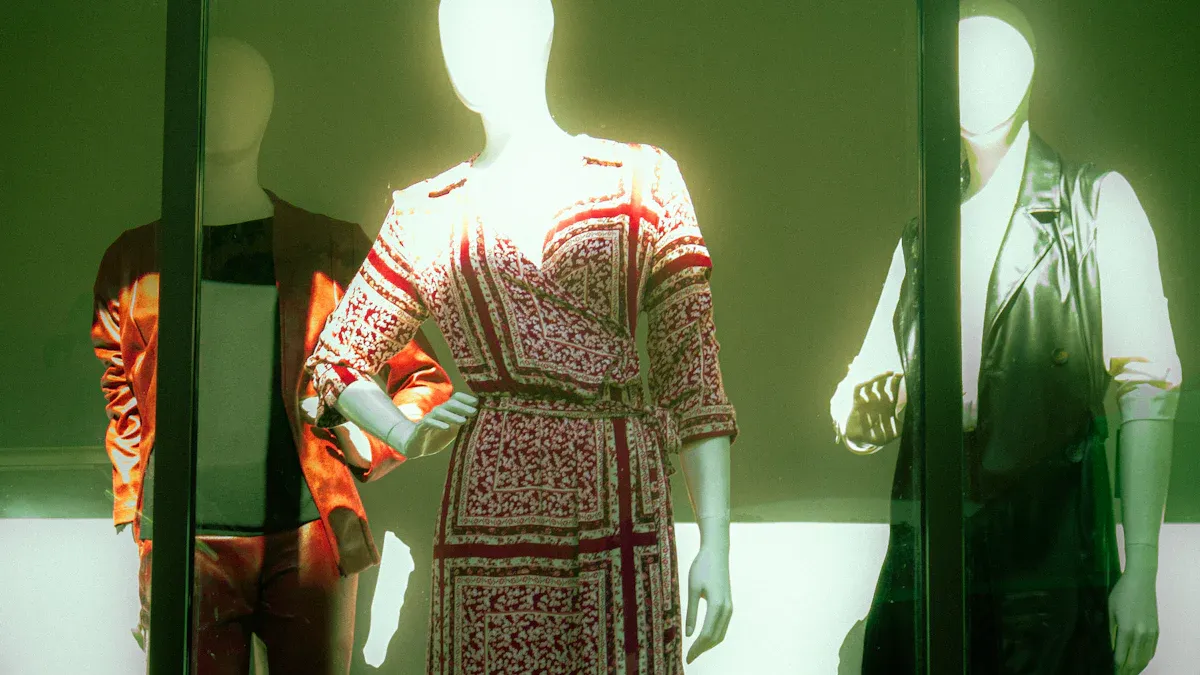
Visual merchandising is the art of displaying products to attract a customer and drive sales. This practice is vital for any beauty brand. Your cosmetic displays and store atmosphere create an immersive brand experience. This guide provides a straightforward plan for your beauty business. You can use key visual merchandising principles to boost sales and build a loyal customer base with your cosmetic products.
Did you know? Nearly 60% of in-store purchase decisions are influenced by visual merchandising. Effective retail merchandising and cosmetic displays can guide what a customer buys in your beauty store.
THE IMPORTANCE OF VISUAL MERCHANDISING
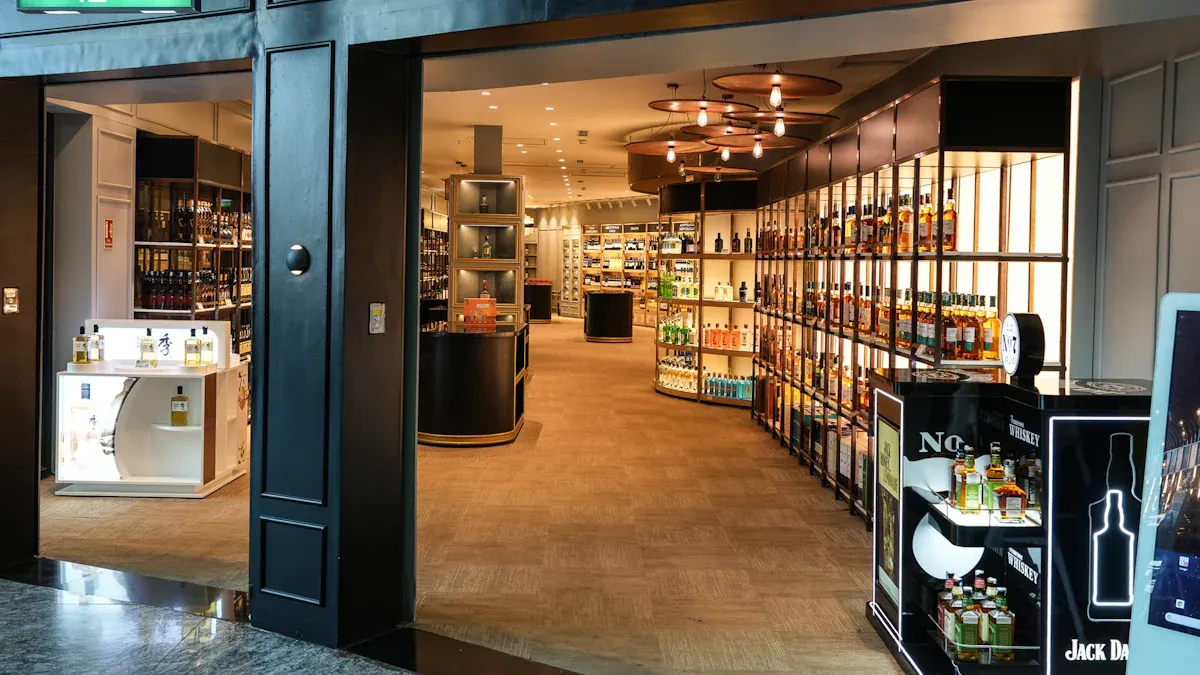
Effective visual merchandising is more than just making your store look pretty. It is a powerful business tool. A strong strategy can transform your space and drive real results for your beauty brand. You can achieve key business goals with thoughtful retail merchandising.
BOOST SALES AND PROFITABILITY
Great visual merchandising directly increases your sales. It guides a customer through your store and highlights specific cosmetic products. Strategic product placement is very important. Impulse buys make up 40% of all purchases. You can capture these sales with attractive displays. This boosts your overall profitability and moves your cosmetic inventory.
ENHANCE THE CUSTOMER EXPERIENCE
A positive customer experience builds loyalty. You can create memorable moments that make shoppers return. Many brands use interactive displays to engage people.
- Sephora offers beauty workshops and virtual try-on tools.
- Jo Malone used a popular "wheel of fortune" game at a pop-up.
- Lush uses AI technology so a customer can scan a cosmetic product for information.
These creative tactics improve the customer experience and make shopping fun.
STRENGTHEN BRAND IDENTITY
Your displays tell your brand story. You communicate your values through colors, fonts, and materials. Color choices create specific feelings. Typography gives your brand a unique visual voice. A beauty brand focused on nature might use earthy tones and wood textures. Consistent use of these elements makes your cosmetic brand instantly recognizable.
IMPROVE BRAND IMAGE
Your store's appearance shapes how a customer perceives your quality. Nearly 73% of shoppers judge a brand's quality based on its physical space. Clean, organized, and creative visual merchandising shows professionalism. It elevates your cosmetic products. This builds trust and improves your overall beauty brand image.
KEY VISUAL MERCHANDISING PRINCIPLES
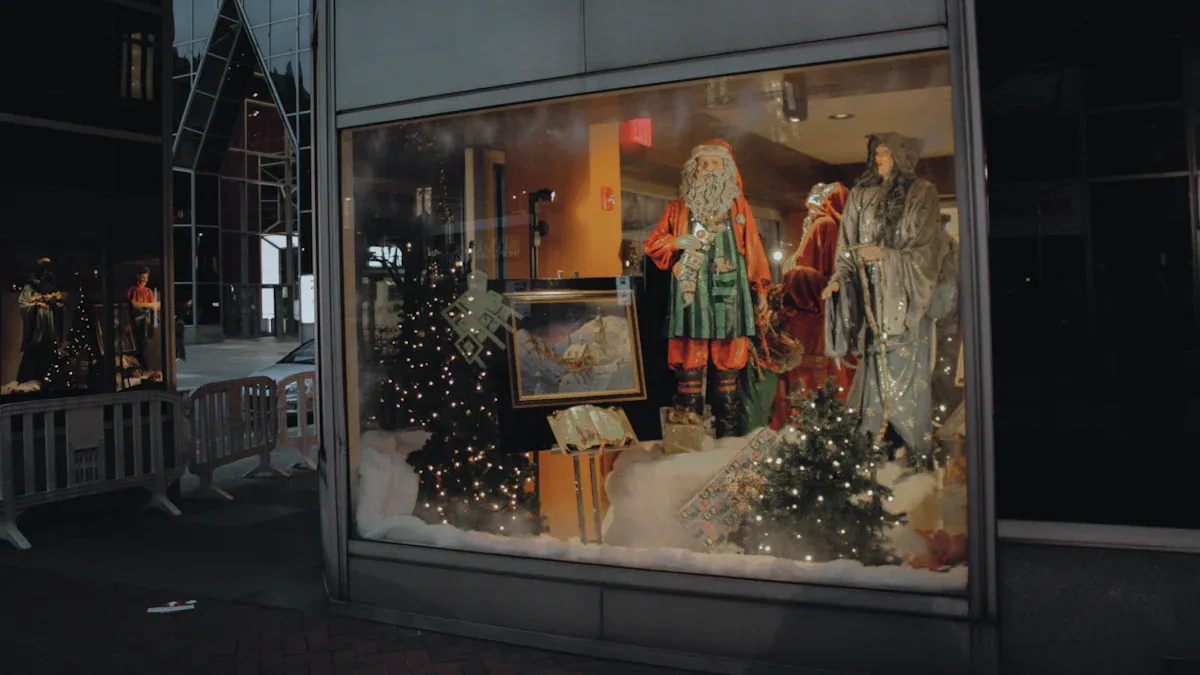
Mastering a few core visual merchandising principles can transform your retail space. These guidelines help you create a clear, consistent, and creative environment. They work together to guide the customer journey from the moment they walk in. All of these principles must align with your brand identity and your deep understanding of your target customer.
CREATE A LOGICAL TRAFFIC FLOW
You need to guide how a customer moves through your store. A logical path exposes them to the maximum number of products without feeling forced. Most shoppers naturally turn right upon entering a store. You can use this tendency to design a counterclockwise path.
Pro Tip: Use retail analytics tools to understand how people navigate your space. Heat mapping software creates a visual map of where customers spend the most time. Foot traffic counters and WiFi tracking can also reveal your busiest areas and average dwell times. This data helps you identify and improve underperforming sections.
A clear path also prevents bottlenecks, especially around the checkout counter. Keep this area free of clutter to ensure a smooth flow and use the space to encourage last-minute impulse buys of smaller cosmetic items.
DEVELOP A COHESIVE STORY
Your displays should tell a story. This narrative connects with your customer on an emotional level and makes your brand memorable. You can use your brand’s origin, mission, or even key product ingredients as the foundation for your story.
Translate this narrative into a physical experience.
- Use images and murals to show your brand’s journey.
- Incorporate textures and materials that reflect your values, like reclaimed wood for an eco-conscious beauty brand.
- Let the presentation of products itself tell a story. A display focused on a new lavender-infused skincare line could use calming purple hues and bundles of dried lavender.
Every element, from the architecture to the furniture, should be part of your brand’s story.
ENSURE BRAND CONSISTENCY
Consistency builds recognition and trust. Your visual merchandising should look and feel like your brand everywhere, from your physical stores to your website. A brand style guide is an essential tool for maintaining this consistency. It is a rulebook for your visual identity.
Your style guide should clearly define:
- Logos: Rules for placement, size, and color variations.
- Colors: Your primary and secondary color palettes.
- Fonts: Specific typography for headlines, body text, and signage.
- Imagery: The style of photography and illustrations you use.
- Voice and Tone: The personality your brand communicates through words.
This guide ensures every display, sign, and digital screen reinforces the same cohesive message.
USE COLOR AND LIGHTING
Color and light are powerful tools in visual merchandising. They set the mood, draw attention, and influence purchase decisions.
The Psychology of Color
Different colors evoke different emotions. You can use this to your advantage.
- Warm Colors (Reds, Oranges): These create a sense of energy and urgency. They are great for highlighting promotions or encouraging impulse buys.
- Cool Colors (Blues, Greens): These promote feelings of calm and trust. They work well for areas where you want customers to relax and spend more time, like a skincare consultation space.
- Neutral Tones (Beiges, Grays): These often convey luxury and sophistication, making them ideal for high-end cosmetic lines.
Strategic Lighting Techniques
Lighting guides the eye and makes your products shine. You should use a combination of three main types.
| Lighting Type | Purpose | Best For |
|---|---|---|
| Ambient | Provides general, overall illumination for a safe and inviting atmosphere. | Ceiling fixtures and wall sconces that create a warm, welcoming glow. |
| Task | Provides focused light for specific activities where detail is important. | Well-lit mirrors and makeup stations for testing products. |
| Accent | Creates drama and highlights key products or displays. It should be 3x brighter than ambient light. | Spotlights on hero products or LED strips under shelves. |
Heads Up! 💡 Lighting temperature, measured in Kelvins (K), changes how makeup looks. A warm, yellowish light (around 3000K) can make someone look tired, while harsh fluorescent light can wash out skin tones. Aim for neutral, natural light (4000K-5000K) at makeup testing stations to show the true color of your cosmetic products.
MASTER PRODUCT GROUPING
How you group products can simplify the shopping experience and increase sales. Effective grouping makes your displays look organized and intentional. One of the most effective visual merchandising principles is the "Rule of Three."
The Rule of Three suggests that grouping items in threes creates a more memorable and visually appealing arrangement. The asymmetry of an odd number forces the eye to move around the display, engaging the shopper for longer. You can apply this by:
- Displaying products at three different heights (small, medium, tall).
- Grouping three complementary items, like a cleanser, serum, and moisturizer.
- Showcasing three different shades of a new lipstick.
You can also use bundling strategies to increase your average sale. For example, complementary bundling pairs items that work together, like a shampoo and conditioner. Cross-sell bundling introduces a customer to a new item by pairing it with a bestseller.
LEVERAGE INFORMATIVE SIGNAGE
Signage communicates essential information quickly. Your signs should be clear, concise, and consistent with your brand’s visual identity. A good sign should be readable in under five seconds.
Use a message hierarchy to organize your information:
- Headline: A large, bold statement that grabs attention.
- Explanatory Text: A short sentence that provides context.
- Call to Action: A clear instruction telling the customer what to do (e.g., "Scan to See More," "Try Me," "Ask for a Sample").
You can also integrate technology into your signage. Adding a QR code to a display can link shoppers directly to a product page, video tutorial, or customer reviews, blending the physical and digital experience.
USE PLANOGRAMS FOR PRECISION
A planogram is a detailed visual diagram that shows exactly where to place products on a shelf or in a display. This tool is crucial for effective retail merchandising and inventory management. Using planograms ensures your visual merchandising principles are executed correctly and consistently across all locations.
Key benefits include:
- Optimized Visibility: Planograms ensure your best-selling or high-margin cosmetic products are placed in prime spots, like at eye level.
- Efficient Space Use: They help you maximize every inch of your shelf space without creating clutter.
- Improved Customer Experience: An organized layout helps shoppers find what they need quickly.
- Better Inventory Management: They make it easier to track stock and prevent out-of-stocks.
You can create planograms using specialized software. Tools like SmartDraw, EZPOG, or PlanoHero offer user-friendly interfaces and templates to help you design effective layouts for your beauty brand.
YOUR VISUAL MERCHANDISING ACTION PLAN
Now you understand the core principles. You can create a plan to turn theory into action. This action plan helps you apply visual merchandising techniques to your beauty space. You will create dynamic displays that capture attention and drive sales.
SPOTLIGHT YOUR HERO PRODUCTS
Every beauty brand has hero products. These are your bestsellers or signature items that define your brand. Your visual merchandising strategy should make these cosmetic products the undeniable star of the show. You can guide a customer directly to these key items.
Use display techniques to create a focal point.
- Create Elevation: Use risers, trays, or tiered racks to give your hero products height. This simple trick makes smaller cosmetic items stand out from the surrounding clutter.
- Use Strategic Lighting: A spotlight can instantly draw the eye. Use accent lighting that is three times brighter than your ambient light to highlight your hero product. This creates drama and tells shoppers, "Look here!"
One of the most effective display shapes is the pyramid. Human eyes naturally follow triangular sight lines. This makes pyramid arrangements 37% more effective than flat layouts. This structure elevates your hero product to the peak, which shoppers instinctively see as the most premium item. This layout eliminates decision paralysis and creates a natural storytelling flow.
Case Study: Iconic Hero Products Many successful brands build their identity around a single product.
- Nars' "Orgasm" Blush became an icon. Its unique peachy-pink shade is instantly recognizable and synonymous with the Nars brand.
- Tarte's "Shape Tape" Concealer transformed the company's entire product line. Its popularity drove massive sales and cemented Tarte's place in the market.
- Fenty Beauty launched with 40 foundation shades. This focus on inclusivity became its core message and a major trendsetter in the beauty industry.
KEEP DISPLAYS FRESH AND SEASONAL
Static displays quickly become invisible to regular shoppers. You must keep your store looking fresh to maintain interest and excitement. A regular update schedule encourages customers to return to see what is new. Following current beauty trends is essential.
A good rule of thumb is to plan four major updates per year, one for each season. You can also plan smaller updates for promotional events or holidays. For new cosmetic arrivals, a minor daily change, like repositioning a mannequin or adding a new prop, can make a big difference. These updates keep your space aligned with new trends.
Think beyond major holidays for your themes. You can tie your displays to smaller, relevant events to stay creative and follow industry trends.
- April 22 (Earth Day): Create a display with green tones and natural materials to highlight your eco-friendly or natural cosmetic products.
- June 23 (National Hydration Day): Build a display around your hydrating serums and moisturizers. Use cool blue colors and imagery of water to communicate the theme.
- August (Peach Month): Showcase your peach-scented or peach-colored items. This is a fun way to follow seasonal trends.
Staying on top of beauty trends shows your brand is current and relevant.
ENCOURAGE INTERACTION AND TESTING
Shoppers want to try before they buy. Interactive displays create a memorable and engaging experience. Modern technology offers hygienic ways for people to test products. This is a major trend in beauty retail.
Augmented reality (AR) and virtual try-on (VTO) tools are changing the game.
- AR Mirrors: These high-tech mirrors use facial recognition to overlay digital makeup onto a shopper's reflection in real-time. A customer can experiment with dozens of lipstick shades or eyeshadow looks without any physical application.
- Virtual Try-On Apps: You can integrate VTO software into tablets or screens in your store. This allows shoppers to test your full range of products virtually.
- Interactive Signage: Use touchscreens to offer personalized skin analysis. Shoppers can answer a few questions about their skin concerns and receive customized product recommendations.
These tools solve hygiene concerns and allow shoppers to explore a wider range of products than traditional testers would permit. This focus on technology is one of the biggest trends in the industry.
MONITOR, ADAPT, AND REFINE
Your visual merchandising strategy is not a one-time setup. You must constantly monitor its performance, adapt to new trends, and refine your approach. Data gives you the power to make smart decisions. You can measure the success of your retail merchandising with Key Performance Indicators (KPIs).
| KPI Metric | What It Tells You |
|---|---|
| Conversion Rate | The percentage of visitors who make a purchase. |
| Sales Per Square Foot | How productive your retail space is. |
| Sell-Through Rate | How quickly you are selling specific inventory. |
| Average Order Value | The average amount each customer spends per transaction. |
Use A/B testing to compare different display ideas. For example, set up a pyramid display in one store and a flat display in another. Use video analytics or sales data to see which version leads to more product interactions or higher sales. You can also use heat mapping technology to see where shoppers spend the most time in your store. This data reveals hot spots and dead zones, helping you optimize your layout. Finally, always listen to customer feedback through surveys or direct conversations to understand what is working. This cycle of monitoring and adapting ensures your store stays effective and aligned with consumer trends.
Visual merchandising is an essential tool for your beauty brand. It helps your cosmetic products succeed. You can create compelling beauty spaces. Apply the visual merchandising principles from this guide. These principles help you design your cosmetic displays. Your beauty strategy should always consider the customer.
Start using these ideas today! Transform your beauty store, drive sales, and build lasting customer loyalty for your cosmetic and beauty items.
FAQ
How often should you update your displays?
You should plan four major updates per year with the seasons. You can also make smaller, weekly changes for new cosmetic products or promotions. Frequent updates keep your store looking fresh and encourage customers to return to see what is new.
What is the most important visual merchandising principle?
Brand consistency is the most vital principle. It builds customer trust and recognition. Your displays must always match your brand's identity. Use your brand's colors and fonts. This consistency tells a clear story and strengthens your brand image.
Can you do visual merchandising on a small budget?
Yes! бюджет! Creativity is your best tool. You can use simple props like painted boxes to create height. Apply the Rule of Three for visual appeal. Good lighting and clean spaces make a huge impact without costing much money.
How do you know if your visual merchandising is working?
You measure success with data. Track key metrics to see what works.
- Conversion Rate: Are more visitors buying?
- Sales Data: Are specific featured products selling faster?
- Customer Feedback: What do your shoppers say?
This information shows you how to improve your displays.