Beginner's Guide to Luxury Watches & Jewelry Retail

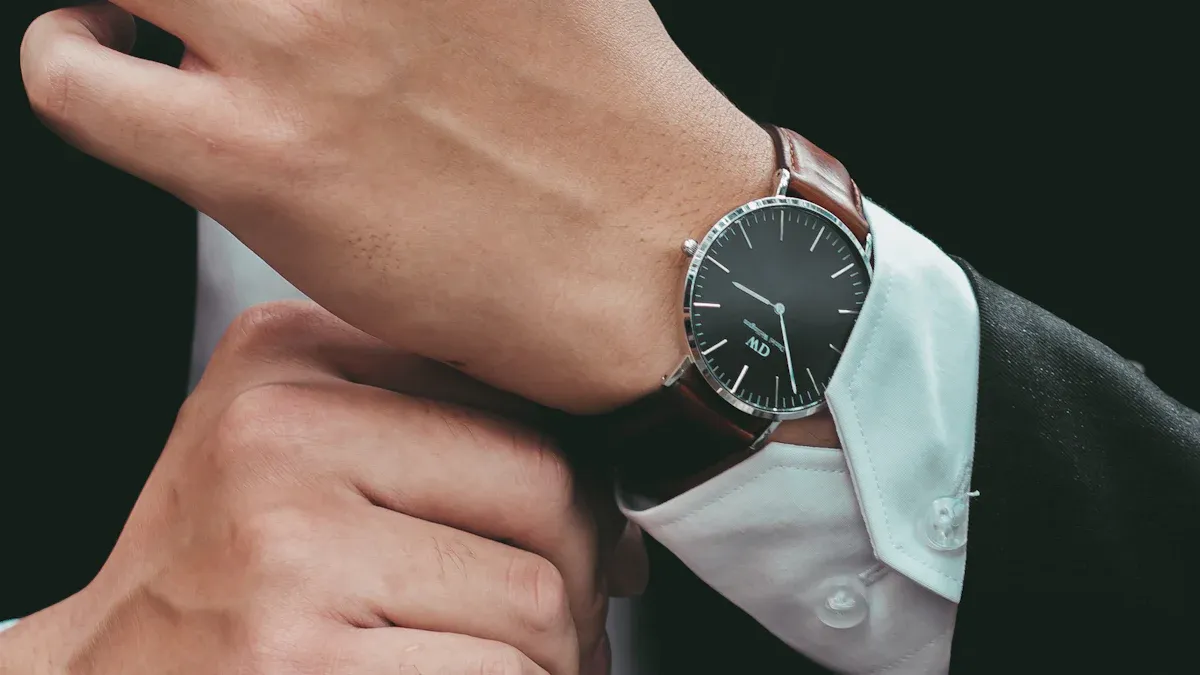
Luxury visual merchandising is the art of creating an environment of desire and exclusivity. You justify a premium price for each luxury product through deliberate visual merchandising. This merchandising is not by chance. It uses psychology, lighting, and minimalist displays. The goal is to build trust with your customers. In the growing luxury watches & jewelry retail sector, your visual presentation is key. The luxury jewelry market alone is valued at over USD 310 billion. It is projected to grow at a compound annual rate of 8.9%. Your visual merchandising must create unique experiences.
This guide provides the core principles of luxury visual merchandising. You will learn to transform your jewelry store into a luxury destination. Effective merchandising and storytelling help customers feel the value of a product before they see the price tag. Great visual merchandising helps luxury brands create a powerful experience. This is how you turn a simple product display into a world of luxury and exclusivity for your customers. Your luxury retail success depends on this experience.
FOUNDATIONS OF LUXURY VISUAL MERCHANDISING
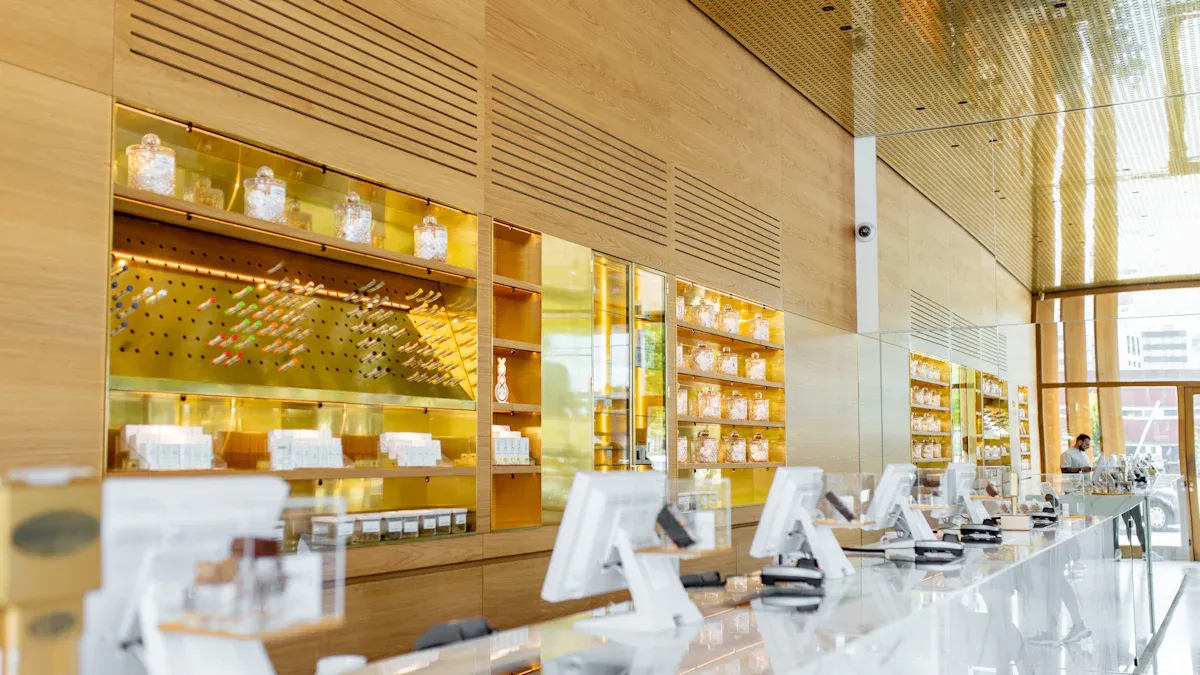
You must understand the core principles of luxury visual merchandising to succeed. These foundations help you build trust and create a powerful luxury experience. Your visual merchandising strategy should focus on three key areas. These areas transform your jewelry store into a destination for luxury.
CREATING SCARCITY AND EXCLUSIVITY
Luxury thrives on desire, not just availability. Your visual merchandising must communicate exclusivity. You can achieve this by making a product feel rare. For example, luxury brands like Rolex and Patek Philippe limit the production of certain watches. This creates long waiting lists and increases the product's perceived value. You can also use collaborations to create scarcity.
- Tudor partnered with retailer Bucherer for an exclusive watch.
- OMEGA's 'Snoopy Award' edition connects a product to a historic event.
VIP events also build exclusivity. Inviting your best customers to private viewings makes them feel special. These exclusive experiences foster a deep sense of loyalty and trust. This turns customers into brand advocates. The goal of your merchandising is to show that owning your jewelry is a unique privilege.
THE ART OF BRAND STORYTELLING
Every luxury product has a story. Your visual merchandising is the stage for that storytelling. You connect with customers on an emotional level through compelling narratives. Your displays should tell a story about the brand's heritage, craftsmanship, or inspiration. Tiffany & Co. uses its iconic blue box in its visual merchandising. This simple element tells a story of legacy and luxury that customers recognize instantly. Effective storytelling makes your jewelry or watches more than just objects. They become part of a larger, more meaningful narrative.
JUSTIFYING VALUE THROUGH PRESENTATION
The presentation of a luxury product must justify its price. Your customers notice every detail. High-quality materials in your displays are essential for luxury visual merchandising. Using materials like marble, polished metal, and fine wood in your merchandising communicates excellence. Discerning customers associate these premium materials with a high-value product. This visual and tactile experience reinforces the quality of your luxury jewelry. Your merchandising choices in the luxury watches & jewelry retail sector directly impact how customers perceive the value of each product. This is how great visual merchandising elevates a luxury product.
CORE ELEMENTS OF A LUXURY DISPLAY
Your visual merchandising choices create the world your customers step into. The right elements in your displays can elevate a product from a simple object to a coveted treasure. You must master these core components to build a true luxury experience. This is how your merchandising justifies a premium price and builds lasting trust.
STRATEGIC SPOTLIGHTING
Lighting in luxury visual merchandising is not just for illumination; it is a tool for creating drama. You use light to guide the customer's eye and reveal the beauty of each product. Focused spotlights turn your jewelry and watches into stars. This technique makes a diamond sparkle with fire and enhances the polished gleam of a watch case. Your lighting choices directly impact how customers perceive the quality of your jewelry.
Good lighting is an art form. The right balance of light and shadow transforms your jewelry store into a theatrical stage. This visual strategy highlights the craftsmanship of every single piece.
You should use specific types of light to showcase different materials. The color temperature of a bulb, measured in Kelvin (K), and its Color Rendering Index (CRI) are critical. A high CRI of 90 or above ensures the true colors of your jewelry are represented accurately.
| Item Type | Recommended Light Temperature | Why It Works |
|---|---|---|
| Diamonds & Platinum | Cool White (4000K - 5000K) | Accentuates brilliance and sparkle. |
| Gold & Rose Gold | Warm White (2700K - 3500K) | Enhances the rich, warm glow of the metal. |
| Colored Gemstones | Neutral or Warm (3000K - 4000K) | Brings out the true, vibrant color of the stones. |
By using strategic lighting in your displays, you control the narrative and focus attention exactly where you want it.
PREMIUM MATERIALS AND TEXTURES
The materials you use in your displays communicate luxury before a customer even touches a product. Your visual merchandising should engage multiple senses. High-quality materials provide a visual and tactile experience that reinforces the value of your jewelry. Discerning customers will notice these details.
Choose materials that have a history of luxury and quality.
- Stone: Use polished marbles like Statuario or Calacatta Gold for a classic, opulent feel. A honed, non-reflective finish offers a more modern, understated look.
- Wood: Incorporate rich, noble woods or exotic varieties to add warmth and a sense of heritage.
- Metal: Mix metal finishes for a layered design. Use gold tones for warmth and luxury, or brushed nickel and stainless steel for a sleek, contemporary feel.
The surfaces that hold your jewelry are just as important. Materials like velvet or Alcantara do more than just look good. Their extraordinary softness provides a plush, protective cushion for delicate watches and jewelry. This tactile sensation adds an emotional element, making the experience of viewing the product feel more special and luxurious.
THE POWER OF A NEUTRAL PALETTE
Color psychology is a powerful tool in luxury merchandising. You should use a neutral color scheme to make your products the hero of the display. Colors like deep grays, soft beiges, and rich navy blues create a sophisticated backdrop. This allows the brilliance of your jewelry and the fine details of your watches to stand out without competition. A neutral palette communicates refinement and lets the craftsmanship of each product speak for itself.
While neutrals are the foundation, many luxury brands also use a signature color for instant recognition. Think of Tiffany's iconic blue or Cartier's deep red. You can use a single, powerful accent color in your packaging or on a small display element to reinforce your brand identity. This creates a cohesive visual experience for your customers.
NEGATIVE SPACE AND HIERARCHY
In luxury visual merchandising, what you don't show is as important as what you do. Overcrowding a display case devalues every product inside. You must use negative space, or "breathing room," around each piece of jewelry. This spacing signals to customers that each item is significant and valuable. It creates an atmosphere of exclusivity and sophistication.
Use this principle to create a visual hierarchy in your displays.
- Place your most important or newest product in a primary focal point.
- Give it more space than other items.
- Arrange supporting pieces around it to guide the customer's eye on a journey of discovery.
This selective placement turns your displays from simple storage into curated galleries. It respects the product and the customer, reinforcing the idea that they are viewing something truly special. This approach is fundamental to the luxury watches & jewelry retail sector, where perception of value is everything. Your thoughtful merchandising transforms the shopping journey into a memorable luxury experience.
PRACTICAL STORE AND DISPLAY SETUP
You have the foundations. Now you can build the physical experience. Your store's layout and displays are where your brand's story comes to life. This section gives you practical steps to set up your store. You will learn to create an environment that guides customers and showcases your product with elegance. This is how your visual merchandising transforms a space into a world of luxury.
THE NARRATIVE WINDOW DISPLAY
Your window display is your first conversation with a potential customer. It must be captivating. You should focus on crafting a single, compelling narrative. Do not overcrowd the space with too much product. The goal of a luxury window display is to evoke desire, not to show your entire inventory. Your visual storytelling should make people stop and dream.
You should refresh your window displays about once a month to keep them engaging. For high-traffic locations, you might make minor updates every two to three weeks. This keeps your visual presentation fresh and exciting for returning customers.
A great window display tells a story. It might celebrate a new collection, a seasonal theme, or the craftsmanship behind a single piece. This focused approach to merchandising makes a powerful statement about your brand's confidence and exclusivity.
CURATING IN-STORE COLLECTIONS
Once customers are inside, your in-store displays continue the narrative. You should group items together to create a cohesive experience. This merchandising strategy helps customers understand your collections and envision how pieces work together.
You can organize your jewelry and watches in several ways:
- By Collection: Group items from the same designer collection to tell a complete story.
- By Brand: Dedicate specific cases to different luxury brands you carry.
- By Theme: Create displays around a concept, like "Bridal Favorites" or "Summer Essentials."
Position your newest or bestselling jewelry front and center. Place these items at eye level in a main display case to capture immediate attention. Use clear signage like "New Collection" to guide your customers. This visual merchandising technique ensures your most important product gets the visibility it deserves. Regularly rotating your displays keeps your jewelry store looking fresh and encourages discovery.
DESIGNING THE CUSTOMER JOURNEY
A well-designed store layout guides customers on a path of discovery. You want to build anticipation as they move through the space. The layout should feel natural and encourage exploration. Many luxury retailers use a free-flow layout. This open design allows customers to move freely and creates a relaxed, upscale feeling. Another option is a boutique layout, which divides the store into smaller, distinct areas for a more intimate experience.
Your goal is to create an engaging customer flow.
- Use lighting, signage, and product placement to guide customers logically from one section to another.
- Place your most eye-catching, high-value items in prime, visible locations to create focal points.
- Design a path that leads customers from the entrance toward your highest-value items, building excitement along the way.
Sensory engagement is a critical part of the luxury experience. You must appeal to more than just sight.
- Scent: Use a subtle, signature scent to create a memorable atmosphere. Brands like Piaget use a custom scent to imbue their boutiques with elegance. Research shows that customers remember smells with 65% accuracy after a year, making scent a powerful tool for brand recall.
- Sound: Curate a playlist of sophisticated music or even feature live musicians during special events.
- Touch: Provide comfortable seating areas with luxurious fabrics. This encourages customers to relax and spend more time in your store.
These sensory details complete the luxury experience and build deep emotional connections with your brand. They help you build trust and make your customers feel valued.
DISPLAYING FINE JEWELLERY
The way you display fine jewellery directly impacts its perceived value. You must use the right tools to highlight the unique features of each piece. Your visual merchandising should make the jewelry the hero.
Use specific display forms for different types of jewelry.
- Necklaces: Use necklace busts or easels to show how a piece will drape on the neckline. This helps customers visualize wearing it.
- Earrings: Use dedicated earring stands that allow the pieces to hang freely, showcasing their movement and detail.
- Rings: Arrange rings in slotted trays or on individual ring fingers. This keeps them organized and highlights the center stone.
Metal display stands offer a blend of function and beauty. They provide a sturdy, elegant platform for your jewelry. Grouping items by color, style, or metal helps customers see how different pieces can be paired together. This thoughtful merchandising elevates the product and enhances the shopping experience.
PRESENTING LUXURY WATCHES
Presenting luxury watches requires a focus on precision and craftsmanship. Your displays must communicate the technical excellence and heritage of each timepiece. Unlike jewelry, which is often about sparkle, watches are about detail.
Your visual merchandising should respect the product.
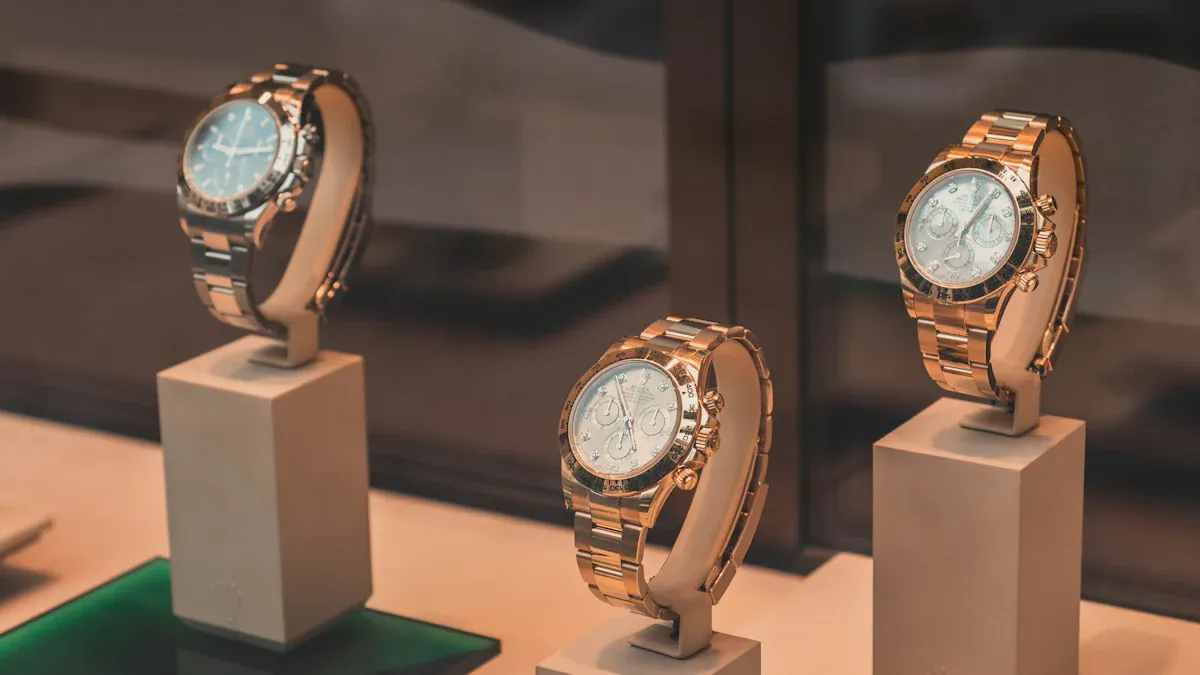
- Use specialized watch holders that present the timepiece at an optimal angle. This allows customers to see the dial, case, and bracelet clearly.
- Give each watch ample negative space. This signals its importance and allows the fine details to be appreciated without distraction.
- Incorporate storytelling elements. Use small plaques or digital screens to share information about the watch's movement, history, or unique features.
The presentation of luxury watches is a testament to their value. Your merchandising choices show customers that you understand and respect the art of horology. This builds trust and reinforces the idea that they are investing in a product of exceptional quality. This approach is essential for success in the luxury watches & jewelry retail sector.
FUTURE-PROOFING YOUR STRATEGY FOR 2025
The world of luxury is always changing. You must adapt your visual merchandising to meet new customer expectations and stay ahead of trends. Future-proofing your strategy means blending technology, ethics, and immersive experiences. This approach ensures your luxury brand remains relevant and desirable. Your visual merchandising must evolve to create a modern luxury experience.
INTERACTIVE DIGITAL DISPLAYS
You can subtly integrate technology into your visual merchandising. This enhances the customer experience without creating a distraction. Small, elegant digital screens can show videos of your craftsmanship. For example, luxury brands like Hermès use high-resolution screens to show the detailed work behind their products. This visual storytelling adds value. You can also use QR codes. A customer can scan a code to learn about a watch's history or a gemstone's origin on your Shopify e-commerce site. This digital connection is a key part of modern merchandising.
Your online presence must match your in-store luxury. Great Shopify jewelry themes create a seamless visual transition. Good SEO and mobile optimization ensure customers can easily find your product online after they leave your store. This complete visual journey builds trust. Your Shopify store becomes an extension of your physical merchandising. Using Shopify jewelry themes with strong SEO helps you capture interest.
HIGHLIGHTING ETHICAL SOURCING
Today's luxury customers care about where their jewelry comes from. Your visual merchandising is the perfect platform for this storytelling. You can use your displays to communicate your commitment to ethical sourcing. This builds deep trust with your customers.
Use materials like reclaimed wood or recycled metals in your displays. Add small, elegant signs that explain the origin of your materials. This visual cue shows your brand's values. This type of merchandising makes your jewelry product feel more special. It tells a story of responsibility that modern buyers appreciate. Your Shopify jewelry themes can also highlight these values for a consistent message. This is how your visual merchandising can reflect important trends.
CREATING IMMERSIVE EXPERIENCES
You must create memorable experiences to justify a luxury price. Your jewelry store should be more than a place to buy a product; it should be a destination. Immersive experiences engage all the senses and create a powerful emotional connection. This is a key trend in luxury visual merchandising.
Think beyond the visual. You can host private workshops or invite a designer for a special event. These exclusive experiences make your customers feel valued. Your merchandising can support these events with thematic displays. This focus on creating unique experiences is what separates true luxury brands. It transforms your Shopify and physical stores from simple retail spaces into worlds of exclusivity and wonder. This is the future of luxury jewelry merchandising.
Successful luxury visual merchandising curates a world of luxury. Your visual merchandising is not just about filling a space with a jewelry product. You master luxury visual merchandising through key principles. Your merchandising uses lighting and spacing to elevate each jewelry product. This visual merchandising transforms your jewelry store. It creates a world of exclusivity for your jewelry product.
Apply these visual merchandising principles now. This merchandising will impact how customers see your jewelry product. It builds trust. Luxury brands use this merchandising to connect with customers. This is how you build trust and succeed in the luxury watches & jewelry retail sector. Your visual presentation of each jewelry, jewelry, jewelry, jewelry, jewelry, jewelry, and jewelry product is key to luxury.
FAQ
How often should you update your displays?
You should refresh your main window display monthly. This keeps your store looking new and exciting. You can rotate your in-store displays more often. This encourages customers to discover different items on each visit and helps you feature new jewelry.
What is the most important element of a luxury display?
Negative space is the most critical element. You must give each piece of jewelry breathing room. This empty space tells customers that every item is important and valuable. It creates a feeling of exclusivity and highlights the quality of the jewelry.
Can you use bright colors in your store?
You should use a neutral color palette as your base. This makes your jewelry the hero. You can use a single signature color for branding. This accent color reinforces your identity without distracting from the beauty of the jewelry.
How do you make your online store feel luxurious?
Your online merchandising must match your physical store's quality. Use high-quality photos and videos for each product. Tell the story behind your jewelry. A consistent luxury experience across all platforms builds trust and shows the value of your jewelry.