Master UV Resistance Basics for Your Exhibits

Event professionals prevent fixture yellowing by using materials with built-in UV stability. They can also apply special UV-blocking solutions. Mastering uv resistance basics allows them to protect assets and maintain visual quality. This knowledge increases the durability of displays for exhibitions.
Note: These practices also improve the long-term sustainability of exhibit components, reducing replacement costs and waste.
UV Resistance Basics: Why Fixtures Yellow
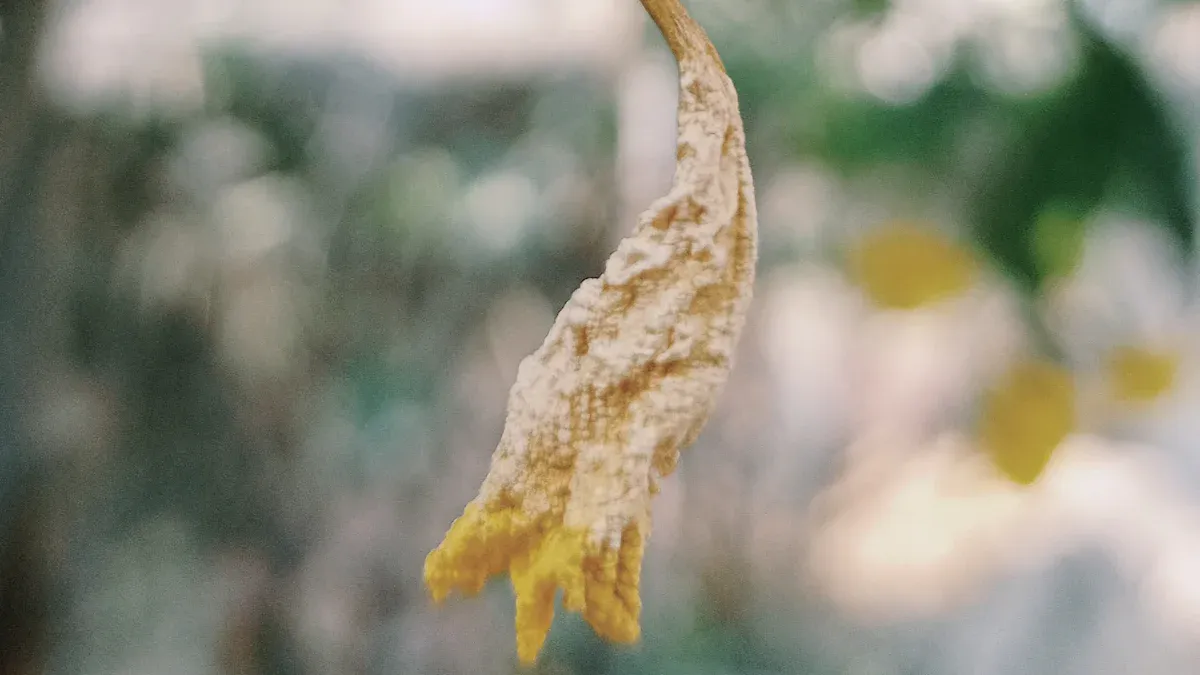
Exhibit fixtures turn yellow because of a process called UV degradation. Understanding these uv resistance basics helps professionals protect their displays. The damage comes from specific types of light and affects many common materials.
The Science of UV Degradation
Ultraviolet (UV) radiation is a form of light energy. This energy, especially in the 100-400nm wavelength range, is strong enough to break down material structures. When UV light hits plastics, paints, or fabrics, it triggers a chemical reaction. This process, known as photooxidation, creates new structures called chromophores. These chromophores absorb visible light and give materials a yellow tint.
The process also causes brittleness. UV exposure breaks the long polymer chains that give plastics their strength and flexibility. This chain scission creates smaller, weaker fragments, making the material fragile. Different light sensitive materials react to specific wavelengths.
- UV-C light around 254 nm causes significant yellowing and loss of strength in polymers.
- Nylon is particularly vulnerable to UV light in the 290-315 nm range.
High-Risk Light Sources in Exhibits
Certain light sources pose a greater threat to exhibits. Event professionals must identify these high-risk sources to protect their assets. Direct sunlight is the most powerful source of UV radiation, even when filtered through windows. Older lighting fixtures also present a risk. For example, some older fluorescent lamps emit UVA radiation between 350–400 nm. Certain halogen lamps can also emit damaging UV rays.
Modern LED lights are a much safer choice. They produce very little UV radiation, making them ideal for illuminating light sensitive items. Choosing the right lighting is a key part of the uv resistance basics for any exhibit.
Pro Tip: Professionals should always assess the proximity of displays to windows and older lighting. They can then position valuable assets away from these high-risk zones to extend their lifespan.
Choosing UV-Resistant Materials
Selecting the right materials from the start is the most effective strategy to prevent UV degradation. This proactive choice enhances the lifespan of exhibit components and supports long-term visual appeal. Using UV-resistant or UV-protected products is a foundational step for creating durable and high-quality exhibitions.
UV-Protected Plastics and Polymers
Plastics are common in exhibits, but many are vulnerable to UV damage. Professionals should choose polymers with inherent UV stability or those treated with protective additives. UV-protected acrylic (PMMA) is a primary solution. It has excellent natural UV resistance and maintains its clarity without yellowing. Other plastics offer different levels of performance and cost.
| Plastic Type | UV Resistance Performance |
|---|---|
| Acrylic (PMMA) | Excellent UV resistance. It is naturally resistant to UV radiation and does not yellow or degrade significantly. |
| Polycarbonate (PC) | Good UV resistance. Untreated versions can yellow over time, but UV-stabilized grades perform well outdoors. |
| Polypropylene (PP) | Poor UV resistance. It requires UV stabilizers for outdoor use to prevent cracking, color fading, and loss of strength. |
Beyond acrylic, other polymers provide strong UV stability. These sustainable materials offer unique properties for different applications:
- High-density polyethylene (HDPE): A tough and tear-proof option that is also less expensive.
- Polytetrafluoroethylene (PTFE): A flexible material known for its non-stick surface and resistance to extreme temperatures.
- Polyetherimide (PEI): An exceptionally high-strength plastic that resists sunlight, flame, and chemicals.
Understanding UV Ratings Industry standards help professionals identify truly protective materials. The UV STANDARD 801 is one of the world's most stringent systems. It tests textiles when they are new, wet, stretched, and aged to certify a reliable Ultraviolet Protection Factor (UPF). In China, the GB/T 18830 standard classifies a product as UV-protective if its UPF is over 40. These ratings provide confidence in a material's protective capabilities.
Graphics and Inks to Limit Fading
Printed graphics are highly susceptible to fading from UV exposure. The right ink technology is essential to reduce fading and maintain vibrant colors. UV-cured ink is a durable choice because the curing process makes it resistant to UV damage. This helps to limit fading over the life of the graphic.
A key metric for ink lightfastness is the Blue Wool Scale. This scale rates how well a color resists fading.
- A rating of 1-3 indicates poor lightfastness.
- A rating of 7-8 signifies excellent lightfastness.
Professionals should specify inks with a Blue Wool Scale rating of 7 or higher. Using these high-performance pigments is a simple way to reduce fading. This choice ensures that brand colors and images remain accurate and impactful. Choosing inks that reduce fading is critical for long-term brand presentation. This practice helps to limit fading and preserve the visual integrity of the display.
Protective Paints and Finishes
The final finish on a fixture can either protect it or contribute to its degradation. Many clear coats contain nitrocellulose (NC), a compound known to yellow significantly over time. Even finishes with UV absorbers will yellow if they contain nitrocellulose. This yellowing happens because the nitrocellulose itself is unstable under UV light.
For a truly non-yellowing finish, professionals should use modern alternatives. These options provide superior clarity and durability.
- CAB-Acrylic Lacquer: This finish uses acrylic resins that remain clear and will not yellow. It offers greater durability than nitrocellulose.
- Catalyzed Lacquers: These finishes cure through a chemical reaction, making them extremely durable. They are a top choice for high-wear surfaces.
These advanced coatings often contain special additives to boost UV protection.
- UV Absorbers: Additives like benzotriazoles act like a shield. They absorb harmful UV radiation and convert it into harmless heat.
- Hindered Amine Light Stabilizers (HALS): These additives do not absorb UV light. Instead, they neutralize the damaging free radicals that UV exposure creates. They regenerate themselves, offering long-term protection.
Combining UV absorbers and HALS creates a powerful synergistic effect. This pairing is the best way to reduce fading and degradation in paints and finishes. Selecting these advanced coatings and sustainable materials improves the sustainability of exhibit fixtures. Better material choices reduce the need for frequent repairs and replacements, which also promotes overall project sustainability.
Proactive UV Protection Strategies
Choosing the right materials is the first step. The next step involves active strategies to shield exhibits from UV damage. These methods provide an extra layer of defense. They ensure the long-term visual quality and structural integrity of fixtures and displays.
Applying Protective Films and Laminates
Protective films and laminates offer a direct barrier against UV radiation. High-quality films can block over 99% of harmful UV rays. This protection is crucial to reduce fading on sensitive surfaces. Professionals can apply these films to windows or directly onto exhibit cases.
| Film Type | UV Protection |
|---|---|
| Ceramic Film | 99%+ UV blocking |
| Carbon Film | 99% UV blocking |
| Crystalline Film | 99%+ UV blocking |
| Standard Dyed Film | 95-99% UV blocking |
Applying these films requires care. The wet installation method uses a soapy solution. It allows for easy positioning and bubble removal. The dry method offers immediate adhesion but requires more skill. For graphics, lamination provides a durable surface that helps to limit fading and preserve color vibrancy. These actions help reduce fading and protect assets.
Specifying UV-Filtering Lighting
Light sources are a major risk, but modern technology offers safe solutions. Professionals should specify modern, museum-grade LED lighting fixtures. These LEDs are engineered to suppress UV output almost completely. Their blue pump technology creates a sharper UV cutoff than even the best external filters. For older fluorescent or halogen lights, teams can retrofit them with UV-filtering sleeves or overlay sheets. These accessories absorb harmful UV wavelengths and help reduce fading. This simple upgrade is a key part of sustainable practices for any venue.
Strategic Exhibit Design and Layout
Smart exhibit layout significantly minimizes UV exposure. Designers should position sensitive items away from direct sunlight. Using blackout shades or curtains during closing hours provides total protection. The March Field Air Museum, for example, installed specialized window film to reduce fading on historical artifacts. This strategy proved highly effective.
Investing in UV protection is a cost-effective insurance policy. It protects valuable assets from permanent damage and costly restoration. This approach enhances the long-term sustainability of all exhibitions.
Rotating items on display can also limit fading. This practice ensures no single piece endures prolonged light exposure. These design choices help reduce fading and preserve the integrity of the collection. Thoughtful design is a powerful tool to reduce fading.
Mastering uv resistance basics involves three key actions. Professionals must first understand how UV light causes yellowing. They then select stable materials and apply protective measures like films and smart lighting. Consistent brand presentation can increase revenue by up to 23%, showing the value of this effort. Verifying supplier test documents, like ASTM D4355 certification, is a crucial part of these uv resistance basics.
Integrate UV resistance checks into your procurement and design workflow. It's a small step that protects your assets, preserves brand integrity, and delivers long-lasting, vibrant exhibitions.
FAQ
Does all acrylic resist UV light?
No, not all acrylic is the same. Standard acrylic can yellow over time. Professionals must specify UV-protected or cast acrylic grades. These special types offer excellent clarity and long-term resistance to UV degradation, making them ideal for high-value displays.
How often should professionals replace UV films?
Most high-quality UV films last between 5 and 10 years. Professionals should inspect them annually.
Key signs for replacement include bubbling, peeling, or discoloration. These issues show the film is no longer providing effective protection against UV radiation.
Are UV-resistant materials better than protective films?
Using both is the best approach. UV-resistant materials provide a strong base defense. Protective films and laminates add a second, powerful barrier. This layered strategy offers the most complete protection for sensitive exhibit components and graphics.
Is UV-protective lighting more expensive?
Modern LED fixtures with low UV output may have a higher initial cost. However, they offer significant long-term savings. LEDs consume less energy and have a much longer lifespan than older halogen or fluorescent bulbs, reducing replacement and utility costs.