Total Landed Cost for Event Displays


For large shipments of acrylic displays, sea freight offers the lowest total landed cost. For time-sensitive events, air freight is the more strategic choice when you consider every cost.
The event market is booming, with logistics spending projected to pass $100 billion by 2030. This growth pressures your sourcing of displays. Your success with importing displays relies on smart shipping and customs planning. Calculating the total landed cost is vital for cost-effectiveness. This cost includes freight, customs, and every expense from your shipping process. Your approach to importing and customs determines the final cost of your displays. Efficiently importing these displays requires managing each shipping cost and customs detail. Your sourcing strategy for importing these displays must be perfect to control shipping and customs cost. Your sourcing finds the best displays.
Core Freight Costs: Air vs. Sea
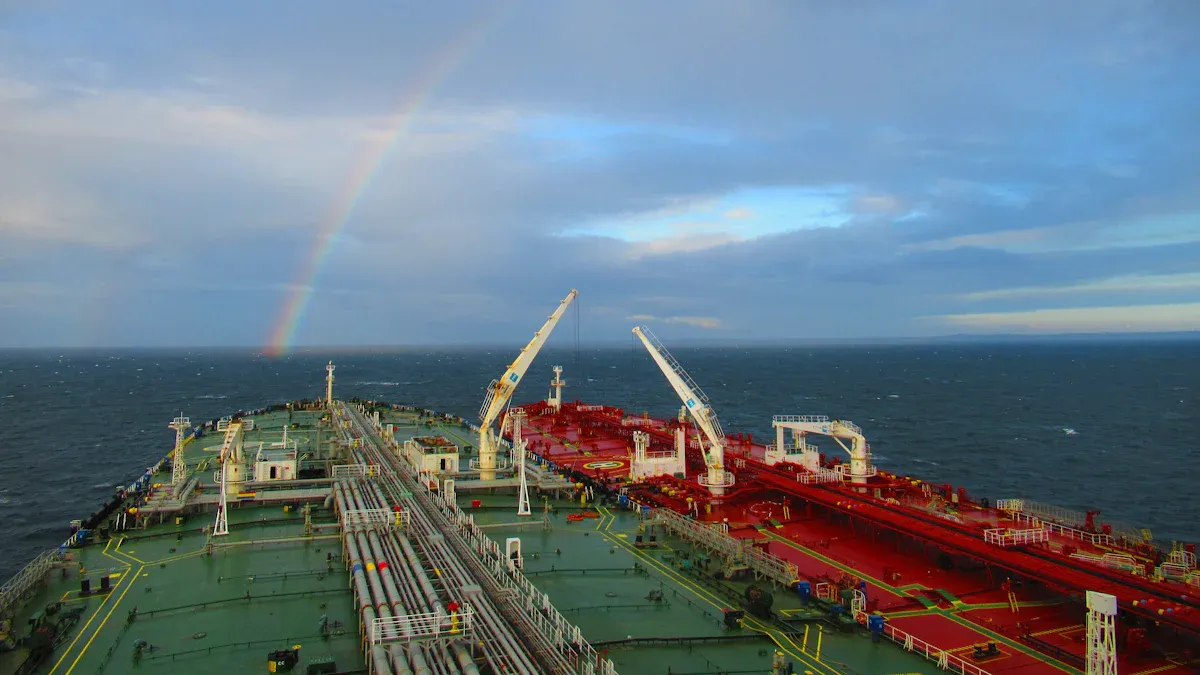
Your first step in calculating the total landed cost is understanding the base freight rate. Air freight is significantly faster, but this speed comes at a premium. It can cost 12 to 16 times more than sea freight because airplanes have limited capacity. Your shipping cost also changes with the seasons. During peak times, like the holiday rush before Christmas, high demand for importing goods leads to surcharges and higher rates for both air and sea freight. Planning your customs and shipping timeline around these peaks can save you a considerable amount of money.
Air Freight: Chargeable Weight
When importing displays by air, the freight cost is not based on actual weight alone. Airlines use a metric called "chargeable weight." You must compare the shipment's actual weight to its volumetric weight and pay for whichever is higher. Your acrylic displays are often light but bulky, making volumetric weight the key factor in your shipping cost.
How to Calculate Volumetric Weight for Air Freight:
(Length cm x Width cm x Height cm) / 6000 = Volumetric Weight (kg)
This formula is the industry standard for air freight. A large, light box of displays will have a higher chargeable weight, increasing your freight cost. Understanding this calculation is essential for accurately budgeting your importing expenses.
Sea Freight: Volume (CBM)
For Less than Container Load (LCL) sea shipping, the cost is based on volume, measured in Cubic Meters (CBM). This method is ideal for importing displays when you don't need a full container. You calculate the CBM to determine your base freight cost.
Here is how you find your total CBM:
Measure one carton's length, width, and height in meters.
Multiply the three dimensions:
Length (m) x Width (m) x Height (m) = CBM per carton.Multiply the CBM per carton by the total number of cartons in your shipment.
This final number is your total shipment volume. LCL sea freight rates, such as from Shanghai to Los Angeles, often range from $80 to $100 per CBM. This makes sea shipping a cost-effective choice for large orders of displays where transit time is not a primary concern for your customs and delivery schedule.
Beyond Freight: Surcharges, Duties, and Fees
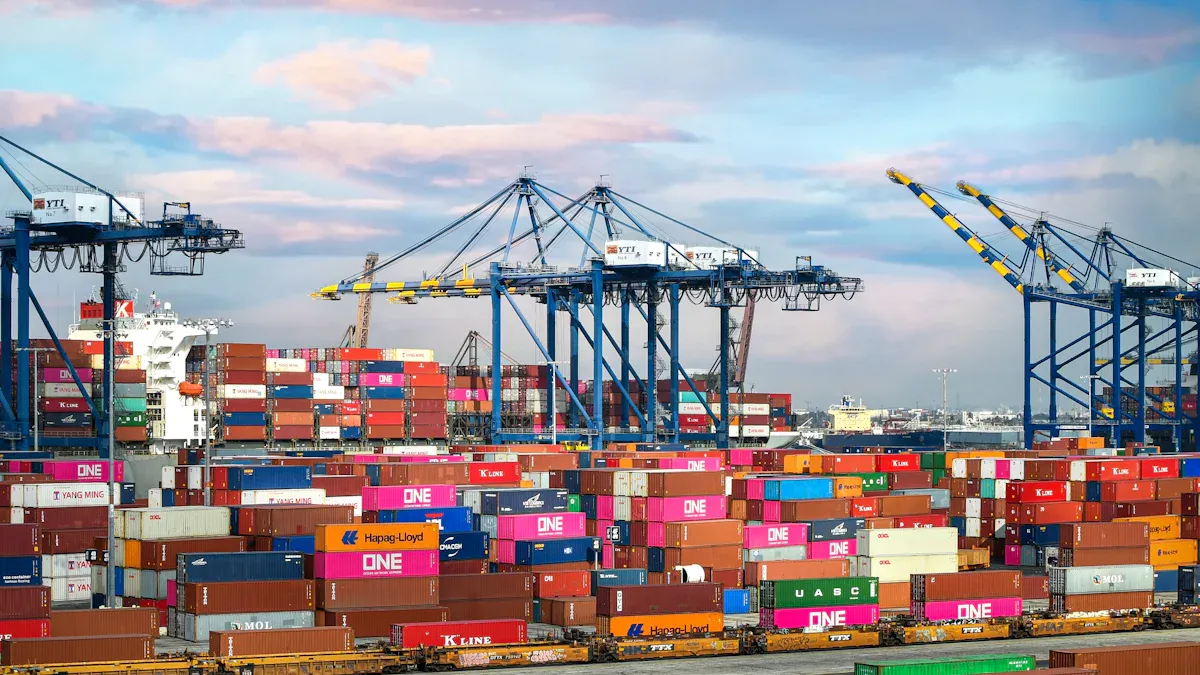
Your base freight rate is only the starting point. To find the true total landed cost, you must account for a wide range of additional charges. These fees cover everything from fuel price changes to government tariffs and can significantly increase your final cost. Ignoring them will lead to inaccurate budgets when importing your event displays.
Origin and Destination Charges
Carriers add several surcharges to your freight bill. These fees are not optional and are a standard part of the shipping process. You need to factor them into your cost calculations for importing displays.
Common surcharges include:
Fuel Surcharge (FSC): This fee adjusts for fluctuating fuel prices.
Security Surcharge (SSC): This covers the cost of enhanced security measures required for all international freight.
Peak Season Surcharges: Shipping during high-demand periods, like the months before major holidays, triggers extra fees. These surcharges can increase your shipping cost by over 40%, turning a small expense into a major one.
Customs Duties, Taxes, and Insurance
After your freight arrives, you face costs related to customs and import regulations. The customs clearance process involves paying government-mandated tariffs and taxes. These tariffs are based on the type and value of your displays. Your customs broker will manage this process, but you are responsible for the cost.
Key customs fees include:
Customs Duties & Tariffs: Taxes on imported goods.
Merchandise Processing Fee (MPF): An administrative fee for customs processing.
Harbor Maintenance Fee (HMF): A fee for sea freight shipments using U.S. ports.
Finally, you must protect your investment. Cargo insurance protects your displays against loss or damage during shipping. A standard industry formula helps you calculate the insured value.
Cargo Insurance Formula: Insurance Value = (Commercial Value + Freight Cost) x 110%
This ensures that if something goes wrong, you are covered for the full value of your displays plus a portion of the associated shipping cost. This final step completes your understanding of the total cost of importing.
Calculating Your Total Landed Cost
Now you can put all the pieces together. A theoretical calculation shows you how these costs add up in a real-world situation. This exercise helps you see the true financial difference between air and sea freight.
Scenario: You are importing a shipment of acrylic displays from Shanghai, China to Los Angeles, USA.
Commercial Value: $10,000
Shipment Volume: 5 Cubic Meters (CBM)
Actual Weight: 600 kg
Let's break down the total landed cost for both shipping methods.
Air Freight: Cost Breakdown
For air freight, your first step is to find the chargeable weight. Your displays are bulky, so you must compare the actual weight (600 kg) to the volumetric weight.
Volumetric Weight = 5 CBM x 167 kg/CBM = 835 kg
The airline will charge you for 835 kg because it is higher than the actual weight. Here is a step-by-step estimate of your total cost for importing these displays by air.
Base Freight Cost: The rate for air shipping can be around $5 per kg.
835 kg x $5.00/kg = $4,175
Surcharges (Fuel & Security): These fees often add 10-20% to your freight cost.
$4,175 x 15% = $626.25
Origin & Destination Fees: This covers handling at both airports.
Estimated Cost = $450
Customs Clearance: This is the fee your broker charges for managing the customs process.
Broker Fee = $175
Duties & Tariffs: The U.S. imposes tariffs on imported goods. For acrylic displays (HS Code 3926.90.99), the rate is around 4.8%.
$10,000 (Commercial Value) x 4.8% = $480
Insurance: This protects your investment during shipping.
($10,000 + $4,175) x 110% = $15,592.50 (Insured Value)Insurance Cost (approx. 0.5% of insured value) = $77.96
Your estimated total landed cost for air freight is $5,984.21. This cost ensures your displays arrive quickly, which is critical for time-sensitive events.
Sea Freight: Cost Breakdown
With sea freight, your cost is based on the shipment's volume of 5 CBM. The LCL shipping rate per CBM from China to the U.S. varies but is much lower than air freight.
The cost per CBM for an LCL sea shipment from major Chinese ports to the USA typically falls in this range:
Route | Cost per CBM |
|---|---|
Shanghai → Los Angeles | $45–$90 |
Shenzhen → New York | $45–$100 |
Ningbo → Chicago | $50–$100 |
Guangzhou → Houston | $45–$90 |
We will use an average rate of $80 per CBM for your calculation. Here is the breakdown of your cost for importing your displays by sea.
Base Freight Cost: This is your primary shipping expense.
5 CBM x $80/CBM = $400
Origin & Destination Fees: These charges cover port handling, documentation, and warehouse fees. They are often higher for sea freight than air.
Estimated Cost = $750
Customs Clearance: The broker's fee for handling your sea freight customs entry.
Broker Fee = $250
Duties, Tariffs & Fees: You pay the same 4.8% tariffs, plus port-specific fees like the Harbor Maintenance Fee (HMF).
Duties: $10,000 x 4.8% = $480HMF: $10,000 x 0.125% = $12.50Total = $492.50
Insurance: The insurance calculation for sea shipping is the same, but the lower freight cost reduces the total insured value.
($10,000 + $400) x 110% = $11,440 (Insured Value)Insurance Cost (approx. 0.5% of insured value) = $57.20
Your estimated total landed cost for sea freight is $1,949.70.
Cost Comparison: Air vs. Sea
This side-by-side view makes your decision clear. The final choice depends on whether your priority is speed or budget for importing your displays.
Cost Item | Air Freight | Sea Freight |
|---|---|---|
Base Freight | $4,175.00 | $400.00 |
Surcharges & Fees | $1,076.25 | $750.00 |
Customs Clearance | $175.00 | $250.00 |
Duties & Tariffs | $480.00 | $492.50 |
Insurance | $77.96 | $57.20 |
Total Landed Cost | $5,984.21 | $1,949.70 |
While sea freight offers a significantly lower cost, remember that it also involves a much longer transit time. Your final decision must balance the total landed cost with your event timeline.
Strategic Factors: Time, Risk, and Planning
Your total landed cost calculation is more than just numbers. You must also consider time, risk, and planning. The lowest cost on paper means nothing if your displays arrive late for an event. Your final decision balances budget against your project timeline.
The True Cost of Time
Time has a real financial value in the events industry. A delay carries a significant cost. Air freight delivers your displays in 1-7 days. Sea shipping takes much longer.
Sea Freight Transit: 20-45 days
Air Freight Transit: 1-7 days
A one-week delay adds operational costs and can lead to lost sales opportunities. Faster shipping with air freight supports lean inventory. It reduces your need for warehousing and frees up capital. This predictable delivery schedule helps you manage your cost and avoid stockouts for your displays.
Managing Damage and Delay Risks
Sea shipping presents more risks than air shipping. Your shipment can face many hurdles that cause delays.
Common Sea Freight Delays:
Customs inspections and documentation reviews
These delays can add weeks to your timeline. This makes sea shipping a gamble for time-sensitive projects. The lower shipping cost does not make up for the risk of missing an event deadline. You must factor these potential delays into your sourcing and shipping plan.
Lessons from Importing Furniture from China
You can learn a lot from the challenges of importing furniture from China. The process of importing furniture from China is complex. It involves high tariffs, strict customs rules, and careful sourcing. These are the same issues you face when importing displays. The experience of importing furniture from China teaches valuable lessons about managing cost and logistics. Sourcing a reliable supplier is the first step. When importing furniture from China, you must provide clear instructions to your supplier. This prevents mistakes.
The logistics of importing furniture from China highlight the importance of compliance. You must verify that your furniture meets all safety standards before shipping. The customs process for importing furniture from China requires perfect documentation. Any error can cause major delays. The high tariffs on furniture also show why understanding your cost is critical. These lessons from importing furniture from China apply directly to your sourcing of displays. Successful importing furniture from China depends on planning. Your own importing process for displays needs the same attention to detail for customs, tariffs, and shipping.
Your cheapest freight rate does not equal the lowest total landed cost. Sea freight is best for large, planned shipments of displays where long lead times are acceptable. Air freight provides essential speed for your time-critical importing projects. Your final shipping choice must align with your event's timeline, budget, and risk tolerance. This decision on freight and customs impacts your final cost. Use real-time data to balance your freight cost against delivery schedules for importing your displays. This helps you manage the customs and shipping cost for your displays.
Take the Next Step: Download our free Total Landed Cost worksheet. Calculate the exact cost for your next acrylic display shipment and make a data-driven decision.
FAQ
How do I find the right HS code for my displays?
You find the correct Harmonized System (HS) code for your displays by working with a customs broker. This code is crucial for customs. It determines the tariffs and import regulations for your shipment. Proper sourcing and classification prevent costly customs issues when importing your displays.
Why do tariffs change for different displays?
Tariffs vary based on the product's material and country of origin. Your sourcing choices directly impact this cost. The HS code tells customs which tariffs to apply to your specific displays. These government-set tariffs are a major part of your final importing cost.
What is the most important step in sourcing displays?
The most critical step in sourcing your displays is vetting your supplier. A reliable partner ensures quality and correct documentation. This proactive sourcing step helps you avoid customs problems. Good sourcing simplifies the entire process of importing your displays and controls your overall cost.
What causes customs delays when importing displays?
Delays often happen from incorrect paperwork. Your customs declaration must be perfect. Errors in value, quantity, or HS codes will flag your shipment for inspection. Your sourcing process should confirm all details before importing to avoid this extra cost and keep your displays on schedule.