Top easy-to-clean materials for labs

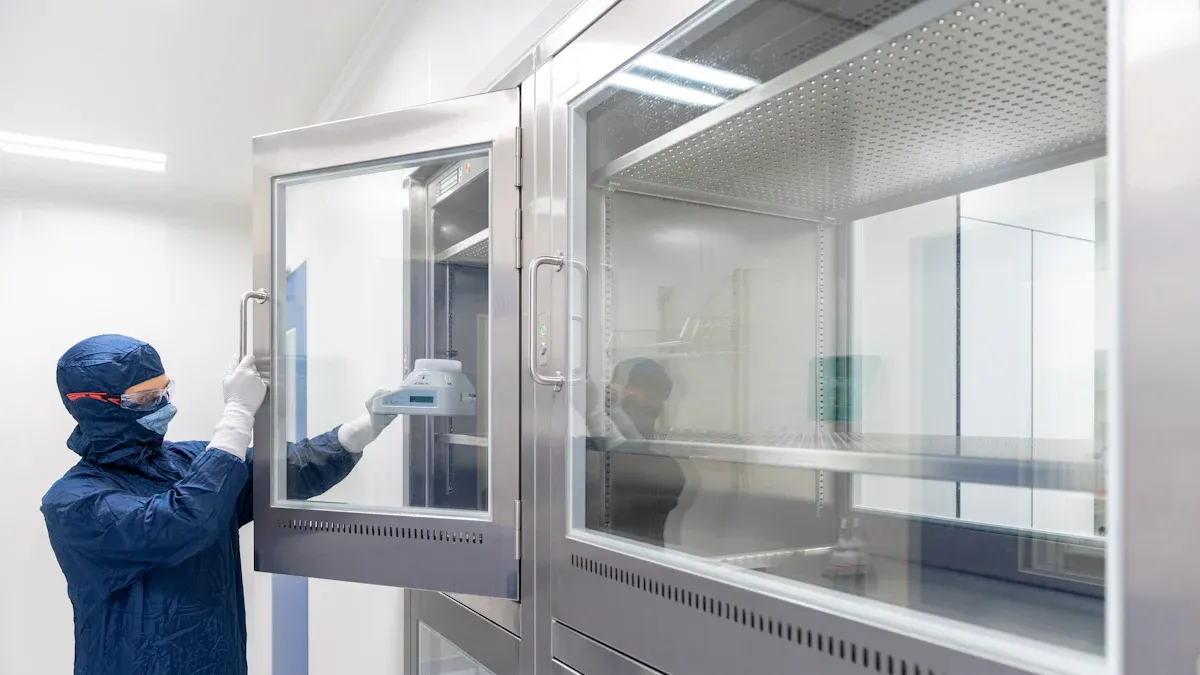
The top choices for lab countertops are Epoxy Resin, Phenolic Resin, and Stainless Steel. These are excellent easy-to-clean materials for any modern laboratory. Their superiority comes from a combination of key features essential for a safe and functional workspace.
These materials are non-porous, durable, and resistant to chemicals. These properties prevent contamination and simplify cleaning. This makes them ideal for maintaining a hygienic lab environment.
Epoxy Resin: The Chemical-Resistant Standard
Epoxy resin earns its reputation as the industry standard for chemical-resistant lab surfaces. This material provides exceptional resistance to a wide range of substances. It effectively withstands acids, bases, solvents, and alcohols. For example, tests show it holds up against strong bases like 50% sodium hydroxide. This durability ensures a long service life. Even under heavy use in a busy lab, an epoxy countertop can last from 10 to 20 years.
Cleaning and Maintenance
Daily cleaning of epoxy resin surfaces is simple. A soft cloth with basic soap and warm water effectively removes most spills and residues. For disinfection, lab staff can use a 70% isopropyl alcohol (IPA) solution, which cleans well and evaporates quickly. Other options include diluted hydrogen peroxide or quaternary ammonium compounds, but these require a thorough rinse afterward.
Important Note: Always avoid abrasive powders or scouring pads. These items will create micro-scratches and dull the shiny surface. Undiluted bleach is also highly corrosive and can degrade the epoxy finish over time.
The time a cleaner should sit on the surface, or its dwell time, varies. Following the manufacturer's guidance is critical for effective cleaning without causing damage.
Ideal Lab Environments
The superior chemical resistance and durability of epoxy resin make it a top choice for a variety of demanding laboratory settings. It performs exceptionally well in environments with frequent chemical exposure. Common applications include:
Pathology and immunology labs
University and high school science classrooms
Phenolic Resin: The Durable, Cost-Effective Choice
Phenolic resin offers an excellent balance of durability and affordability. This material is made by layering natural kraft papers saturated with phenolic resin and curing them under high heat and pressure. The process creates a solid, lightweight, and highly durable surface. It provides good resistance to chemicals, heat, and moisture.
Phenolic resin is a more budget-friendly option compared to epoxy resin. Its manufacturing process is less intensive, and its lighter weight reduces shipping costs. This makes it a smart choice for labs needing high performance without a premium price tag.
Material | Average Price Per Square Foot |
|---|---|
Phenolic Resin | |
Epoxy Resin | $100 to $200 |
Cleaning and Maintenance
Maintaining phenolic resin countertops is straightforward. Daily cleaning requires only simple, non-abrasive products. Lab staff can effectively clean these surfaces using:
A soft cloth with mild soap and water
Simple Green or a similar mild cleaning agent
For tougher organic stains or residues, a small amount of acetone or mineral spirits can be used. Steam cleaning is also an effective method due to the material's moisture resistance.
Cleaning Pro Tip 💡 Never use abrasive powders, steel wool, or harsh cleaners like bleach on phenolic resin. These can permanently scratch or damage the surface. Also, avoid dragging heavy equipment across the countertop to prevent marring.
Ideal Lab Environments
Phenolic resin's blend of performance and value makes it suitable for a wide range of applications. It is an especially popular choice in settings with moderate chemical use and tight budgets. You will often find phenolic resin countertops in:
Healthcare and clinical settings
General-purpose research facilities
Its durability stands up well to the daily demands of busy academic and light-duty research environments.
Stainless Steel: The Standard for Sterile Labs
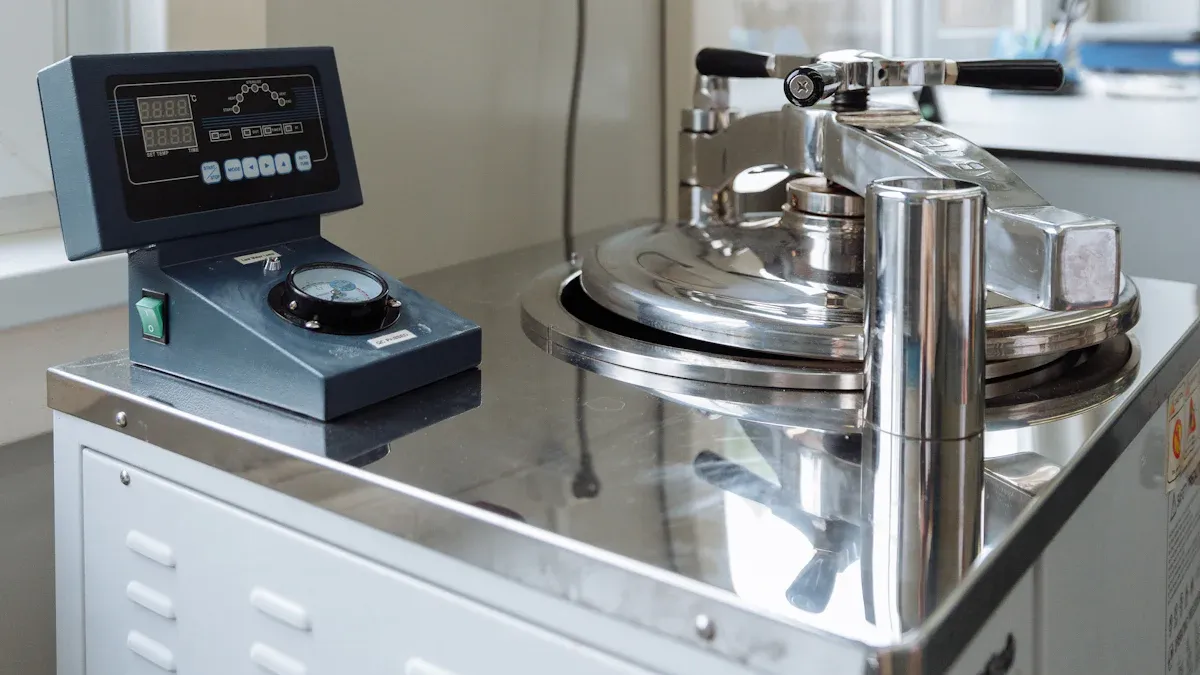
Stainless steel is the top material for labs requiring absolute sterility. Its non-porous surface prevents the growth of bacteria and other microorganisms. This makes it incredibly easy to clean and sterilize. Stainless steel can withstand countless cleanings without wearing down. It also meets strict industry guidelines for safety and hygiene.
It is often NSF-rated, making it suitable for cleanrooms and wet labs.
It complies with SEFA and ANSI standards for durability and safety.
Cleaning and Maintenance
Proper maintenance keeps stainless steel surfaces sterile and corrosion-free. Daily cleaning is simple. Lab staff can use a soft cloth, warm water, and a mild detergent. Wiping in the direction of the metal's grain helps prevent tiny scratches. Always dry the surface with a lint-free cloth to avoid water spots.
For disinfection or chemical spills, immediately rinse the area with deionized water. Then, wipe it with a 70% isopropyl alcohol solution. For tougher grime, a non-abrasive cleaner like Bar Keepers Friend is effective.
Important Cleaning Rules 💡 Never use abrasive scouring pads, steel wool, or bleach. Abrasives create scratches where contaminants can hide. Chlorine-based cleaners like bleach break down the steel's protective layer, leading to rust.
If rust appears, a process called passivation can restore the protective film. This treatment uses a mild oxidant to repair the surface.
Ideal Lab Environments
The sterile and durable nature of stainless steel makes it essential for sensitive and high-hygiene environments. Its resistance to corrosion and ease of cleaning are critical in these settings. You will find stainless steel countertops in:
Hospital operating rooms and medical labs
Animal research facilities and autopsy labs
Cleanrooms requiring grade 304 or 316 steel
In these labs, preventing contamination is the highest priority. Stainless steel provides the reliable, sterile work surface needed to ensure accurate results and maintain safety.
Chemical-Resistant Laminate: The Budget-Friendly Option
Chemical-resistant laminate is an excellent budget-friendly choice for certain lab settings. This material offers high resistance to many chemicals, making it a practical surface for specific tasks. However, it has some limitations. It is not designed for high-use or high-risk areas. The material can also only withstand heat exposure up to 275°F (135°C). This makes it less durable than epoxy or phenolic resin for demanding applications.
Cleaning and Maintenance
Proper cleaning keeps chemical-resistant laminate in good condition. For daily cleaning, a soft cloth with mild soap and water is sufficient. It is important to dry the surface completely to protect its core. Lab staff must avoid certain products to prevent permanent damage.
Caution: Cleaners to Avoid ⚠️ Never use the following on laminate surfaces:
Abrasive Cleaners or Steel Wool: These will scratch the protective wear layer.
Ammonia or Bleach: Harsh chemicals can strip the finish and cause dullness.
Wax or Oil-Based Soaps: These products leave a sticky film that attracts dirt.
Excessive Water: Too much moisture can cause the core material to swell and warp.
Following these rules helps preserve the countertop's integrity and appearance.
Ideal Lab Environments
Chemical-resistant laminate works best in dry work areas with controlled chemical use. Its properties make it a great choice for student labs and specialized facilities where heat and abrasion are not major concerns. It is often found in environments focused on specific types of analysis.
Ideal applications include:
Photography development areas
Product testing facilities
Educational science classrooms
In these settings, the material provides a reliable, cost-effective work surface. It meets the needs of labs that require chemical resistance without the high cost of premium materials.
Best Practices for Cleaning Lab Surfaces
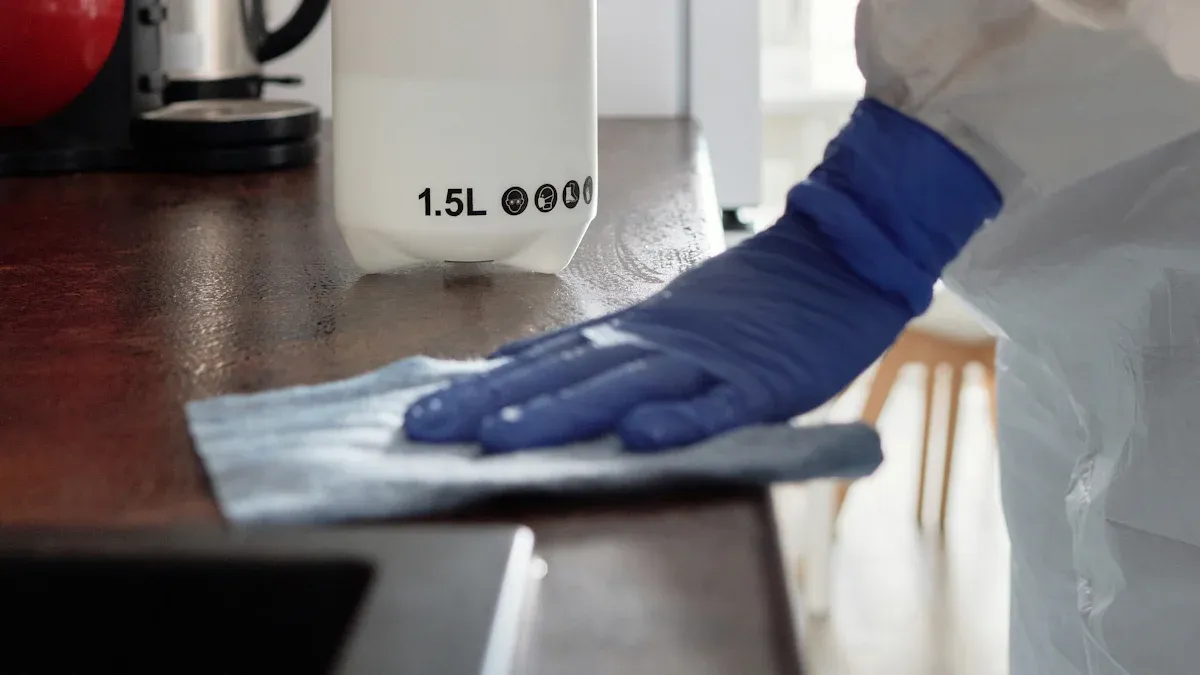
Maintaining a clean lab is crucial for safety and accurate results. For most easy-to-clean materials, daily upkeep is simple. A basic solution of mild detergent and warm water is often sufficient to remove dirt and grime from surfaces like epoxy resin, phenolic resin, and stainless steel. This first step of cleaning is essential before any disinfection process begins.
Following the manufacturer's instructions is the most important rule for surface care. Each material has specific tolerances. The manufacturer provides the best guidance on which cleaning agents to use and how long they should remain on the surface. These guidelines help prevent accidental damage and ensure the longevity of the lab countertops.
Caution: Always avoid abrasive powders, steel wool, and harsh household cleaners. These products can create micro-scratches on the surface. Scratches not only dull the finish but also create tiny crevices where bacteria and contaminants can hide. This is especially critical in sensitive environments where preventing contamination is the top priority.
Proper training ensures that all staff members understand the correct cleaning protocols. Educating the team on these procedures is a key part of maintaining a safe workplace. Training should cover:
Using the right cleaner for each specific material.
Following correct dilution ratios and contact times.
Wearing appropriate personal protective equipment (PPE).
Understanding the difference between cleaning and disinfecting.
A well-informed staff is the best defense against surface damage and contamination. Consistent and correct cleaning preserves the integrity of easy-to-clean materials, ensuring the lab remains a safe and efficient environment for everyone.
Comparing Easy-to-Clean Materials
Choosing the right countertop involves comparing key performance factors. Each material offers a unique combination of resistance, durability, and cost. Understanding these differences helps labs select the best surface for their specific needs.
Chemical Resistance
A material's ability to withstand chemicals is critical in a lab. Epoxy resin provides excellent resistance to a wide range of acids, solvents, and other corrosive substances. However, certain concentrations of hydrofluoric acid can damage it. Stainless steel has good chemical resistance, but strong acids and chlorides can cause corrosion over time. Chemical-resistant laminate handles many chemicals well but cannot withstand strong acids.
Durability and Heat Tolerance
Lab surfaces must endure daily wear and tear. Phenolic resin offers exceptional high-temperature resistance, making it suitable for heat-intensive tasks. High-temperature epoxy can also handle heat exceeding 350°F (175°C). In terms of physical durability, both epoxy and phenolic resins resist impacts and scratches well.
Durability Note 📝 Stainless steel is very durable but can dent upon impact. Chemical-resistant laminates have lower durability and are more susceptible to chipping and scratching.
Porosity and Hygiene
Hygiene is essential for preventing contamination. Stainless steel is a top choice for sterile settings like medical and microbiology labs. Its non-porous surface has very few grooves, which stops bacteria from accumulating and makes it simple to clean. Epoxy and phenolic resins are also non-porous easy-to-clean materials that do not support bacterial growth, making them excellent for many hygienic environments. These easy-to-clean materials ensure a safe workspace.
Overall Cost
Budget often plays a major role in material selection. Phenolic resin is generally more affordable than stainless steel, offering a great balance of performance and value. Epoxy resin and stainless steel represent a higher initial investment but provide superior performance in demanding applications. Chemical-resistant laminate remains the most budget-friendly option for labs with light-duty needs.
Choosing the right lab surface is a critical decision. Epoxy Resin offers maximum chemical resistance for harsh environments. Phenolic Resin provides excellent all-around performance and value. Stainless Steel delivers ultimate sterility for hygienic applications.
Labs should select a material based on their specific chemical usage, hygiene protocols, and budget. This careful choice ensures a safe, durable, and easily maintainable workspace. A well-chosen surface will withstand modern cleaning demands and support a sustainable lab design for years to come.
FAQ
Which material is the easiest to clean?
Stainless steel is the easiest material to clean and sterilize. Its non-porous surface has no grooves for germs to hide. This quality makes it the top choice for medical labs and cleanrooms where absolute hygiene is necessary.
How do I remove a tough stain?
The removal method depends on the material. For phenolic resin, a small amount of acetone works on organic stains. For stainless steel, a non-abrasive cleaner is effective.
Important: Always check the manufacturer's guide before trying to remove a tough stain to avoid damaging the surface.
Can I use bleach to disinfect my lab counter?
Staff should avoid using bleach on most lab surfaces. Bleach can damage epoxy, phenolic, and laminate finishes. It also causes corrosion on stainless steel. Use 70% isopropyl alcohol or another approved disinfectant for safe cleaning.
What is the most durable material for a busy lab?
Phenolic and epoxy resins offer excellent durability. They resist impacts, scratches, and heat very well. Stainless steel is also durable but can dent. The best choice depends on the lab's specific activities and potential for heavy use.