Perceived luxury it's not just about the art


Visitors often feel a sense of quality in a museum or lab. This feeling comes from details they may not consciously notice. These subconscious cues shape the entire experience. High tolerance, or precise fits, creates seamless surfaces. Superior edge-polish adds a refined finish. These elements create a powerful sense of perceived luxury.
This level of detail is a deliberate language of craftsmanship. It communicates an institution's deep commitment to excellence in every component. The perceived luxury of a space is built on this foundation of precision.
Tolerance and its impact on perceived luxury

Tolerance is the acceptable amount of variation in a measurement. In high-end manufacturing, this variation is incredibly small. A tight tolerance means components fit together almost perfectly. This precision is a quiet but powerful signal of quality. It forms the foundation for an environment that feels intentionally crafted and inherently valuable.
Creating invisible frames in galleries
Modern galleries often use frameless glass vitrines to display artifacts. High tolerance makes this possible. When glass panels meet with near-perfect alignment, the seams between them seem to disappear. This technique removes visual barriers between the visitor and the art. The glass enclosure becomes an invisible frame, creating an immersive "floating artifact" experience. The viewer's eye is drawn directly to the object, fostering a deeper connection.
Many world-class institutions use this approach to enhance their exhibits.
- The Cooper Hewitt Smithsonian Design Museum uses all-glass cases for its temporary displays.
- Boston's Museum of Fine Arts features frameless showcases for maximum transparency.
- The British Museum installed dozens of frameless cases to improve the legibility of its treasures.
Achieving this level of precision is a significant technical challenge. Manufacturers must adhere to strict tolerances throughout the fabrication process, from initial cutting to final assembly. These industry specifications show how little room for error exists.
| Process | Glass Thickness | Tolerance |
|---|---|---|
| Cutting | 1/8” to 1/4” (3-6 mm) | +/- 1/16” (+/- 1.5 mm) |
| Hole Drilling | 3/8” to 3/4” (10-19 mm) | +/- 1/8” (+/- 3 mm) |
| Custom Color | Color Matching | within 0.05 tolerance |
These numbers reveal a commitment to precision that goes far beyond what is simply functional. It is a deliberate choice to create a seamless and sophisticated aesthetic.
Implying accuracy in labs and education
The principle of high tolerance extends beyond galleries into scientific and educational settings. In a laboratory, precisely fitted cabinetry and seamless countertops do more than look clean. They imply a sterile, controlled, and accurate environment. This inspires confidence in the work being conducted there.
This effect is also present in educational spaces. The design of a learning environment has a measurable impact on student outcomes. Research shows a direct link between how students perceive their environment and how they engage with their studies.
- Students' perceptions of their educational environment directly predict their learning engagement.
- Positive perceptions strongly affect emotional, behavioral, and cognitive engagement.
- Cognitive and behavioral engagement, in turn, significantly predict overall academic achievement.
A well-designed space with tight fits and finishes communicates care and investment. It tells students that their education is a priority. This makes investment in high-quality construction a fundamental commitment to educational excellence, not just an aesthetic upgrade.
The psychology of a perfect fit
The human brain is wired to appreciate order and completeness. We subconsciously react to a perfect fit because it satisfies our mind's desire for wholeness. This concept is explained by Gestalt psychology, which states that an organized whole is perceived as more than the sum of its parts. Our minds naturally fill in gaps to see a complete picture, a principle known as closure. A seamless joint in a display case or a perfectly aligned door creates a sense of visual satisfaction and completeness.
This flawless execution becomes a silent ambassador for an institution's brand. The absence of friction and the perfect calibration of every component contribute to a powerful feeling of quality.
Luxury is not just a visual effect. It is a 'lived experience.' A door that closes perfectly or a drawer that glides effortlessly contributes to this perception. These details prevent the 'wow effect' from being ruined by small flaws.
Ultimately, the precision of these fits acts as a strategic lever that supports the entire experience of perceived luxury. It is a non-verbal message of quality understood instantly by every visitor.
Edge-polish as a signal of quality
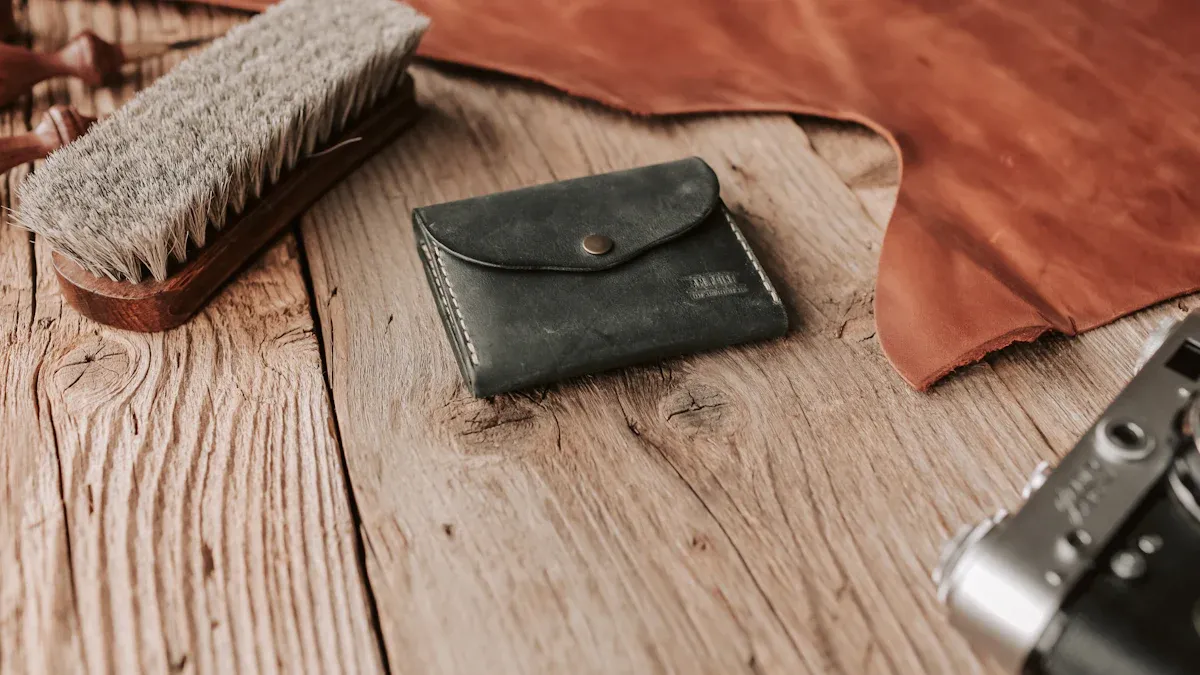
While high tolerance is a product of machine precision, superior edge-polish often introduces a layer of human craftsmanship. This finishing touch transforms a simple material into a statement of quality. The way an edge is treated speaks volumes about an institution's attention to detail. It is a subtle but critical element in building an atmosphere of perceived luxury.
The visual effect of polished edges
A polished edge has a powerful visual impact because it controls how light interacts with a material. Architects and designers use this effect to make surfaces appear clearer and more refined. A flat polished edge, for example, provides a clean, sleek appearance that elevates the final presentation. The glossy finish creates clean lines that contribute to a modern and understated aesthetic.
Different polishing techniques achieve distinct visual goals. Each type of edge serves a specific purpose, from basic function to high-end display.
| Edge Type | Appearance | Safety Level | Best Use Case |
|---|---|---|---|
| Flat Polished Edge | Modern, flat | High | Desks, shelves, tables |
| Pencil Polished Edge | Rounded, smooth | Very High | Kitchen, family, patio tables |
| Seamed Edge | Basic, raw | Moderate | Invisible glass, budget projects |
A seamed edge is simply made safe to handle and is used where edges are hidden. A flat or pencil polished edge, however, is designed to be seen. The smooth, reflective surface catches the light, adding a touch of sophistication. In a museum vitrine, this perfect edge helps the glass seem to vanish, focusing all attention on the artifact inside.
The tactile experience of refinement
Luxury is an experience that engages multiple senses, especially touch. The tactile characteristics of a surface heavily influence our perception of its quality. Smooth, sleek materials like glass and polished metal are often used in modern design to create a feeling of cleanliness and sophistication.
The selection of materials is crucial for enhancing the tactile experience. High-quality materials and pleasant textures communicate durability and craftsmanship, justifying a premium feel.
This principle is clear when one runs a hand over a perfectly finished countertop or handrail. Machine-polished surfaces offer uniformity. Hand-finished pieces, in contrast, possess unique textures and subtle variations that reflect an artisan's skill. This human touch gives the surface an authentic character. It invites interaction and reinforces a sense of value that comes from genuine care and origin. The smooth glide of a hand across a polished surface is a non-verbal cue of quality.
Communicating durability and care
A polished edge does more than just look and feel good; it communicates an institution's commitment to durability and safety. The process of creating a polished edge removes sharp corners and imperfections. A pencil polished edge, with its soft, rounded profile, is especially safe and is often used in high-traffic areas. This detail shows a deep level of care for the visitor's experience.
This finish also implies strength. A raw, unfinished edge can suggest a material is fragile or was part of a low-budget project. A smooth, expertly polished edge sends the opposite message. It suggests the material is robust and that the institution invested in high-quality fabrication. This careful finishing builds subconscious trust, assuring visitors that the environment is not only beautiful but also solid, safe, and built to last.
Synergy: When tolerance and polish unite
Tolerance and edge-polish are powerful on their own. When they work together, they create a synergy that transforms an entire space. This combination of machine precision and refined finishing produces an environment where quality is not just seen but felt.
A seamless and sophisticated aesthetic
The union of high tolerance and superior edge-polish creates a flawless aesthetic. Consider a frameless glass museum vitrine. High tolerance allows glass panels to meet with near-invisible seams. A perfect edge polish then makes the material itself seem to disappear. This combination directs all attention to the artifact inside, creating a unified visual experience.
Designers aim for this effect to hide the technical aspects of construction. The goal is to present a clean, harmonious whole.
This approach is like the difference between a cheap car and a luxury car. In a luxury vehicle, all the technical elements are hidden under an elegant finish. The whole car creates a coherent, harmonious feeling.
This seamlessness makes every corner of a space a testament to exquisite craftsmanship.
Building institutional trust
Meticulous construction details build subconscious trust with visitors. When every component fits perfectly and every edge is smooth, it sends a message of quality and credibility. Visitors form both conscious and unconscious opinions about an organization based on their experience. Flawless execution impresses them and establishes the institution's authority.
This phenomenon relates to a cognitive bias called the halo effect.
- The halo effect is when a positive impression in one area influences feelings in other, unrelated areas.
- High-quality manufacturing details create a positive halo.
- Visitors may then assume the institution's research, curation, and mission are also of high quality.
Small deficiencies can suggest shoddy workmanship, but perfect details signal thoroughness and respect.
Elevating the entire environment
These small details collectively elevate the perceived value of an entire architectural space. A perfectly executed mitered edge can make two pieces of stone look like a single, solid block. Similarly, tight seams and polished edges in a display case or countertop create a seamless visual impact. These details communicate intentional design.
This level of finish contributes to a refined look that allows architectural features and exhibits to stand out. The combination of tight fits and smooth surfaces creates an atmosphere of sophistication. This investment in precision significantly raises the perceived luxury of the entire property, making the environment feel both inviting and meticulously curated.
The feeling of perceived luxury is built upon flawless details. High tolerance and superior edge-polish are more than just aesthetic choices. They act as a non-verbal language.
These elements communicate an institution's high standards, investment, and deep commitment to excellence.
For museums and labs, investing in this manufacturing precision is an investment in their brand. It sends a clear message of quality that every visitor understands instantly and subconsciously.
FAQ
Why does high tolerance matter in design?
High tolerance ensures components fit together perfectly. This precision eliminates gaps and misalignments. The result is a seamless aesthetic that communicates superior quality and expert craftsmanship to every visitor. It forms the foundation of a sophisticated environment.
What separates tolerance from edge-polish?
Tolerance is a measure of machine precision for perfect fits. Edge-polish is a finishing process, often involving hand craftsmanship. One creates structural seamlessness, while the other adds visual and tactile refinement. Both are crucial signals of quality.
How do visitors notice these small details?
Visitors perceive these details subconsciously. A perfect fit or smooth edge creates a feeling of order and completeness. This non-verbal communication builds trust and elevates their overall impression of the institution's quality and care.
This flawless execution becomes a silent ambassador for an institution's brand. It sends a clear message of quality that visitors understand instantly.
Is investing in precision a practical choice?
Yes, it is a strategic investment. These details communicate an institution's commitment to excellence. This builds brand trust and elevates the perceived value of the entire environment, justifying the initial cost through long-term brand enhancement.