Supermarket & C-Store Compliance Checklist

Use this compliance checklist as an essential tool. It helps you mitigate risk and maintain legal compliance. Your business plan, especially when learning how to start a convenience store, must prioritize fixture safety. This checklist guides your focus on three core areas:
Key Focus Areas: Material Safety, Structural Integrity, and Shopper/Employee Safety.
Regular audits with this checklist support your compliance efforts. Using this checklist builds a safe environment that protects everyone and enhances your store's reputation.
Material Compliance Checklist
The materials you choose for your fixtures directly impact safety, longevity, and compliance. Your convenience store equipment must be made from appropriate materials to withstand daily retail demands. This part of the compliance checklist helps you verify that your fixtures meet key material standards.
Verify Material Durability
You must ensure your fixtures can handle a busy retail environment. Metal shelving, especially steel, offers excellent strength and durability. Look for high-quality materials like Q235 powder-coated steel. This material resists damage from heavy loads and moisture. Industry standards provide a great benchmark for safety.
- Shop! Association Standards offer guidance on retail fixture quality.
- Retail Dive Store Design Reports provide insights into durable materials.
- UL 970 is a key standard for retail fixtures that focuses on safety requirements.
Using this checklist helps you select materials that last.
Confirm Food-Safe Finishes
Proper hygiene is critical in food retail. You must confirm that any surface touching food is safe. The FDA Food Code section 4-1001.11 outlines rules for food-contact surfaces. Any material must be authorized by the FDA. This checklist item ensures you prevent food contamination.
Tip: For wood fixtures like bakery displays or produce bins, use FDA-approved finishes. Options include pure linseed oil, certain epoxy coatings, and other products certified for food contact under FDA regulation 21 CFR 175.300.
Check Fire-Retardant Properties
Fire safety is a non-negotiable aspect of store compliance. Your fixture materials must meet fire-rating standards like ASTM E84 or UL 723. These standards measure a material's Flame-Spread Index (FSI) and Smoke-Developed Index (SDI). Materials are rated as Class A, B, or C.
| Classification | Flame-Spread Index (FSI) | Smoke Development Index (SDI) |
|---|---|---|
| Class A | 0-25 | 450 Maximum |
| Class B | 26-75 | 450 Maximum |
| Class C | 76-200 | 450 Maximum |
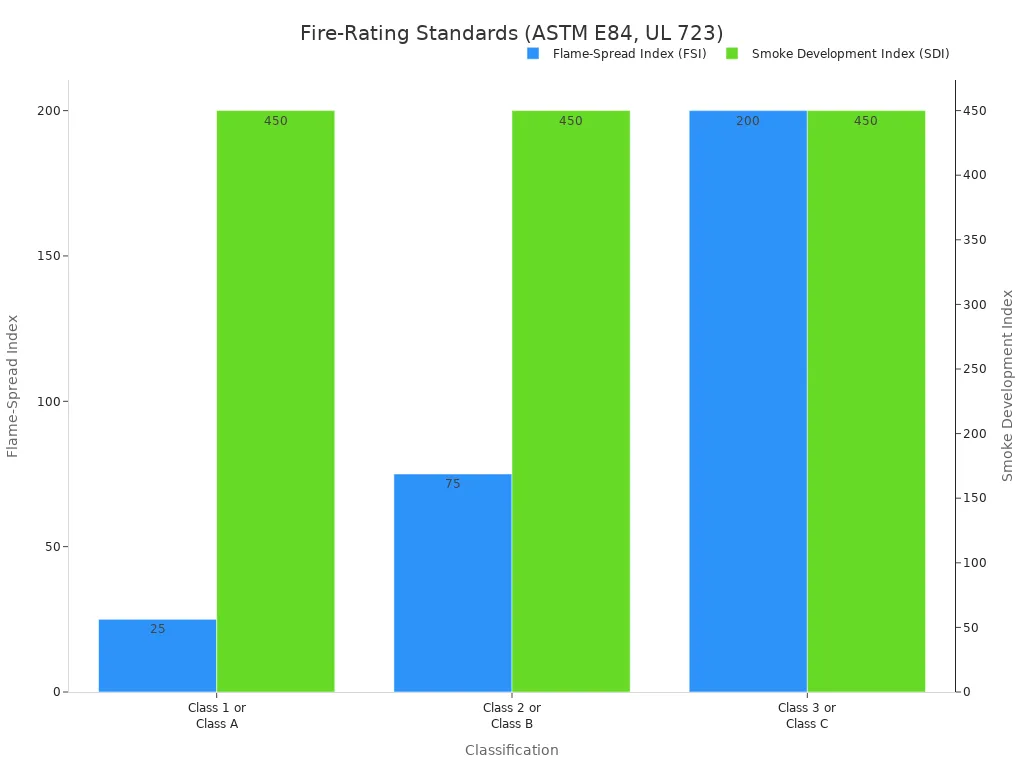
Always verify these ratings for wall panels, shelving, and ceiling finishes.
Assess Resistance to Wear and Tear
Your fixtures face constant use, from stocking to cleaning. The finishes must resist abrasion and chemicals. This checklist step reminds you to check for durability. Standardized tests measure this resistance.
- Falling Sand Test (ASTM D968): Measures erosion from abrasive particles.
- Scratch Resistance Test (ASTM D7027): Evaluates a coating's ability to withstand scratches.
- Gardner Wet Abrasion Method (ASTM D2486): Tests resistance to scrubbing with cleaning solutions.
Choosing robust finishes reduces maintenance costs and keeps your store looking its best.
Structural Integrity and Installation
Properly installed fixtures are the foundation of a safe retail environment. This part of your compliance checklist focuses on the physical stability of your convenience store equipment. A small oversight here can lead to significant risks.
Ensure Secure Fixture Installation
You must ensure every fixture is installed professionally to prevent tipping. Any shelving unit over 30 inches tall requires secure anchoring. Professional installers should always anchor fixtures directly into wall studs, as drywall alone is not strong enough.
Pro Tip: Use anti-tip straps or L-brackets to connect the top of a shelving unit to the wall. This creates a strong defense against tipping. After installation, test stability by gently pulling the unit to confirm it is secure. This simple checklist step is crucial for safety.
Inspect for Sharp Edges or Protrusions
Your fixtures should not pose an injury risk to customers or employees. You need to run a careful check for any sharp edges, corners, or protrusions. On metal fixtures, look for burrs or unfinished welds. For wood displays, check for splinters or rough, unsanded surfaces. This checklist item helps you identify and correct hazards before an accident occurs.
Confirm Stability and Load Management
Overloaded shelves are a primary cause of fixture failure. You must manage fixture loads to maintain stability.
- Post clear weight limit signs on all shelving units.
- Train your staff to distribute weight evenly.
- Place heavier items on lower shelves.
This simple checklist review prevents sagging shelves and catastrophic collapses.
Routinely Check for Damage
Daily wear and tear can compromise fixture integrity. You should conduct regular inspections to catch problems early. Look for common issues like:
- Sagging or bowing shelves
- Wobbly displays or loose components
- Peeling finishes or visible scratches
- Structural weaknesses like cracks or dents
For high-traffic areas, perform this inspection monthly. For lower-traffic zones, a quarterly check may be sufficient. A consistent inspection checklist ensures your store remains safe.
Daily Operational Safety Checklist

Beyond fixture integrity, your daily convenience store operations play a huge role in overall safety. OSHA requires many businesses to have written safety plans, and this section of your checklist addresses the daily actions that keep your store compliant and secure. A good convenience store management checklist makes these tasks routine.
Maintain Clear Aisle and Egress Paths
You must ensure everyone can move freely and exit safely in an emergency. Your daily convenience store checklist should include verifying that all aisles and exit routes are clear.
- Aisle Width: Maintain a clear width of at least 36 inches in all aisles to meet ADA requirements.
- Egress Routes: Keep exit paths completely unobstructed. OSHA heavily penalizes retailers for blocked exits, as they endanger both employees and customers.
- Signage: Ensure exit signs are visible and that any doors not leading to an exit are clearly marked to prevent confusion.
Check for Trip Hazards and Spills
Slips, trips, and falls are among the most common retail accidents. Your daily checklist must prioritize floor safety and hygiene. You should establish immediate spill cleanup protocols.
Action Plan: When a spill occurs, immediately block off the area with warning signs. Use a proper cleaning and maintenance system, like a dispense-and-vac machine, to completely remove the liquid and contaminants, ensuring the floor is dry.
Ensure Safe Accessibility for Staff
Stocking shelves can pose risks if not done correctly. Your convenience store management checklist must include protocols for safe access to inventory. You should train employees to place heavier items on lower or middle shelves. For reaching high shelves, provide equipment that meets ANSI standards, such as approved mobile ladder stands. This simple checklist step protects your team from falls and strain.
Review Ergonomics for Employee Wellness
Protecting your employees' long-term health is good for business. Your convenience store operations should minimize physical strain. Reviewing ergonomics reduces the risk of musculoskeletal injuries from repetitive tasks.
- Checkout Counters: Use counters with adjustable heights, anti-fatigue mats, and organized layouts to reduce strain on cashiers.
- Stocking Procedures: Train staff on proper lifting techniques and provide tools like hand trolleys to move heavy loads. Rotating tasks among employees can also prevent repetitive stress.
Tobacco & C-Store Compliance
Selling regulated products like tobacco requires strict adherence to federal and local laws. This section of your checklist serves as an educational tool to ensure your convenience store operations remain compliant. A strong business plan must account for these legal responsibilities.
Verify Secure Tobacco Fixtures
You must keep tobacco products secure. Use behind-the-counter fixtures or locked cases for your convenience store equipment. This prevents theft and restricts access, which is a critical step for anyone learning how to start a convenience store. Proper fixtures are a key part of your loss prevention strategy and overall compliance.
Implement Age-Verification Protocols
You must prevent sales to minors. The FDA requires you to check the ID of any customer who appears to be 30 years old or younger. Your convenience store management checklist should include these best practices:
- Train employees to handle difficult point-of-sale situations.
- Provide staff with age verification tools and practice using them.
- Watch for adults attempting to purchase tobacco for underage individuals.
Important Note: Penalties for selling to minors are severe and vary by state. They can include large fines and license suspension. Consistent training is your best defense.
Ensure Secure High-Value Displays
Your security efforts should extend beyond tobacco. High-value items like electronics or spirits are frequent targets for theft. You should invest in high-security display cases. Look for features that deter criminals:
- Reinforced locks resistant to picking or drilling.
- Shatter-resistant polycarbonate glass.
- Tamper-proof hardware and alarm system integration.
Effective convenience store advertising can draw customers in, but secure displays ensure your valuable products stay put.
Maintain Permit and License Records
Proper documentation is non-negotiable. You must maintain detailed records for all permits, licenses, and inventory. Your business plan should outline a system for tracking monthly reports on purchases, sales, and taxes paid. Inaccurate or late reporting can lead to fines. A thorough convenience store management checklist helps you stay organized. Adding this review to your daily convenience store checklist ensures nothing is overlooked.
Using this compliance checklist reduces your liability and builds customer trust. You create a safer environment for everyone. Remember, fixture safety is an ongoing process, not a one-time task. Make this checklist a core part of your preventive maintenance program.
Take Action Now: 🚀 Download the complete checklist or schedule a store-wide fixture audit with your team today!
FAQ
How often should I perform fixture safety audits?
You should conduct daily visual checks in high-traffic areas. Perform more detailed inspections monthly or quarterly. Your business plan should schedule these audits to ensure consistent safety and compliance. This proactive approach protects your store.
What is the most critical compliance area for a new store?
Structural integrity and material safety are top priorities. When learning how to start a convenience store, you must focus on these areas first. A solid business plan addresses fixture safety from day one to prevent accidents.
Can good compliance be part of my marketing?
Yes, absolutely. A safe store builds customer trust and enhances your reputation. You can feature your commitment to safety in your convenience store advertising. Your business plan should include this marketing angle. Effective convenience store advertising highlights safety.
Why is a detailed business plan so important for compliance?
A business plan outlines your safety protocols, maintenance schedules, and compliance strategies. It is your guide for managing legal responsibilities and operational risks effectively. Your business plan acts as your roadmap to ensure long-term success and safety.