A Smart Bulk Order Guide for Hotel Procurement

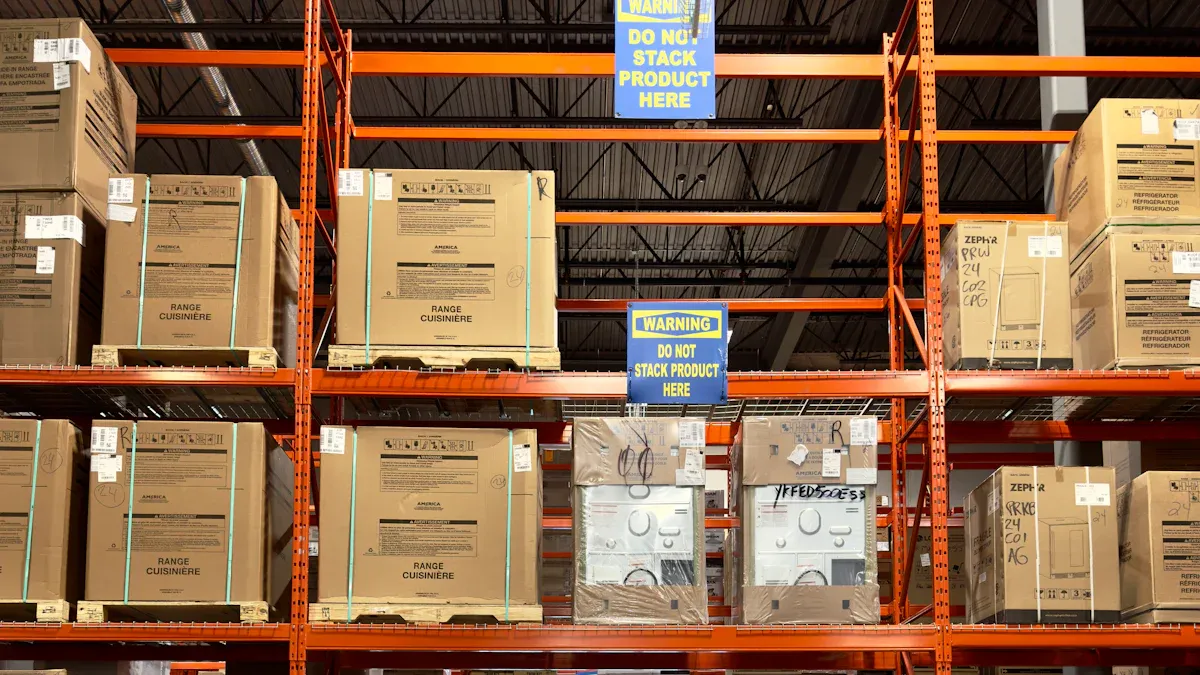
Your success in hospitality depends on a smart bulk order guide. You must master three pillars for every purchase. These are secure payment terms, rigorous quality control, and a clear AQL. Strong quality control protects your investment and brand. This guide empowers you to structure agreements and define inspection points for all items.
You must check every detail. This includes bedding packaging, amenity packaging, food packaging, soap packaging, towel packaging, linen packaging, cutlery packaging, glass packaging, bottle packaging, and box packaging. This ensures your high standards for hospitality are always met.
A Bulk Order Guide to Payment Terms
Your payment structure is the financial backbone of your procurement strategy. A smart bulk order guide helps you choose terms that protect your cash flow and ensure suppliers meet their obligations. You must align payments with performance to safeguard your hotel's investment.
Common Payment Structures
You can negotiate several common payment structures with your suppliers. Understanding each one helps you select the best fit for your order.
- 30/70 Deposit/Completion: You pay 30% upfront and the remaining 70% after the goods are produced and pass inspection. This is a standard for many orders.
- 50/50 for Custom Orders: For custom items, such as branded amenity packaging or unique cutlery packaging, suppliers often require a 50% deposit to cover material costs.
- Net 30/60 for Trusted Partners: You pay the full amount 30 or 60 days after receiving the invoice. You can earn these terms by building a strong, long-term relationship with your suppliers.
- Letter of Credit (L/C): For large international deals, an L/C from a bank guarantees payment to suppliers once they meet specific documentary requirements. This adds security but also complexity and cost.
| Aspect | Advantage | Disadvantage |
|---|---|---|
| Security | Offers security for both you and the seller. | High costs due to bank fees. |
| Risk | Transfers non-payment risk to the bank. | Can cause administrative delays. |
| Guarantee | You get a guarantee the seller will fulfill their side. | Payment is made if documents are correct, not goods. |
Key Negotiation Points
Effective negotiation is key to favorable payment terms. Your goal is to minimize risk and maximize value. Always link your final payment to a successful quality control inspection. This gives suppliers a powerful incentive to meet your standards for everything from towel packaging to linen packaging.
For long-term contracts, you can negotiate smaller deposits. Suppliers are more flexible with partners who provide consistent business. You can prove your value by showing a strong payment history. This history reduces the suppliers' fear of unpaid bills and builds trust. Use this leverage to request staggered payments that improve your cash flow.
Pro Tip: Start with smaller, consistent orders. This helps you build a track record with new suppliers and negotiate better terms over time.
Finally, always clarify who covers transaction fees or currency conversion costs. These small details can impact your budget. A clear agreement on all costs protects your bottom line and strengthens your relationship with suppliers, which is vital for the hospitality industry. This bulk order guide ensures every detail, from soap packaging to box packaging, is covered. Your careful attention to the packaging of items like food packaging and glass packaging reflects your commitment to excellence in hospitality.
Implementing Quality Control Checkpoints

A strong payment plan is only half the battle. You need a robust quality control system to ensure the products you receive match your hotel's standards. Effective quality control protects your brand and prevents costly mistakes. You can implement checkpoints at every stage of production to catch issues early. This process guarantees that everything from the main product to its packaging meets your exact specifications.
Pre-Production & Incoming Material Checks
Your quality control journey begins before mass production even starts. This first stage is crucial for setting the foundation for a successful order. You work with your suppliers to verify that all raw materials and components are correct.
Catching problems here saves you significant time and money. It prevents defective materials from ever entering the production line. Key checks at this stage include:
- Material Verification: You check the quality and compliance of raw materials, like fabric for linens or wood for furniture.
- Component Inspection: You verify that all smaller parts, from buttons to screws, meet your specifications.
- Setup Check: You ensure the suppliers have calibrated their machinery correctly for your production run.
You should require suppliers to provide a 'Certificate of Analysis' (CofA) for raw materials. This document confirms the material's quality and includes details like the lot number, product description, and test results. This is a non-negotiable part of good quality control.
Your suppliers must also demonstrate traceability. This means they can track all materials back to the date and shift of manufacture using a lot number. This is vital if a defect is found later. You have the right to audit your suppliers' facilities to evaluate their materials, processes, and documentation. This ensures they comply with your standards for everything, including the packaging for your amenities.
In-Process & End-of-Line Inspections
Once production begins, you must monitor it closely. In-process and end-of-line inspections help you spot defects as they happen. This prevents an entire batch from being ruined by a single recurring error.
Your inspectors should check the first items off the production line against your approved sample. This is called a First Article Inspection (FAI). If the first products are perfect, the suppliers can proceed with mass production. During the run, you should conduct regular checks. For hotel linens, common defects include:
- Tearing: Weakened fabric can tear easily in laundry machines or on bedframes.
- Staining: Makeup, shoe polish, or spills can cause permanent stains.
- Aggressive Washing: Incorrect wash cycles can accelerate wear and tear.
- Product Misuse: Guests might use towels for unintended purposes, like polishing shoes, causing irreversible damage.
At the end of the production line, you perform another check. You inspect the final assembled products before they are prepared for packaging. This is your last chance to catch assembly errors before the items are boxed up. A good packaging partner will also have their own quality control for the packaging itself.
Pre-Shipment & Loading Inspections
The Pre-Shipment Inspection (PSI) is the most critical quality control checkpoint for you as the buyer. You conduct this inspection when the order is 100% complete and at least 80% packed. It is your final opportunity to identify issues before you make the final payment and the goods are shipped.
A PSI follows a clear, multi-step process.
| Step | Action | Purpose |
|---|---|---|
| 1. Quantity Verification | Count the products and shipping cartons. | Confirms you are receiving the correct quantity. |
| 2. Random Selection | Use a statistical method like AQL to select a random sample. | Ensures the sample accurately represents the entire batch's quality. |
| 3. Cosmetic & Workmanship Check | Examine samples for defects like scratches, poor stitching, or stains. | Verifies the product's appearance and build quality. |
| 4. Conformity Verification | Check product size, weight, materials, and labeling against your specs. | Guarantees the product matches your purchase order. |
| 5. Function & Safety Tests | Perform physical tests to assess durability and safety. | Ensures the product works as intended and is safe for guest use. |
Important: The random sampling process is guided by international standards like ISO 2859-1. This method, known as Acceptance Quality Limit (AQL), helps you make an informed decision to accept or reject the entire batch based on the sample's quality. You will learn more about AQL in the next section.
Finally, you should oversee the container loading. An inspector verifies the container is clean, dry, and structurally sound. They also check the packaging, carton weight, and shipping marks. Proper loading with security measures like straps or nets ensures your products, from furniture to amenity packaging, arrive without damage. This final step protects your investment and upholds the standards of your hospitality brand. The right suppliers will understand the importance of secure packaging for the hospitality industry.
Applying AQL Standards
Your quality control process needs a clear, statistical method. You can use Acceptance Quality Limit (AQL) to make smart decisions. AQL is a system that helps you check a random sample from a large order. It tells you the maximum number of defects you can accept before rejecting the entire batch. This method protects your investment and ensures your suppliers meet your standards.
What is AQL?
AQL stands for Acceptance Quality Limit. It is the worst quality level that you find tolerable. You set different AQLs for three types of defects. This helps your suppliers understand your quality expectations for every product, including its packaging.
| Defect Type | Description | Example |
|---|---|---|
| Critical | A defect that could harm a user. | A sharp edge on cutlery packaging. |
| Major | A defect that makes the product unusable. | A hotel towel with a large tear. |
| Minor | A small issue that does not affect use. | A tiny scratch on soap packaging. |
AQL originated with the U.S. military. They needed a fast way to inspect bullets during World War II without testing every single one. Today, it is a global standard used across many industries.
Reading an AQL Table
You use AQL tables to find your sample size and acceptance numbers. First, you find your total order quantity (lot size) and choose an inspection level. This gives you a code letter. You use this letter on a second table to find how many units to inspect.
The table then shows you the maximum number of defects allowed for your chosen AQL. For example, you might set these AQLs for your suppliers:
- Critical Defects: 0%
- Major Defects: 2.5%
- Minor Defects: 4.0%
If your inspection finds more defects than the AQL allows, you can reject the entire order. This gives your suppliers a clear target for the quality of the product and its packaging. The right packaging is essential.
Integrating AQL into Purchase Orders
You must include your AQL standards in every purchase order. This makes your quality requirements a legal part of your agreement with suppliers. Clearly state the AQL percentage for critical, major, and minor defects. This ensures your suppliers know the rules before production starts.
If a shipment fails an AQL inspection, you have several options. You can reject the whole order. You can also ask the suppliers to fix the defects and re-inspect the batch. If suppliers consistently fail to meet your AQL for product or packaging quality, you may need to find new suppliers. This protects your brand's reputation in the hospitality industry. Good suppliers understand the importance of quality packaging, from amenity packaging to cutlery packaging, and will work to meet your standards. The right packaging, including box packaging and bottle packaging, reflects your hotel's quality. Your suppliers must deliver perfect food packaging and glass packaging.
You can create a robust procurement system with this bulk order guide. It combines smart payments, rigorous quality control, and clear AQL standards. This framework can reduce financial losses by up to 54%. You ensure every product and its packaging, including amenity packaging, soap packaging, towel packaging, linen packaging, cutlery packaging, glass packaging, bottle packaging, box packaging, and food packaging, meets your high standards. Apply this quality control framework to your next purchase. Safeguard your investment and elevate your brand's excellence in hospitality. This bulk order guide is essential for success in the hospitality industry.
FAQ
What is the best payment term for a new supplier?
You should start with a 30/70 payment structure. You pay a 30% deposit upfront. You pay the final 70% only after the goods pass your quality inspection. This term protects your investment while you build trust with the new partner.
Why is Pre-Shipment Inspection (PSI) so important?
The PSI is your final check before payment and shipping. You can catch defects and verify quantities at this stage. It is your last chance to reject a bad batch before it leaves the factory, saving you from costly returns and brand damage.
What happens if an order fails the AQL inspection?
You have several options if an order fails your AQL standards.
- You can reject the entire shipment.
- You can ask the supplier to rework the defective items.
- You can negotiate a discount for accepting the goods. Your purchase order should clearly state these options.
Can I use this guide for small orders too?
Yes, you can adapt this guide for any order size. 👇
For smaller orders, you might perform the quality checks yourself instead of hiring an inspector. The core principles of clear payment terms, quality checkpoints, and defined standards always protect your hotel's investment and reputation.