Simple Steps to Clean Acrylic Table for Shine

Want your acrylic table to look as stunning as the day you got it? You don’t need fancy products or complicated routines to clean acrylic table surfaces. Many people think acrylic is fragile or tough to maintain, but that’s not true. Acrylic is actually durable and easy to care for with gentle cleaning and the right techniques. Here’s what most owners run into:
Cloudiness from using harsh products
Worry about scratches
If you know how to clean acrylic, you can keep it looking clear and bright for years.
Clean Acrylic Table
How to Clean Acrylic
You want your acrylic table to shine, right? The good news is that you don’t need fancy products or complicated routines. You just need the right cleaning techniques and a little patience. Here’s a simple step-by-step guide to help you clean acrylic table surfaces and keep them streak-free:
Dust First: Start by gently dusting the table with a soft microfiber cloth or an air blower. This removes loose dirt and prevents scratches.
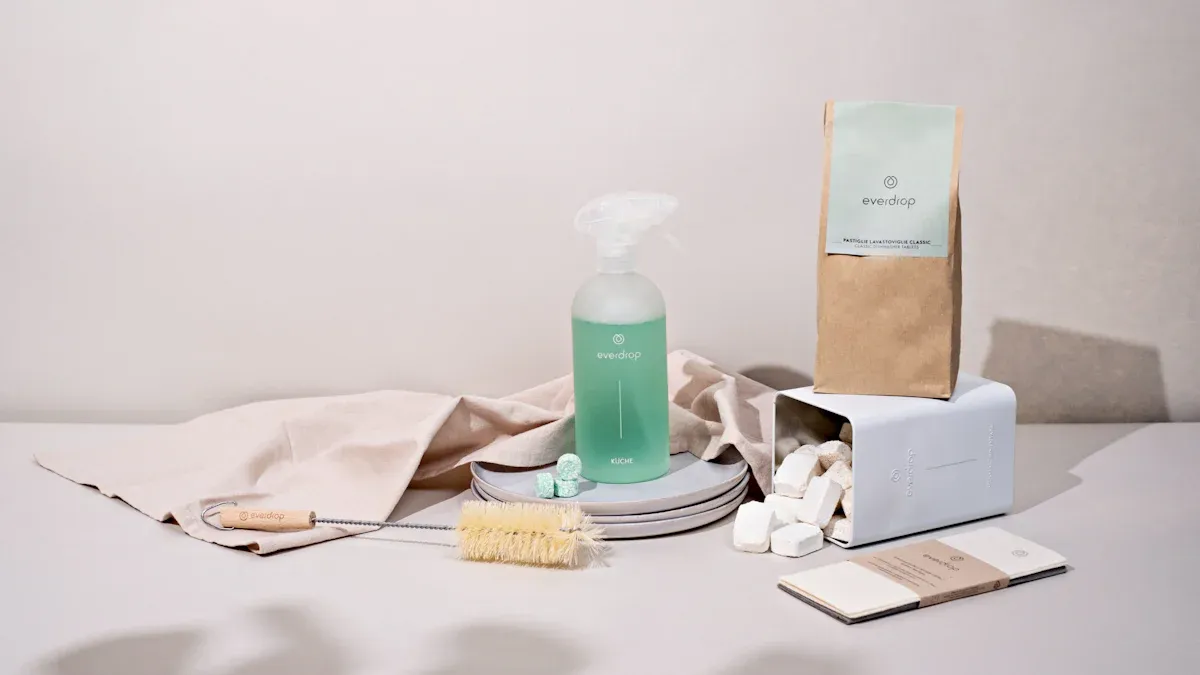
Mix Your Cleaning Solution: Fill a spray bottle with warm water and add a few drops of mild, pH-neutral dish soap. Shake it gently to mix.
Spray Lightly: Mist the cleaning solution onto the acrylic surface. Don’t soak it—just a light spray will do.
Wipe Gently: Use a clean microfiber cloth to wipe the surface in small, circular motions. Don’t press too hard. Rinse your cloth often to avoid spreading dirt.
Dry for Shine: Take a second dry microfiber or lint-free cloth and buff the table dry. This step helps prevent water spots and leaves your table looking glossy.
Tip: Always clean one small area at a time. This way, you avoid letting the cleaning solution dry on the surface, which can cause streaks.
If you want extra shine, you can use an acrylic-safe polish like Brillianize or Novus. Apply a small amount to a clean microfiber cloth, rub in circles, and buff away any residue. Your table will look crystal clear!
Tools and Products to Use
Choosing the right tools and products makes a big difference when you clean acrylic surfaces. Here’s what you should have on hand:
Tool/Product | Why Use It? |
|---|---|
Microfiber cloth | Soft, non-abrasive, and perfect for dusting |
Mild dish soap | Cleans without damaging acrylic |
Spray bottle | Helps you apply the cleaning solution evenly |
Prevents water spots and streaks | |
Acrylic-safe polish | Restores shine and clarity |
Air blower (optional) | Removes dust from hard-to-reach spots |
Always use soft, non-abrasive cloths. Microfiber is best because it won’t scratch or leave lint behind.
Mild dish soap is safe for acrylic and effective at removing dirt and fingerprints.
If you want to polish, pick a product made for acrylic. Regular furniture polish can damage the surface.
What to Avoid
Acrylic looks tough, but it can scratch or turn cloudy if you use the wrong products. Here’s what you should never use when you clean acrylic table surfaces:
Ammonia-based cleaners (like regular glass cleaner). These can cause cloudiness and permanent damage.
Abrasive materials such as paper towels, scouring pads, or rough sponges. These will scratch the surface.
Harsh chemicals like bleach, acetone, or strong solvents. These break down acrylic and ruin its shine.
Hard-bristled brushes or steel wool. These leave deep scratches that are hard to fix.
Note: Always dry your table with a lint-free or microfiber cloth. Leaving water to air dry can cause water spots and dull the glossy finish.
If you stick to proper cleaning techniques and use the right products, your acrylic table will stay beautiful for years. Remember, gentle care is the secret to a lasting shine!
Maintain Acrylic Furniture
Regular Cleaning Tips
Keeping your acrylic table looking its best is all about regular maintenance. You don’t have to spend hours on furniture maintenance—just a few simple steps will do the trick. Here’s a quick routine you can follow to maintain acrylic furniture and keep it shining:
Dust your table at least once a week with a soft microfiber cloth. This stops dust from building up and keeps the surface clear.
Every two weeks, clean acrylic furniture with a mild, pH-neutral soap and water. Use a gentle touch and a non-abrasive cloth.
If your table gets a lot of use or sits in a humid room, you might want to clean it weekly. For less-used tables in dry spaces, monthly cleaning works fine.
Always avoid harsh chemicals and rough sponges. These can damage the surface and make it look dull.
Place coasters and mats on your table to protect it from spills and scratches.
After you dust and clean, try using an antistatic cleaner. Wipe the surface with a dry, soft cotton cloth and a product like ALTUGLAS™ Cleaner or Staticide® ESD Safety Shield. These antistatic cleaners help stop dust from sticking, so your table stays cleaner longer.
Product Name | Benefit |
|---|---|
ALTUGLAS™ Cleaner | Reduces dust, safe for acrylic |
Staticide® ESD Safety Shield | Neutralizes static, less dust buildup |
Novus | Cleans and protects acrylic surfaces |
Preventing Scratches
Acrylic care is all about gentle handling. If you want to avoid scratches and keep your table looking new, here are some easy tricks:
Wear cotton gloves when you move or clean your table. This keeps fingerprints and smudges away.
Always use soft, lint-free microfiber cloths for cleaning and polishing. These cloths remove dust and dirt without scratching.
Never use paper towels or rough fabrics. They can leave tiny marks that ruin the shine.
Make routine maintenance a habit. Regular maintenance with the right tools helps your table last longer and look better.
A little acrylic care goes a long way. With these simple furniture maintenance tips, you’ll find that upkeep is easy and your table will stay beautiful for years.
Fix Scratches and Cloudiness
Acrylic Furniture Maintenance
You might notice your acrylic table looking a little dull or cloudy after a while. This happens for a few reasons:
Surface scratches scatter light and make the table look less clear.
Dirt and grime build up, causing a dull appearance.
Using the wrong cleaners, like ammonia-based sprays, can cause chemical reactions that lead to cloudiness.
If you see small scratches or light haze, don’t worry. You can fix most minor problems with the right acrylic furniture maintenance routine. Start by cleaning the surface with mild soap and warm water. Dry it with a microfiber cloth. For light scratches, grab an acrylic polish like Brillianize or Novus #1. Put a small amount on a soft cloth and rub it in gentle circles over the scratch. Wipe away any extra polish and check your progress. This simple step often works wonders for removing scratches and bringing back shine.
Tip: Never use paper towels or rough sponges. These can leave tiny scratches that make cloudiness worse.
Polishing and Restoration
Sometimes, you might find deeper scratches or stubborn cloudiness that regular cleaning can’t fix. Here’s how you can tackle these tougher problems:
Clean the table with warm soapy water and dry it well.
Wet-sand the scratched area. Start with 600 grit sandpaper and move up to 2000 or 3000 grit for a smooth finish. Always keep the surface wet and sand in circles.
After sanding, apply a polishing compound made for plastics. Use a soft cloth and rub in gentle circles.
For large areas, you can use a buffing machine on low speed.
Wipe off any leftover polish with a clean microfiber cloth.
If you still see scratches or haze, repeat the sanding and polishing steps with finer grit.
Warning: Don’t rush or use too much pressure when removing scratches. Using the wrong tools or harsh chemicals can make the damage worse or even ruin your table.
If your table has heavy damage or you feel unsure, you might want to try a professional acrylic restoration kit or ask an expert for help. Regular dusting and gentle cleaning will help prevent future scratches and keep your table looking clear. With a little care, you can keep cloudiness away and enjoy a table that shines like new.
Prevent Damage
Best Practices
You want your acrylic table to last and look great, right? Good news—protecting it is easy if you follow a few smart habits. Here are the best ways to keep your table safe from damage:
Skip harsh cleaners. Never use ammonia-based or glass cleaning products like Windex. These can leave your table cloudy or even cause permanent damage.
Pick the right cleaner. Use solutions made for plastics, such as Brillianize. These products clean safely and help keep the shine.
Use soft cloths. Always reach for a clean microfiber cloth. This gentle fabric removes dust and debris without scratching the surface.
Handle with care. When you move your table, lift it gently. Avoid dragging it across the floor. Use padding or supports if you need to store or transport it.
Protect from heat and sun. Keep your table away from direct sunlight and heat above 100°F (38°C). High temperatures can warp, melt, or discolor acrylic.
Store smart. If you need to put your table away, store it vertically and out of the sun. This helps prevent warping and fading.
Polish for minor scratches. Use an acrylic or plastic polishing kit for small marks. For deeper scratches, ask a professional for help.
Tip: Regular cleaning with mild soap and water keeps dust and fine particles from scratching your table. Try an anti-static spray to stop dust from sticking.
Common Mistakes
Many people make simple mistakes that can ruin an acrylic table. Watch out for these common errors:
Using abrasive materials like scrubbing pads, rough cloths, or paper towels. These scratch the surface and dull the shine.
Ignoring the manufacturer’s instructions. Skipping the care guide can lead to damage you could have avoided.
Rubbing the table dry with force. This can cause tiny scratches that build up over time.
Choosing harsh chemicals or regular glass cleaners. Products with ammonia, alcohol, or solvents break down the protective layer, making your table more likely to scratch, yellow, or oxidize.
Cleaning with superheated water or high-pressure sprays. These can deform or damage the acrylic.
Remember: The wrong cleaning method can shorten your table’s life and ruin its look. Stick to gentle products and soft cloths for the best results.
To keep your acrylic table shining, follow these simple steps:
Clean with mild soap and water, then dry with a clean cloth.
Use only products made for acrylic.
Polish out minor scratches with an acrylic kit.
Protect your table from heat, sunlight, and rough objects.
Make regular care a habit. You’ll enjoy the long-term beauty and clear look of your acrylic furniture for years to come!
FAQ
How often should you clean your acrylic table?
You should dust your acrylic table once a week. For a deeper clean, use mild soap and water every two weeks. If you use your table a lot, clean it more often.
Can you use glass cleaner on acrylic tables?
No, you should not use glass cleaner.
Most glass cleaners have ammonia. Ammonia can make acrylic cloudy or cause damage. Stick to mild dish soap and water for safe cleaning.
What should you do if your acrylic table gets scratched?
Try an acrylic polish like Novus or Brillianize. Rub it gently with a microfiber cloth. For deeper scratches, you may need to sand and polish. If you feel unsure, ask a professional for help.
How do you prevent your acrylic table from turning yellow?
Keep your table out of direct sunlight and away from heat. UV rays and high temperatures can cause yellowing. Use coasters and mats to protect the surface from spills and stains.
Is it safe to use a magic eraser on acrylic?
No, avoid magic erasers.
They act like fine sandpaper and can scratch acrylic.
Always use a soft microfiber cloth for cleaning.