A Simple Bulk Order Guide for Collectibles

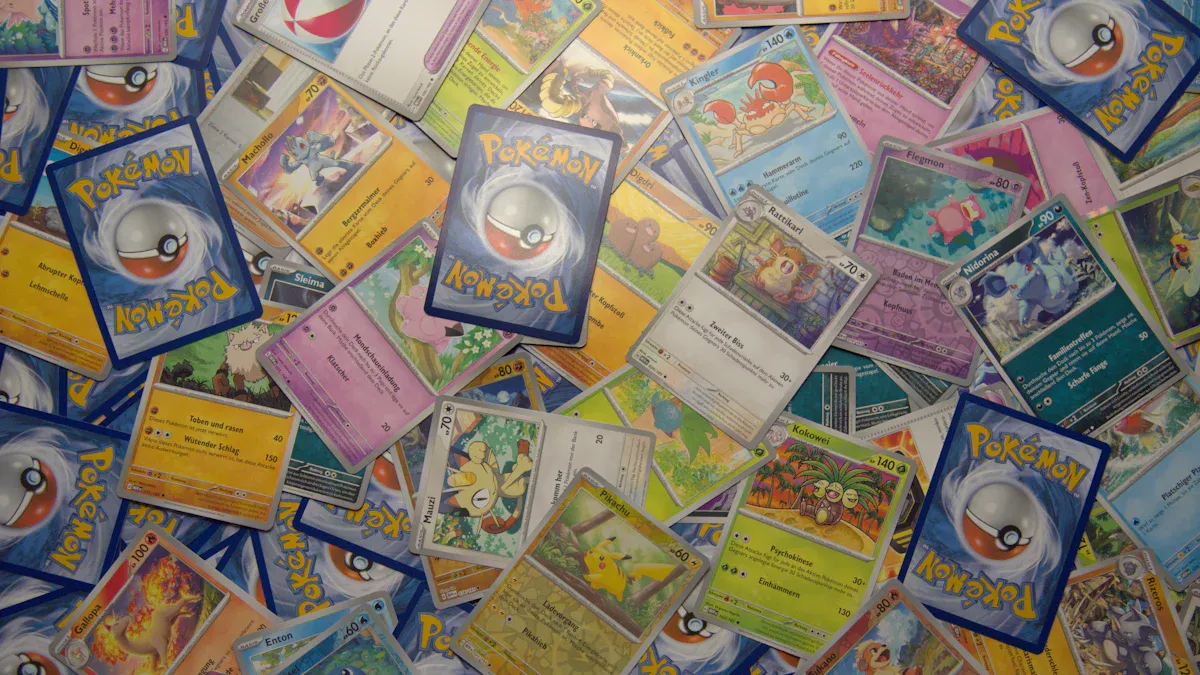
You found a great bulk deal on hot collectible figures. Your excitement builds. Then, fear creeps in. What if the quality is poor? This simple bulk order guide helps you. The collectible market is growing fast, adding huge value to smart bulk buying.
Metric | Value |
|---|---|
Market Size in 2024 | USD 304.5 Billion |
Projected Market Size by 2032 | USD 469.9 Billion |
This step-by-step guide is your playbook. It helps you protect your investment and maximize profits on bulk orders for figures.
The secret to successful bulk ordering involves mastering three key areas:
Payment Terms
Quality Control (QC)
Acceptable Quality Limit (AQL)
Follow this step-by-step guide to scale your business with confidence.
Pre-Order Groundwork
Successful bulk buying begins long before you pay. You need a solid plan. This groundwork helps you find reliable sources and protect your investment. It is the first step toward getting the most value from your purchase.
Sourcing Wholesale Collectibles
You can find wholesale suppliers through industry trade shows and online marketplaces. Many online marketplaces connect you directly with manufacturers for bulk orders. Exploring these online marketplaces is a great way to discover new figures and potential partners. This approach to bulk buying allows collectors to acquire limited editions at a better price. The goal is to find a wholesale source that offers consistent quality and value.
Building Supplier Relationships
A strong relationship with your suppliers is a business asset. Good communication builds trust and ensures mutual success. For a great partnership:
Maintain regular interaction and share feedback.
Pay your invoices on time to build trust.
Show appreciation for good service to encourage loyalty.
Choose suppliers who share your business values.
Vetting for Bulk Collectible Action Figures
You must vet suppliers carefully when purchasing action figures. This is crucial for high-demand collectible action figures. Understanding licensing and authenticity protects you. Use this essential checklist to avoid problems.
Supplier Vetting Checklist:
Check for Authenticity: Real figures have trademarks or serial numbers. An absence of authenticity markings is a major red flag.
Look for Licensing: Proper licensing ensures the collectible is legitimate. Ask for proof of licensing for the figures you order.
Assess Quality: Poor paint, flimsy materials, or inconsistent proportions suggest you should avoid counterfeit products.
Verify Export Experience: Ensure suppliers understand U.S. labeling rules to prevent customs delays. This is key for bulk collectible action figures.
Proper vetting of bulk collectible action figures ensures you receive a valuable, authentic collectible. Many collectors look for specific licensing details on limited editions.
Creating Your Purchase Order
A Purchase Order (PO) is your official contract. It makes your order clear and prevents mistakes. Your PO should include your company details, the supplier's information, and a unique PO number. List each item with its description, quantity, and price. Also, specify the payment terms and the delivery date. This document is vital when purchasing action figures in bulk, as it formalizes your agreement on the figures and their licensing. Understanding licensing and authenticity for limited editions is important for collectors. Many online marketplaces for wholesale goods help you generate these documents. This protects both you and the wholesale supplier.
Negotiating Payment Terms
Smart payment negotiations protect your cash flow. Flexible payment terms are especially important when you are starting out. They help you manage your budget and build trust with suppliers. Your goal is to find a balance that secures your order without tying up all your funds.
Common Payment Structures
You have several payment options when negotiating prices and bulk discounts. Each structure offers different benefits. Understanding them helps you choose the best fit for your business.
Prepayment: You pay the full amount before the supplier ships your order.
Net 30/60: You pay the full invoice within 30 or 60 days after receiving it.
Payment Upon Delivery (COD): You pay in cash when the goods arrive.
Installments: You make smaller payments over an agreed-upon timeline.
The 30/70 Deposit/Balance Split
The 30/70 split is a popular choice for bulk orders. You pay a 30% deposit to start production and the remaining 70% before shipment. This method offers a great mix of security, speed, and low cost.
Method | Security | Cost | Speed | Best for Most Situations? |
|---|---|---|---|---|
100% Advance | Lowest | Low | Fast | No |
30/70 Split | Good | Low | Fast | Yes ✅ |
Letter of Credit | Highest | High | Slow | No |
This split keeps suppliers motivated to meet quality standards. It also gives you leverage since you hold most of the payment until the order is ready.
Using Net 30/60 Terms
Net terms let you pay your invoice within a set number of days, like 30 or 60. This option is excellent for managing your budget during a large bulk buying operation. You can receive and even start selling your collectibles before the full payment is due. This greatly improves your cash flow.
Using Secure Payment Methods
Always use a secure payment method to protect your investment. This is critical when dealing with high-value orders. Escrow services are a fantastic tool for protection.
How Escrow Protects You 🛡️ An escrow service, like Alibaba Trade Assurance, holds your payment. It only releases the money to the supplier after you confirm that you received your order and it meets the agreed-upon terms. If there are issues with your bulk order, the service helps you get your money back.
For very large international orders, a Letter of Credit offers the highest security. It is a guarantee from a bank but is slower and more expensive. Choosing the right method protects your budget from bad suppliers and ensures you get fair prices and the promised bulk discounts.
Mastering QC Checkpoints
Negotiating payment is only half the battle. You must guarantee the quality of your bulk order. Quality Control (QC) is your system for catching defects. You find problems before you send the final payment and the goods ship. This protects your money and your reputation. A good quality inspection process is non-negotiable.
QC for Trading Cards
When you order trading cards in bulk, you need a sharp eye for detail. Small flaws can drastically lower a card's value. You should check for the same issues professional graders look for.
Your Trading Card QC Checklist 🔍
Centering: Is the image centered properly? Look for uneven borders. A 60/40 ratio is acceptable for a mint card, but anything more off-center is a defect.
Corners: Are the corners sharp and crisp? You want to avoid any fraying or rounding.
Edges: Check the sides for any white showing or chipping.
Surface: Look for scratches, print defects like lines or smudges, or stains. The original gloss should be intact.
You can also note specific flaws like Print Defect (PD) or Off-Center (OC) when you communicate with your supplier.
QC for Sneakers
Sneakers require a hands-on inspection. You must check for both authenticity and manufacturing quality. Replicas often have tell-tale signs of poor craftsmanship. Use this table to spot the differences.
Feature | ✅ Good Quality (Authentic) | ❌ Bad Quality (Replica Flaw) |
|---|---|---|
Stitching | Even, tight, and consistent | Sloppy, uneven, or has loose threads |
Logo | Crisp edges, correct placement | Fuzzy edges, off-center, wrong color |
Material | Soft leather or high-grade fabric | Hard, plasticky feel with a chemical smell |
Insole Print | Clear, centered brand logo | Blurred print or uses the wrong font |
Glue | Invisible and neatly applied | Visible glue stains around the seams |
Pay close attention to stitching integrity, color consistency, and structural soundness. These details separate a premium collectible from a cheap knockoff.
QC for Collectible Action Figures
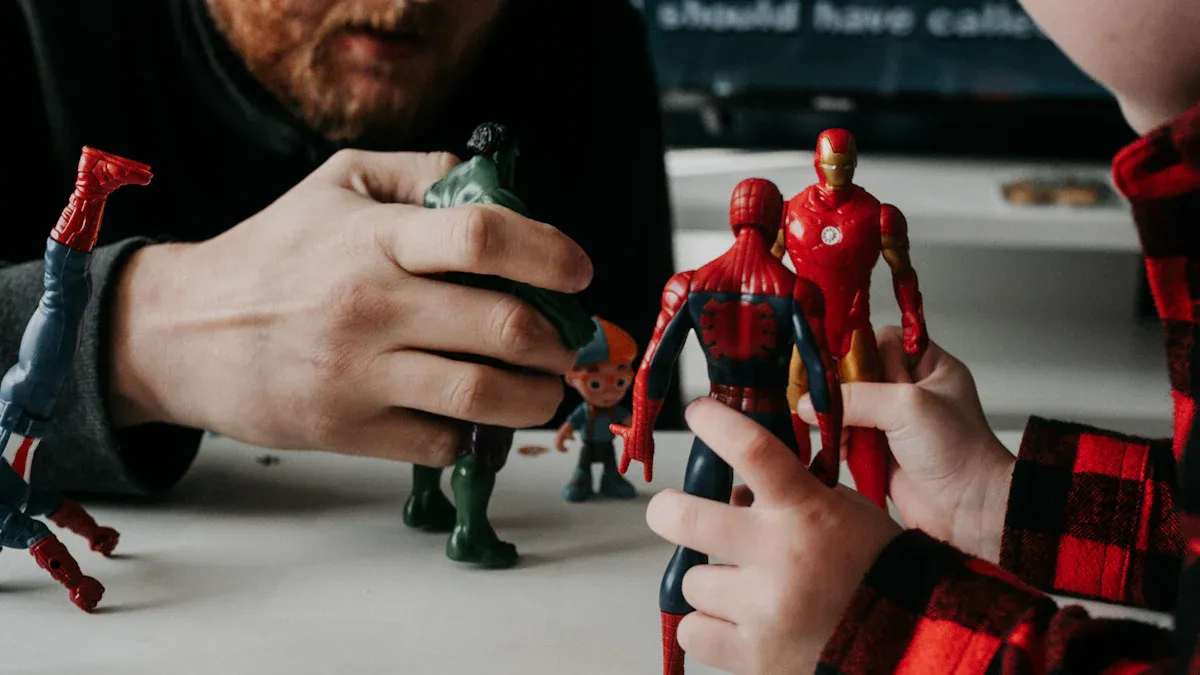
For collectible action figures, your inspection focuses on paint, joints, and materials. Defects can ruin the look and function of the figures. Be aware of common issues that appear in a bulk order.
Paint can bleed or scrape off easily. A common defect is staining from the figure's own fabric outfit, which can sink into the plastic. You should also check for paint that is too thick, as it can clog joints.
Joints are another major point of failure.
Stiff Joints: Forcing parts together during assembly can create stiff joints. This may damage the figures permanently.
Loose Joints: Repeated movement can wear out plastic, making the figures unable to hold a pose.
Broken Joints: Poor materials or manufacturing flaws can cause limbs to snap. This is a critical defect for high-demand collectible action figures.
Carefully examine the paint application and test the articulation on a sample of your figures to ensure they meet your standards.
Pre-Production Sample Checks
Never approve a full production run without first checking a sample. A Pre-Production Sample (PPS) is your first physical look at the collectible. It is your best chance to make changes.
Submit Your Specs: Give your supplier detailed design files, Pantone color codes, and material requirements. Be clear about your expectations.
Define the Goal: Tell the supplier if the sample is for visual review or functional testing. Set a clear deadline for receiving it.
Review the Sample: Inspect the PPS like a customer. Check its dimensions, colors, textures, and moving parts. Stress-test any functional components.
Get Team Feedback: Show the sample to your partners or marketing team. A fresh set of eyes can catch issues you might miss.
Approve or Revise: Use an essential checklist to confirm every detail. If you find problems, send clear notes and photos to your supplier. Request a new sample if the changes are significant.
During Production Inspections
Problems can arise in the middle of production. A During Production Inspection (DPI) helps you catch defects before they affect the entire batch. This proactive step saves you time and money.
Best Practices for DPI 🏭 You should set clear inspection standards from the start. Your supplier needs to know what you consider a defect. Train your inspectors to use the right tools, like calipers for measurements, and document everything. When they find an issue, they must communicate it quickly so the factory can make immediate corrections. Tracking these findings helps you spot recurring problems.
Pre-Shipment Inspections
The Pre-Shipment Inspection (PSI) is your final quality gate. This is your last opportunity to check the order before it leaves the factory and you make your final payment. A thorough inspection at this stage is crucial.
Your final check should cover several key areas.
Inspection Point | What to Check |
|---|---|
Quantity Verification | Count the items to ensure the total number is correct. Confirm the packaging is secure. |
Random Sampling | Select a random portion of the figures to inspect for overall quality consistency. |
Cosmetic & Workmanship | Examine figures for scratches, paint flaws, and misalignments. Classify defects as minor, major, or critical. |
Conformity Check | Verify that dimensions, weight, and labeling match your purchase order and legal standards. |
Function & Safety Test | Test moving parts on collectible action figures or any electronic features to ensure they work correctly. |
After the inspection, you will receive a report with images and a clear pass/fail result. This document gives you the confidence to approve the shipment or the evidence to demand corrections.
Your Complete Bulk Order Guide to AQL
Your final step in quality assurance is setting a clear standard. This bulk order guide introduces you to the Acceptable Quality Limit (AQL). AQL is a statistical method that helps you decide if a bulk order of figures meets your quality expectations by checking a random sample. It is a crucial part of any bulk purchase.
What is AQL?
AQL is a system you and your suppliers agree on. It defines the maximum number of defective items allowed in a batch. If a random sample exceeds this limit, you can reject the entire bulk order. ISO 2859-1 calls it the "quality level that is the worst tolerable."
Understanding AQL Basics 📊
It is a method to check a random sample, not every single item.
It sets the maximum number of defects you will accept.
You set different AQLs for critical, major, and minor defects.
For example, an AQL of 2.5% means you will accept a batch if no more than 2.5% of the figures in the sample are defective.
Reading an AQL Table
You use AQL tables to find your sample size and acceptance numbers. This step-by-step guide makes it simple.
Find Your Lot Size: First, locate your total order quantity (lot size) in the table.
Get Your Code Letter: Move across to the "General Inspection Level" column (Level II is common) to find a code letter.
Find Your Sample Size: Use that code letter in the second table to find how many figures to inspect. For a lot of 5,000 figures, your code is L, and your sample size is 200.
Check Acceptance Numbers: The table shows how many defective figures are acceptable. For a 2.5% AQL, you can accept the lot if you find 10 or fewer major defects in your sample of 200 figures.
Setting Your Collectible AQL
For a collectible, you must set strict quality standards. Defects can ruin value. Here are the industry-standard AQL percentages for a collectible like high-demand collectible action figures.
Defect Type | AQL Percentage | What It Means for Figures |
|---|---|---|
Critical | 0.0% | Unsafe or harmful defects (e.g., sharp edges). Zero tolerance. |
Major | 2.5% | Defects that affect usability or appearance (e.g., broken joints). |
Minor | 4.0% | Small flaws that don't affect function (e.g., a tiny paint smudge). |
Communicating AQL to Suppliers
You must communicate your AQL standards to suppliers before production begins. Include these terms in your purchase order. This makes your quality expectations an official part of your agreement. Discussing AQLs early ensures your suppliers can meet your requirements. Clearly define how you classify defects and how they will be handled. This part of the bulk order guide ensures your suppliers are accountable for the quality of the final product.
Post-Delivery Actions
Your bulk order has arrived. Now you must take the final steps to secure your investment. Post-delivery actions ensure you received what you paid for and help you manage your new inventory effectively. This process is key to getting the most value from your purchase.
Final Goods-In Inspection
You should perform a final inspection as soon as the goods arrive. This check confirms the order's accuracy before you add it to your inventory. A thorough inspection protects you from supplier errors.
Your Final Inspection Checklist ✅
Verify Quantity: Count the cartons to ensure the total number matches your purchase order.
Check Packaging: Inspect boxes for damage. Confirm labels show the correct product information, country of origin, and handling instructions.
Inspect the Figures: Open a random sample of cartons. Visually check the figures for defects like scratches, dirt, or uneven paint.
Test Functionality: Test the moving parts on any collectible action figures. Ensure all joints and accessories work as intended.
Confirm Physical Details: Check that the dimensions, weight, and materials of the figures match your specifications.
Managing a Bulk Order
Proper management of your new bulk stock is essential. Good organization helps you track your assets and prepare them for sale. You can use a simple system to manage your figures.
Use the FIFO Method: "First-In, First-Out" means you sell the oldest stock first. Label your cartons with the delivery date to track them easily.
Organize Your Space: Create a logical layout for your storage area. Place your most popular figures in easy-to-reach locations to speed up order fulfillment.
Track Your Inventory: Use a simple spreadsheet or app to monitor your stock levels. This helps you know when to reorder.
Handling Defective Inventory
You may find some defective figures in your bulk buying shipment. You have several options for handling these items. Your purchase agreement should outline how to resolve these issues.
You can negotiate a solution with your supplier.
Return the Defective Figures: You can ask to send back the damaged items for a refund or replacement.
Request a Discount: You can negotiate an allowance or discount to cover the loss in value.
Sort the Inventory: Ask your supplier to sort the defective figures from the good ones, or agree on a fee for you to do it.
Clear communication and your inspection reports are your best tools. They provide the evidence you need to reach a fair agreement for any flawed figures.
This bulk order guide removes guesswork from your bulk purchases. A systematic approach using payment terms, QC, and AQL minimizes your financial risk. You can now confidently scale your business and increase your profits.
Your Path to Success 🚀
Prepare: Vet suppliers and create your PO.
Negotiate: Secure your cash flow.
Inspect: Guarantee quality with QC.
Define: Set clear standards with AQL.
Following this step-by-step guide prepares you to grow. This bulk order guide is your key to maximizing profits in the expanding collectible market. Use this step-by-step guide for every bulk order.
FAQ
What is the best payment method for a first-time buyer?
You should use a 30/70 payment split. It protects your cash flow. Always use a secure method like an escrow service. This holds your money until you confirm the order quality. It is the safest option for new buyers.
How do I find a good wholesale supplier?
You can find suppliers on online wholesale marketplaces. Industry trade shows are another great option. Always vet potential partners carefully. Check their business licenses, export experience, and reviews from other buyers to ensure they are reliable.
What if I receive more defects than my AQL allows?
You can reject the entire shipment. Your AQL agreement gives you this right. Contact your supplier immediately with the inspection report. You can then negotiate for a replacement, a discount, or a return. Your report is your proof.
Do I really need to inspect every single item?
No, you do not inspect every item. AQL uses a random sample. This statistical method gives you a reliable overview of the entire batch's quality. It saves you time and money while still protecting your investment from major quality issues.