The Benefits of Using Glass in Shadow Box Frames: Why It Matters

Welcome! Why Material Matters When Showing What You Love
Whether you’re a proud collector, a DIY home decorator, or managing displays for a brand, how you protect and present your valued items truly matters. Ever wondered why museums, galleries, and passionate hobbyists invest in high-quality materials for their display boxes? Or found yourself lost when faced with the choice of glass versus alternative covers? You’re in the right place.
This beginner-friendly guide breaks down everything you need to know about the role of glass in shadow box frames, how it stacks up versus acrylic and other options, and when each makes sense for your needs. By the end, you’ll have the confidence to pick the best material for preserving, displaying, and celebrating what matters most to you.
1. What Is a Shadow Box? (And Why Use One?)
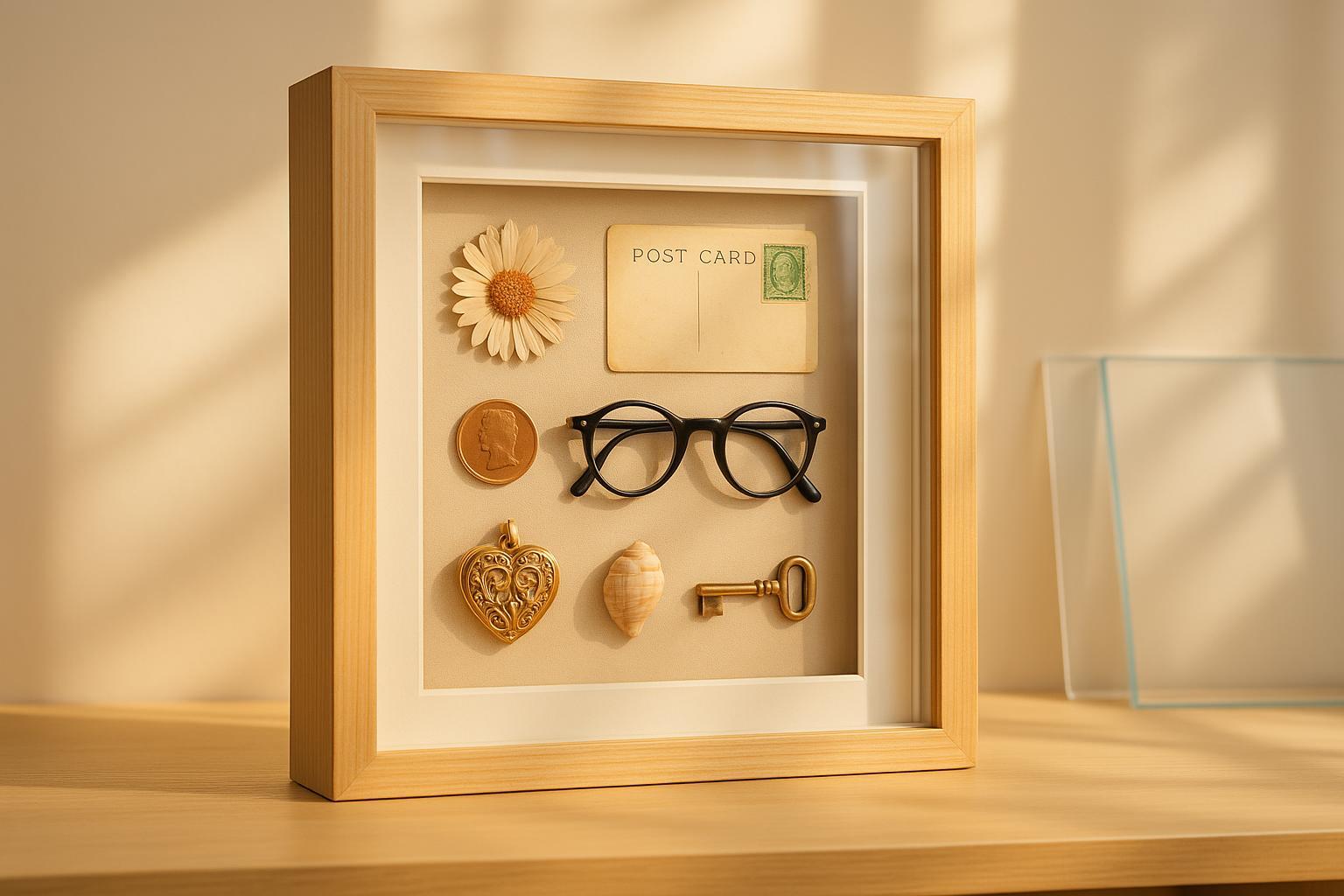
A shadow box is a deep-framed display case designed to showcase items that are more than just flat pictures: think medals, travel souvenirs, 3D art, keepsakes, collectibles, or even company awards. Unlike standard frames, a shadow box uses depth to provide real protection and create a stunning visual highlight for precious objects.
Typical Uses:
Military medals and ribbons
Sports memorabilia (balls, jerseys, signed copies)
Fine art, greeting cards, handcrafts
Company trophies and awards
Personal mementos (baby shoes, jewelry, wedding invitations)
Shadow Box Anatomy Quick-Look:
Frame: Holds everything together
Cover (Glazing): The transparent front (usually glass or acrylic)
Display Depth: Space for items
Backing: Where items rest (can be padded or plain)
2. Material Matters: What Covers a Shadow Box?
The transparent cover of your shadow box is called “glazing.” This isn’t just industry jargon—it’s the shield that protects your items from dust, damage, and sunlight!
Glossary Box: Key Terms Every Beginner Needs
Glazing: The protective, see-through barrier on the front of a frame or box.
Glass: Classic, mineral-based material known for clear looks and scratch resistance.
Acrylic (Plexiglass): Lightweight, shatter-resistant plastic (sometimes called "plexi").
UV Protection: Special coating or property blocking harmful ultraviolet light that causes fading.
Museum-Grade: Either glass or acrylic with ultra-high clarity, very low reflections, and top-level UV defense.
Main Choices:
Glass (Standard, Anti-Reflective, UV-Protection)
Acrylic (Standard, Anti-Reflective, UV-Protection, Museum-Grade)
3. Glass vs. Acrylic: A Side-by-Side Comparison
Feature | Glass | Acrylic (Plexiglass) |
|---|---|---|
Clarity | Exceptionally clear, crisp | Very clear, sometimes slight tint |
Scratch Resistance | High | Moderate |
Shatter Risk | Breaks/shatters, sharp edges | Difficult to break, safe if dropped |
Weight | Heavier | Light, easy to hang |
UV Protection | Good (varies by type) | Excellent with right coating |
Cleaning | Easy, resists many chemicals | Needs care: avoid ammonia-based |
Cost | Usually less than museum-grade acrylic | Can be more, but safer/versatile |
Prestige Look | Classic, feels "high-end" | Modern, sleek, customizable |
Visual Example
Photo or video link: Museum Glass vs. Acrylic Comparison (Tru Vue)
4. Why Choose Glass for Shadow Box Frames? Core Benefits
Glass remains the material of choice in many professional and home displays. Here’s why:
Unmatched Clarity: Glass provides a sharp, undistorted view that flatters art, textiles, and memorabilia.
Classic Aesthetic: It lends a timeless, upscale feel—ideal for prestigious awards or traditional interiors.
High Scratch Resistance: Stays clear and mark-free for decades with minimum maintenance.
Natural Inertness: Doesn’t yellow over time or react with most environmental agents.
Long-Term Value: Used in countless museums and galleries for a reason! With UV upgrades, glass safeguards heirlooms and signatures from fading (source).
When Glass Might NOT Be Ideal:
In homes with kids or high-traffic spaces (glass breaks—safety risk!)
Traveling displays or events where accidents happen
Oversized pieces where weight matters
5. Acrylic as a Modern Alternative — When and Why? (Featuring Toyin’s Expertise!)
Sometimes, glass isn’t the practical choice. That’s where acrylic shines—and why leading manufacturers like Toyin Acrylic Products Co., Ltd. (TOYIN) offer world-class custom display solutions in clear acrylic.
Advantages of Acrylic for Shadow Boxes:
Lighter: Perfect for hanging large displays
Far Safer: Won’t shatter—kid-safe and travel-ready
Superior UV Defense: Modern acrylic blocks up to 99% of UV rays with proper coatings (see comparison)
Customizable: TOYIN specializes in unique shapes, cutouts, and engraved boxes
Global Shipping & Eco-Friendly: Rapid, planet-conscious solutions for home, brand, or gallery
Real-World Showcases (TOYIN Case Example):
A global luxury brand displayed limited-edition jewelry with TOYIN’s crystal-clear, impact-resistant acrylic shadow boxes, ensuring both prestige and safety for frequent in-store handling.
6. Which Material Should You Choose? (Beginner’s Decision Helper)
Ask yourself these quick questions:
Are children or pets present? → Acrylic is safer!
Is the item very valuable or irreplaceable? → Museum-grade glass or acrylic with UV protection
Is appearance top priority? → Glass offers that classic prestige
Will it travel or be handled a lot? → Acrylic is your friend
Large or heavy display? → Lighter acrylic will save your walls!
Decision Table
Your Scenario | Best Material | Why |
|---|---|---|
Family heirloom at home | Glass (UV-protect) | Timeless look, great for stationary |
Kids' art/project in child's room | Acrylic | Shatterproof, lightweight |
Retail/brand interactive display | Acrylic | Durable, customizable, safe |
Gallery, museum, or award-case | Museum glass/acrylic | High protection, low reflection |
7. How to Care for Your Shadow Box: Dos & Don’ts
Quick Chart
Action | Glass | Acrylic |
|---|---|---|
Dusting | Microfiber, soft cloth | Microfiber only |
Cleaning | Mild glass cleaner, avoid frame | Strictly non-ammonia |
Avoid | Abrasive pads, excess water | Paper towels, harsh sprays |
Repairs | Replace glass if chipped | Replace if deeply scratched |
Pro Tip: Both materials should never be scrubbed with rough sponges—always use soft, dry wipes first.
Extra Guidance:
For major residue, consult the manufacturer—like TOYIN for acrylic care.
8. Spot the Mistakes: Common Beginner Blunders
Ignoring UV protection: Fading or yellowing is permanent—check for coatings!
Underestimating handling risks: Glass breaks; acrylic scratches—know your space!
Cleaning with wrong products: Especially on acrylic, this causes permanent damage.
Assuming all glass/acrylic is the same: Quality really matters—invest wisely.
9. Practice Time! Quick Quiz & Self-Check
Question 1: If your shadow box sits in direct sunlight, should you pick plain or UV-protective material?
Plain glass
UV-protective glass or acrylic
Question 2: You need a display for a trade-show booth (kids, crowds, travel)—glass or acrylic?
Glass
Acrylic
How did you do? If you got these right—you’re getting the hang of good display decisions!
10. Resources for Continued Learning
11. Ready to Protect and Show Off What You Love? (Your Next Step)
Every precious object tells a story—make sure yours lives on, beautifully preserved for years to come! Whether you choose classic glass or modern acrylic, you now know the essentials to make the right call.
For unique, tailor-made acrylic shadow box frames, rapid expert advice, or to explore custom solutions trusted by leading brands, visit Toyin Acrylic Products Co., Ltd. and experience premier quality with truly global service.
Still unsure? Reach out to the Toyin team for a no-pressure consultation on the best material and design for your scenario—and create a display that’s worthy of your story.
Author note: This guide is based on research from museum specialists, industry experts, and TOYIN's experience as a global leader in custom acrylic manufacturing.