What is Screen Printing (Silk-Screen)? Definition, Process, and Applications for Acrylic Products

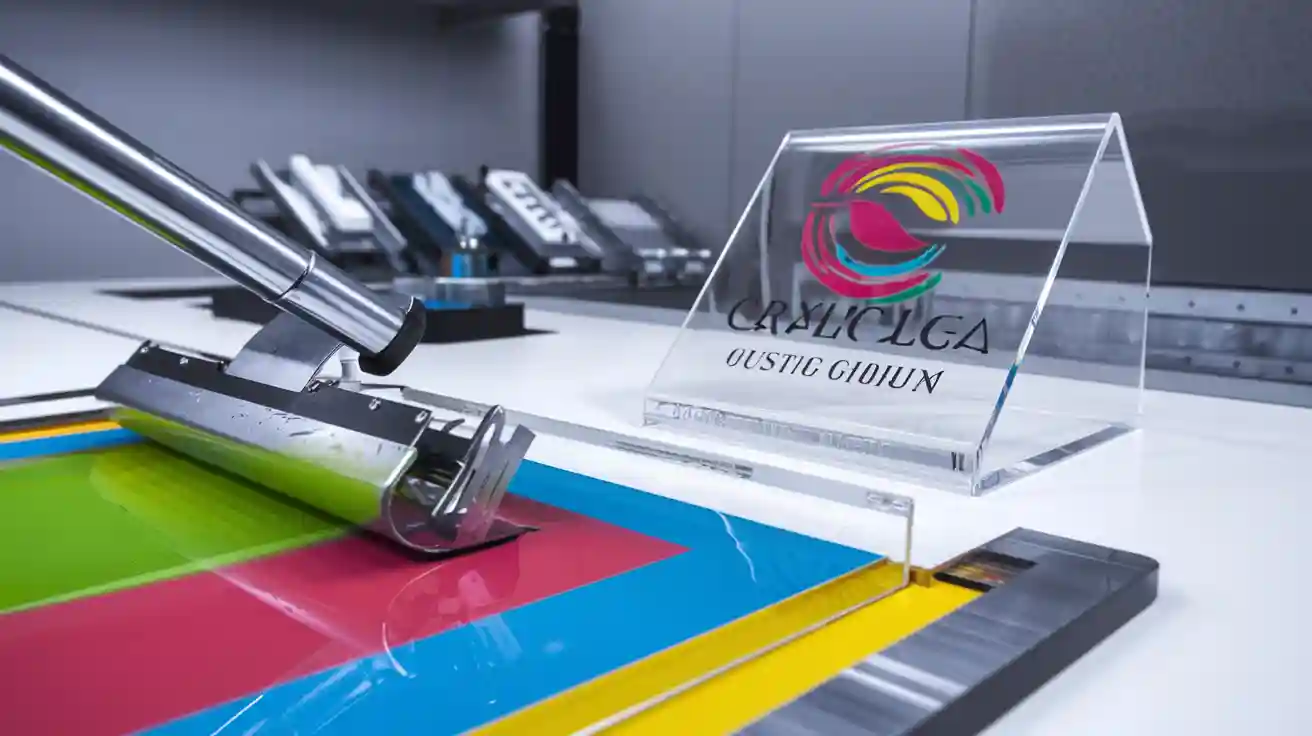
One-Sentence Definition
Screen printing (silk-screen) is a printing technique that uses a mesh screen and stencil to transfer ink onto a substrate—such as acrylic—creating vibrant, durable, and customizable graphics, logos, or text.
Detailed Explanation
Screen printing, also known as silk-screen or serigraphy, involves pushing ink through a mesh screen onto a material, with certain areas blocked by a stencil to form the desired image. Each color in a design requires a separate screen, making the process ideal for bold, solid-color graphics. Traditionally, silk was used for the mesh, but modern screens are typically polyester for better durability and precision. The process is widely used for both artistic and industrial applications, especially where high opacity, color vibrancy, and durability are required (Merriam-Webster, Wikipedia).
When applied to acrylic products, screen printing offers unique advantages: it produces crisp, long-lasting images that resist fading, peeling, and yellowing. Special UV-curable or thermoforming inks are used to ensure strong adhesion and flexibility for further processing, such as cutting or bending. Surface preparation—like cleaning, anti-static treatment, or even flame/corona treatment—enhances ink adhesion and print quality (UVTECO, WeeTect).
Key Components of Screen Printing on Acrylic
Mesh Screen & Stencil: Defines the image and controls ink flow.
Squeegee: Applies pressure to push ink through the mesh.
UV/Thermoforming Ink: Specially formulated for acrylic, ensuring durability and vibrant color.
Surface Preparation: Cleaning and pre-treatments (e.g., flame or corona) for optimal adhesion.
Curing Process: UV or heat curing hardens the ink for scratch and fade resistance.
Registration System: Ensures precise alignment for multi-color designs.
Real-World Applications
Screen printing is widely used in the acrylic products industry for:
Custom Branding: Logos and graphics on acrylic display stands, storage boxes, trays, and furniture—ideal for retail, office, and promotional use.
Signage & Awards: Durable, vibrant prints for interior/exterior signs and recognition plaques.
Consumer Accessories: Phone cases, tablet covers, and decorative items with personalized designs.
Industrial Labeling: High-visibility, long-lasting markings for equipment and safety signage.
For example, TOYIN Acrylic Products Co., Ltd. leverages advanced screen printing to deliver custom-branded acrylic displays and organizers for global brands, ensuring each product meets strict quality and durability standards.
Comparison with Related Printing Methods
Method | Best For | Color/Detail | Durability | Cost Efficiency | Notes |
|---|---|---|---|---|---|
Screen Printing | Solid colors, large runs | High (solids) | Excellent | High (bulk) | Each color needs a screen |
UV Printing | Full-color, gradients | Very high | Excellent | Flexible | Direct-to-substrate, fast |
Digital Printing | Variable data, small runs | High | Good | Flexible | No screens, quick setup |
Pad Printing | Irregular surfaces | Moderate | Good | Good | Suited for curved items |
Laser Engraving | No-ink, frosted marks | N/A | Outstanding | Good | No color, extreme durability |
For a deeper dive, see Inkcups: Ink Wars—Screen Printing vs. UV Printing and Feilong Acrylic: Logo Printing Techniques.
Related Concepts
UV Printing: Uses UV-curable inks for high-resolution, full-color prints directly on acrylic; ideal for gradients and small runs.
Digital Printing: Flexible, fast, and suitable for variable data or short runs.
Pad Printing: Best for printing on curved or irregular acrylic surfaces.
Laser Engraving: Creates permanent, frosted marks without ink—great for awards and signage.
Visual Guide
Screen printing process on acrylic sheet (Source: UVTECO)
Why Choose Screen Printing for Acrylic?
Durability: Prints can last up to 10 years without fading or peeling.
Vibrancy: Thick ink layers produce bold, eye-catching colors.
Customization: Perfect for brand logos, graphics, and text on a wide range of acrylic products.
Cost-Effective: Especially for large orders and solid-color designs.
Looking to customize your acrylic displays, organizers, or signage with high-quality screen printing? Contact TOYIN for a quote and discover our global custom acrylic solutions.