Strategies to Reduce Transit Damage for DTC Beauty

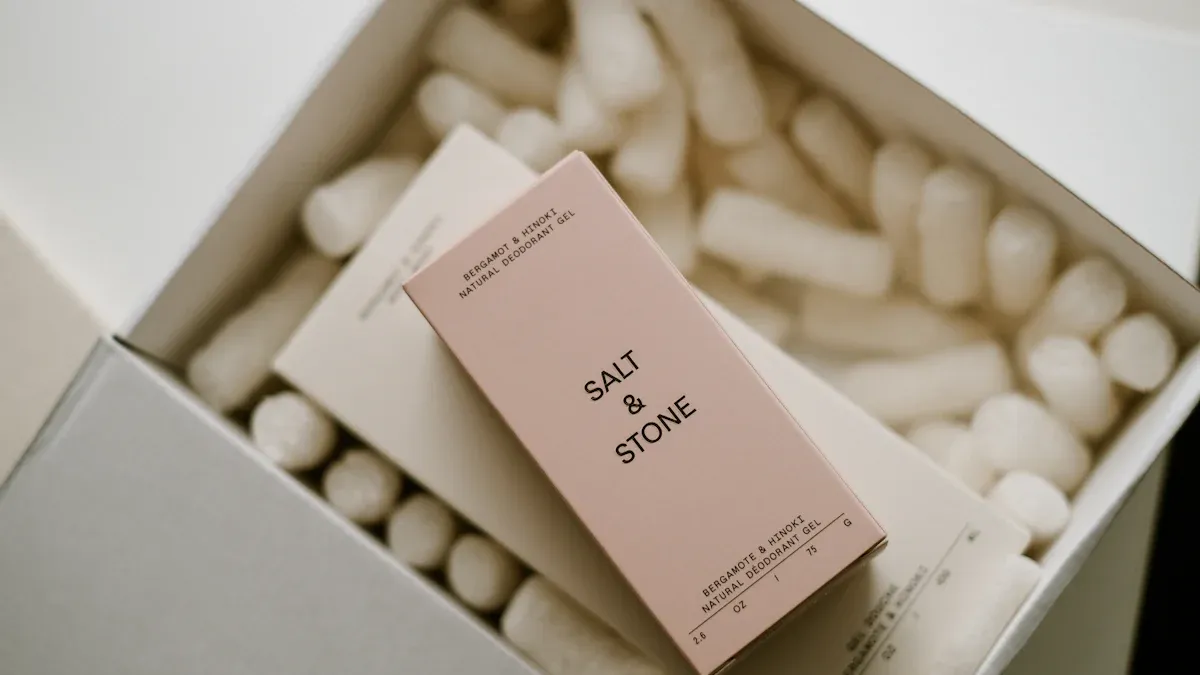
Winning loyalty in the direct-to-consumer beauty world requires a new vision. You must master a shipping strategy that balances robust product protection with the growing demand for sustainable beauty. This requires a new approach to packaging design and material innovation.
Modern beauty buyers expect more than a great product. They demand sustainable packaging solutions, from refillable containers to easily recyclable materials.
This guide provides actionable strategies to reduce transit damage. We focus on smart design to ensure your beauty products get the protection they need while championing sustainable beauty and intelligent packaging.
HOW TO REDUCE TRANSIT DAMAGE WITH TESTING
You cannot improve what you do not measure. A proactive testing strategy is your best defense against transit damage. Many beauty products are fragile by nature. They arrive in glass jars, soft tubes, or delicate palettes that can easily crack, leak, or burst. Even a crumpled insert can ruin the unboxing experience. Testing helps you find and fix these weak points before they cost you customers.
Did You Know? Common causes of damage go beyond simple drops. They include:
- Climate Issues: Temperature changes can cause cosmetic formulas to separate, melt, or crystallize.
- Handling Mishaps: Leaks and dents often happen during warehousing and last-mile delivery.
- Packaging Failures: Shattered glass, cracked palettes, and punctured sachets are frequent problems.
A solid testing plan provides the data you need to engineer better packaging and ensure superior product protection.
ISTA vs. Custom Protocols
You can start your testing journey with established industry standards. The International Safe Transit Association (ISTA) provides procedures that simulate common shipping hazards.
- ISTA 3A is an excellent baseline for DTC brands. This test simulates the journey of a single package through a parcel delivery system. It includes assessments for shock, vibration, and compression, helping you understand how your packaging holds up to typical transit stress. Using ISTA 3A provides a certified level of product protection and helps reduce replacement costs.
However, your supply chain is unique. Relying only on a general standard may not be enough. You should create custom test protocols that mirror your specific distribution path.
Steps to Build a Custom Protocol:
- Map Your Supply Chain: Document every step your package takes, from your warehouse to the customer's door. Note every transfer between carriers and any automated sorting systems.
- Identify Hazards: Observe how packages are handled. Are they dropped, stacked, or exposed to extreme temperatures? Collect data on vibration, shock, and climate conditions if possible.
- Define Pass/Fail Criteria: ISTA does not define what a "pass" is. You must set your own clear, product-specific standards. These criteria give you a clear goal for your packaging design.
| Criteria Type | Pass Condition | Fail Condition |
|---|---|---|
| Primary Container | No breakage, cracks, or permanent deformation. | Any crack, shatter, or break. |
| Functionality | Product dispenses correctly; pump works. | Pump is broken; product will not dispense. |
| Aesthetics | Minimal scuffing on the outer box; no leaks. | Leaked product, dented primary container, torn insert. |
Creating a custom protocol helps you design packaging that provides targeted protection for the real-world challenges your products face. This is how you effectively reduce transit damage.
Component-Specific Vulnerability Tests
A beautiful cosmetic product often contains multiple fragile parts. Testing the final assembled package is important, but you also need to test individual components to find the weakest link. This isolated approach is key to engineering robust product protection.
Focus your efforts on these common vulnerabilities:
- Glass Shatter Resistance: Glass bottles and jars require special attention. Use pendulum impact tests to measure how much force the shoulder and heel of a bottle can withstand before breaking. You can also use fragmentation tests, which involve breaking the glass to analyze the fragment patterns. A higher number of small fragments often indicates stronger, safer glass.
- Palette "Pan-Popping": Eyeshadow and blush palettes are prone to pans dislodging or shattering. Simulate this risk with a series of controlled corner, edge, and flat drop tests to see at what height failure occurs. This data informs the necessary level of cushioning your packaging must provide.
- Pump and Sprayer Leakage: Leaks are a top customer complaint. Use vibration testing to simulate the constant jostling of ground transit, which can loosen caps. You should also conduct climate and pressure tests to ensure seals hold when moving through different altitudes and temperatures.
By testing each component, you build a complete picture of your product's resilience. This allows you to make smart design choices that offer total protection for your cosmetic items, ensuring they arrive looking perfect every time.
SMART PACKAGING DESIGN AND MATERIALS
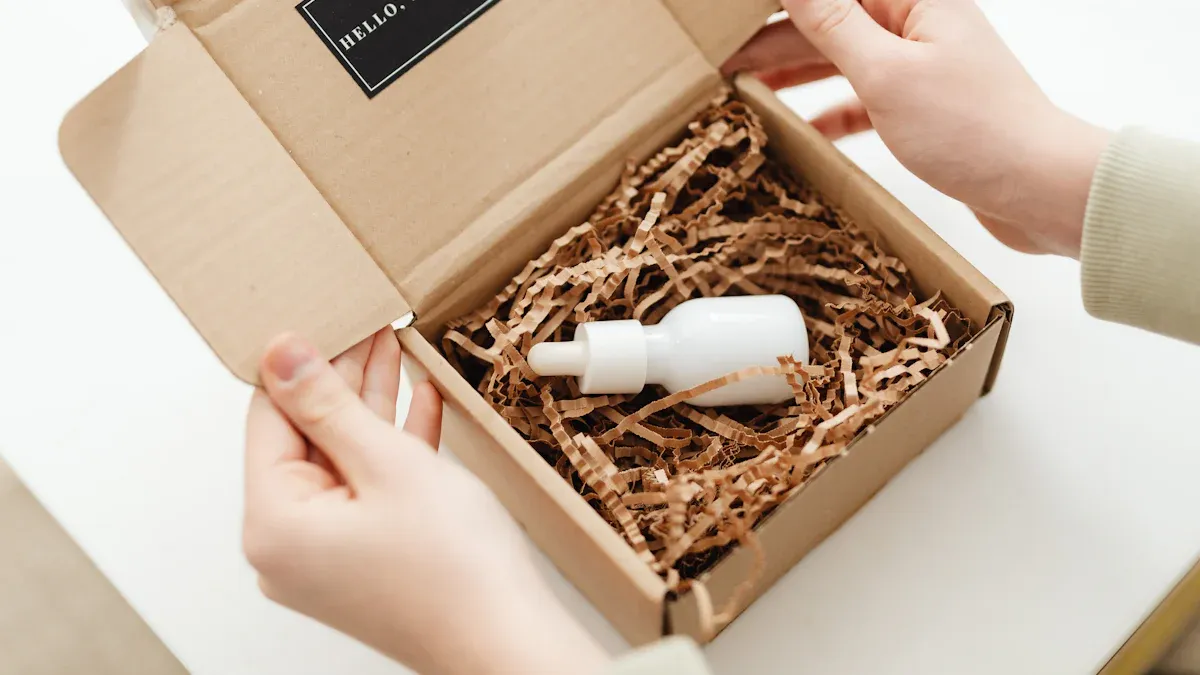
Your packaging design is more than a box. It is your first physical handshake with the customer. Smart design and material choices are crucial to reduce transit damage. They also show your brand's commitment to sustainable beauty. Your packaging decisions can build a loyal community that shares your values.
The Rise of Sustainable Cosmetic Packaging
Today's beauty customers demand more. They want products that are good for them and good for the planet. This makes sustainable cosmetic packaging a necessity, not a trend. Sustainable beauty brands are leading the way with innovative, eco-friendly choices. This shift helps you meet your sustainability goals and connect with conscious consumers. A circular approach to packaging is key for the future of beauty.
You can explore many new packaging materials. These materials offer great protection and align with a sustainable beauty mission.
- Mycelium: This material comes from mushroom roots. It performs like plastic but is completely compostable. The sustainable beauty brand Haeckels uses mycelium for its packaging. This shows a deep commitment to circular design.
- Bamboo: This fast-growing resource is durable and biodegradable. You can use it for jars, caps, and compacts.
- Cornstarch and Sugarcane: These plants can be turned into bioplastics. They are great for bottles, tubes, and film wraps, offering a renewable alternative to traditional plastic. Many of these options create compostable packaging.
Choosing sustainable cosmetic packaging has a major positive impact. It is a core part of building a modern sustainable beauty brand. A circular model is essential for long-term success.
| Feature | Traditional Plastic Packaging | Sustainable Alternatives |
|---|---|---|
| Environmental Impact | Causes significant ocean pollution and has a large carbon footprint. | Reduces single-use waste and breaks down naturally. |
| Material Persistence | Lasts for hundreds of years as microplastics. | Biodegradable materials break down into natural components. |
| Resource Consumption | Uses non-renewable resources like petroleum. | Uses recycled content and renewable resources like plants. |
| Waste Management | Often ends up in landfills or oceans. | Encourages a circular economy through recycling and composting. |
Adopting sustainable cosmetic packaging is a powerful statement. It shows your dedication to sustainable beauty and a circular economy. Many sustainable beauty brands find that refillable systems are a great way to advance their sustainability goals. A refillable design reduces waste and encourages customer loyalty. These refillable options are central to a circular beauty economy.
Protective Inserts and Right-Sizing
The inside of your package is just as important as the outside. Protective inserts and right-sized boxes are your best tools for product protection. The right insert secures your cosmetic products. It also creates a premium unboxing experience. Your design choice here is critical.
Pro Tip: Molded pulp inserts offer precise, custom-fit protection. They are made from recycled materials, making them a sustainable choice that elevates your packaging design.
You have several options for inserts. Each offers different levels of protection and sustainability. Your packaging decisions should balance these factors.
| Insert Type | Protection Level | Customization | Sustainability | Best For |
|---|---|---|---|---|
| Foam | Highest | Fully | Low | Delicate glass bottles and fragile items |
| Corrugated Cardboard | Moderate | Moderate | Renewable, recyclable | General e-commerce and fragile products |
| Molded Pulp | High | Precise | Excellent (recycled, compostable) | Custom-fit needs for jars and bottles |
Beyond inserts, you must focus on "right-sizing." Shipping air is expensive and wasteful. Right-sizing your packaging means creating a box that fits your order perfectly. You can use automation to achieve this. Software can analyze product dimensions to calculate the best box size. Machines then cut the box to the exact height needed. This smart design reduces material waste and lowers shipping costs. It is a key strategy for any brand focused on sustainable beauty and efficiency. This approach to packaging design is both smart and sustainable.
Leak-Proof and Climate-Control Solutions
Leaks and temperature damage can ruin a customer's experience. Your packaging design must address these risks head-on. This is especially true for liquid cosmetics and sensitive formulas. A little planning provides a lot of protection.
Leaks often happen during air transit due to pressure changes. You need sealing technology that can handle these conditions. Airless pumps are an excellent solution for creams and serums. They use a vacuum system that prevents leaks and protects the cosmetic product from oxidation. This keeps your beauty formulas fresh and effective.
| Sealing Technology | How It Works | Best For |
|---|---|---|
| Pump Dispensers | A spring-loaded pump with an anti-leak valve. | Lotions, serums, liquid foundation |
| Airless Pumps | A vacuum-sealed system with no air exposure. | Anti-aging creams, luxury skincare |
Temperature is another major concern. Extreme heat or cold can spoil your cosmetics. You can use insulated packaging materials to maintain a stable temperature.
Many sustainable insulation options offer excellent thermal performance. Paper-based liners use layers to trap air, slowing heat transfer effectively. Recycled denim is another great eco-friendly material that provides strong insulation for your temperature-sensitive beauty products.
Polyurethane foam offers the best thermal protection, but it is less sustainable. For a better balance, consider paper, denim, or cornstarch liners. These materials provide very good insulation and align with your sustainability goals. This thoughtful approach to packaging ensures your cosmetic products arrive in perfect condition, reinforcing your brand's commitment to quality and sustainable beauty.
ALIGNING DESIGN WITH BRAND EXPERIENCE
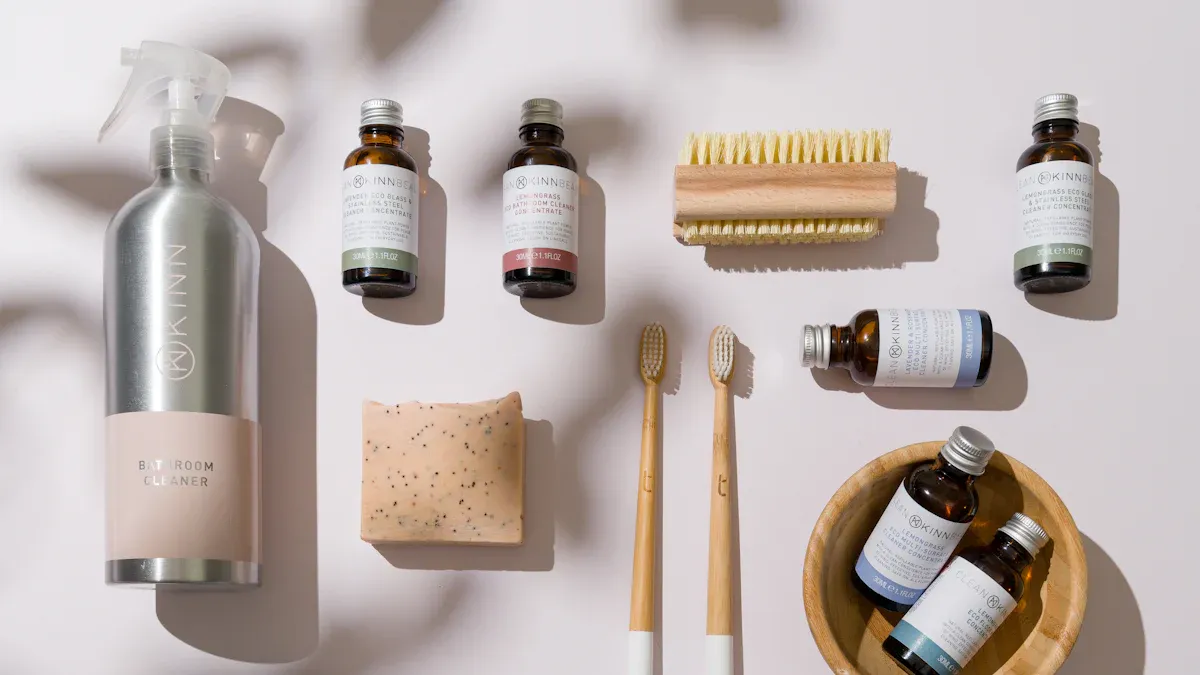
Your packaging design is a powerful storyteller. It must protect your beauty products during shipping. It also needs to create a memorable moment for your customer. A great design aligns your brand's commitment to sustainable beauty with an exceptional unboxing experience. This balance builds customer loyalty for your sustainable beauty brand.
Designing for Distribution and Unboxing
The unboxing experience is your customer's first physical interaction with your brand. You can turn this moment into an emotional ritual. A positive experience makes customers more satisfied and loyal to your beauty brand. This encourages them to share their experience on social media, boosting your brand's visibility.
Your packaging design should offer both protection and delight.
- Elegant Outer Packaging: Use structured boxes with features like magnetic lids. This elevates your brand's exclusive feel.
- Thoughtful Interior: Arrange products neatly. Apple is a master of this, presenting items screen-up with accessories organized below. This design offers protection while looking clean and minimal.
- Sustainable Luxury: Choose sustainable materials that feel premium. This enhances your brand image and connects with consumer values.
A well-executed packaging design shows you invested in creating a special experience. This attention to detail reinforces your brand's commitment to quality and sustainable beauty.
Transparent Packaging and Sustainable Beauty
Today's consumers demand transparency. They want to know about your sustainable beauty efforts. You can use your packaging to communicate your commitment to a sustainable future. This builds trust and attracts environmentally conscious beauty shoppers.
Pro Tip: Use QR codes on your packaging to share your sustainable story. This simple tool gives customers access to in-depth information.
Brands like Cocokind use QR codes to provide "Sustainability Facts." Customers can scan the code to learn about the packaging material, its carbon footprint, and how to recycle it. This clear communication is essential. You must provide easy-to-understand instructions for disposal. This helps ensure your sustainable packaging is handled correctly. Being open about your design and material choices shows your dedication to sustainable beauty. This transparency is key to building a modern beauty brand that customers trust and support.
You can protect your beauty products with a smart plan. Your strategy should include strong testing, sustainable material choices, and a holistic packaging design. Efforts to reduce transit damage are a direct investment in your beauty brand's future. This commitment builds customer loyalty and aligns your brand with the growing sustainable beauty industry. Your thoughtful design shows your dedication to sustainable beauty.
Take Action Now: Audit your top-selling beauty product's current packaging and damage rate. Implement one new sustainable testing or material strategy this quarter to build a more resilient operation.
FAQ
What is the first step to reduce transit damage?
You should start with a packaging audit. Analyze your damage reports for your top-selling products. This data shows you where to focus your efforts. You can then choose a new testing or material strategy to improve product protection and reduce replacement costs.
Is sustainable packaging more expensive?
Sustainable materials can have a higher initial cost. However, you save money over time. Right-sizing your boxes reduces material waste and shipping fees. Better protection also lowers the cost of replacing damaged goods. These savings often offset the initial investment.
How often should I test my packaging?
You must test packaging for every new product launch. You should also re-test your packaging if you notice an increase in damage rates. Regular testing ensures your packaging solutions remain effective as your products or shipping carriers change.
Remember: A change in your supply chain is a good reason to test again. New sorting machines or delivery routes can introduce new risks to your beauty products.
Can good packaging really increase sales?
Yes, it can. A great unboxing experience makes customers happy. Happy customers often share photos on social media, which provides free marketing for your beauty brand. This positive experience also builds loyalty, leading to more repeat purchases from your best customers.