Prototyping to Rollout A Guide to Mass Production


Note: A structured, end-to-end approach is your most reliable path from a single prototype to mass production.
This process mitigates risk. You validate the design and ensure quality before committing to high-volume production. This guide provides an actionable roadmap for the prototyping to rollout journey. It helps you achieve a smooth prototype to production transition. Your initial prototype design can become a profitable product with a clear plan for prototype to production.
Phase 1: The Prototype to Production Blueprint
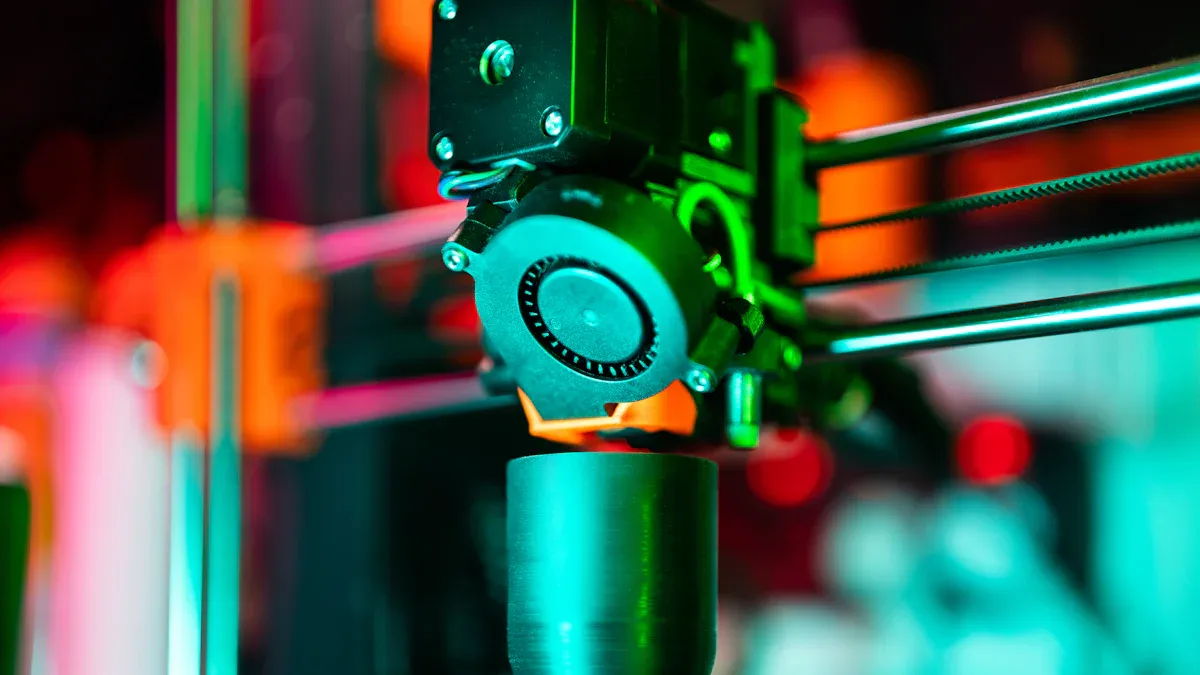
The first phase of the prototype to production journey transforms your initial concept into a manufacturable asset. You will refine the design, document every component, and validate its safety. This blueprint sets the foundation for a successful prototype to product transition.
Refining the Prototype with DFM
Your prototype proves the concept. Now, you must optimize its design for efficient manufacturing. This is the core of design for manufacturing (DFM). This process simplifies the design to reduce costs and speed up production. For example, some companies reduce assembly time by 30% by integrating DFM early in the product development cycle. You should avoid common mistakes like overcomplicating the design or using non-standard parts. Use rapid prototyping to test changes quickly. This iterative process of rapid prototyping and refinement is crucial during the prototype stage. A simple, smart design is easier and cheaper to produce at scale.
Finalizing the Bill of Materials (BOM)
A Bill of Materials (BOM) is the complete recipe for your product. It is a detailed list of every single part needed for manufacturing. An accurate BOM is critical for a smooth prototype to production process. Inaccuracies, like incorrect part numbers or quantities, lead directly to production delays and budget overruns. Even missing a small, inexpensive component can halt an entire assembly line.
Your BOM must be a single source of truth for your engineering, procurement, and manufacturing teams to ensure quality and consistency.
Here are the essential elements of a BOM:
Element | Description |
|---|---|
Part Number | A unique code for each component. |
Part Name | The specific name of the component. |
Quantity | The number of units required per assembly. |
Description | Details to distinguish similar parts. |
Conducting Reliability and Compliance Testing
Before you begin production, you must ensure your product is safe, reliable, and legal to sell. This involves rigorous quality testing to meet industry standards. Your prototype must pass tests for durability, function, and safety. You also need to secure the correct compliance certifications for your target markets. For fixtures sold in North America, UL certification is often required to prove the product has been tested for safety risks. For the European market, CE marking is mandatory. This mark shows your product meets EU health, safety, and environmental quality standards. This step in the prototype to production plan protects your business and your customers.
Phase 2: Selecting Your Manufacturing Partner
With a finalized blueprint, your next critical step is choosing the right manufacturing partner. This decision directly impacts your product's quality, cost, and delivery schedule. A thorough vetting process ensures you find a partner who can scale with you from initial runs to full-scale production.
Partner Vetting and Qualification
You must evaluate potential partners on more than just price. A strong partner demonstrates a deep commitment to quality. Look for manufacturers with a verifiable Quality Management System (QMS), such as an ISO 9001 certification. This certification shows they have established processes for consistent quality and on-time delivery. Assess their production capacity and confirm they have specific expertise with fixtures or materials similar to yours. A partner who offers proactive feedback on your design for manufacturing is invaluable.
Tip: A partner with ISO 9001 certification is audited regularly. This proves their ongoing dedication to maintaining the highest standards in their manufacturing processes.
Strategic Cost and Capacity Planning
Effective cost planning goes beyond simply collecting quotes. You should develop a 'should-cost' model. This is an internal estimate of what your product should cost to make, based on materials, labor, and manufacturing overhead. This model becomes a powerful tool for negotiation and helps you validate the prices you receive. It ensures you are paying a fair price for the required quality and capacity. Use this data to align your budget with a partner who can meet your production volume goals.
Building a Resilient Supply Chain
Relying on a single supplier for a critical component creates a major risk for your production line. A single disruption at their facility could halt your entire manufacturing operation. To build a resilient supply chain, you must qualify both primary and secondary suppliers for your most important parts. This dual-sourcing strategy provides a crucial backup. It ensures that your production can continue smoothly even if your primary supplier encounters an issue, protecting your business from costly delays.
Phase 3: Validating the Process with a Pilot Run
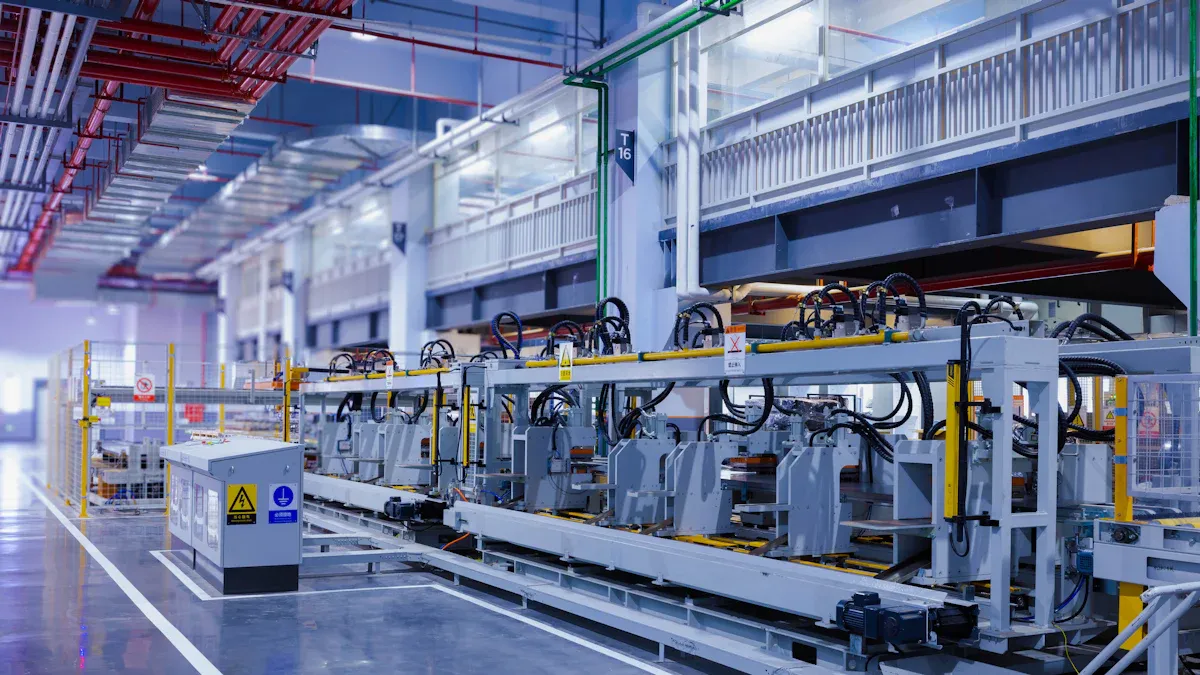
You have a manufacturable design and a qualified partner. Now you must validate the entire manufacturing process. A pilot run is a small-scale production test that bridges the gap from a single prototype to full-scale rollout. This phase confirms your ability to produce a high-quality product consistently before you commit to a large investment.
Executing Low-Volume Initial Production (LVIP)
Low-Volume Initial Production (LVIP) is your first real manufacturing run. You produce a limited number of units using the final production line, tools, and staff. This is a critical step in the prototype to production journey. The primary goal is not just to build products, but to gather data and validate your process.
Key objectives of an LVIP run include:
Process Validation: You ensure the manufacturing process consistently creates products that meet design standards.
Issue Detection: You identify and fix any problems with materials, equipment, or workflows.
Cost Refinement: You gather real data on labor and material costs to finalize your budget.
Team Training: Your production team gains hands-on experience with the new assembly process.
First Article Inspection (FAI) for Quality Gates
A First Article Inspection (FAI) is a formal quality control method. You take one of the first units from your LVIP run and inspect it against every detail in your design drawings. This inspection verifies that your production process can create parts that meet all specifications.
An FAI serves as a critical quality gate. If the part passes, you can proceed with confidence. If it fails, you must find the root cause and correct the process before moving forward. This step ensures quality and consistency.
Passing an FAI confirms that your tooling and workflow are correct. This quality control measure prevents widespread defects and costly rework later in production.
Optimizing the Assembly Line and Workflow
The data from your pilot run helps you optimize the assembly line for efficiency and quality. You can apply principles from Lean Manufacturing to identify and eliminate waste in your process. This could mean reducing unnecessary movement for workers, streamlining material flow, or improving workstation layouts. By analyzing metrics like cycle time and scrap rates, you can make data-driven adjustments. This optimization ensures a smoother, faster, and more cost-effective prototype to production transition, setting you up for a successful mass production launch.
Phase 4: The Prototyping to Rollout Transition
Your pilot run was a success. You are now ready for the final phase of the prototyping to rollout journey: scaling up. This stage moves your project from a validated process to full-scale mass production. Careful planning here ensures your product launch is both smooth and profitable.
Scaling for Mass Production
Transitioning to mass production presents unique challenges. Stability in a pilot run can break down at a larger scale. You must monitor key areas to maintain quality and efficiency.
Tool Wear: Tooling that worked for a small batch may wear out faster in high-volume production.
Material Behavior: Materials can act differently in large quantities, affecting consistency.
Supplier Dependability: Your reliance on suppliers increases, making their reliability critical.
You need to track Key Performance Indicators (KPIs) to manage this growth. Overall Equipment Effectiveness (OEE) is a vital metric. It measures your manufacturing productivity by combining three factors:
Availability: How often your equipment is running.
Performance: How fast your production line is operating.
Quality: How many good parts you are making.
Monitoring OEE, production yield, and cycle time gives you the data to make smart decisions. This data helps you maintain control during the demanding prototype to production scale-up.
Implementing Quality Control at Scale
Manual inspections become impractical in high-volume production. You need a systematic approach to quality control. Statistical Process Control (SPC) is a data-driven method to monitor and control quality. SPC helps you shift from simply detecting bad parts to preventing defects from happening in the first place.
SPC uses control charts to track your production process in real-time. It helps you see if your process is stable or if a problem is developing.
This method allows your operators to identify trends before they result in non-conforming products. Implementing a robust quality control system is essential for delivering consistent quality to your customers.
Supply Chain and Inventory Management
A successful prototyping to rollout plan requires excellent supply chain management. As your production volume grows, so does your need for a steady flow of materials. You must develop accurate demand forecasts. This helps you manage inventory effectively, avoiding both costly shortages and wasteful overstocking. A strong partnership with reliable primary and secondary suppliers ensures your prototype to production line keeps running without interruption.
A successful prototyping to rollout journey depends on a disciplined, phase-gated methodology. You move from design validation to controlled production runs before scaling. Companies like Nightside and quip prove this model works. Focusing on a manufacturable design, strategic partner selection, and data-driven process validation is your direct path to efficient mass production. This structured approach to design and production transforms the complex prototype to production process. Your design becomes a predictable and profitable business operation, not a lottery ticket.
FAQ
How do I know if my product is ready for the market?
You confirm readiness with thorough market research. This process helps you achieve product-market fit. It proves your product solves a real problem for your target market. A positive response from this market signals you are ready to proceed.
What is the biggest risk when scaling to mass production?
Losing quality control is the biggest risk. A process that works for small batches can fail at a larger scale. Poor quality can damage your brand's reputation in the market and lead to costly returns, impacting your entry into the market.
How important is sustainability in manufacturing?
Sustainability is very important for the modern market. Many customers prefer brands that adopt sustainable practices. This commitment can give you a competitive advantage and open up new market opportunities.
How do I protect my idea from being copied?
You protect your intellectual property with legal agreements. Use Non-Disclosure Agreements (NDAs) before sharing detailed designs. You should also partner only with reputable manufacturers who have a proven track record of protecting client information.
How does my product's target market affect manufacturing?
Your target market defines your production strategy. A premium market may require high-cost materials and finishes. A mass-market product demands cost efficiency to remain competitive. Your choice of market directly influences every manufacturing decision.