3 details boosting phone perceived luxury

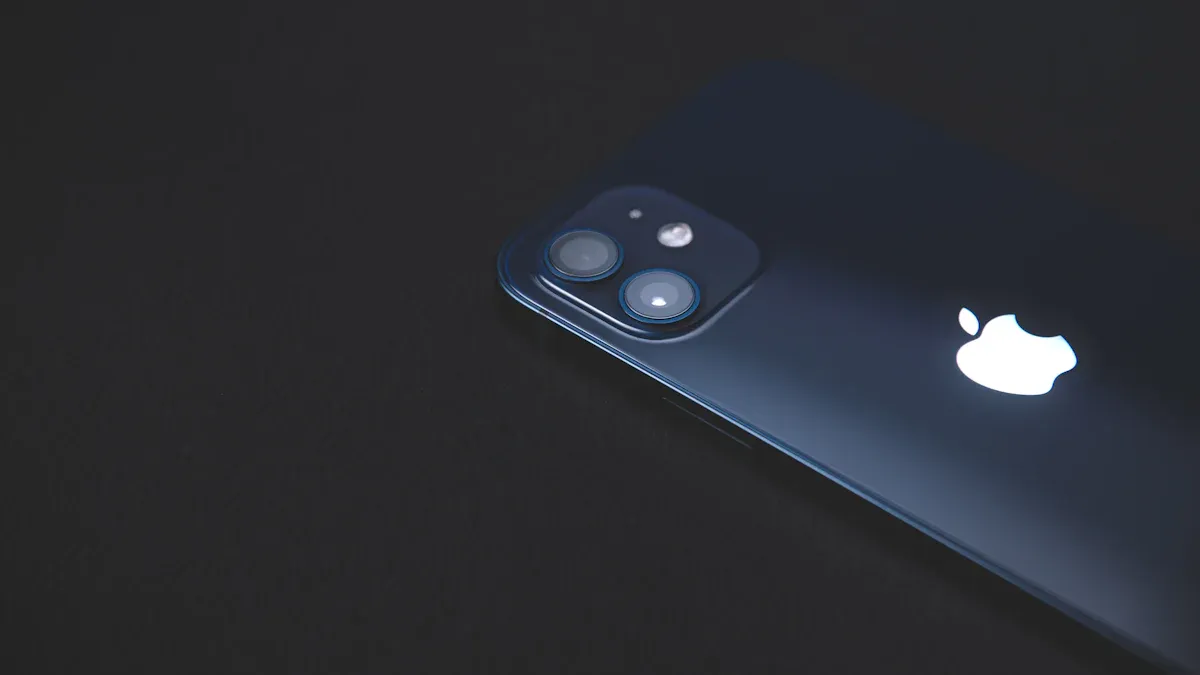
Three physical details elevate a phone's feel from standard to luxurious. These key elements are:
- Ultra-tight manufacturing tolerances
- The quality of its edge polish
- The seamlessness of its material transitions
These features are not merely cosmetic. They communicate a deep level of precision and craftsmanship. Users subconsciously register this quality and durability as high value. Such details create the tangible difference that defines a device's perceived luxury.
The Power of Tight Tolerances
Defining Tolerances
In manufacturing, tolerances are the acceptable, microscopic gaps between a phone's different parts. Think of the space between the glass screen and the metal frame. Consider the tiny gap surrounding the volume and power buttons. Engineers carefully plan these spaces. The size of these gaps, or the tightness of the tolerance, is a key indicator of manufacturing quality. A smaller gap requires more precise engineering and machinery.
The Signal of Quality
Minimal gaps send a powerful signal of quality. They help create a solid, unibody feel, as if the phone was carved from a single piece of material. This eliminates squeaks or creaks when you hold the device firmly. Top manufacturers achieve this precision using advanced techniques like Computer Numerical Control (CNC) machining.
This advanced engineering communicates a commitment to quality that users can feel, even if they don't know the technical term for it.
The Tactile Difference
The tactile difference is immediately noticeable. Pick up a flagship phone. Run your finger along the edge where the screen meets the frame. You will feel a smooth, almost invisible seam. The buttons feel crisp and solid, with no wobble or rattle. Now, handle a budget device. You might see a larger gap around the screen or feel a distinct edge. The buttons may feel loose or mushy. This physical feedback is a direct result of manufacturing tolerances. The solid, seamless feel of a premium phone is no accident; it is a deliberate and expensive engineering choice.
Edge Polish and Perceived Luxury
Defining Edge Finish
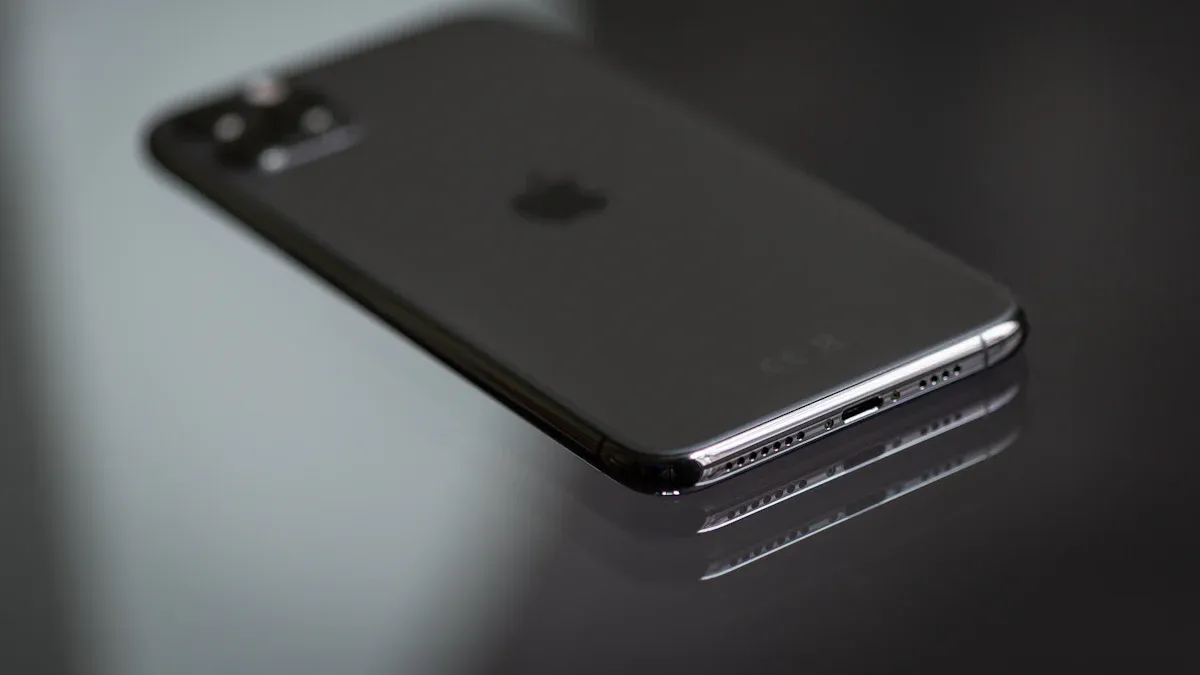
Edge finish refers to the texture and sheen of a phone's frame. It is a critical detail that goes beyond simple color. Manufacturers can choose between different types of finishes, such as a subtle matte texture or a highly reflective gloss polish. Creating these finishes requires different manufacturing processes. A high-gloss polish demands more labor and precision. It involves multiple polishing passes with progressively finer materials to achieve a mirror-like surface. This intensive process is more costly than creating a standard matte finish.
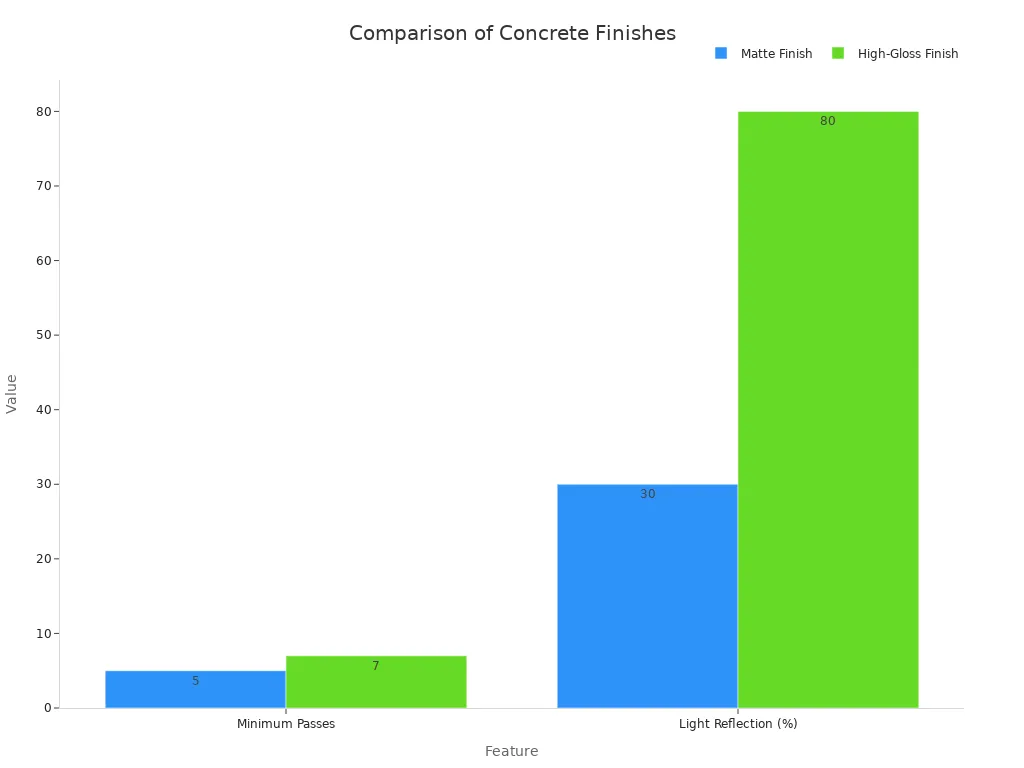
The choice of finish is a clear indicator of a brand's investment in craftsmanship.
Creating a Premium Feel
The type of edge polish directly influences a phone's perceived luxury. Smooth, polished surfaces create a strong psychological impression of quality. Research shows people consistently rate shiny, reflective objects as more attractive and superior.
Our brains associate sleek, glossy surfaces with modernity and high value. This positive perception is not just about looks; it shapes our entire interaction with the device, making it feel more premium.
A well-executed polish makes the phone feel pleasant to touch. This tactile feedback signals that the object is well-made. The smooth surface enhances the feeling of holding a sophisticated piece of technology, elevating its overall appeal.
In-Hand Experience
The edge finish also defines the phone's ergonomics and daily usability. The shape and texture of the edges determine how comfortable the device feels during prolonged use. Different designs offer distinct advantages and disadvantages that contribute to the in-hand experience.
- Curved Edges: These can feel sleek and modern but sometimes lead to accidental screen touches, which can frustrate users.
- Flat Edges: This design often provides a more secure grip. It reduces the chance of accidental touches and can feel more comfortable and controlled in the hand.
Ultimately, a thoughtfully designed edge combines a beautiful finish with practical comfort. This combination of look and feel is essential for creating a true sense of perceived luxury.
Seamless Material Transitions
Understanding Junctions
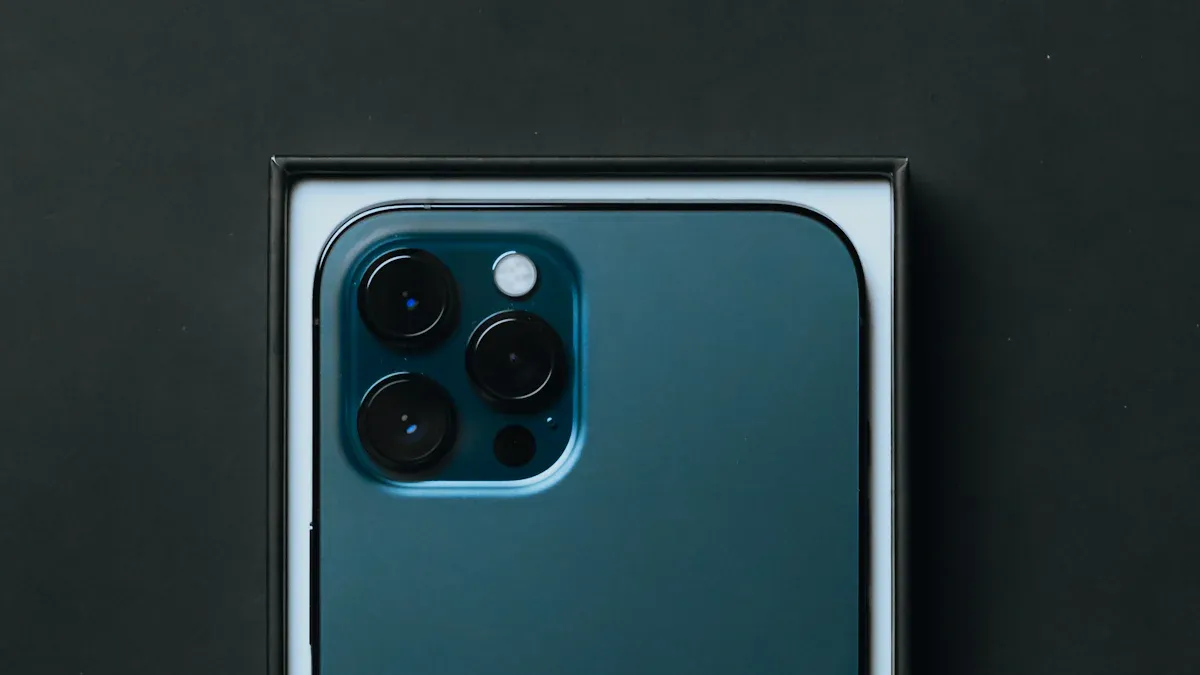
Material junctions are the points where different materials on a phone meet. A common example is the area where a metal frame connects to a glass back panel. Another is the junction between the camera housing and the phone's body. Designers must manage these transitions carefully. Poorly designed junctions can create sharp edges or visible gaps. These imperfections disrupt the phone's clean lines and can make it feel cheap. Achieving a smooth, invisible transition requires advanced manufacturing and precise assembly.
The Look of Cohesion
Seamless transitions give a phone a cohesive, unified look. The device appears as a single, elegant object rather than a collection of separate parts. This visual harmony is a hallmark of premium design. It shows a deep attention to detail from the manufacturer.
A phone with flawless material transitions looks intentional and refined. The eye flows smoothly over its surface without interruption, creating a powerful impression of quality and sophistication.
This clean aesthetic makes the phone look more like a piece of jewelry than a simple electronic gadget. The visual appeal directly enhances its perceived value.
The Feel of a Single Object
The feel of these transitions is just as important as the look. When you run your finger over a premium phone, you feel a continuous, uninterrupted surface. The phone feels solid and complete in your hand. This tactile feedback reinforces the idea of holding a single, well-crafted object. In contrast, budget devices often have noticeable seams or edges at their junctions.
- Premium Feel: The transition from glass to metal is so smooth it is almost unnoticeable.
- Budget Feel: You can feel a distinct ridge or gap where the plastic back meets the frame.
This difference in touch provides constant, subconscious feedback. The seamless feel communicates durability and luxury every time you hold the phone.
A phone's true sense of perceived luxury comes from three key details. Tight tolerances create a solid feel. Superior edge polish provides a refined touch. Seamless material transitions deliver a cohesive design.
Technical specifications are important, but physical craftsmanship defines a premium device. Brands like Hermès justify high prices with expert handiwork. Similarly, a phone's meticulous construction creates a superior feel that justifies its cost. This physical feedback is the core of its perceived luxury.
Next time a person handles a phone, they should notice these details. The difference is something they can truly feel.
FAQ
Why do these small details matter for a phone's value?
These details provide constant physical feedback. A person's brain connects this feeling of precision with high quality and durability. This subconscious signal makes the device feel more valuable, justifying its premium status beyond just technical specifications.
Are premium features only found on expensive phones?
Top-tier phones perfect these luxury details. However, many mid-range devices are adopting similar features. The main difference is the degree of refinement. Premium models achieve a level of seamlessness that is difficult and costly to replicate.
Which detail most affects how a phone feels in the hand?
Tight tolerances often have the biggest impact. They create a solid, dense feeling, as if the phone is a single object. This eliminates any creaks or looseness, which strongly communicates quality and durability to the user.
How can a person spot these quality details in a store?
A person can easily check these features. They should run a finger along the edge where the screen meets the frame. They can also press the buttons to check for any wobble. Comparing a budget model to a flagship phone will make these differences obvious.
Pro Tip 💡 Close one eye and look down the phone's edge. This angle helps reveal tiny gaps or misalignments in the material transitions that you might otherwise miss.