Perceived Luxury A Matter of Millimeters

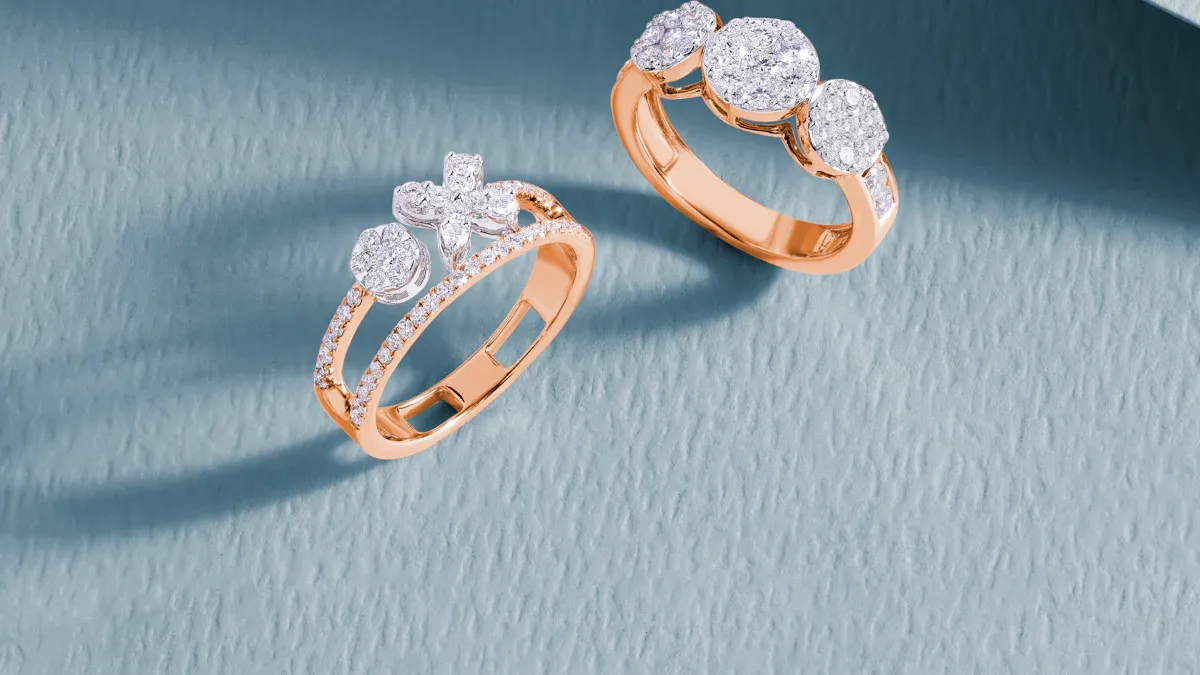
The true quality of luxury watches comes from measurable details. These elements are not just for show; they prove a brand's investment in superior craftsmanship. The global market for luxury timepieces and jewelry, valued at over USD 169 billion in 2023, reflects a strong demand for this level of luxury. Understanding these details helps a person see what makes certain luxury watches a true symbol of status.
This guide explores manufacturing tolerance and perceived luxury. It reveals how tiny measurements define great craftsmanship and separate good watches from genuine luxury.
TOLERANCE: THE FOUNDATION OF PERCEIVED LUXURY
The concept of tolerance is the invisible bedrock of perceived luxury. It is not about design or rare materials alone. It is about the measurable precision that separates a good product from an exceptional one. In high-end watchmaking, this precision is measured in microns, or thousandths of a millimeter. These tiny measurements dictate how components fit, feel, and function over time.
DEFINING TOLERANCE IN HIGH-END GOODS
Engineering tolerance is the acceptable amount of variation for a specific dimension. Manufacturing processes always have small inconsistencies. Tolerance defines a range for these variations. Parts made within this range will fit and work correctly. This ensures consistent quality. For luxury goods, this range is incredibly small.
This concept applies to several areas in manufacturing:
- The physical size of a part.
- The space between two fitting parts, like a bolt and a nut.
- A measured property of a material.
In luxury watches, these tolerances are pushed to their absolute limits. The precision required for components is often at a sub-micron level. A human hair is about 70 microns wide. Many watch parts must be accurate to a fraction of that. The surface of a sapphire component might have a roughness of only 0.05 microns. The flatness of a thin part could be held to 0.3 microns. This extreme accuracy is a direct indicator of investment in machinery and skill.
| Component/Characteristic | Tolerance (microns) |
|---|---|
| General sub-micron precision | 0.1-1 |
| Roundness (geometric tolerance) | ± 0.5 |
| Gear tooth groove error | ≤ 0.8 |
| Coaxiality error (multi-gear assemblies) | < 1 |
| Surface roughness (Ra) for sapphire | ≤ 0.01 |
THE FEEL OF SOLIDITY AND PRECISION
Tight manufacturing tolerances directly create the substantial feel of luxury. When every component is made with extreme accuracy, the final product feels solid and unified. This precision ensures parts fit perfectly. A proper fit reduces friction and wear between moving components. This quality extends the life of luxury watches and maintains their performance for decades. Industries like aerospace and automotive depend on this same principle for safety and reliability.
This precision creates distinct sensory feedback. Think of the sound a watch clasp makes. A solid, satisfying 'click' is the result of parts meeting with exact precision. According to psychoacoustics experts, people learn to associate certain sounds with quality. A deep click suggests durability and security. A thin, 'tinny' snap feels cheap because it creates a sensory mismatch. It does not sound as strong as it looks.
The tactile experience of using a watch also reveals its quality. Winding the crown should feel smooth and consistent. A rough or gritty feeling often comes from tiny residue particles on the case tube threads. This indicates a lack of precision. A perfectly machined crown and case tube, with near-zero deviation, provides a buttery-smooth winding action that is a hallmark of true luxury. This same level of precision affects the entire watch case.
A perfectly sealed case, with its sapphire crystal and back fitting flawlessly, provides superior protection against the elements. The feel of a watch is no accident; it is engineered precision you can sense. The sapphire crystal, case, and bezel must align perfectly. This alignment is a testament to the quality of the sapphire and steel components.
THE SEAMLESS WATCH BRACELET
The watch bracelet is a perfect case study for tolerance. A bracelet on one of the world's finest luxury timepieces, like the Patek Philippe Nautilus, feels like liquid metal on the skin. There are no visible gaps between the links. It articulates silently and smoothly. This fluid feeling is a direct result of sub-millimeter tolerances. Each link is a small piece of engineering.
Creating this seamless integration is a monumental task. The Nautilus bracelet undergoes a 55-step finishing process after the initial machining. Each individual link is inspected, lapped, satin-brushed, and polished. The bracelet is then assembled by hand. The edges are beveled to avoid any sharpness. This process ensures every surface meets perfectly and every joint moves freely. The final product is more like a piece of jewelry than a simple strap. It is a core part of the watch's identity and a clear signal of its luxury status.
The choice of material dramatically increases this challenge. Machining a platinum bracelet to these standards is far more difficult than working with gold or steel. Machinists describe platinum as a 'gummy' material. It resists being cut cleanly and causes extreme tool wear.
A specifically shaped diamond tool, capable of gloss turning thousands of gold and silver items to an excellent finish, can only achieve this high quality on fewer than ten platinum items before wear causes unacceptable surface deterioration.
Producing a single platinum link can take nearly three times longer than a gold one. The entire platinum bracelet might require 150 hours of work. A single flaw on one link means the entire bracelet must be remade. This incredible commitment to perfection, overcoming material challenges to achieve microscopic accuracy, is what defines the highest tier of luxury watches. The flawless sapphire, the perfect steel, and the immaculate platinum all work together. The final product is a testament to the power of precision, where the quality of the sapphire and other materials is matched only by the skill of the watchmaking. The sapphire crystal is just one part of this complex system of luxury.
FINISHING: A HALLMARK OF TRUE CRAFTSMANSHIP
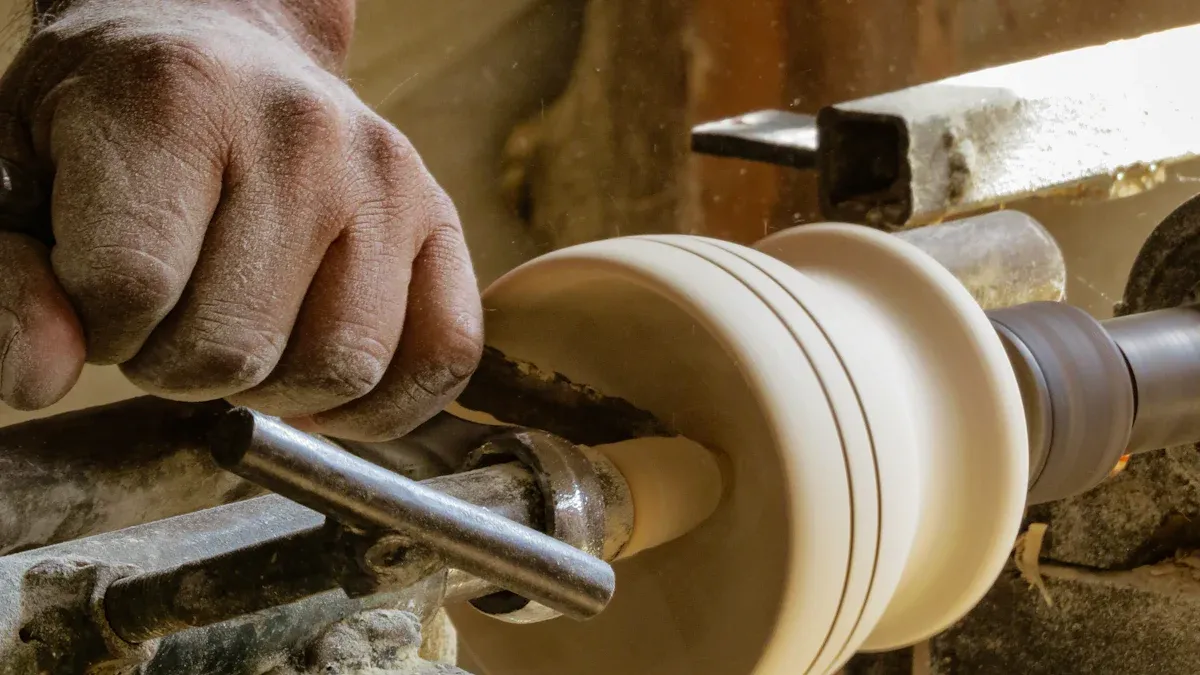
If tight tolerance is the skeleton of a luxury watch, then finishing is its soul. This is where a watch transcends from a high-quality machine to a work of art. Finishing refers to the decorative and protective treatments applied to every surface, from the broad plates of the movement to the tiny head of a screw. This meticulous work is a direct signal of expert craftsmanship. It demonstrates a commitment to perfection far beyond what is necessary for function. The quality of these finishes is a key reason for the high value of luxury watches.
UNDERSTANDING EDGE-POLISH QUALITY
The most celebrated finishing technique is edge polishing, known in French as anglage. This is the art of hand-finishing the angles of components. A watchmaker first cuts down the sharp, 90-degree edges of a part, like a movement bridge. They create a smooth, consistent 45-degree bevel. This process is also called chamfering. The true luxury, however, lies in the next step.
The artisan then polishes this new surface to a brilliant shine. This is not a simple buffing process. It requires immense skill and specific tools.
- Files: Artisans use fine files to define the initial shape of the bevel.
- Gentian Wood: They use small sticks of gentian wood to hold polishing compounds. This wood has a unique core that holds the paste effectively.
- Diamond Paste: The gentian wood is charged with diamond paste of progressively finer grits.
The watchmaker meticulously rubs the bevel until it achieves a perfect mirror shine. A key sign of true hand-finishing is the presence of sharp, inward-pointing corners. Machines cannot create these clean interior angles. This level of detail separates genuine luxury from mass-produced quality. Other techniques like Perlage (circular graining) and Côtes de Genève (Geneva stripes) also add beauty and trap dust, but the flawless execution of anglage remains a pinnacle of watchmaking craftsmanship. The perfect sapphire crystal of a watch acts as a window, showcasing this incredible detail.
HOW POLISHING MANIPULATES LIGHT
Polishing is fundamentally about controlling light. The way a surface reflects light determines how we perceive its shape, texture, and quality. This is based on a principle called specular reflection. A perfectly smooth, mirror-polished surface reflects light like a mirror. Light rays bounce off at the same angle they hit. This creates a bright, sharp reflection. The high clarity of a sapphire crystal allows this effect to be seen without distortion.
In contrast, other finishes create diffuse reflection. They scatter light in many directions. This results in a softer, non-glare appearance. Watchmakers use this contrast to create visual drama.
- Brushed Finish: This finish has fine parallel lines. It scatters light in a specific direction, reducing glare but keeping some sheen.
- Satin Finish: This is smoother than a brushed finish. It diffuses light more broadly for a subtle, elegant glow.
- Sandblasted Finish: This creates a rough, grainy texture. It scatters light extensively, resulting in a completely matte, non-reflective surface.
A master artisan will combine these finishes on a single watch. A case might have a brushed top surface, polished beveled edges, and a satin-finished side. This interplay of textures makes the watch visually dynamic. It highlights the architecture of the case and bracelet, turning the watch into a small sculpture that plays with light. The clarity of the sapphire enhances this visual depth. The sapphire itself is polished to perfection to achieve this.
THE 'BLACK POLISH' DETAIL
At the highest level of luxury finishing is a technique known as poli noir, or "black polish." This is a perfect, distortion-free mirror finish applied to a flat surface, usually a steel component like a screw head. When light hits it directly, it reflects perfectly like a mirror. When viewed from an oblique angle where no light is reflecting toward the eye, the surface appears completely black. This effect is a definitive sign of ultimate craftsmanship.
The process to achieve black polish is incredibly demanding. An artisan fixes a screw into a special holder. They then polish the head on a tin plate coated with a fine diamond paste. They move the screw in a circular motion with extreme care. The goal is to remove every microscopic scratch until the surface is absolutely flat. One tiny mistake can ruin the part. The sapphire crystal must have exceptional clarity to reveal the perfection of this finish.
Renowned watchmakers like Philippe Dufour are masters of this art. He applies black polish to numerous steel parts in his watches. This detail serves no mechanical function. A simple screw would work just as well. However, its purpose is to signal an uncompromising dedication to perfection. While the finish does offer some resistance to corrosion, its primary role is aesthetic. It is a silent testament to the highest standards of luxury. The flawless sapphire allows owners to appreciate this detail. The quality of the sapphire matches the quality of the finish. The sapphire is a key part of the overall luxury experience for these watches.
FROM PRECISION TO PRICE: JUSTIFYING LUXURY
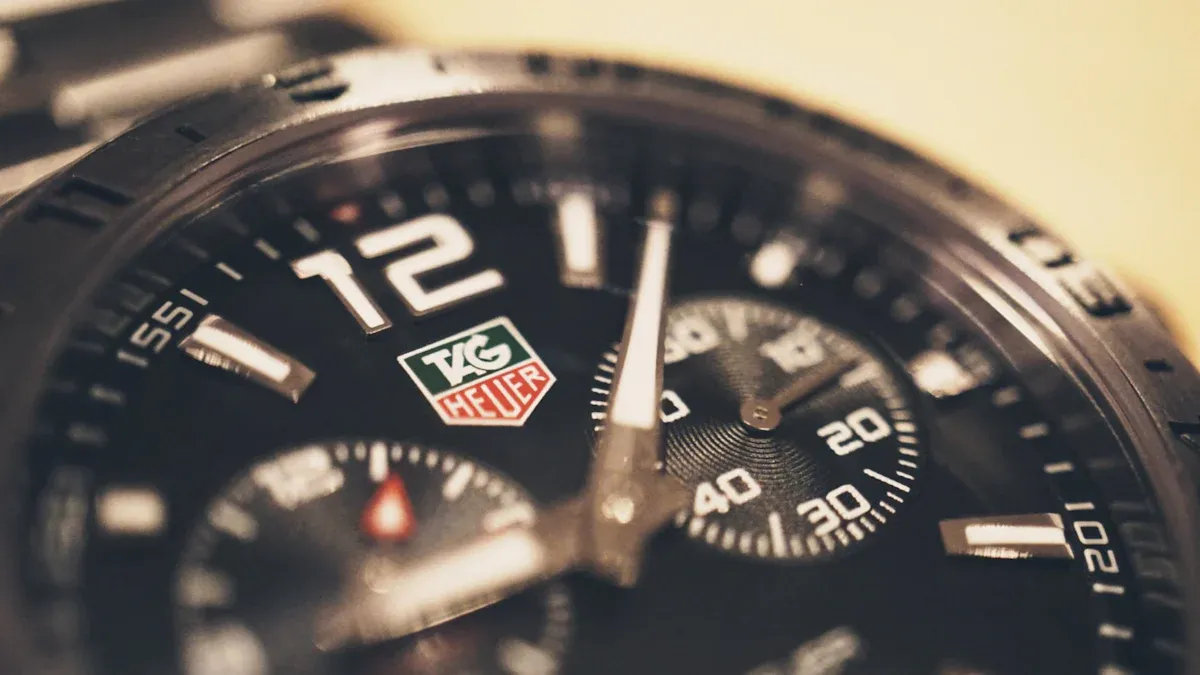
The microscopic details of tolerance and finishing directly translate to the high price of luxury watches. These elements are not just features; they are the foundation of a timepiece's value, prestige, and investment potential. Understanding this connection explains why true luxury commands a premium. The price reflects a deep investment in quality and craftsmanship, which in turn builds brand reputation and ensures lasting value. This investment is key to the prestige and rarity of these watches.
THE COST OF PERFECTION
The pursuit of perfection in luxury timepieces is an expensive endeavor. The difference in cost between a machine-finished component and a hand-finished one is immense. This cost difference is a primary driver of the final price and a key factor in the investment value of luxury watches. The rarity of this skill adds to the prestige and investment potential.
- Hand-finished parts with techniques like anglage are significantly more expensive. They require immense skill and many hours of labor.
- High-precision machines have greatly reduced the cost of mass-produced components, making them faster and cheaper to produce.
- Major brands often limit extensive hand-finishing to control costs, making watches with such craftsmanship objects of rarity and higher investment value.
- This dedication to manual craftsmanship is what justifies the high price and solidifies the investment potential of top-tier luxury watches.
This commitment to perfection is a major part of the investment. It creates rarity and prestige, enhancing the overall value and investment potential. The brand reputation is built on this quality, making it a sound investment.
DEMONSTRATING VALUE IN RETAIL
In a luxury boutique, these details become powerful sales tools that build perceived luxury. A skilled sales associate uses a jeweler's loupe to bridge the gap between price and value. They invite a customer to look closer. This act transforms abstract quality into a tangible experience, reinforcing the brand reputation and the value of the investment. The exclusivity of the piece becomes clear.
Under magnification, the flawless polish on a watch hand or the perfect, gapless fit of a bracelet becomes undeniable proof of superior craftsmanship. This moment justifies the investment.
This demonstration is crucial for selling investment watches. It shows why one of these investment watches is a better choice. It helps customers understand the value, rarity, and prestige they are acquiring. This experience solidifies the brand reputation and turns a purchase into a luxury watch investment. The exclusivity of the craftsmanship is made visible, justifying the price and confirming the piece as a wise luxury watch investment. These investment watches represent a tangible asset with strong investment potential. The exclusivity and value are clear.
The feeling of perceived luxury is not an abstract concept. It rests on a foundation of measurable precision and meticulous craftsmanship. The quality of luxury watches comes from details like tolerance, measured in microns. This is the silent language of ultimate quality. This understanding of luxury justifies the investment in these fine watches.
The next time a person handles luxury timepieces, they can look for these details. This new perspective reveals the true craftsmanship that defines luxury and makes these luxury watches worthy investments. These watches are a testament to true luxury.
FAQ
What factors increase a watch's investment potential?
A watch's investment potential depends on several key factors. Brand prestige and historical significance are crucial. The rarity of a model, especially limited editions, greatly increases its value. The overall investment potential also reflects the watch's condition and historical significance. This investment has strong investment potential.
How does historical significance affect a watch's value?
Historical significance adds immense value to a watch. A timepiece with historical significance tells a story. This narrative enhances its prestige and rarity. The best investment watches often have historical significance. This historical significance boosts investment potential and the overall value of an investment. The historical significance confirms its value.
The best investment watches combine historical significance with rarity. This combination creates strong investment potential. A luxury watch investment with historical significance holds its value. The investment potential for such a piece is high. An owner's watch collection gains prestige and value from this investment.
Are limited editions a good luxury watch investment?
Yes, limited editions are often a great luxury watch investment. Their built-in rarity drives up demand and value. These investment watches have high prestige. The best investment watches are often limited editions. This rarity enhances their investment potential. A collection with these pieces shows great investment potential.
Why are some brands considered the best investment watches?
Certain brands represent the best investment watches due to their consistent quality and prestige. Their historical significance and rarity create lasting value. A person making an investment in these brands secures strong investment potential. The value of this investment grows. This makes them a top choice for any watch collection.