Perceived Luxury The Role of Finish Quality

True luxury in hospitality communicates through a silent language of precision. The human brain subconsciously interprets seamless fits and smooth finishes. These details signal immense care, value, and quality, forming the core of perceived luxury.
Minute details create a premium guest experience. The gap between a door and its frame is not a minor point. The edge of a marble counter defines the space. These elements are the very foundation of a premium guest experience.
The Psychology of Precision

The human brain processes a constant stream of multi-sensory information. It is inherently wired to find structure, logic, and patterns. This cognitive tendency helps people make sense of the world around them. Our minds favor symmetrical forms and simple shapes because they are easier to process. The brain simplifies complexity, organizing visual information to find order and regularity. This psychological foundation explains why precision in a physical space creates a powerful, positive response. Tight tolerances and seamless connections satisfy the brain's subconscious need for order, creating a visual sense of calm and a tactile feeling of quality.
Seamless Surfaces
Seamless surfaces create a calm, monolithic look. They eliminate visual noise and allow the quality of the materials to stand out. Imagine perfectly aligned marble slabs in a lobby. They appear as a single, uninterrupted stone canvas. This effect is not accidental. It is the result of extreme precision.
Modern millwork and construction rely on advanced engineering to achieve this look. CNC (computer numerically controlled) machinery operates within very tight tolerances. This technology allows for the pinpoint accuracy needed for complex projects. Architectural achievements showcase this principle beautifully.
- Sheikh Zayed Bridge (Abu Dhabi): This structure features a flowing stone facade. Limestone panels create a rippling effect through precise cutting and shaping.
- Lotus Temple (New Delhi): This building uses marble cut and assembled into intricate petal-like forms, showing how tight tolerances can create complex, seamless geometry.
Flush-mounted fixtures are another key element. They integrate technology into walls and ceilings without breaking the visual plane. This approach removes distractions and enhances the feeling of intentional, minimalist design.
This integration offers clear benefits that contribute to a hotel's luxury image.
| Benefit Category | Impact on Hotel Interiors |
|---|---|
| Aesthetic Purity | Creates pristine, minimalist interiors, reinforcing brand identity. |
| Functional Enhancement | Integrates technology smoothly, improving user experience without visual clutter. |
| Design Flexibility | Offers limitless possibilities for bespoke architectural integration. |
| Long-Term Value | Ensures spaces remain timeless and modern. |
In contrast, the brain immediately registers imperfections. Wide or uneven gaps have a significant negative psychological impact. Guests interpret these flaws as signs of:
- Poor quality or poor assembly
- The item being cheaper or less solid
- A lack of durability and reliability
- General neglect or poor craftsmanship
These small visual disruptions break the narrative of quality and lower the perceived value of the entire space.
The Feel of Solidity
Luxury is not just seen; it is also felt and heard. The physical characteristics of materials, like weight and texture, strongly influence a guest's perception of quality. Research shows a clear link between an object's weight and its valuation. Thicker, heavier materials like solid wood and stone are consistently perceived as more expensive and of higher quality. The tactile experience of touching a heavy, cool stone countertop or a solid wood door builds trust and creates a strong emotional connection to the brand.
This principle extends to sound. The satisfying sound of a heavy, well-fitted door closing is a carefully engineered acoustic event. The field of psychoacoustics studies how people respond to sound. A low-frequency 'thud' is widely perceived as 'high class', while a thin, tinny sound suggests cheapness. Achieving this impressive sound is a complex process.
- Multiple Contact Points: The sound begins with contact between weatherstrips, latches, and strikers.
- Latch Mechanism: The latch mechanism releases and transfers energy as it engages.
- Energy Dissipation: This energy moves through the door's hollow cavities, which convert the energy into sound.
- Harmonization and Damping: The final 'thunk' is achieved by harmonizing these sounds and damping unwanted noises like rattles or ringing tones.
The result is a muffled, short-duration sound that grabs attention in a positive way. It conveys solidity, attention to detail, and refinement. This single auditory cue can elevate the entire perceived luxury of a room, reinforcing the message that every detail has been meticulously considered.
The Visual Impact of Edge Quality
Beyond the fit of surfaces, the treatment of their edges offers another powerful, subconscious signal of quality. The shape and finish of an edge—whether on a countertop, a piece of furniture, or an architectural element—directly influence how a guest perceives its value, safety, and sophistication. This detail is where material meets space, and its execution speaks volumes.
Smooth vs. Sharp Edges
The shape of an edge has a profound psychological impact. Research in environmental psychology shows that the human brain associates different emotions with curved versus angular forms.
Studies indicate that curved shapes evoke positive emotions like safety, friendliness, and relaxation. Sharp angles, in contrast, can trigger feelings of threat or discomfort. This preference is rooted in biomimicry, as our minds find comfort in the organic shapes that dominate the natural world.
Designers leverage this principle to shape the guest experience. A hotel aiming for a serene, welcoming atmosphere may favor soft, rounded edges on its furniture and fixtures. The Springfield Pet Hospital in China, for example, used curved forms to create a calming environment for anxious pet owners. Conversely, sharp, crisp edges create a feeling of precision, modernity, and minimalist strength.
In hospitality design, this choice is most apparent in stone and solid surface fabrication. The edge profile of a countertop is not just a functional decision; it is a key aesthetic choice. Common profiles include:
- Eased Edge: A minimalist option with slightly softened, square corners. It avoids harsh lines and is ideal for clean, modern designs where restraint is key.
- Beveled Edge: Features a distinct 45-degree angle cut along the top. This adds a touch of sharp geometry that plays beautifully with light, creating defined lines.
- Full Bullnose Edge: A completely rounded profile that offers a soft, traditional, and touchable feel. It eliminates all sharp corners, making it feel safe and comfortable.
The choice of edge profile helps build the hotel's design narrative, whether it aims to be a comforting retreat or a cutting-edge architectural statement.
The Play of Light on Polish
The finish of an edge determines how it interacts with light, a critical factor in perceived luxury. A high-quality polish can turn a simple material edge into a dynamic visual element. The difference lies in how the surface scatters or reflects light.
| Feature | Matte Finish | High-Polish (Glossy) Finish |
|---|---|---|
| Light Diffusion | Even, diffused glow | Bright, concentrated reflections |
| Surface Texture | Soft, non-reflective | Shiny, reflective surface |
| Glare | Reduces glare | Can cause glare and harsh reflections |
| Visual Effect | Creates a cozy, understated feel | Visually opens up a space |
A high-polish finish acts like a mirror, creating sharp, bright lines of light called specular highlights. Lighting designers use this effect intentionally. By placing directional light sources, such as chandeliers or spotlights, they can "draw" with light across polished edges, accentuating the form of a reception desk or bar top. This technique highlights the perfect geometry of the edge and signals a superior level of refinement. ✨
Achieving this flawless, mirror-like polish is a testament to meticulous craftsmanship. It is a multi-stage process that requires skill, patience, and precision.
The process of polishing hard stones like marble or granite is not a simple task. It involves a careful progression of grinding and honing, moving from coarse to incredibly fine diamond pads to systematically remove every microscopic scratch.
The typical steps reveal the intense labor involved:
- Surface Preparation: The process begins by securing the slab and cleaning the surface.
- Initial Grinding: A low-grit diamond pad (e.g., 50-200 grit) removes saw marks and levels the surface.
- Progressive Honing: The artisan works through a series of progressively finer grit pads (e.g., 400, 800, 1500 grit), with each step removing the finer scratches left by the previous one.
- Final Polishing: The final stage uses an ultra-fine pad (3000 grit or higher) and a polishing compound to bring the surface to a high-gloss, reflective sheen.
- Sealing: A sealer is applied to protect the pristine finish from stains and moisture.
This painstaking process is what creates the flawless, liquid-like surface that defines luxury. When a guest runs their hand over a perfectly polished bullnose edge or sees the crisp reflection of light on a beveled one, they are subconsciously registering the immense care and effort invested in that single detail.
The Cumulative Effect on Perceived Luxury
Individual details like a smooth edge or a tight seam are powerful on their own. Their true impact, however, comes from their consistent application across an entire property. This consistency transforms isolated moments of quality into a powerful, cumulative experience of perceived luxury.
A Narrative of Meticulous Care
A hotel builds a powerful narrative of meticulous care through unwavering attention to detail. Every element, from the lobby's design to the texture of the linens, contributes to a cohesive brand story. When guests encounter flawless finishes everywhere they look and touch, they subconsciously register a deep commitment to excellence. This consistent delivery of quality across all touchpoints builds trust and familiarity.
This strategy helps guests connect deeply with the brand. A cohesive story is memorable and encourages guests to share their positive experiences. Great brands live their story, they do not just tell it.
- The brand's core values, like luxury or sustainability, are threaded through the décor and amenities.
- A consistent visual identity and tone of voice ensure brand recognition and trust.
- The guest experience becomes the ultimate proof of the brand's promise.
- Small, thoughtful details show empathy and build loyalty.
This consistent narrative fosters brand love and translates a superior experience into positive reviews and repeat visits.
The ROI of Finish Quality
The investment in superior finish quality directly contributes to a hotel's profitability. This happens through the principle of "perception of quality costs." Many travelers base booking decisions on perceived value, not just price. A higher price point often signals premium services and exclusivity, shaping how guests perceive a brand. The feeling of perceived luxury justifies a premium.
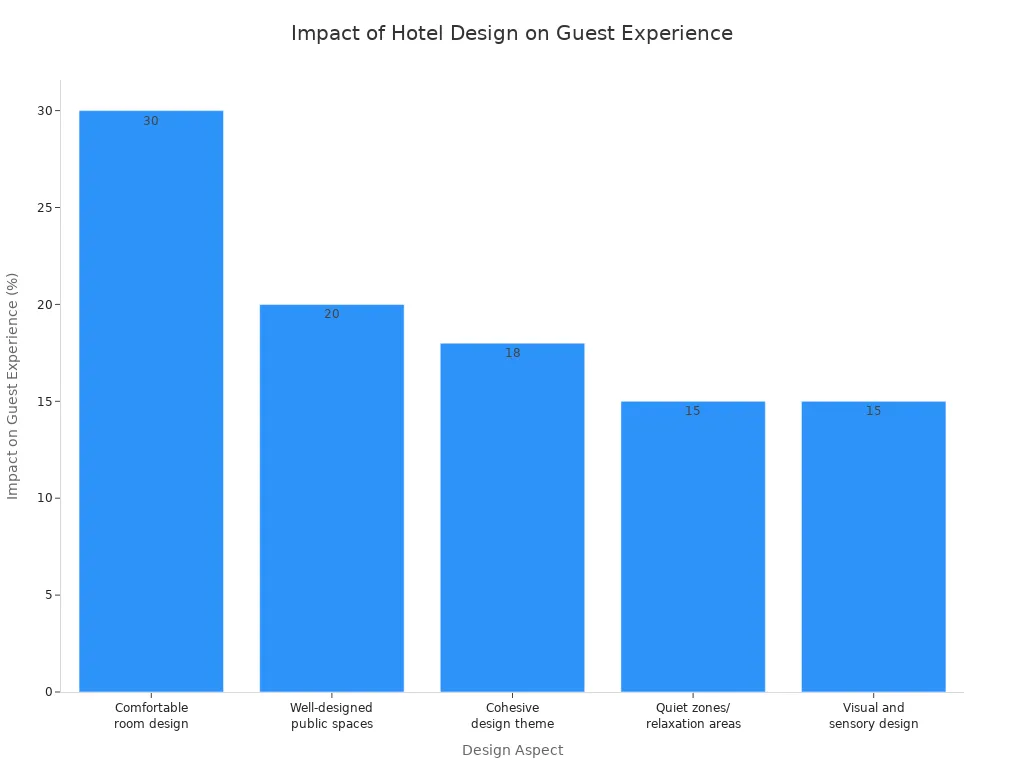
Excellent design and finish quality have a measurable impact on guest satisfaction and behavior. Investing in these areas is a direct contribution to the hotel's image and bottom line.
Ultimately, the cost of achieving perfect tolerances and polished edges is not an expense. It is a strategic investment in brand equity. It allows a hotel to command higher rates, secure guest loyalty, and solidify its position in the competitive luxury market.
True perceived luxury arises from precision and refinement, not just the materials used. These details form a non-verbal language of quality. They speak directly to a guest's subconscious, elevating a good hotel to an unforgettable one. This meticulous attention to detail communicates immense value and care.
In the competitive world of luxury hospitality, the final millimeter is what defines the entire experience and justifies the premium. 🏨
FAQ
Why do small gaps matter in luxury design?
The human brain notices imperfections like uneven gaps. People see these flaws as signs of poor craftsmanship and low value. Consistent, tight fits create a sense of calm and precision. This seamlessness tells guests the space is high-quality and well-built.
What is the difference between a honed and a polished finish?
The main difference is how they reflect light.
- Honed Finish: Creates a soft, matte look with low sheen. It feels smooth and natural.
- Polished Finish: Creates a glossy, mirror-like surface. It reflects light sharply, highlighting the material's color and depth.
How does sound contribute to a feeling of luxury?
Sound powerfully influences perception. A heavy door closing with a solid 'thud' signals quality and security. Engineers design these sounds carefully. This auditory detail shows guests that the hotel has considered every aspect of their experience, reinforcing the feeling of luxury. 👂
Is investing in high-quality finishes worth the cost?
Yes, it is a strategic investment. Superior finishes allow a hotel to justify premium rates. They build a strong brand image and increase guest loyalty. This investment directly contributes to long-term profitability and a hotel's reputation for excellence.