Perceived Luxury in Retail Environments


Subtle manufacturing details significantly influence a retail space's perceived luxury. The precision of fixture assembly and the quality of material finishes are key factors. These elements subconsciously communicate brand quality and care to every customer.
Note: Viewing these details as investments, not expenses, is a strategic choice. A flawless finish quietly signals a brand's commitment to excellence.
Understanding Fixture Precision: Tolerance and Edge-Polish

Precision manufacturing transforms standard materials into elements of perceived luxury. Two critical details, tolerance and edge-polish, dictate the final quality of any retail fixture. They are the foundation of a premium in-store experience.
Defining 'Tolerance' in Manufacturing
Tolerance in manufacturing refers to the acceptable range of variation for a component's size. This technical specification ensures every part fits together perfectly. When designers hold manufacturers to tight tolerances, the result is a seamless and solid final product.
Loose tolerances, however, create noticeable defects that undermine a brand's image. These flaws communicate carelessness and poor quality to customers. Common issues include:
- Misalignment: Components fail to fit together correctly, creating uneven gaps and crooked lines.
- Warping: Fixture surfaces or panels bend or twist from their intended shape, disrupting the clean, professional look.
These imperfections prevent fixtures from appearing as a single, cohesive unit and can make an entire display feel cheap and unreliable.
The Importance of 'Edge-Polish' Quality
Edge-polish quality refers to the smoothness and reflectivity of a fixture's edges. A perfectly polished edge feels smooth to the touch and catches the light, signaling high value. Achieving this finish requires expert techniques like diamond polishing, flame polishing, or meticulous hand polishing.
The visual impact of a quality polish is significant. Glossy, reflective surfaces interact with store lighting to enhance a product's appearance. This subtle detail can dramatically influence customer perception.
Light's Role in Perception 💡
The way a surface interacts with light directly shapes its visual appeal.
Surface Type Visual Impact Glossy Surface Reflects light, enhances color, and creates a sleek, modern feel. Textured Surface Absorbs light, reduces glare, and adds depth or warmth.
A brilliant, mirror-like edge on an acrylic display makes the fixture itself look like a piece of jewelry, elevating the products it holds.
The Psychology of Precision: Shaping Perceived Luxury
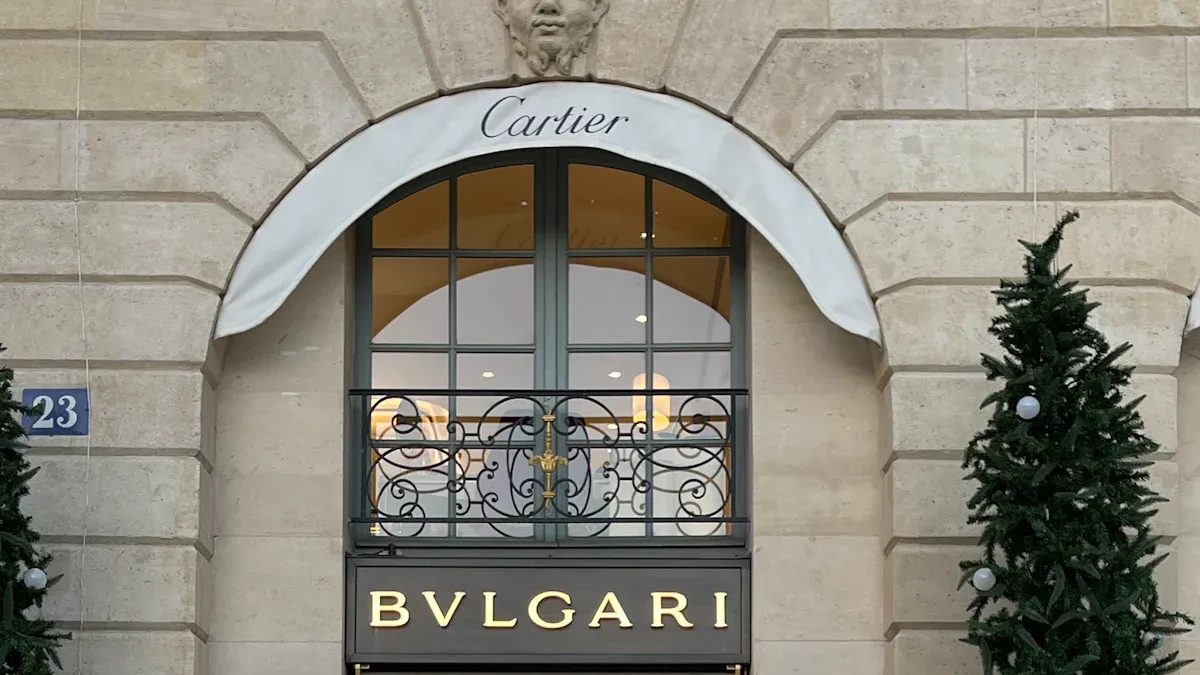
The technical details of manufacturing have a profound psychological impact on customers. Precision in fixtures does more than just ensure a good fit; it speaks a silent language of quality and care. This communication directly shapes a brand's perceived luxury and influences purchasing decisions.
How Tight Tolerances Build Trust
Humans subconsciously seek order and harmony. Our brains are wired to favor symmetry because it is easier to process and creates a feeling of balance. This preference extends directly to the retail environment.
- Symmetry and Order: The human mind naturally groups visual elements that are arranged symmetrically. Designers use this principle to create pleasing and trustworthy interfaces.
- Professionalism and Cleanliness: Seamless joints and perfect alignment in fixtures create a powerful impression of professionalism. Research shows that smooth, shiny surfaces are associated with cleanliness, which significantly boosts consumer confidence.
When fixtures fit together flawlessly, they project an image of control, competence, and attention to detail. This visual order makes a space feel safer and more reliable. Customers transfer this feeling of trust from the fixture to the brand and its products.
Conversely, misaligned components and visible gaps communicate the opposite message. They create a subtle but persistent feeling of neglect.
Walk into a store that hasn’t seen an update in seven years and you’ll feel it immediately. The lighting is off. The fixtures are worn. The layout doesn’t support how customers shop today. Yet it’s still open, still operating – on paper, still ‘fine.’ The problem is, ‘fine’ can be a very expensive lie.
These physical inconsistencies cause customers to emotionally disconnect from a brand. Even if a store is technically operational, worn or poorly assembled fixtures erode loyalty and create a negative subconscious impression that undermines the entire brand experience.
How Quality Polish Conveys Value
A quality finish elevates a fixture from a simple container to an object of value. This transformation works through sensory details that trigger positive psychological associations, enhancing the perceived luxury of the products on display.
The visual appeal of a polished surface is immediate. Advanced lighting techniques used in automotive and jewelry marketing show how reflective surfaces create a high-end feel. A brilliant, mirror-like edge on a display case catches light like a gemstone, making the fixture itself an object of desire. This creates a powerful cognitive bias known as the halo effect.
The halo effect is the tendency to transfer a positive impression of one attribute to another.
| Application | Outcome |
|---|---|
| Premium Fixture | A customer sees a beautifully lit, perfectly polished display case. |
| Product Perception | The customer assumes the products inside are also high-quality, valuable, and desirable. |
For example, one retailer saw a 10% sales lift for smartwatches after placing them in LED-lit glass cases. The premium display made the products feel more premium.
Touch provides another layer of confirmation. Studies in sensory marketing show that people automatically associate smooth surfaces with sophistication and quality. When a customer runs their hand over a perfectly smooth counter or display, the positive tactile interaction reinforces the visual message. This physical feedback confirms the product's high quality, making the experience more memorable and persuasive.
Applying Precision in Key Retail Sectors
The principles of precision manufacturing apply across all retail environments. Specific sectors, however, see a dramatic return on investment when they focus on fixture quality. These examples show how tolerance and polish directly influence customer perception and sales.
Elevating Supermarket Displays
Precision fixtures make food products look fresher and more appealing. In supermarkets, visual stimuli are the most powerful way to capture a shopper's attention. Well-polished displays in the produce section reflect light, making fruits and vegetables appear more vibrant and justifying premium prices.
In deli and bakery sections, the right materials convey cleanliness and quality. Fixtures built with tight tolerances from premium materials signal a commitment to hygiene.
| Material | Perceived Quality |
|---|---|
| Stainless Steel | Its non-porous surface and sleek look communicate hygiene and professionalism. |
| Quartz | This engineered stone offers a modern, elegant look that resists stains and bacteria. |
These material choices, combined with seamless construction, build shopper trust in the freshness of unpackaged foods.
Differentiating Convenience Stores
Superior fixtures can transform a convenience store's image from transactional to experiential. A well-designed space feels safer, cleaner, and more upscale than its competitors. One chain, Houchens Crossroads Express, used curved food cases and accent lighting to create a fresh, upscale concept.
A Smart Investment 💡 Upgrading on-shelf lighting is a highly cost-effective remodel. This single change can increase sales by 5-7% and pays for itself quickly.
Precise, well-maintained fixtures at the coffee station or checkout counter are especially important. A clean, solid counter communicates operational excellence and encourages repeat business.
Reinforcing Premium Tobacco Retail
Luxury tobacco retail requires flawless fixtures to convey product value. Here, the display case is an extension of the product itself. Flawless humidors and display cases are essential for communicating the exclusive nature of premium cigars.
These fixtures depend on exceptional craftsmanship.
- Materials: High-quality woods like Spanish cedar are essential. They preserve the product's flavor and aroma.
- Finishes: A high-gloss lacquer finish, sometimes applied in over a dozen layers, creates a deep, jewel-like appearance.
This meticulous attention to detail in the fixture's construction reinforces the specialty nature and high value of the products inside.
Manufacturing details like tolerance and edge-polish are foundational to a brand's perceived luxury. Investing in high-quality fixtures is a direct investment in customer trust and brand image. These details create the positive feeling that makes a store a destination.
You walk into a retail store, whatever it is, and if there’s a sense of entertainment and excitement and electricity, you wanna be there. — Howard Schultz, Former CEO, Starbucks
Retailers should audit their fixtures. Improving these specific details elevates perceived luxury and creates a powerful competitive advantage.
FAQ
Why are small details like fixture gaps important?
Customers subconsciously link fixture imperfections to brand carelessness. Visible gaps and misalignments suggest low quality and a lack of attention to detail. This perception undermines brand trust and makes an entire retail space feel cheap and unreliable.
Is investing in high-quality fixtures cost-effective?
Yes, it is a strategic investment. Premium fixtures enhance perceived brand value and build customer loyalty. A well-designed environment encourages repeat business and supports premium pricing, delivering a strong return on investment over time.
What is the 'halo effect' in retail?
The halo effect is a cognitive bias. A positive impression of one thing (the fixture) transfers to another (the product). A premium display makes the items inside seem more valuable.
| Cause | Effect |
|---|---|
| Beautiful Fixture | Customer perceives the fixture as high-quality. |
| Product Perception | Customer assumes the product is also high-quality. |
Which retail areas benefit most from precision fixtures?
High-impact zones see the greatest benefit from fixture upgrades. Retailers should prioritize these areas to maximize influence on customer perception.
- 🛒 Checkout counters and entryways
- 🍎 Fresh produce and deli sections
- 💎 High-value product displays