Gallery & Museum Compliance Checklist Guide

Institutions must prioritize safety to protect their people and collections. Academic labs can be eleven times more dangerous than industrial ones. In 2008, a UCLA researcher died from severe burns. She worked alone and lacked proper protective gear. This tragedy highlights the critical need for a structured safety approach. A thorough compliance checklist helps prevent accidents. It ensures a secure environment for staff, visitors, and priceless assets.
Material & Chemical Compliance Checklist
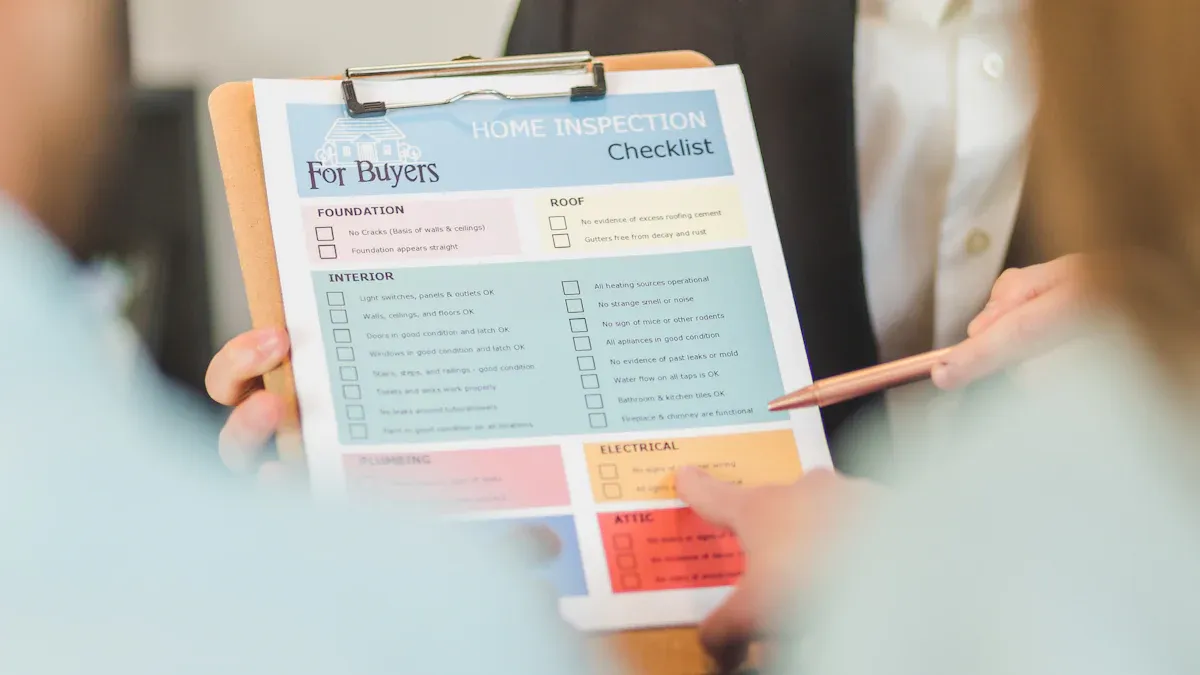
Properly managing materials is fundamental to museum and gallery safety. From historical artifacts to conservation supplies, many items can pose significant risks if handled incorrectly. A robust material compliance checklist ensures every chemical and object is identified, stored, and disposed of safely.
Identifying Hazardous Materials
Institutions must first identify all hazardous materials within their collections and workspaces. Hazards can be inherent to an object's design or acquired through deterioration.
- Inherent Hazards: Some objects are hazardous by nature. Examples include old munitions, chemical sets, and taxidermy mounts treated with arsenic.
- Acquired Hazards: Other materials become dangerous over time. Old cellulose nitrate film can spontaneously combust, while deteriorating asbestos plaster can release harmful airborne fibers.
Common hazardous items include aerosol cans, old batteries, flammable solvents, and even household products like insecticides.
Safe Handling & Storage
Safe handling and storage procedures prevent accidents. OSHA requires facilities to control leaks and clean up spills promptly. Combustible waste must be kept in closed metal containers. It is critical to segregate incompatible chemicals. For example, staff should store acids and bases separately. Storing chemicals alphabetically is unsafe unless they are compatible.
| Cabinet Type | Recommended Use |
|---|---|
| Flammable Cabinet | For solvents, fuels, and other flammable liquids. |
| Corrosive Cabinet | For acids and bases, using corrosion-resistant materials. |
| Vented Cabinet | For chemicals that release toxic vapors. |
Managing Safety Data Sheets (SDS)
OSHA mandates that an SDS must be available for every hazardous chemical on-site. These documents must be readily accessible to all employees during their work shifts. The Globally Harmonized System (GHS) provides a standard 16-section format for every SDS.
An SDS provides critical information, including:
- Hazard Identification
- First-Aid Measures
- Handling and Storage Guidance
- Exposure Controls & Personal Protection
Compliant Waste Disposal
Museums and labs generate hazardous waste from various sources, including art studios and maintenance operations. The EPA requires facilities to follow specific disposal protocols.
- Identify: Determine if waste is hazardous (ignitable, corrosive, reactive, or toxic).
- Label: Clearly label containers with contents and hazard information.
- Store: Keep waste in sealed, compatible containers.
- Dispose: Partner with a licensed provider for proper transportation and disposal.
Facility & Environmental Safety
A safe facility is the foundation of a secure museum or gallery. The physical environment directly impacts the safety of people and the preservation of collections. This section of the Compliance checklist covers the building itself, from fire barriers to accessibility.
Structural & Fire Safety
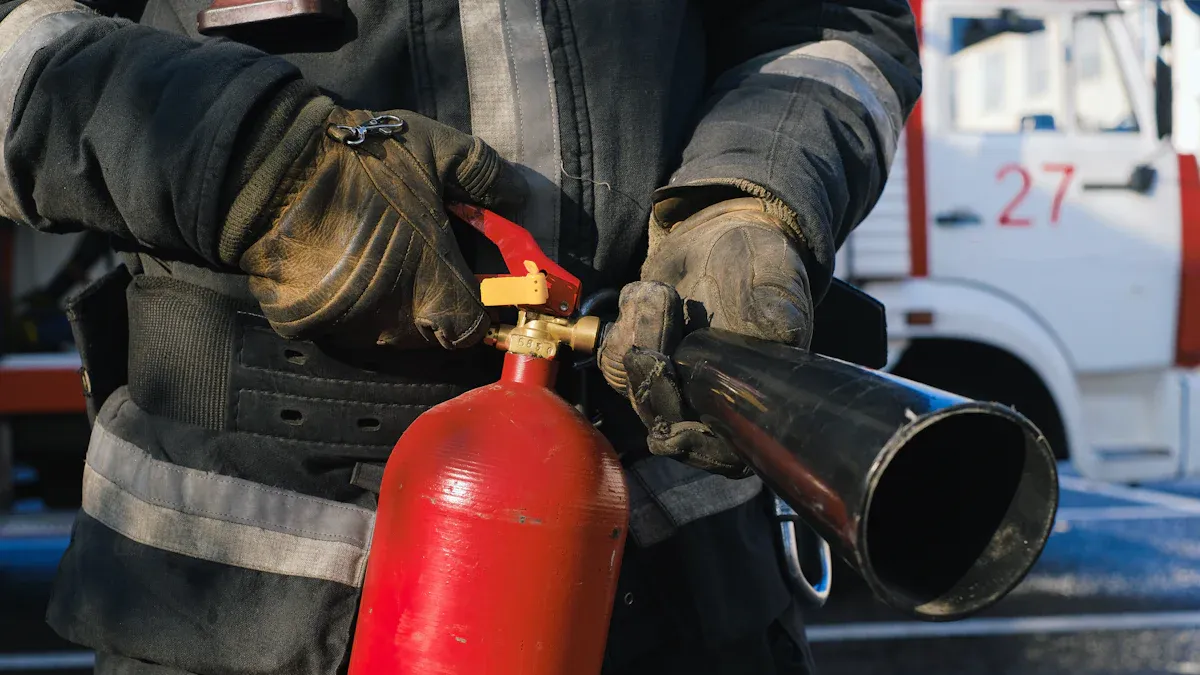
Institutions must follow strict fire safety codes, such as NFPA 909 for cultural resources. A key part of this is passive fire protection. Fire-rated doors, tested under NFPA 252, help contain fires. Staff must always keep lab and collection storage doors closed. This maintains the integrity of fire barriers and supports proper ventilation.
Active fire suppression is also critical. Facilities have several options:
- NFPA 13: Water-based sprinkler systems are reliable and cost-effective.
- NFPA 2001: Clean agent systems cause the least damage but require a sealed room.
- NFPA 750: Water mist systems offer a middle ground on damage and cost.
Equipment & Tool Maintenance
Workshop and lab safety depends on well-maintained equipment. All hand-tools and machinery must be kept in good working order. Any modification to equipment requires formal approval. OSHA standards mandate machine guarding to protect operators.
One or more methods of machine guarding shall be provided to protect the operator and other employees in the machine area from hazards such as those created by point of operation... The guarding device shall be... so designed and constructed as to prevent the operator from having any part of his body in the danger zone during the operating cycle.
Ventilation & Air Quality
Proper ventilation protects staff from hazardous fumes and preserves collections. HVAC systems control temperature, humidity, and airborne pollutants. Maintaining correct air pressure is essential. Keeping designated doors closed helps these systems function as designed, preventing the spread of contaminants or smoke.
Accessibility & ADA Compliance
Museums must provide equal access for all visitors. The Americans with Disabilities Act (ADA) sets clear rules for assembly areas with fixed seating, like auditoriums. Wheelchair locations must be integrated and dispersed throughout the seating area. This provides a choice of viewing angles and ticket prices. The number of required spaces depends on the total seating capacity. For example, a venue with 51 to 150 seats must provide at least 4 wheelchair locations.
Integrated Pest Management (IPM)
An IPM program protects collections from pests like carpet beetles and rodents. The goal is management, not just eradication. A successful IPM plan involves identifying structural issues that allow pests entry, maintaining cleanliness, and monitoring for activity. Signs of pests include frass (insect dust) and cast skins. A good plan defines clear procedures for prevention and response.
Staff & Visitor Safety
Protecting people is the highest priority for any institution. A comprehensive safety program ensures that staff, volunteers, and visitors are shielded from potential harm. This section of the compliance checklist focuses on the human element of safety, from personal gear to emergency preparedness.
Personal Protective Equipment (PPE)
Employers must provide the correct Personal Protective Equipment (PPE) for each task. OSHA requires a formal hazard assessment to determine what equipment is necessary. This includes items like safety goggles for fume and liquid protection or lab coats and aprons to prevent skin contact with chemicals. All eye and face protection must meet ANSI Z87.1 standards for impact and splash resistance.
The employer shall assess the workplace to determine if hazards are present, or are likely to be present, which necessitate the use of personal protective equipment (PPE). If such hazards are present...the employer shall: Select, and have each affected employee use, the types of PPE that will protect the affected employee from the hazards identified... —OSHA 1910.132(d)(1)
Hazard Communication (HazCom)
The OSHA Hazard Communication (HazCom) standard ensures that staff understand the risks of chemicals in their workplace. A compliant program includes several key components:
- Chemical Inventory: A complete list of all hazardous chemicals on-site.
- Safety Data Sheets (SDS): Accessible documents detailing chemical hazards and safety measures.
- Labels and Warnings: Clear labels on all chemical containers, including secondary containers like spray bottles, that identify the contents and their hazards.
- Employee Training: Instruction on how to read labels and SDSs and work safely with chemicals.
Safety Training & Documentation
Effective safety protocols depend on well-trained staff. Institutions must conduct and document regular safety training. Annual refreshers should cover essential topics, including:
- The location and review of the Chemical Hygiene Plan (CHP).
- Proper handling, labeling, and storage of chemicals.
- Locations and proper use of PPE, first aid kits, and eyewash stations.
- Emergency and evacuation procedures.
- How to access and understand Safety Data Sheets (SDS).
Emergency Action Plans
Every facility needs a written Emergency Action Plan (EAP) tailored to its specific layout and operations. This plan must outline procedures for reporting emergencies and evacuating the building. It should designate a coordinator responsible for making critical decisions. Staff must know the sound of the fire alarm, their primary and secondary exit routes, and the outdoor assembly point. Regular drills, held at least twice a year, are essential to ensure everyone knows what to do in a real emergency.
General Conduct & Policy Enforcement
Clear, written rules for conduct help prevent accidents. A critical policy is the strict prohibition of eating, drinking, and smoking in all collection, lab, and studio spaces. This rule is not just for protecting the collections; it prevents the accidental ingestion of hazardous materials. Contamination can easily transfer from surfaces or gloves to food, creating a significant health risk. Enforcing this policy is a key part of a successful safety program.
This guide covered three fundamental safety categories: material compliance, facility integrity, and people-focused protocols. A proactive safety culture and consistent audits are essential for protecting institutional assets and ensuring well-being. This compliance checklist provides a strong foundation for any safety program.
For a comprehensive evaluation, institutions should download a detailed, printable checklist. Consulting with an industrial hygiene or safety professional for a site-specific assessment is also highly recommended. 🏛️
FAQ
How often should institutions conduct safety audits?
Institutions should perform informal safety checks monthly. Formal, documented audits must occur at least annually. A safety professional can provide a comprehensive third-party assessment every few years for deeper insights and compliance verification.
What is the most common safety violation in museums?
Improper chemical management is a frequent issue. This includes failing to segregate incompatible materials or lacking accessible Safety Data Sheets (SDS). Blocked exits and propped-open fire doors are also common, serious violations.
Are small institutions exempt from OSHA rules?
No. All employers with one or more employees must comply with OSHA regulations. State-run public institutions may fall under a state-specific plan. Every facility has a fundamental responsibility to maintain a safe environment.
How should staff handle a newly discovered hazardous artifact?
Staff should first isolate the object in a secure, ventilated area. They must then consult the institution's Chemical Hygiene Plan (CHP) for specific protocols. A qualified conservator or safety officer should lead the final assessment and handling. 🏛️