What is MSDS / SDS (Material Safety Data Sheet)? Definition & Applications

One-Sentence Definition
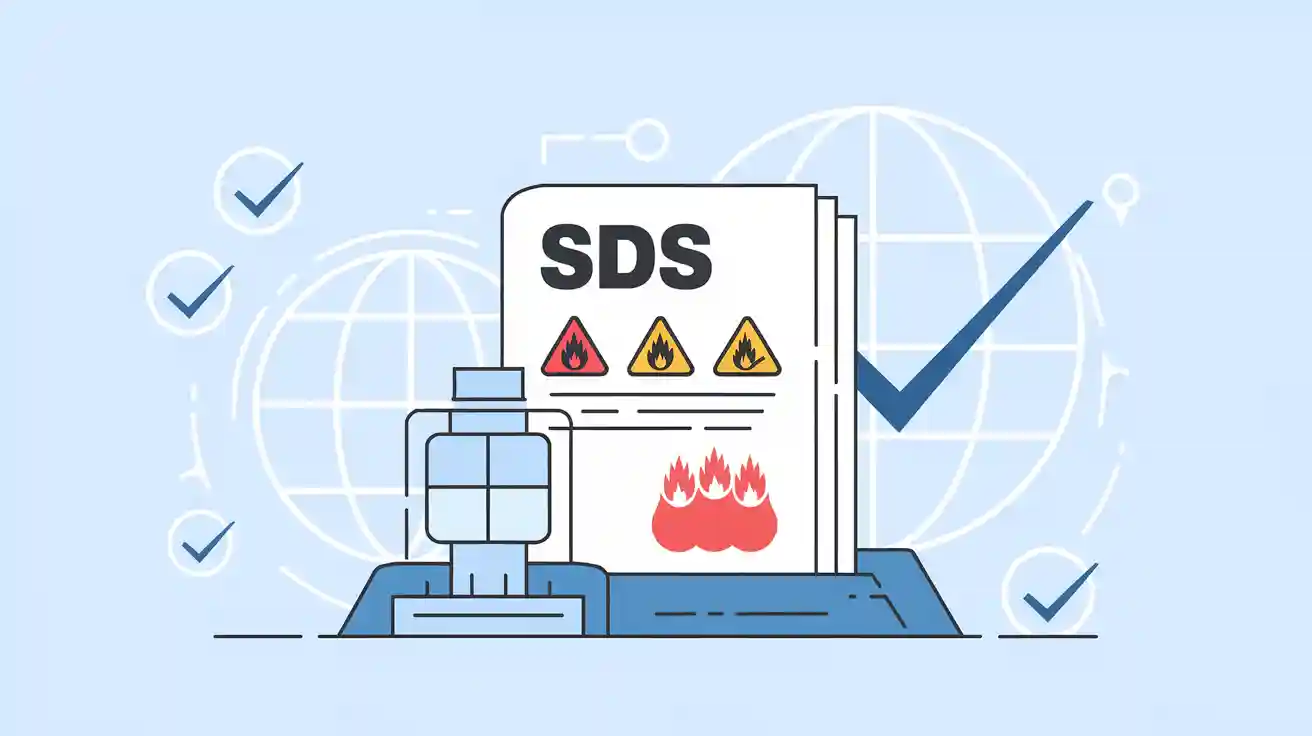
A Safety Data Sheet (SDS), formerly known as a Material Safety Data Sheet (MSDS), is a standardized document that provides essential information on the hazards, safe handling, storage, and emergency measures related to chemicals and products, ensuring occupational and environmental safety in compliance with global regulations.[OSHA]
Detailed Explanation
SDSs are critical tools for communicating chemical hazards in workplaces, manufacturing, and international trade. The transition from MSDS to SDS reflects the adoption of the Globally Harmonized System (GHS), which standardizes the format and content of these documents worldwide. While MSDS formats varied by country and supplier, SDSs now follow a unified 16-section structure, making them easier to understand and universally accepted.[Chemscape]
SDSs are not just for chemicals—they are required for many manufactured products, such as acrylic items, that may pose hazards during fabrication, storage, or transport. They are essential for regulatory compliance, workplace safety, and customer assurance, especially in export scenarios.
Key Components of an SDS
The GHS-compliant SDS consists of 16 mandatory sections:
Section | Title | Purpose/Content Summary |
|---|---|---|
1 | Identification | Product, supplier, emergency contacts |
2 | Hazard Identification | Classification, pictograms, signal words |
3 | Composition/Ingredients | Chemical identity, concentrations |
4 | First Aid Measures | Emergency response for exposure |
5 | Firefighting Measures | Suitable extinguishing methods, hazards |
6 | Accidental Release Measures | Spill response, containment |
7 | Handling and Storage | Safe practices, incompatibilities |
8 | Exposure Controls/Protection | PPE, exposure limits |
9 | Physical & Chemical Properties | Appearance, stability, flammability |
10 | Stability and Reactivity | Reactivity, hazardous decomposition |
11 | Toxicological Information | Health effects, exposure routes |
12 | Ecological Information | Environmental impact |
13 | Disposal Considerations | Safe disposal methods |
14 | Transport Information | Shipping classification, UN numbers |
15 | Regulatory Information | Applicable laws and regulations |
16 | Other Information | Revision dates, additional notes |
Real-World Application: Acrylic Products & Export Compliance
For manufacturers like Toyin Acrylic Products Co., Ltd. (TOYIN), SDSs are indispensable in both domestic and international business. For example, when exporting acrylic display stands or protective covers, TOYIN provides an SDS with each shipment to meet the regulatory requirements of markets such as the US and EU. The SDS details the flammability of acrylic, safe handling during fabrication (e.g., dust control to prevent explosions), and emergency procedures in case of fire or accidental release. This not only ensures legal compliance but also builds trust with global clients.
Acrylic SDS Example Highlights:
Acrylic sheets are classified as combustible thermoplastics.
Main hazards: flammable when exposed to high heat, may release toxic fumes if burned.
Safe handling: avoid dust accumulation, use proper PPE, store below 120°F (49°C).
Disposal: non-hazardous, but follow local regulations.
Related Concepts
GHS (Globally Harmonized System): The international standard for chemical classification and labeling, which mandates the SDS format.
REACH: EU regulation for chemical safety, often requiring SDSs for imported goods.
RoHS: Restricts hazardous substances in electrical/electronic products, often referenced alongside SDSs.
TDS (Technical Data Sheet): Focuses on product performance, not safety—complementary to SDS.
For more on the difference between MSDS and SDS, see Chemscape’s guide.
Why SDS Matters for Your Business
SDSs are not just paperwork—they are a cornerstone of safe manufacturing, responsible export, and customer confidence. For companies like TOYIN, providing accurate, up-to-date SDSs is part of delivering world-class, compliant acrylic solutions to clients worldwide.
Need compliant, custom acrylic products with full SDS support? Learn more about TOYIN’s solutions.