Caring for Acrylic Mahjong Tiles

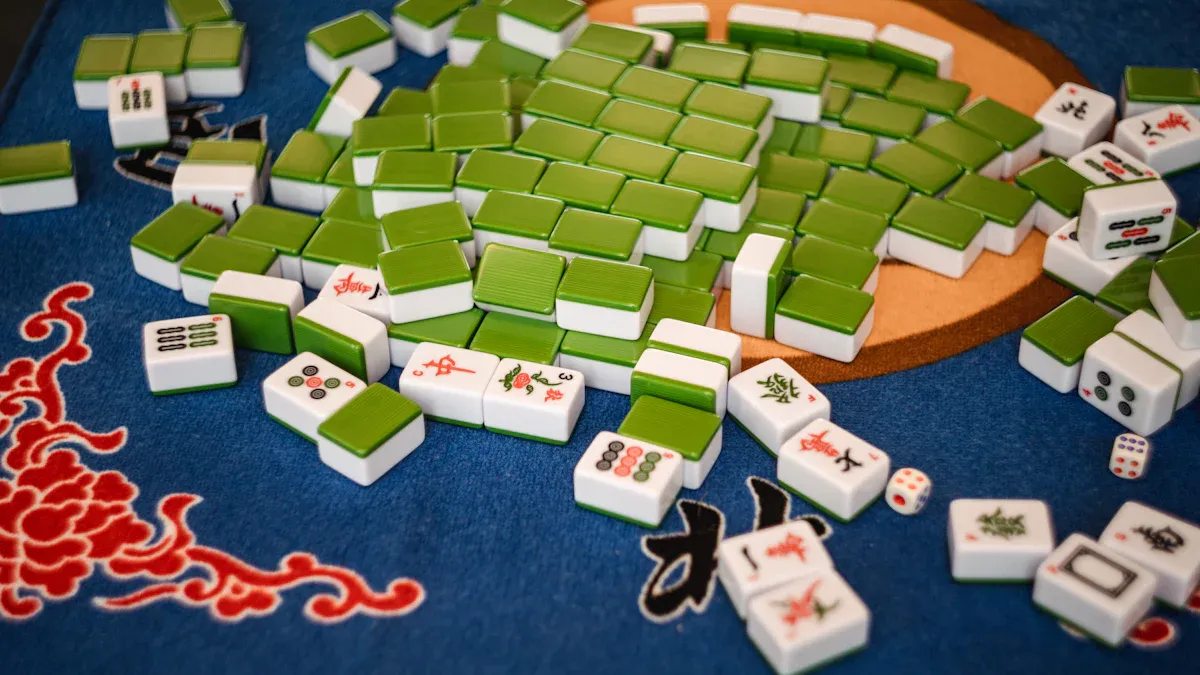
Strictly avoid isopropyl alcohol, acetone, window cleaners, boiling water, and full submersion. These harsh liquids cause micro-fracturing, layer delamination, and paint damage on acrylic tiles.
Owners preserve delicate sets with proper care. The core cleaning routine relies on a soft cloth and mild soap. First, wet the cloth in warm water mixed with liquid dish soap. Wring the material thoroughly. Wipe the acrylic mahjong pieces to clean surface oils gently.
Expert handling prevents stubborn stains on clear tiles. For quick spot treatments, wipe each item using a baby wipe or damp microfiber cloth. Recommended tools include microfiber towels and a soft-bristled toothbrush to clean polished acrylic surfaces without scratch risks.
Key Takeaways
Wash acrylic tiles carefully using warm water, gentle dish soap, and a smooth microfiber cloth.
Do not use rubbing alcohol, acetone, glass cleaners, or hot water on your tiles, as these can cause lasting cracks and destroy the outer layers.
Clean your hands before you play and keep greasy snacks away from the table to prevent dirt from gathering.
Keep your tile sets in padded boxes located in cool, dry rooms, away from bright sunshine.
Essential Rules to Clean Mahjong Tiles Safely
High-grade materials give premium game pieces exceptional visual clarity and light-reflecting polished edges. Renowned manufacturers like TOYIN produce custom multi-layer tile structures, ranging from 1-layer up to 4-layer constructions. For example, TOYIN offers custom set options featuring standard dimensions like 32 × 23 × 16 mm. These precision game pieces combine dense clarity with ideal weight. These complex multi-layer designs join distinct transparent and colored sheets together seamlessly. This layered design creates striking profile depth and vibrant color contrast across every piece. However, harsh chemical exposure easily weakens these bonded synthetic layers over time. Solvents quickly break down chemical adhesive bonds between structural layers, causing severe layer separation and edge delamination. Therefore, owners must follow appropriate cleaning methods to preserve physical structural integrity. Proper washing routines prevent permanent structural damage across all custom gaming sets.
Prolonged liquid soaking also threatens delicate multi-layer assemblies. Owners often attempt to soak dirty game pieces inside deep water baths. Submerging game pieces in liquid for extended periods forces water droplets into tiny microscopic boundary seams. Moisture settles inside the interior layers, creating permanent cloudy patches and glue failure. Game players should use a thoroughly wrung-out damp cloth instead of full liquid submersion. A damp cloth cleans surface grime efficiently while keeping interior layer joints completely dry. Moisture absorption degrades structural integrity slowly. Keeping water away from raw edges prevents costly long-term damage.
Safe Cleansers for Acrylic Surfaces
Safe routine care requires very mild washing solutions. Gentle liquid dish soap mixed into warm water provides the safest solution for removing natural skin oils, dust, and stubborn surface stains. A balanced soap mixture breaks down surface dirt easily. This mild mixture does not attack clear plastic surfaces or dissolve painted artwork. Proper dilution keeps the cleaning liquid mild and completely safe for frequent maintenance routines.
Caregivers apply mild soapy water using a soft microfiber cloth. Soft microfiber catches abrasive particles gently without scratching polished tile surfaces. An expert technician recommends light circular wiping motions around delicate laser-engraved details, custom patterns, and hand-filled colors. This gentle wiping motion lifts grease without peeling vibrant UV paint lines away from carved surfaces. Regular maintenance with mild washing liquid keeps individual tiles sparkling clean and maintains smooth tile motion during tabletop play.
Harmful Solvents to Avoid
Strong household cleaners ruin clear plastic surfaces forever. Industrial liquids and glass sprays attack plastic materials, creating tiny cracks inside them. Common window sprays have harsh ingredients that quickly ruin delicate materials:
Rubbing alcohol
Ammonia
Bleach
"...Crazing is caused by stress and aggressive chemicals such as spirit [alcohol]."
This expert note shows how strong liquids ruin clear plastic items. Harsh chemicals strip moisture from the material, leaving permanent cloudy marks and small cracks. Also, liquids like acetone immediately strip away custom paint and printed details. Players should wipe mahjong tiles using only chemical-free methods. Using gentle care routines keeps tiles clear for every game. Smart washing habits protect custom acrylic mahjong tile sets for long-term fun.
Step-by-Step Guide to Clean Acrylic Tiles
Players need a clear care process to protect their gaming equipment during routine maintenance. Following step-by-step cleaning keeps polished game sets shiny and bright. Caregivers prepare a liquid solution using warm water and liquid soap. Skin oils and dust accumulate on surfaces during long playing sessions. Safe washing routine protects every individual piece.
Gentle Washing and Spot Cleaning
Caregivers follow systematic routines to maintain surface clarity. The liquid soap mixture loosens oils without stripping decorative elements. Operators apply light pressure across flat surfaces. Regular maintenance prevents heavy buildup on frequent play sets. Gentle care protects custom artwork from early degradation.
Technique Component | Recommended Practice | Rationale / What to Avoid |
|---|---|---|
Wiping Tool | Use a clean, smooth microfiber cloth. | Avoids abrasive materials that cause damage. |
Wetting | Always wet the surface first with water or a mild soap solution. | Lubricates dust particles; dry wiping drags particles and causes scratches. |
Pressure | Apply gentle pressure; do not scrub. | Scrubbing or excessive pressure creates fine scratches. |
Wiping Motion | Wipe in straight lines, back-and-forth, in one direction. | Circular motions create visible swirl marks on polished surfaces. |
A soft cloth and mild soap work together to remove grime effectively. Cleaners must clean gently to preserve delicate surface details. Proper cleaning methods shield sensitive components against accidental scratches.
For spot washing and removing tough stains like sticky food marks or stubborn ink stains, caregivers use specialized techniques. A fine brush cleans deep grooves safely.
Soft-bristled brushes effectively remove plaque and debris.
Their flexibility allows them to reach into crevices between teeth and along the gum line for a thorough clean.
They reduce the risk of gum irritation, recession, and long-term damage compared to hard bristles.
The sweeping action of brushing sweeps out debris stuck between the teeth and cleans the entire tooth surface. This motion also helps prevent damage to the spaces between teeth and gums.
In the same way, the gentle sweeping motion sweeps out dirt stuck inside deep laser engravings on individual pieces.
For fast spot care, baby wipes offer an easy solution for treating fresh stains.
I use baby wipes for crafting. Very handy for wiping rubber stamps, cleaning ink mats and wiping ink stains off my fingers. I also use them for wiping down the surface and collecting all the stray bits of paper, ribbon and sticky tape after use.
Caregivers use baby wipes to wipe away fresh grease without using excess liquid.
Proper Towel and Air Drying
After completing the liquid wash, proper drying protects structural joints from moisture damage. Caregivers pat each of the tiles gently using a clean dry towel. Moisture must not sit on exposed seams for long periods. Trapped water weakens interior joints over time. Careful towel drying prevents water spots on clear surfaces.
Operators lay individual items face up on a clean towel. Air drying removes remaining surface dampness completely. Players allow tiles to dry naturally at room temperature. Direct heat sources distort plastic shapes. Excessive ambient temperature degrades synthetic materials quickly. Proper drying preserves the beautiful polished finish of premium mahjong tiles for long term table games. Thorough drying maintains perfect clarity across all smooth playing surfaces.
Best Practices for Caring for Mahjong Tiles
Hand Hygiene and Table Setup
Gamers keep their set shining nicely through basic daily habits. Keeping your set safe starts well before any washed fingers reach the board. Gamers need to clean hands well using basic soap before opening each round. Fresh hands stop fast grease buildup. Body oils, moisture, and dust shift fast onto bright faces through long rounds. Plus, players ought to never consume oily snacks near the game. Snack bits leave ugly spots on clear plastic and catch tiny bits of harmful dirt.
Tile hosts build a secure space by setting up the play board right. A smart host usually places a cushion pad down before mixing pieces across the board. Plush cloth or rubber pads cushion all hits and soak up heavy tile drops well. Raw wood tables cause hard rubbing, making clear marks on shiny outer sides. This easy table setup shields fine tiles from accidental face scrapes while doing fast mixing steps.
Protecting Acrylic Engravings and Edges
Unique plastic tile sets need special care through daily cleaning steps. Fine cut lines and bright ink designs need extra care to stop color loss. Owners should clean softly near carved art instead of using hard rubbing motions. Players need to clean after play with a smooth dry rag to wipe away sweat right away. Soft cleaning keeps bold colors sharp on all custom painted art, game numbers, and filled designs.
Steady upkeep adds long life to custom tile sets in a big way. Caregivers wash single plastic pieces using light force. A fresh damp cloth lifts built-up dirt without pulling colored ink from carved channels. Hard scrubbing pads make tiny marks on smooth faces and ruin bright edge shapes forever. Smart care keeps whole sets looking new for endless home board fun.
Storing and Protecting Your Acrylic Mahjong Set
Good storage keeps game pieces looking completely fresh and new. Players should shield valuable sets against harmful environmental conditions. Smart owners put away equipment carefully after each gaming night. Proper storage habits stop extra surface wear from happening.
Preventing Heat and UV Exposure
Direct sunshine damages synthetic materials as time passes by. Heavy sunlight destroys deep color pigments and slowly weakens plastic. Sun rays affect different game items in distinct ways:
Degradation Effect | Material Mentioned | Timeframe/Description |
|---|---|---|
Color pigments fade | Imitation plastic floor tiles | Within the first year of UV exposure |
Yellowing over time | Acrylics | May occur slightly with UV exposure |
High heat bends smooth plastic surfaces out of shape. Warm rooms cause noticeable bending across flat playing tiles. Industry professionals like TOYIN suggest cool indoor spots for sets. Owners must keep storage boxes far away from hot spots. Radiators, bright windows, and warm attics ruin straight shapes completely. Extreme heat softens synthetic items very fast. Keeping steady room temperatures leaves polished faces totally flat.
Choosing Safe Storage and Trays
Special trays shield smooth tiles against accidental surface rubbing. Soft felt linings cushion sudden bumps inside travel cases. Hard unpadded boxes cause nasty chips along sharp edges during transport. Inner box dividers separate individual pieces very neatly. Dedicated storage trays keep tiles standing straight during storage. Neat placement prevents game pieces from knocking together.
Ideal storage spots need balanced air moisture levels inside. Extra wetness ruins wooden game cases over time. Players drop small silica packets inside boxes to soak up dampness. These packs catch moist air before water drops form. Sealed storage boxes also keep floating dust out entirely. Clean storage methods protect smooth tile sliding for future games. Wise protective habits keep custom sets nice for years.
Removing Scratches and Touch-Up Care
Polishing Scratched Acrylic Surfaces
Playing games often leaves light scratches on shiny pieces over time. Owners fix small surface marks by using special plastic polish, such as Novus 2. An expert puts a small dab of polish on a soft microfiber cloth to treat faint marks. Rubbing in small circles smooths tiny surface ridges, which cuts down light reflection and brings back a smooth shine. This easy routine cleans up minor scratches without hurting the clear finish.
Component | Description | Role in Restoring Gloss |
|---|---|---|
Tool | Microfiber cloth | Polishing tool. |
Action | Circular motions | Rubbing method. |
Purpose | Reduce scratches | Smoothing surface marks reduces light reflection to restore shine. |
Deeper marks need wet sanding before you finish polishing. Washing the area before sanding keeps trapped dirt from scratching nearby sides. Workers pick sandpaper grit based on what the surface needs:
Grit Range / Purpose | Recommended Grit | Key Context & Notes |
|---|---|---|
Good Starting Range | 220-320 grit | Depends on paint thickness and surface shine. |
Removing tall bumps | 150 grit | Rough start in a step-by-step plan. |
Safer fine-grit start | 600 grit | Test point for small rubbery color spots. |
Sanding plastic surfaces with coarse grit sandpapers creates deep scratches that show through clear top coats.
Using the right sanding steps prevents permanent cloudy spots. An expert fixes deep marks safely while keeping fine mahjong tiles protected.
Retouching Faded Engraved Paint
Faded carved symbols need fast paint touch-ups to keep numbers easy to see. Players clean trapped dirt and tough spots out of lines with a soft brush. Clean surfaces help fresh paint stick well inside carved shapes. Careful cleaning gets rid of oily spots so fresh paint goes on smooth without peeling off. Smooth painted lines make each piece much easier to read during game night.
Owners fix worn numbers on game pieces by following simple steps:
Scrub carved lines well to clear out all dirt.
Fill cut symbols using matching paint.
Clean off extra surface paint fast.
Cover with clear coat to shield fixed spots from harm.
Putting on clear protective coatings stops sun damage and daily rubbing. Proper care keeps custom acrylic tiles from fading too early.
Every player protects custom gaming equipment through a daily care routine. This fast maintenance checklist summarizes safe handling rules for fine sets:
Handling: Clean hands before playing; avoid oily snacks around gaming sets.
Washing: Clean surface dirt with a soft microfiber cloth dipped in warm soapy water.
Drying: Wipe tiles using a dry soft towel; air-dry completely.
Storage: Keep sets in cool rooms inside padded boxes away from sunlight.
This expert routine prevents surface scratches on clear tiles. Following expert recommendations guarantees long-lasting beauty for acrylic mahjong pieces. Proper care keeps high-grade acrylic smooth and bright. Diligent maintenance preserves vibrant colors, structural clarity, and perfect tile glide across premium sets for years.
FAQ
Can Rubbing Alcohol Harm Acrylic Mahjong Sets?
No, you should never put rubbing alcohol on plastic tiles. Strong alcohol creates tiny cracks called crazing and strips paint from cut numbers. Instead, wipe away skin oils safely using a smooth microfiber cloth soaked in warm soapy water.
How Do Players Remove Dirt From Custom Engravings?
You can scrub small carved grooves using a soft-bristled toothbrush. Warm water mixed with mild dish soap lifts trapped dirt quickly. These soft bristles brush away grime without peeling colorful UV paint or hand-painted details from your custom art.
Will Sunlight Damage Acrylic Gaming Pieces?
Direct sunshine damages synthetic items as time passes. Heavy ultraviolet rays fade bright paints and turn clear plastic slightly yellow. High heat softens plastic, making flat pieces bend out of shape. Protect your set by storing tiles in cool indoor rooms away from bright windows.
How Does Submersion Affect Multi-Layer Sets From TOYIN Acrylic Products Co., Ltd.?
TOYIN Acrylic Products Co., Ltd. creates strong multi-layer tile designs. However, soaking tiles pushes water droplets inside tiny layer seams. Trapped moisture breaks internal glue bonds and causes layers to peel apart. Always wipe surfaces with a damp towel instead of soaking pieces in deep water baths.