How to Audit a Factory for ISO/WCA Compliance


You need a reliable acrylic OEM partner for your 2025 projects. This task is challenging. Recent data shows 77% of executives report negative impacts from compliance complexity. This guide gives you a practical checklist for how to audit a factory. It covers both ISO 9001 (quality) and WCA (ethical) standards. Using this framework helps you mitigate risks, ensure project success, and protect your brand’s reputation in an uncertain market.
Phase 1: Pre-Audit Preparation
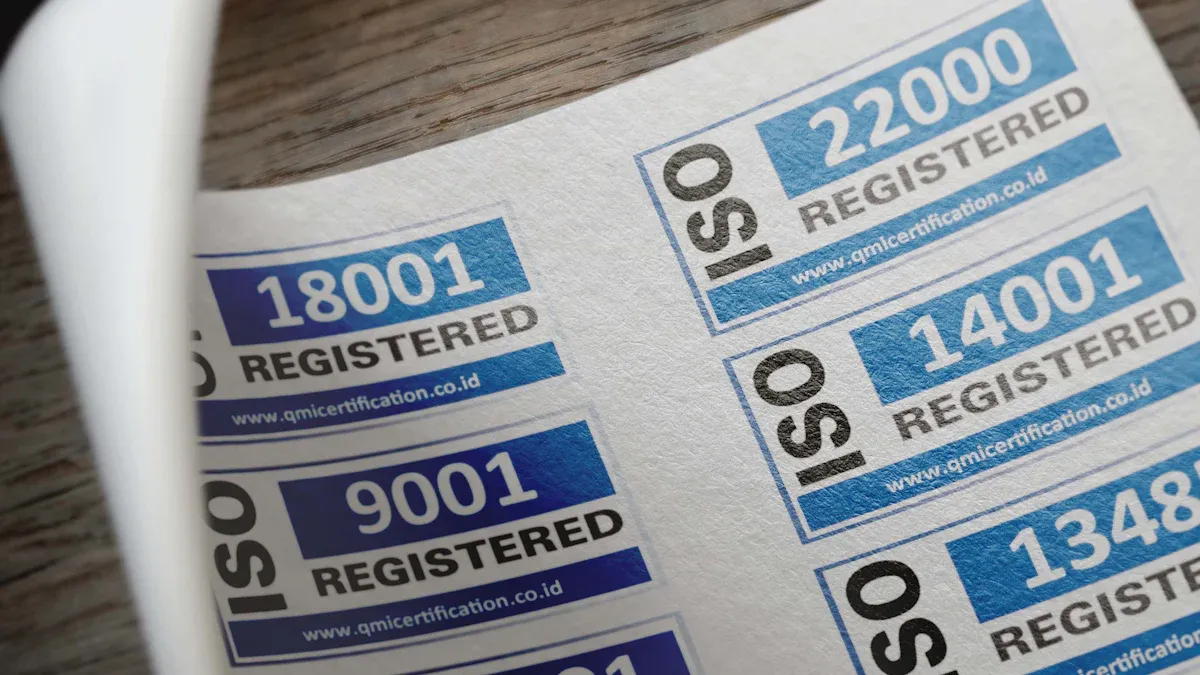
An excellent factory audit begins long before you step onto the production floor. Thorough preparation is the key to an efficient and effective evaluation. This initial phase sets the stage for the entire process, ensuring you focus on what truly matters: quality, ethics, and reliability. A well-planned approach helps you identify potential red flags early, saving you time and resources.
Here’s how to structure your pre-audit preparation.
Define Audit Scope and Objectives
First, you must clearly define your audit's goals. Your objective is to confirm the factory can consistently produce high-quality acrylic fixtures while adhering to ethical standards. A comprehensive audit scope should systematically evaluate the facility's performance across several critical areas.
Focus your scope on these key components:
- Production Processes: Examine the entire workflow, from raw material intake to final packaging.
- Quality Control: Assess the systems in place to catch defects and ensure product consistency.
- Regulatory Compliance: Verify adherence to safety and environmental standards like REACH and RoHS.
- Social Responsibility: Evaluate the factory's commitment to fair labor practices and employee safety.
Verify ISO & WCA Certifications
Certifications are important, but you must verify their authenticity. A valid ISO 9001 certificate confirms a robust quality management system, while a WCA (Workplace Conditions Assessment) award signals a commitment to ethical labor practices. Do not just accept a PDF copy.
Pro Tip: Use the International Accreditation Forum (IAF) online search tool at
iafcertsearch.orgto validate an ISO 9001 certificate. You can use the certificate number to confirm its status, scope, and expiration date. For WCA, check the 'Achievement Award' level, as this indicates a higher performance in social compliance.
Review the QMS and CAPA Records
Next, request and review the factory's Quality Management System (QMS) documentation. Pay close attention to their Corrective and Preventive Action (CAPA) records. These documents reveal how the factory identifies, addresses, and prevents problems.
An inactive or poorly documented CAPA system is a major red flag. Look for records that show a clear link between a reported issue and the actions taken. Skipping a proper root cause analysis is a common failure. It often leads to recurring problems and shows a reactive, "firefighting" culture rather than a proactive one.
Assess Production and Material Traceability
Finally, assess the factory's ability to trace materials and manage production schedules. For acrylic products, traceability is crucial. A good supplier should have a system to track acrylic sheets from the raw material batch to the final product. This ensures quality and accountability. Ask for their batch tracking system details.
Also, inquire about their production scheduling. Effective lead time management is essential for on-time delivery, especially for time-sensitive event projects. A factory with real-time production monitoring and scientific scheduling is better equipped to handle urgent orders and avoid unexpected delays. This part of learning how to audit a factory shows their true operational capability.
Phase 2: How to Audit a Factory On-Site

Your pre-audit research is complete. Now you will step onto the factory floor. This on-site phase is where you validate the documents and promises. You will observe processes, talk to employees, and inspect products firsthand. This direct observation is the most critical part of learning how to audit a factory. It transforms theoretical knowledge into actionable insights.
ISO 9001 Quality Process Verification
A documented Quality Management System (QMS) is only valuable if it is actively used. Your goal here is to test the system in a real-world scenario. The best way to do this is by tracing a recent production order from start to finish.
Ask the factory manager to walk you through the lifecycle of a completed order. This practical test reveals the true strength of their quality controls.
Follow these steps to trace an order:
- Start at Raw Material Intake: Verify how they track incoming acrylic sheets. Look for a unique lot or batch number assigned to each shipment. This identifier is the foundation of traceability.
- Review Production SOPs: Ask to see the Standard Operating Procedures (SOPs) for key processes like cutting, heat bending, and gluing. Check if operators on the floor have easy access to these documents. A digital QMS often provides time-stamped proof that employees are using the latest work instructions.
- Observe the Manufacturing Floor: Watch the material flow from one station to the next. Do the actual processes match the documented SOPs? Look for evidence of in-process quality checks, such as an operator measuring a newly bent part against a template.
- Examine Quality Control Records: At the final QC station, review the inspection reports for the order you are tracing. Are defects clearly documented? Is there a clear process for separating non-conforming products?
- Check Final Packaging and Shipping: Confirm that the finished goods are linked to the initial raw material batch number before they are packaged. This closes the traceability loop.
Auditor's Insight: Pay close attention to employee training records. A well-run QMS includes a system for tracking training compliance. If operators cannot explain the quality standards for their specific task, it signals a major gap between documentation and reality.
WCA Ethical and Safety Inspection
A supplier’s commitment to ethical practices directly impacts your brand's reputation. The WCA framework focuses on labor, wages, health, and safety. Your on-site inspection must go beyond a simple walkthrough.
Your primary tools for this inspection are confidential worker interviews and direct observation.
| Area of Focus | What to Look For - | Health & Safety | 🚨 Inspect high-risk areas like polishing and gluing stations. Workers need proper Personal Protective Equipment (PPE). This includes:
- Respirators with organic vapor cartridges
- Chemical-resistant gloves
- Safety goggles
Event Fixture Quality Assessment
Finally, you must inspect the products themselves. Your brand's reputation depends on the quality of the fixtures you deliver. For acrylic products, the details make all the difference.
Select several finished products from a recent production run and evaluate them against these criteria:
- Edge Quality: Run your finger along the edges. They should be smooth and glossy, not sharp or cloudy. A high-quality diamond polish indicates superior craftsmanship.
- Bonded Joints: Inspect glued seams closely. Look for perfect clarity with no air bubbles, yellowing, or excess glue. The joint should be nearly invisible and structurally strong.
- Surface Clarity: Hold the acrylic up to a light source. The surface should be free of scratches, haze, or internal defects.
- Protective Packaging: How a factory packs its products reveals its commitment to quality until the very end. Proper packaging is essential for preventing damage during shipping.
A reliable supplier will use a multi-step process for packaging:
- Clean and Wrap: They first clean the item, then wrap it in multiple layers of bubble wrap, paying extra attention to corners.
- Use a Sturdy Box: The item should fit snugly inside a double-walled cardboard box with 2-3 inches of space filled with foam inserts.
- Seal and Label: The box must be sealed with strong tape and clearly marked with "Fragile" and "Handle with Care" labels.
Observing this process shows you how to audit a factory not just for production quality, but for its ability to deliver that quality intact to your final destination.
Phase 3: Post-Audit Evaluation
The on-site visit is over. Now you must translate your observations into a clear, actionable evaluation. This final phase helps you organize your findings, assess the factory's commitment to improvement, and make an informed supplier decision. A structured evaluation is the last step in learning how to audit a factory effectively.
Score Findings and Document Non-Conformities
First, you need to organize your findings using a scoring matrix. This tool helps you rate the factory's performance objectively. You will categorize each issue as either a minor or major non-conformity. This classification is critical for prioritizing actions.
A major non-conformity represents a systemic failure, while a minor one is typically an isolated incident.
| Feature | Major Non-Conformity | Minor Non-Conformity |
|---|---|---|
| Effect on QMS | A systemic failure of the quality system. | A localized issue; the QMS remains intact. |
| Threat to Product | High risk of shipping non-conforming products. | Low or negligible risk to product function. |
| Action Needed | Requires immediate containment and priority CAPA. | Needs correction before the next planned audit. |
Document every finding with objective evidence. A clear non-conformity report should include a description of the issue, supporting data like photos, and an assessment of its potential impact.
Issue a Corrective Action Request (CAR)
Next, you will issue a formal Corrective Action Request (CAR) for any major non-conformities. The CAR is not just a report; it is a test of the factory's partnership potential. A strong supplier will respond with a comprehensive plan.
A committed factory's response to a CAR will include a thorough root cause analysis, a detailed plan to fix the immediate problem, and preventive actions to stop it from happening again.
Their response demonstrates their dedication to quality. Look for transparency, reasonable deadlines, and a collaborative attitude. A defensive or slow response is a significant red flag.
Make the Final Supplier Decision
Finally, you will make your decision. Your choice should be based on the complete picture. Review your initial audit scope, the on-site findings, and the factory's response to your CAR.
A factory with a few minor issues and a strong, proactive response to a CAR can be a great partner. However, a factory with multiple major non-conformities or a poor attitude toward corrective action poses a high risk to your brand. Use your comprehensive evaluation to confidently select a supplier who is truly committed to both quality and ethical standards.
You now have a systematic, three-phase audit process. This structured approach is the most effective way to confirm a supplier's commitment to both ISO 9001 quality and WCA ethical standards. A thorough audit is your foundational step. It helps you build a successful and resilient supply chain for your 2025 event and exhibition projects. Your brand's success depends on this diligence.
FAQ
What if a factory’s ISO or WCA certificate is expired?
An expired certificate is a major red flag. You must ask the factory for its recertification plan. A gap in certification shows a potential lapse in their quality or ethical systems. You should proceed with extreme caution.
How long does a typical on-site audit take?
You should plan for one to two full days for a typical on-site audit. This gives you enough time. You can thoroughly check processes, interview workers, and review documents without rushing your evaluation.
Can I conduct a factory audit remotely?
You can use remote audits for initial document checks. However, they cannot replace an on-site visit. You must go to the factory. This allows you to verify safety conditions and speak with workers directly.
What is the biggest red flag during an audit?
The biggest red flag is a disconnect between documents and reality. 🚩 For example, the factory has safety SOPs, but workers do not follow them. This shows a systemic failure in management and implementation.