How Packaging Protects Displays in Global Shipping

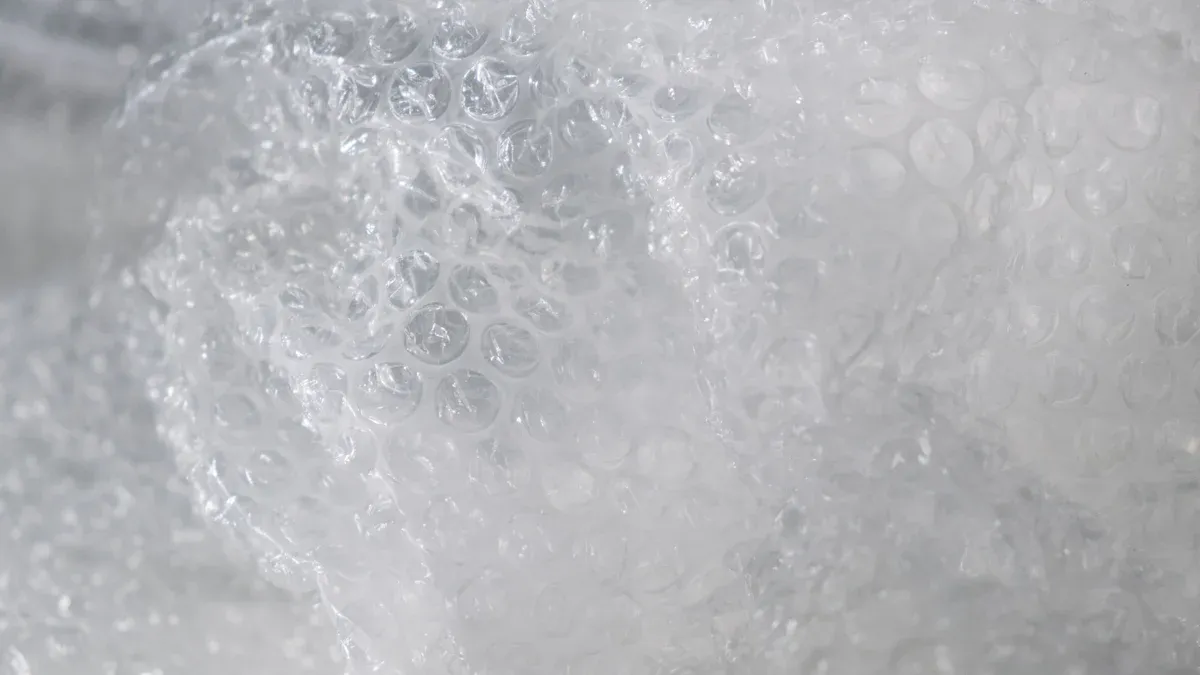
You want to prevent damage to your acrylic displays during global shipping. The solution is a multi-layered packaging strategy. This approach offers total protection for your displays by combining three critical elements:
Advanced packaging materials
Custom-engineered packaging design
Intelligent packing methods for shipping
Note: This complete system is how effective packaging protects displays. It minimizes movement and absorbs shock throughout the entire shipping journey, ensuring your displays arrive safely.
How Protective Packaging Protects Displays
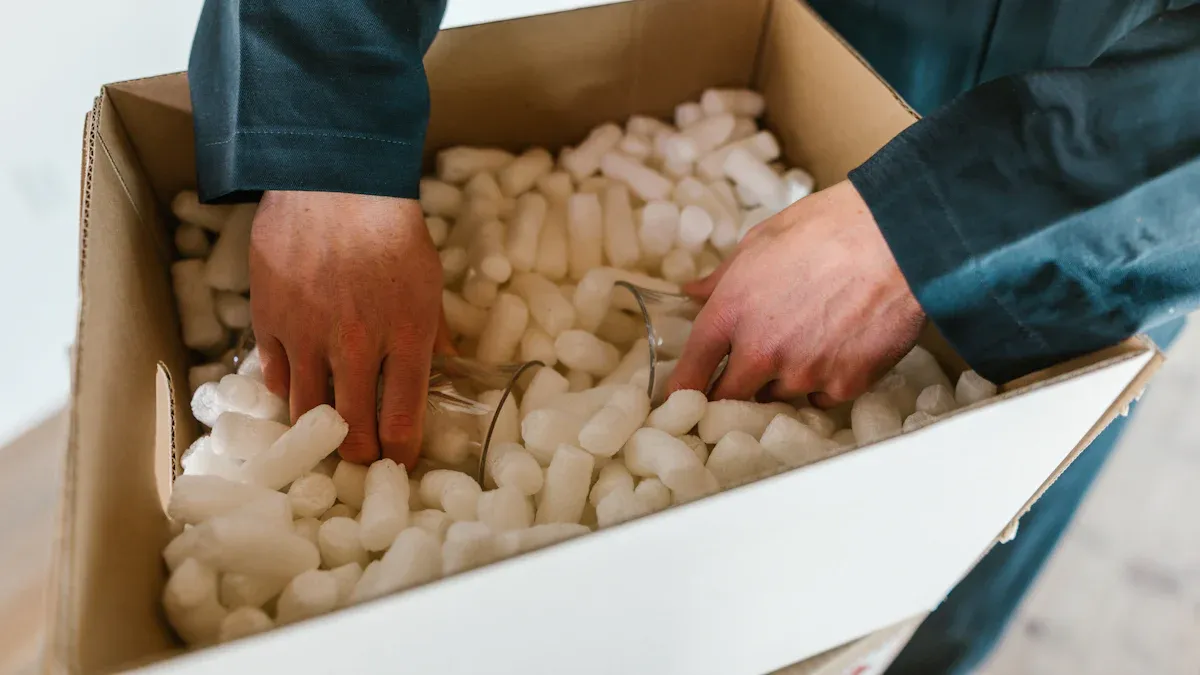
Effective protective packaging is a system of materials working together. The outer box provides the first line of defense, while internal components absorb shock. This combination is how packaging protects displays from the rigors of global shipping. Let's explore the two primary layers of this system.
Structural Integrity with Corrugated
You can think of the corrugated box as the skeleton of your packaging. Its job is to resist crushing forces and punctures. The strength of this skeleton depends on two key factors: its internal structure (flutes) and its material grade (board strength).
The wavy layer of paper between the flat linerboards is called the flute. Different flute types offer unique benefits for your displays.
Flute Height (mm) | Flutes per Meter | Features & Applications | |
|---|---|---|---|
A Flute | 4.0–4.8 | 110–125 | Offers high cushioning and is ideal for protecting fragile, heavy-duty items. |
B Flute | 2.5–3.0 | 150–185 | Provides a good surface for printing and resists punctures, great for lightweight items. |
C Flute | 3.2–4.0 | 120–145 | The most common choice, it gives a balanced mix of cushioning and stacking strength. |
E Flute | 1.0–1.8 | 285–325 | Very thin with a smooth surface, perfect for high-quality graphics on retail packaging. |
Once you select a flute, you must match the board strength to your display's weight. This is critical for packaging durability. Two industry tests determine a box's strength: the Mullen Test and the Edge Crush Test (ECT).
Feature | Edge Crush Test (ECT) | |
|---|---|---|
What it measures | Puncture resistance | Stacking strength |
Best for | Individual parcel shipping (UPS/FedEx) | Palletized shipments |
Units | Pounds per square inch (PSI) | Pounds per linear inch (lbs/in) |
Tip: You should prioritize the Mullen (burst) test if you are shipping individual boxes. You should prioritize ECT if your displays will be stacked on pallets in a warehouse.
Matching the box's rating to the weight of your displays is essential. Using a box that is too weak is a primary cause of damage during shipping.
Shock Absorption with Cushioning
While the box provides structure, cushioning materials protect your displays from drops and impacts. These packaging materials act like a helmet, absorbing the shock from sudden jolts. The right packaging solutions use a variety of these materials.
Common cushioning options include:
Foam Boards and Inserts: These are excellent for absorbing shock. You can choose from different types based on your product's needs.
Polyethylene (PE) Foam: A firm, durable foam ideal for heavier displays.
Polyurethane (PU) Foam: A softer foam perfect for lightweight or delicate displays.
Corner Guards: These protect the most vulnerable parts of your acrylic displays—the corners and edges.
Molded Pulp: This material is made from recycled paper and can be molded to fit your product's exact shape. It offers great shock absorption and is a sustainable packaging choice.
The performance of these materials is not a guess. Industry standards, like the ASTM D1596 test method, scientifically measure how well cushioning absorbs shock. This is one of the advanced packaging technologies that ensures your packaging protects displays effectively.
When considering sustainability, both foam and molded pulp have trade-offs. Molded pulp is biodegradable, but its production can be energy-intensive. Foam is not biodegradable but is often 100% recyclable and may require less energy to produce. Your choice depends on your company's specific environmental goals and the level of protection your displays require.
Engineered Design for Total Display Protection
Selecting the right materials is only the first step. The true secret to how packaging protects displays lies in its engineering. An effective packaging design considers your product's specific shape, weight, and vulnerabilities. This custom approach ensures that the materials work together as a complete system for total display protection.
Custom-Fit Cartons for Zero Movement
The single biggest enemy of a display during shipping is movement inside the box. When your retail display can shift, slide, or rattle, it is at high risk of scratches, cracks, and breakage. Custom-fit packaging design eliminates this risk by creating a snug and secure environment.
You achieve this perfect fit using custom inserts.
Die-Cut Inserts: These are pieces of corrugated cardboard or foam cut to the exact shape of your displays. They suspend your product, keeping it away from the box walls. This design prevents items from shifting or bumping into each other during transit.
Convoluted Foam: This "egg crate" style foam can also be die-cut to match your box dimensions perfectly. It removes empty space and locks your retail display in place, providing excellent stability.
This custom packaging approach is proven to work. For example, one manufacturing customer saw a 25% reduction in damage for their fragile goods after switching to custom boxes with recycled foam corners.
While using standard boxes with loose void-fill like packing peanuts may seem cheaper initially, it often leads to higher costs from damage and inefficient shipping. A smart packaging design provides a much better return on investment.
A well-thought-out packaging design saves you money in the long run. Custom packaging optimizes space, which can lower your shipping fees.
Feature | Standard Box with Void Fill | Custom Packaging |
|---|---|---|
Shipping Costs | Larger boxes increase dimensional weight, raising costs. | Optimized box sizes reduce dimensional weight and shipping fees. |
Material Waste | Requires extra material (void fill) to fill empty space. | Eliminates excess space and the need for most void-fill materials. |
Fulfillment | Packing can be slow and inconsistent. | Pre-designed inserts streamline the packing process, reducing labor time. |
Smart Packaging and Assembly
A great packaging design also thinks about the person at the end of the journey: the retailer. Smart packaging and assembly make unboxing and setup simple, fast, and safe. This is especially important for large retail rollouts.
One of the best packaging technologies for this is Shelf-Ready Packaging (SRP). This type of packaging allows a store employee to place your retail display directly on the shelf in seconds.
The benefits of this packaging design are significant:
Faster Stocking: It eliminates the need for tools or knives and drastically cuts down on the time employees spend unpacking individual items.
Reduced Handling: Your retail display goes from the shipping case to the shelf with minimal handling, which lowers the chance of damage at the store.
Lower Labor Costs: With faster stocking, employees are free to focus on other important tasks.
This intelligent packaging design is also critical for complex products, like a telescopic acrylic box with multiple parts. By organizing all components in a logical layout within the packaging, you simplify the assembly process. This makes installation intuitive and reduces the risk of damage caused by confused or frustrated end-users. These thoughtful packaging solutions ensure your displays not only arrive safely but are also presented correctly and efficiently.
Securing Shipments for Global Transit
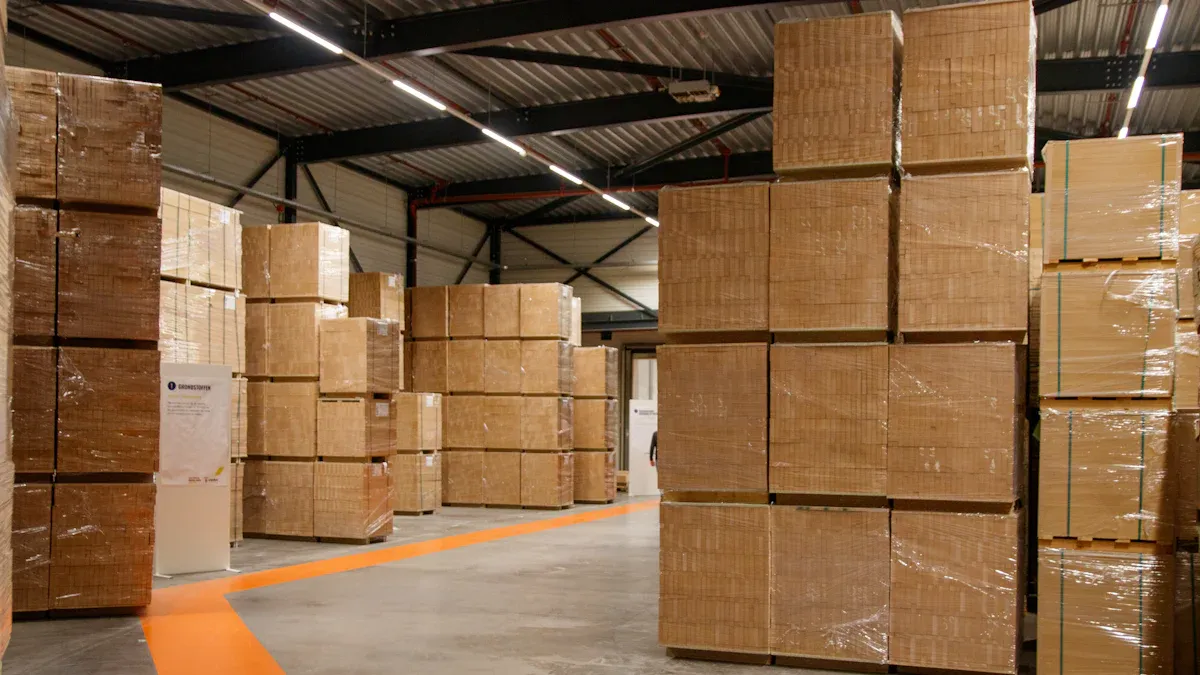
Your packaging strategy extends beyond the box. Proper logistics and handling are vital for a successful global distribution. You must secure your palletized displays to protect them during the long journey. This final step in the packaging process ensures your retail display units arrive ready for the sales floor.
Secure Palletizing Techniques
You can think of a pallet as the foundation for your shipment. A stable foundation prevents damage during transport. Follow these key techniques for a secure distribution.
Place your heaviest boxes on the bottom layer.
Keep all cartons inside the pallet's edges to avoid overhang.
Use a column stacking pattern. This method aligns the corners of the boxes, which can increase stacking strength by up to 50% compared to interlocking patterns.
Pro Tip: For international shipping, your wooden pallets must meet ISPM-15 standards. This involves heat treatment or fumigation to prevent pests. Using standard pallet sizes, like the 48x40-inch GMA pallet common in North America, also simplifies logistics and distribution.
Load Stabilization Methods
Once you stack your boxes, you must lock them together. This prevents shifting during transport. Your two main options are stretch wrap and strapping. Stretch wrapping is a great packaging choice that protects your displays from dust and moisture. Strapping offers superior strength for very heavy loads.
For even better stability, you can use other materials inside the container.
Dunnage Air Bags: You place these bags in the gaps between pallets. They inflate to create a cushion, stopping movement.
Anti-Slip Tier Sheets: You put these high-friction paper sheets between layers of boxes. They grip the cartons and prevent them from sliding. This is a key part of your distribution logistics.
Essential Handling and Tracking Labels
Labels communicate critical information throughout the distribution journey. They are a simple but effective part of your packaging system. You can use special indicator labels to monitor handling.
Shock Indicators: These labels change color if the package receives a hard impact.
Tilt Indicators: These show if your retail display was tilted too far during shipping.
For high-value displays, you can improve your logistics with advanced tracking. RFID or GPS labels give you real-time visibility of your retail display shipment. This technology helps you track your distribution, prevent theft, and ensure your products reach their destination safely.
Effective packaging protects displays through a complete system, not a single packaging product. Your success depends on three key parts of your packaging strategy.
Choosing the right packaging materials.
Creating custom packaging designs for your displays.
Using secure logistics and handling protocols.
This smart packaging investment is the best way to protect your valuable displays. Good logistics reduce costly replacements. Proper logistics ensure your displays have a successful global rollout.
FAQ
What is the single most important part of display packaging?
You should view your packaging as a complete system. The most important part is how the materials, design, and handling protocols work together. A strong box alone is not enough. This integrated strategy provides the best protection for your displays.
Is custom packaging worth the extra cost?
Yes, custom packaging is a smart investment. It reduces damage by eliminating movement inside the box. You also save money on shipping fees because the optimized box size lowers dimensional weight. This approach provides a better return than standard boxes.
How do I choose the right box strength for my displays?
You select the box strength based on your shipping method.
Choose an Edge Crush Test (ECT) rating for stacking strength if you ship on pallets.
Choose a Mullen Test rating for puncture resistance if you ship individual parcels.
What are ISPM-15 standards for international shipping?
ISPM-15 is a global standard for wood packaging, including pallets. It requires you to treat the wood with heat or fumigation. This process kills pests and prevents them from spreading across borders. You must use compliant pallets for international shipments.