How packaging protects displays for luxury goods?

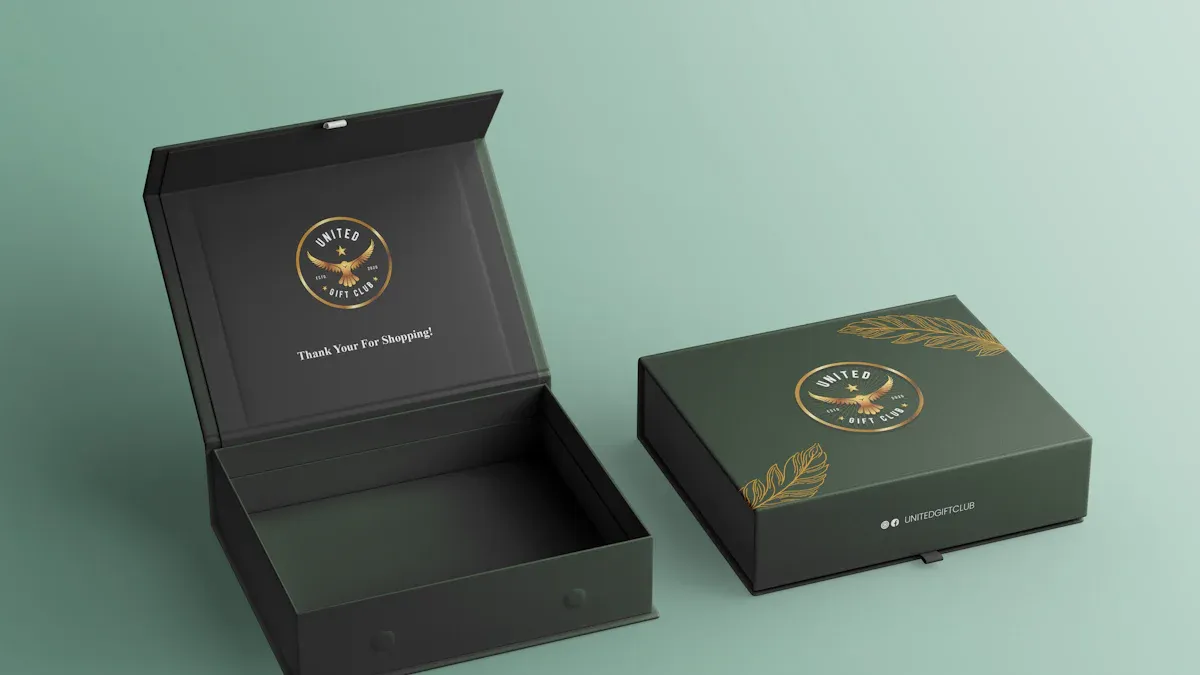
Effective packaging protects displays by creating a multi-layered defense system. This specialized packaging absorbs shock, prevents surface abrasion, and immobilizes the display to counteract the stresses of global shipping.
The global luxury goods market projects a Compound Annual Growth Rate (CAGR) of nearly 6.8% through 2030. For a luxury brand, this growth makes flawless presentation essential. The right packaging provides this critical protection. This initial packaging experience is part of the brand promise.
For luxury brands, this is not just about preventing breakage. Superior packaging ensures every high-value display arrives in pristine, ready-to-use condition.
HOW PACKAGING PROTECTS DISPLAYS
Effective packaging protects displays through an engineered system of defense. This system neutralizes the three primary threats during transit: impact, abrasion, and movement. A successful packaging design addresses each threat with specific materials and structural strategies. This comprehensive approach ensures a luxury display arrives in perfect, showroom-ready condition.
SHOCK ABSORPTION
During shipping, packages face drops, impacts, and constant vibration. A superior packaging design acts as a sophisticated shock absorber to cushion the display from these forces.
Engineers select high-performance foams like custom-molded Expanded Polyethylene (EPE) and Polyurethane (PU) to cradle items. Flexible PU foam is especially effective for irregularly shaped or delicate displays. It conforms to the product’s shape, providing excellent shock absorption and vibration dampening. Engineers use data from dynamic cushioning tests to determine the precise foam density and thickness needed. This data-driven packaging design ensures the material can absorb a specific impact force without transferring it to the product.
Another advanced technique is suspension packaging. This packaging design creates a protective void around the display.
SURFACE PROTECTION
Luxury displays, particularly those made from high-gloss acrylic or polished metal, are highly susceptible to scratches, scuffs, and dust. The goal of surface protection is to maintain a flawless finish from the factory to the retail floor. The right packaging design is critical for this.
Specialists achieve this protection by using soft, non-abrasive materials that make direct contact with the display.
- Protective PE Films: A thin, self-adhering Polyethylene (PE) film is often applied directly to flat acrylic surfaces. This film acts like a second skin, shielding the display from fine scratches and abrasions during handling and transit.
- Anti-Static Wraps: For clear acrylic boxes and electronic components, anti-static bags or wraps are essential. This packaging not only prevents scratches but also repels dust particles that could cling to the surface and diminish the product’s pristine appearance upon unboxing.
This layer of packaging is the first thing a client sees, making its quality a direct reflection of the brand.
STABILITY AND IMMOBILIZATION
Preventing an item from moving inside its box is just as important as cushioning it from external shocks. Any internal movement can cause components to collide, leading to chips, cracks, or scratches. The best packaging design locks the display securely in place.
Engineers use precision-cut inserts to achieve complete immobilization. Using technologies like CNC routing and die-cutting, they create foam inserts that match the exact contours of the display. This process considers product weight, size, and fragility to guarantee a flawless fit. This custom packaging cradles the product safely, preventing any shifting. For display sets with multiple parts, internal dividers made from cardboard or foam separate each component, preventing contact and damage.
Finally, a complete packaging solution eliminates empty space with the right void-fill materials. This final layer of protection ensures nothing moves.
| Void-Fill Type | Best Use Case | Key Benefit |
|---|---|---|
| Paper Fillers | Lightweight items, gift sets | Eco-friendly and decorative |
| Foam Inserts | Electronics, fragile glassware | Maximum, form-fitting protection |
| Air Pillows | Bulk shipping, filling large voids | Lightweight and efficient |
This multi-faceted approach to packaging ensures that even complex, multi-part displays are held securely. Ultimately, a great packaging design means the packaging protects displays from every potential hazard.
ADVANCED LUXURY JEWELRY PACKAGING FOR 2025
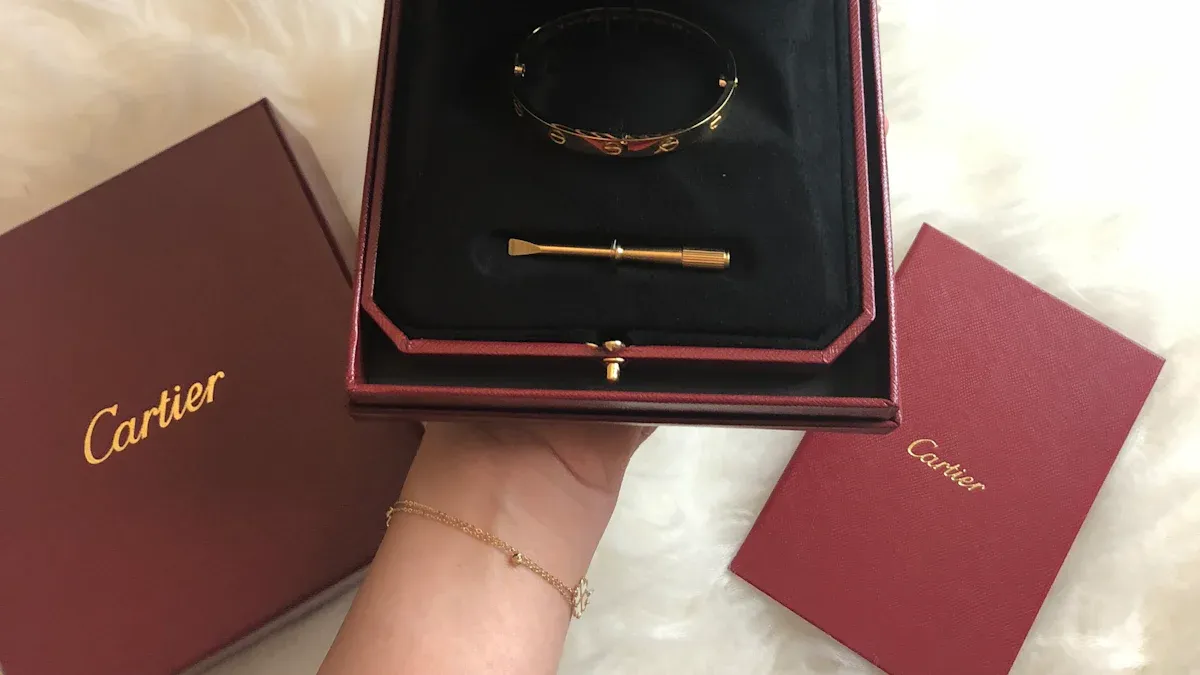
The future of luxury jewelry packaging is moving beyond basic protection. For 2025, brands are adopting a holistic approach where material science, custom engineering, and presentation design merge. This evolution ensures that the packaging not only safeguards the product but also elevates the brand's prestige from the first touch. The right packaging design is an investment in the entire customer experience.
INNOVATIVE PROTECTIVE MATERIALS
Material selection is the foundation of an effective packaging design. The industry is embracing advanced polymers and sustainable alternatives to meet the dual demands of high-level protection and environmental responsibility for luxury jewelry packaging.
High-density cross-linked polyethylene (XLPE) foam is a top choice for its superior durability and cushioning. Its closed-cell structure provides exceptional shock absorption for delicate jewelry.
- Customizable Density: XLPE foam offers densities from 2 to over 20 pounds per cubic foot (pcf), allowing engineers to tailor the protection to a specific item's weight and fragility.
- Long-Term Durability: A cross-linked molecular structure allows the foam to withstand repeated impacts without losing its protective qualities, ensuring reliability.
- Surface Safety: The foam’s fine, non-abrasive texture is perfect for protecting the 'Class A' high-gloss surfaces of luxury displays and jewelry boxes.
Simultaneously, sustainable jewelry packaging is becoming a hallmark of modern luxury. Advances in molded pulp technology now offer a premium, eco-friendly packaging alternative to plastics.
Modern molded pulp uses plant fibers like bamboo and sugarcane that are reconstructed at a nano-level. This process increases material strength by up to 300%, matching the durability of some plastics. Thermoforming technology creates a smooth, clean surface similar to plastic, making it ideal for high-end inserts inside a jewelry packaging box.
For protection against environmental factors, water-resistant plastics like Polypropylene (PP) remain critical. Woven PP is often used for inner bags or components, especially in humid shipping climates. It provides a reliable barrier against moisture and is highly resistant to punctures, safeguarding the primary jewelry packaging from damage.
CUSTOM JEWELRY PACKAGING SOLUTIONS
One-size-fits-all solutions are obsolete in the luxury sector. Custom jewelry packaging is now the standard for protecting unique and high-value items. A bespoke packaging design ensures a perfect fit, immobilizing the jewelry to prevent any damage during transit.
Specialist firms offer extensive customization for items like single watch display cases or intricate necklace holders. This process goes far beyond simple sizing.
- Material Selection: Clients can choose from premium leather, exotic woods, high-grade acrylic, and other sustainable options to align with their brand identity.
- Branding Integration: The packaging becomes a marketing tool with options for engraved logos, custom brand colors, and personalized interiors.
- Advanced Features: High-end custom jewelry packaging can include integrated LED lighting, rotating platforms, and even humidity control for ultimate product care.
This level of detail enhances brand awareness and customer satisfaction. The lead time for creating this type of specialized packaging is a key planning consideration.
| Stage | Typical Timeframe | Notes |
|---|---|---|
| Production | 7-10 business days | Begins after final design approval. |
| Shipping | Varies by location | Separate from production time. |
| Complex Orders | May require more time | Bulk orders or rigid boxes can extend the timeline. |
Understanding these timelines allows brands to integrate custom jewelry packaging seamlessly into their product launch schedules.
DESIGNS FOR LUXURY PRESENTATION
The ultimate goal of a packaging design for luxury jewelry is to merge flawless protection with an unforgettable unboxing experience. The structural design of the packaging is where this synergy happens. A superior packaging design protects the jewelry while building anticipation.
A primary strategy is the "box-in-box" system. This method places the primary jewelry packaging inside a larger, cushioned shipping box. The outer box absorbs external impacts, while the inner box provides a pristine, branded presentation. This layering creates multiple "reveals" that make the unboxing process a memorable event.
Engineers also focus on protecting the most vulnerable parts of a display. Engineered corner protectors, often made from high-density foam or molded pulp, are strategically placed to shield edges and corners from drops and compression forces. This targeted protection is essential for maintaining the structural integrity of the packaging and the quality of the jewelry inside.
Finally, the choice of materials and embellishments transforms the packaging from a simple container into a luxury keepsake.
High-quality materials like velvet, silk, or high-grade paper do more than look good; they provide functional durability. These materials protect the jewelry during handling. Subtle details, like a branded logo on the inside of a lid or a surprise texture, elevate the experience and reinforce the brand's commitment to quality.
This thoughtful approach to luxury jewelry packaging ensures the product arrives safely and makes a powerful first impression.
VERIFYING PROTECTION WITH TESTING AND TECHNOLOGY
A great packaging design is only effective if it performs in the real world. Brands verify the reliability of their packaging through rigorous testing and advanced technology. This process confirms that the packaging provides the intended protection and maintains product quality from the warehouse to the showroom.
ISTA TESTING PROTOCOLS
Brands rely on International Safe Transit Association (ISTA) protocols to validate their packaging. ISTA provides standardized procedures that simulate common shipping hazards. These tests include drop, vibration, and impact sequences that mimic the journey a package will take. Passing these tests provides objective proof that a packaging design can withstand the stresses of transit. This certification assures brands that their investment in high-quality packaging delivers dependable results.
SMART SENSOR MONITORING
Modern technology offers real-time insights into the shipping journey. Companies now embed smart sensors into their packaging to monitor conditions during transit. These sensors provide valuable data that helps engineers refine their packaging designs.
Smart sensors track a package's entire journey. They measure impacts, G-force, pressure, and tilt. Bluetooth beacons can even pinpoint exactly where damage occurs, allowing for immediate process improvements.
This technology allows brands to identify weak points in their packaging. The data collected helps them understand how to prevent future damage.
- Accelerometers record jolts, shocks, and vibrations.
- Temperature loggers track if the product stays within a safe temperature range.
- Other sensors monitor humidity, air pressure, and light exposure.
This information gives a complete picture of the shipping environment. It enables brands to create more robust and efficient packaging solutions.
COMPRESSION AND CLIMATE TESTS
Luxury goods often travel across different climates. Packaging must withstand these environmental changes. Compression and climate tests ensure the packaging maintains its structural integrity and quality. Compression tests determine how much stacking weight a box can handle before it deforms. Climate chambers simulate extreme environmental conditions. These chambers replicate intense heat, freezing cold, and high humidity. This testing confirms that the materials used in the packaging will not fail, ensuring the product inside remains safe and pristine.
Total protection for displays is not achieved by one material. It requires a complete, engineered system. A superior packaging design combines strategic materials, intelligent structural packaging design, and empirical verification through testing. This packaging design ensures the packaging protects displays effectively.
Investing in a professional packaging design is a direct investment in a brand's image and financial assets. High-quality packaging communicates exclusivity and elevates perceived value. This packaging can even integrate technology to provide transparency, boosting trust.
Ultimately, this luxury packaging is essential. The right packaging design guarantees that this packaging protects displays, ensuring high-value items arrive in pristine condition every time.
FAQ
What defines luxury jewelry packaging?
Luxury jewelry packaging uses premium materials to protect valuable jewelry. It also creates a memorable unboxing experience. This jewelry packaging reflects the quality of the jewelry inside.
Why is custom jewelry packaging essential for high-end jewelry?
Custom jewelry packaging provides a perfect fit. It secures the jewelry, preventing movement and damage. This approach to jewelry packaging is critical for protecting unique jewelry items during transit.
Is sustainable jewelry packaging strong enough for delicate jewelry?
Yes. Modern sustainable jewelry packaging uses advanced materials. It offers robust protection for even the most delicate jewelry. This eco-friendly jewelry packaging ensures the safety of the jewelry. Key benefits include:
- High durability from materials like molded pulp.
- A premium feel that matches brand standards.
- Excellent shock absorption for fragile jewelry.