How packaging protects displays in 2025

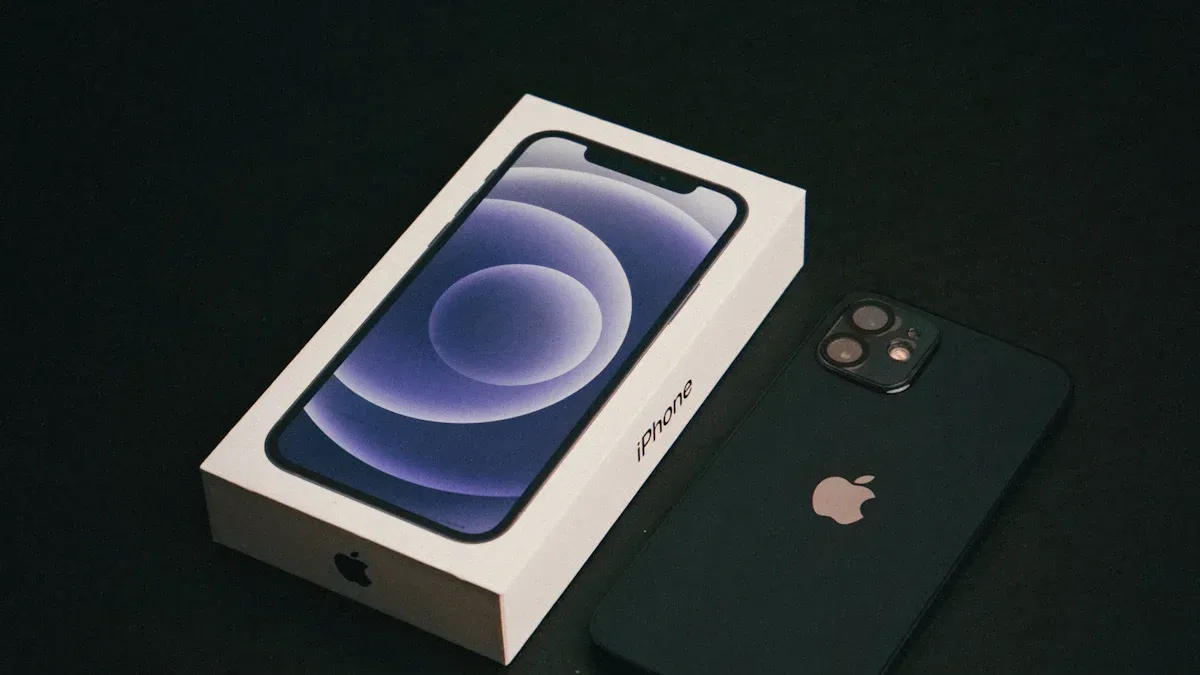
Modern packaging protects displays using a multi-layered system engineered for global shipping. You operate in the high-value Mobile/3C retail space where aesthetics define quality. A single scratch on a display fixture harms your brand perception and can drive customers to competitors. The journey from factory to store is filled with risk.
Major carriers like UPS and FedEx report an overall damage rate of 10%. This translates to an estimated 860 million packages needing reshipment each year due to damage.
A well-engineered packaging strategy is your first line of defense.
Surface Protection and Scratch Prevention
Your acrylic display's journey to the retail floor is hazardous. The pristine, glossy finish is vulnerable to damage that can ruin its aesthetic appeal. Common causes of surface damage include:
- Abrasions from movement inside the box
- Direct contact with rough packing materials
- Improper handling during transit
Effective packaging protects displays by creating a barrier against these threats. The first layer of defense focuses entirely on preserving the surface itself.
Anti-Scratch Films
You should specify a high-quality, self-adhesive film as the first point of contact for your display. This thin layer acts like a second skin, shielding the acrylic from fine scratches, dust, and smudges. Modern films are engineered for performance and convenience. They adhere smoothly without bubbles and peel off easily, leaving zero sticky residue behind.
You can even print your logo or handling instructions directly on the film. This reinforces your brand the moment the display is unboxed.
| Specification | Detail |
|---|---|
| Material | Polyethylene |
| Thickness | 20mic - 100mic |
| Adhesive | Water-based Acrylic |
| Features | Recyclable, moisture-proof, stable adhesion |
Soft Wraps and Liners
After applying the film, you need a soft cushioning layer. This layer prevents abrasion from denser, structural packaging components. Expanded Polyethylene (EPE) foam bags or wraps are an excellent choice for this task.
Unlike some materials that can leave marks, EPE foam provides a gentle, clean barrier. This wrap absorbs micro-vibrations and prevents the display from rubbing against the inner packaging, ensuring it arrives in perfect, retail-ready condition.
How Packaging Protects Displays from Shock
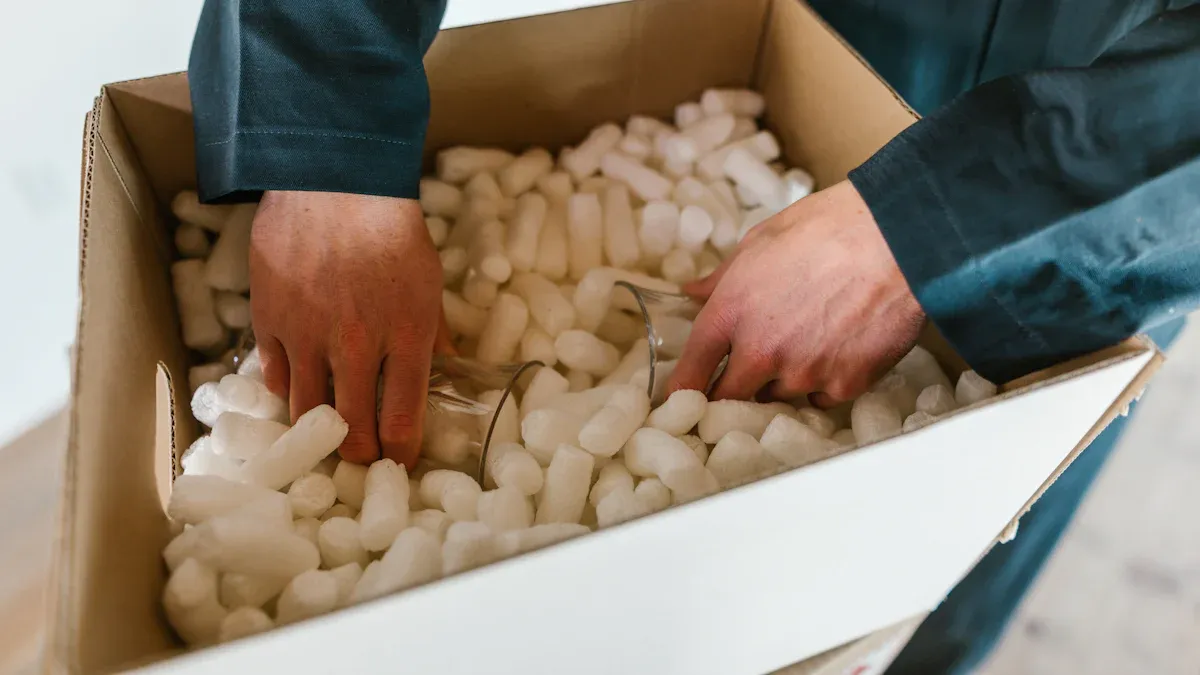
Your display faces significant threats from shock and vibration during its journey. The shipping process involves multiple stages of transport where accidental drops, rough handling, and turbulence are common. Effective packaging protects displays by absorbing these sudden impacts.
Engineered Foam Inserts
Surface wraps are not enough to handle major shocks. You need engineered foam inserts to cushion the display from drops and collisions. The two primary materials for this are EPE (Expanded Polyethylene) and EVA (Ethylene-Vinyl Acetate).
- EVA Foam: Offers superior shock absorption, making it ideal for protecting fragile components from damage if dropped.
- EPE Foam: Provides reliable, flexible cushioning that protects against everyday bumps and vibrations during transit.
Pro Tip: The foam's density must be custom-matched to your display's specific weight and fragility. A one-size-fits-all approach fails. One company reduced its shipping damage claims from 36% to zero simply by implementing a custom foam insert solution.
This tailored approach ensures optimal shock absorption, creating a protective cradle around your product.
Corner and Edge Protectors
During handling, the corners and edges of a box are the most vulnerable impact points. A drop on a corner can transfer immense force directly to your display. You must reinforce these weak spots.
Corner and edge protectors, often made from laminated paperboard or dense polyethylene, are essential. They serve two critical functions:
- Impact Absorption: They absorb and distribute the force from a direct hit.
- Structural Strength: They act as vertical reinforcements, improving the box's overall compression strength and allowing for safer stacking.
By adding this structural support, you prevent the outer carton from crushing under weight, which provides another layer of defense for the valuable display inside.
Structural Rigidity and Stability
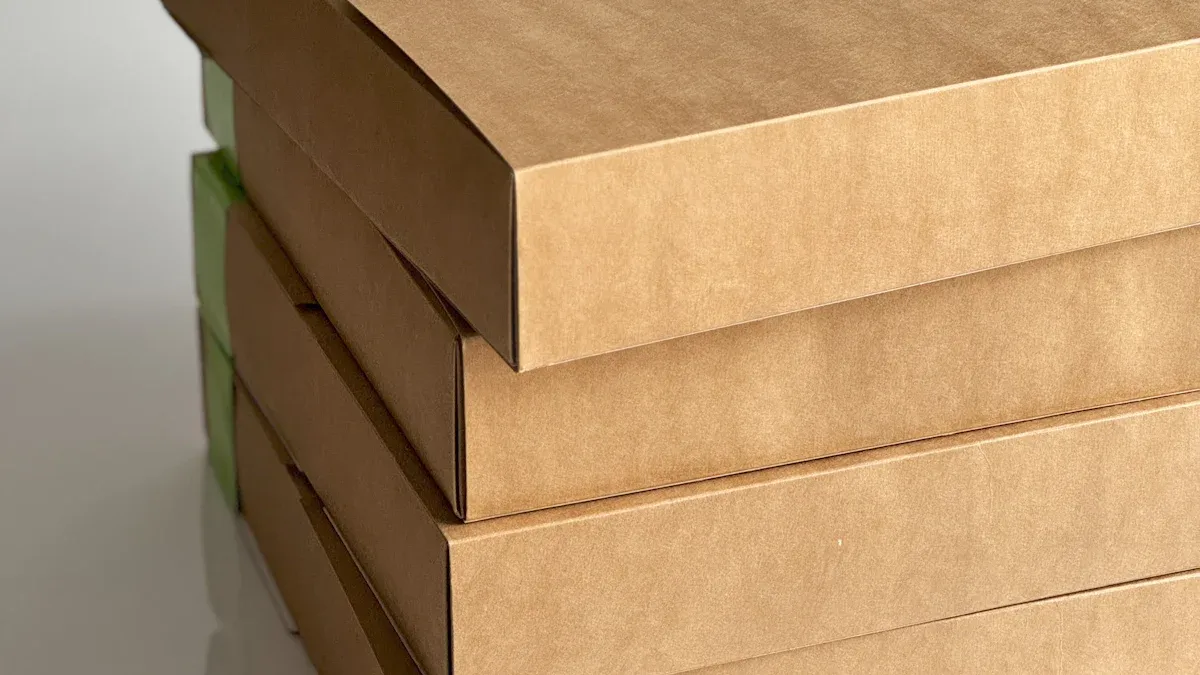
Foam and wraps absorb shock, but they cannot prevent the entire package from being crushed. You need a rigid outer structure to maintain the package's shape and protect the display inside. This structural integrity comes from using the right boxing method and materials.
The Double-Boxing Method
For high-value acrylic displays, you should use the double-boxing method. You place your product in a primary box, then place that box inside a larger, sturdier shipping carton. This technique provides an essential shock-absorption layer. It distributes impact forces across a wider area, which significantly reduces the risk of punctures and compression damage.
You must fill the empty space between the two boxes. This void fill stops the inner box from shifting during transit. Recommended materials include:
- Air pillows
- Kraft paper
- Biodegradable cornstarch peanuts
- Foam inserts
Reinforced Corrugated Cartons
The quality of your outer box is critical. Corrugated cartons are engineered with an inner, wavy layer called a "flute." The flute's size determines the box's strength. Different flutes offer different benefits for stacking strength versus crush resistance.
| Flute Type | Primary Strength | Best Use Case |
|---|---|---|
| A Flute | Highest Stacking Strength | Cushioning fragile items |
| C Flute | Good Stacking Strength | General shipping |
| B Flute | High Crush Resistance | Resisting punctures |
| E Flute | Excellent Print Surface | Retail-ready boxes |
To select the right box, you must check its Edge Crush Test (ECT) rating. This number measures how much force the box can withstand on its edge before collapsing. A higher ECT rating means greater stacking strength. Effective packaging protects displays by matching the ECT rating to the shipment's weight.
A standard 32 ECT single-wall carton is typically rated to handle a maximum load of 40 pounds. Choosing a box with the wrong ECT rating for your display's weight is a common and costly mistake.
Advanced Protection Strategies
Your protection strategy can go beyond physical barriers. You can use advanced tools and materials to add layers of accountability and sustainability to your shipping process. These modern methods give you greater control over your product's journey.
Smart Packaging Indicators
You can monitor how handlers treat your shipments even when you are not there. Smart indicators like adhesive impact and tilt sensors act as your eyes in the supply chain. These single-use devices stick directly to your carton.
A tilt indicator provides indisputable evidence of mishandling. It turns red if the package is tipped more than 80 degrees, but normal vibrations or aircraft takeoff angles will not trigger it.
This simple visual cue creates immediate accountability.
- It acts as a visual deterrent, encouraging careful handling.
- It provides clear proof to support damage claims with your carrier.
- It helps you identify weak points in your logistics chain.
Using these tools gives you the data needed to enforce handling standards and protect your investment.
Sustainable and Protective Materials
Modern packaging protects displays while also protecting the environment. Consumers and regulators increasingly demand sustainable solutions, and the market for eco-friendly materials is growing rapidly. You can replace traditional plastic foams with effective, green alternatives.
Two leading options include:
- Molded Pulp: This material is made from recycled paper products. You can create custom-molded trays that fit your display perfectly, offering excellent structural support and shock absorption comparable to foam.
- Mushroom® Packaging: This innovative material uses mycelium (the root structure of mushrooms) to bind agricultural waste into a solid shape. It is fully compostable at home and offers fantastic natural cushioning against drops and vibrations.
Choosing these materials shows your brand's commitment to sustainability without sacrificing protection. They ensure your displays arrive safely and your packaging leaves a minimal environmental footprint.
You protect your high-value displays with a complete, multi-layered system. This strategy combines surface films, shock-absorbing foam, and a rigid outer structure. Investing in well-engineered packaging is a direct investment in your brand's profitability. A strategic packaging partner can deliver significant results:
- Fewer rush jobs and errors
- Predictable pricing for better margins
- Enhanced quality consistency
These modern strategies ensure your acrylic displays arrive in perfect, retail-ready condition, safeguarding your brand image from the factory to the sales floor.
FAQ
What is the single most important packaging layer?
You should view your packaging as a complete system. No single layer is most important. The anti-scratch film, foam inserts, and outer carton all work together. Each component addresses a specific risk, from surface abrasion to major impacts, ensuring total protection for your display.
Is double-boxing always necessary for my displays?
You should use the double-boxing method for high-value or particularly fragile acrylic displays. This technique creates a crucial buffer zone. It absorbs shock and prevents punctures from reaching the inner box, providing a superior level of security for your most valuable products.
How do I choose the right foam for my product?
You must match the foam to your display's specific needs. The right choice depends on the level of shock absorption required.
| Foam Type | Primary Use |
|---|---|
| EVA Foam | Best for maximum shock absorption to protect against drops. |
| EPE Foam | Ideal for general cushioning against everyday bumps and vibrations. |
Are sustainable materials truly as protective?
Yes, modern sustainable materials offer excellent protection. You can confidently use options like molded pulp and mushroom packaging. Engineers design these eco-friendly alternatives to meet strict performance standards, providing shock absorption and structural support comparable to traditional foams without the environmental cost.
Why is the ECT rating so important?
The Edge Crush Test (ECT) rating tells you the box's stacking strength. You must choose a box with an ECT rating appropriate for your display's weight. This prevents the carton from collapsing under pressure, which is a common cause of product damage during shipping.