Hotel Display Guide Best for Hospitality 2025


For most high-traffic hotel counters and vitrines, PETG emerges as the superior choice. It provides an excellent balance of impact resistance, safety, and overall value.
Acrylic is the go-to material for brilliant aesthetics and customization in lower-contact areas. Meanwhile, Tempered Glass remains the premium standard for properties seeking luxury and scratch-proof surfaces. Choosing the material best for Hospitality is a critical decision. Hoteliers can protect their investment and enhance the guest experience with the right selection.
Material At-a-Glance Comparison
Selecting the right material requires a clear understanding of how each one performs across key categories. Hoteliers must weigh durability against aesthetics and cost. This direct comparison breaks down the essential attributes of PETG, Acrylic, and Tempered Glass to simplify the decision-making process.
Impact and Shatter Resistance
Optical Clarity and Aesthetics
Scratch and Chemical Resistance
Weight and Fabrication
Upfront Cost and Lifetime Value
Pro Tip 💡: Evaluate your highest-risk areas first. A material that prevents costly damage from a single impact, like PETG, often provides a better return on investment than a material that looks pristine but shatters easily.
| Attribute | PETG (The Durable Workhorse) | Acrylic (The Clear Customizer) | Tempered Glass (The Premium Standard) |
|---|---|---|---|
| Impact Resistance | Exceptional impact strength. It is virtually unbreakable and will not shatter, making it the safest option for high-traffic zones. | High impact resistance, many times stronger than standard glass. It can crack or chip under extreme force but is less likely to shatter. | Good impact resistance. It is designed to shatter into small, pebble-like pieces upon failure, reducing injury risk. |
| Optical Clarity | Very good optical clarity. It allows for clear visibility, though some sheets may have a very slight blue tint. | Excellent, crystal-clear clarity. It often transmits more light than glass, providing a brilliant, high-end look without distortion. | High clarity with a premium, glossy finish. Thicker panels may exhibit a slight green tint along the edges. |
| Scratch Resistance | Softer surface that is more prone to scratching. It has excellent resistance to harsh cleaning chemicals. | Good scratch resistance, better than PETG but less than glass. It is susceptible to damage from abrasive or ammonia-based cleaners. | Superior scratch resistance. Its hard surface is very difficult to scratch, making it ideal for permanent, high-contact fixtures. |
| Weight & Fabrication | Lightweight and flexible. It is easy to cut, drill, and thermoform into custom shapes on-site. | Lightweight and rigid. It is simple to fabricate and bond, offering great design versatility. | Significantly heavier. It is very difficult to handle and must be cut to size before the tempering process. |
| Cost & Lifetime Value | Moderate upfront cost. Its incredible durability provides excellent long-term value by minimizing replacement needs. | Moderate upfront cost. It offers a great balance of aesthetics and performance for its price point. | Highest upfront cost. Prices for commercial tempered glass can range widely, often from $10 to over $30 per square foot. Its longevity offers exceptional lifetime value. |
Material Deep Dive
A high-level comparison provides a great starting point. Now, a deeper look into each material reveals the specific scenarios where it truly excels. This analysis will help hoteliers align material strengths with their property's unique operational demands and brand identity.
PETG: The Durable Workhorse
PETG (Polyethylene Terephthalate Glycol) earns its reputation as the workhorse of the hospitality industry. Its primary advantage is its phenomenal impact strength. PETG is virtually unbreakable, withstanding bumps from luggage, carts, and constant public interaction without cracking or shattering. This makes it the safest and most reliable option for high-traffic environments.
Beyond its toughness, PETG offers excellent chemical resistance. Hotel cleaning protocols often involve harsh disinfectants. PETG surfaces endure these chemicals without clouding or degrading, ensuring they maintain their appearance over time. This durability provides exceptional long-term value by drastically reducing replacement costs.
Food-Safe and Certified ✅ PETG is an ideal choice for food service areas. Many PETG products are inherently food-grade and comply with strict health standards. For buffet sneeze guards and displays, hoteliers should look for materials that meet key certifications:
- FDA-compliant materials are approved for direct food contact.
- NSF/ANSI 2 or NSF/ANSI 51 certifications ensure the material is safe for use in commercial food equipment.
Acrylic: The Clear and Customizable Choice
Acrylic, also known as plexiglass, is the top choice for applications where visual brilliance and design flexibility are paramount. Its standout feature is its exceptional optical clarity. Acrylic transmits more light than glass, offering a crystal-clear view that makes products and spaces look vibrant and inviting.
While not as tough as PETG, acrylic is significantly stronger and safer than standard glass. An acrylic sheet is up to 17 times more impact-resistant than a glass panel of the same thickness. It is also lightweight, making it easier to install for applications like large partitions or hanging signage. Its true strength lies in customization. Designers can mold, cut, and color acrylic to fit any brand aesthetic.
- For example, BHDM Design created a custom mobile for the Wild Palms Hotel using acrylic discs in a "riot of sunny yellows, clear-sky blues, rosy pinks" to achieve a bright and celebratory atmosphere.
The main drawback of acrylic is its relative softness compared to glass, making it more prone to fine scratches. However, minor surface damage is often repairable.
Tip for Longevity: Maintenance teams can restore a scratched acrylic surface to its original luster. Techniques range from simple hand polishing with a specialized compound to more advanced methods like wet sanding and buffing, which can remove deeper imperfections.
Tempered Glass: The Premium Standard
Tempered glass communicates luxury and permanence. Its unmatched scratch resistance makes it the definitive standard for high-end fixtures like bar tops, premium retail vitrines, and elegant tabletops. The substantial weight and cool touch of glass provide a tactile sense of quality that plastics cannot replicate.
The strength of tempered glass comes from a specific manufacturing process. The glass is heated to a high temperature and then rapidly cooled with air blasts. This process creates high compression on the surface and tension in the core.
- This internal stress makes tempered glass four to five times stronger than standard glass.
- If it does break, it shatters into small, pebble-like pieces, meeting safety standards like CPSC 16 CFR 1201 and significantly reducing the risk of injury.
A potential aesthetic issue with standard tempered glass is a subtle green tint, which is most visible along the edges of thicker panels. This tint is caused by iron oxide present in the raw materials.
For applications where perfect color neutrality is essential, such as displaying fine jewelry or cosmetics, hoteliers can opt for low-iron glass. This ultra-clear alternative is made with sand containing minimal iron, resulting in brilliant transparency and a more refined appearance.
Choosing What's Best for Hospitality Needs

Selecting the right material goes beyond a simple comparison. Hoteliers must consider how each option impacts guest safety, brand identity, and long-term operational costs. A strategic choice creates an environment that is secure, beautiful, and efficient to maintain.
Balancing Safety and Liability
Guest safety is a top priority in any hotel. Material choices in public spaces directly affect liability. Tempered glass, for instance, must meet strict safety standards.
- ANSI Z97.1 sets performance specifications for architectural glazing.
- CPSC 16 CFR 1201 is a federal standard designed to minimize injury from broken glass in doors and enclosures.
Despite these regulations, accidents happen. Liability claims from shattered glass doors have resulted in settlements ranging from $30,000 to over $60,000. In contrast, virtually unbreakable materials like PETG significantly reduce this risk, making them a prudent choice for high-traffic areas. This makes PETG a solution that is best for Hospitality environments focused on minimizing risk.
Matching Aesthetics to Brand
A hotel's material palette communicates its brand story. Luxury brands like the Ritz-Carlton and Four Seasons use materials like marble and custom mahogany furniture to create an atmosphere of timeless elegance. Tempered glass aligns with this premium feel, offering a sleek and substantial look. For a modern, vibrant brand, acrylic offers endless customization in color and shape. PETG, with its practical and durable nature, supports a brand focused on family-friendly reliability. The material choice should be a deliberate extension of the property's identity.
Factoring in Maintenance and Longevity
Daily operations influence a material's true cost. Each option presents a different maintenance profile.
Maintenance at a Glance 🧹
- Tempered Glass: Resists scratches and harsh chemicals. Cleaning is simple with standard products. However, a deep scratch is permanent, often requiring full replacement.
- Acrylic: Requires specific plastic cleaners to avoid damage. Minor scratches can often be buffed out, extending its life.
- PETG: Withstands aggressive cleaning agents well. Its softer surface scratches more easily, but its durability against impact makes it a long-lasting option.
Considering these upkeep needs helps determine which material is best for Hospitality teams and their maintenance capacity.
Best Material by Hotel Application
Applying this material knowledge to specific hotel environments helps clarify the best choice for each function. The right selection enhances guest experience, simplifies maintenance, and protects the hotel's investment.
Check-In and Concierge Counters
The front desk is a high-impact zone. It endures constant contact with luggage, keys, and leaning guests. Durability and safety are the primary concerns here.
-
Top Recommendation: PETG Its virtually unbreakable nature makes PETG the ideal shield for counter fronts and tops. It absorbs impacts from rolling suitcases and dropped bags without cracking or shattering. This resilience minimizes repair costs and maintains a clean, undamaged appearance over the long term.
-
Strong Alternative: Thick Acrylic For boutique or less busy hotels, a thick acrylic panel offers a crisp, modern aesthetic. It provides good impact resistance and superior optical clarity. Hoteliers should choose a thickness of at least 1/2 inch to ensure adequate strength for this application.
Buffet Sneeze Guards
Food service areas demand materials that meet strict health codes. Sneeze guards must be durable, non-porous, and easy to sanitize.
-
Top Recommendation: PETG or NSF-Certified Acrylic Both materials are excellent choices. Many PETG sheets are inherently food-grade. Hoteliers should look for materials that comply with NSF/ANSI Standard 2, which sets requirements for cleanability and safety in commercial food equipment. These plastics withstand frequent cleaning with harsh chemicals.
-
Strong Alternative: Tempered Glass Glass offers a premium look and excellent scratch resistance. It is completely non-porous and easy to sanitize. However, its weight makes installation more complex, and a potential shatter event, while safe, creates significant cleanup challenges in a food environment.
Sneeze Guard Cleaning Protocol 🧼 Proper cleaning preserves the clarity and integrity of plastic guards.
- Remove Debris First: Always wipe away loose food and dirt with a soft cloth before disinfecting.
- Use Safe Cleaners: Soapy water is safest. For sanitizing, use products without ammonia, like wipes with 70% isopropyl alcohol.
- Wipe with Microfiber: A microfiber cloth is gentle and prevents the fine scratches that paper towels can cause.
- Polish if Needed: A dedicated plastic polish can remove any cloudy film left by sanitizers and restore the surface's original shine.
Retail and Boutique Vitrines
Displays for high-end merchandise require exceptional clarity and a sense of value. The material should protect the items while enhancing their appeal.
-
Top Recommendation: Low-Iron Tempered Glass For luxury retail, nothing matches the premium feel of glass. Its superior scratch resistance ensures a pristine view for years. Opting for low-iron glass eliminates the green tint, providing perfect color neutrality for displaying jewelry, watches, or cosmetics.
-
Strong Alternative: Acrylic Acrylic offers brilliant, crystal-clear views at a lower cost and weight than glass. It can be easily fabricated into unique shapes, offering creative freedom for custom displays. Its main drawback is a higher susceptibility to scratching in a public-facing retail setting.
Bar Backs and Shelving
Bar shelving must support the significant weight of liquor bottles and glassware. It also needs to withstand frequent use and cleaning while contributing to the bar's ambiance.
-
Top Recommendation: Tempered Glass Thick tempered glass shelves provide a sleek, professional look that complements any bar design. The material is exceptionally strong, scratch-resistant, and impervious to spills. It communicates quality and permanence.
-
Strong Alternative: Thick Acrylic Acrylic is a lightweight yet strong alternative. A 10mm thick acrylic shelf, when properly supported, can hold between 20-25kg (44-55 lbs), making it suitable for most bottle displays. It also offers design flexibility with options for edge-lighting to create a dramatic visual effect.
Lobby Dividers and Partitions
Large partitions in a lobby serve multiple functions. They define spaces, manage foot traffic, and contribute to the overall design. They may also need to provide acoustic separation and meet fire safety codes.
-
Top Recommendation: Laminated Glass For controlling noise in a bustling lobby, laminated glass is the superior choice. It has enhanced sound-dampening properties, with a Sound Transmission Class (STC) rating of 35 or higher for basic speech privacy. This creates quieter, more intimate zones within a large, open space. This solution is often best for Hospitality brands focused on a tranquil guest environment.
-
Strong Alternative: Acrylic Acrylic partitions are lightweight and offer immense design versatility. When using plastics for large interior finishes, hoteliers must consider fire safety. Building codes often classify acrylics under Chapter 26, which requires specific performance metrics.
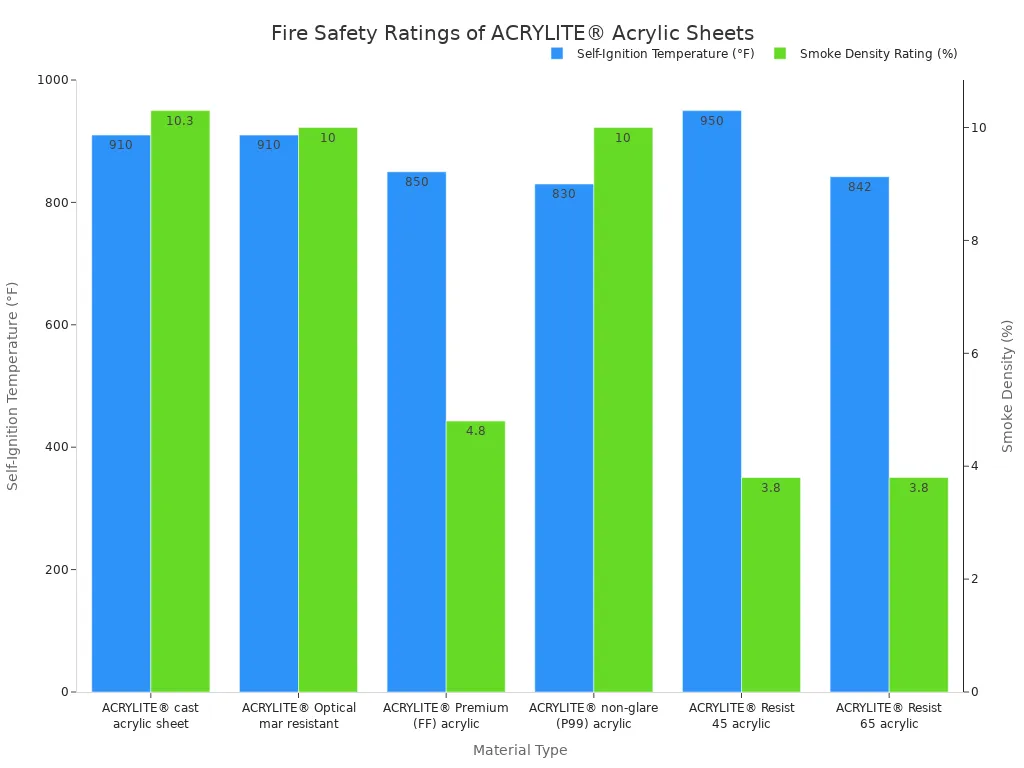 Approved plastics must typically have a high self-ignition temperature (above 650°F) and a low smoke density rating (under 75%), ensuring they meet critical safety standards.
For most demanding hotel environments, PETG stands out as the most practical, durable, and safe material. Hoteliers can align their choices with emerging trends.
- Acrylic offers design flexibility, perfect for achieving the vibrant jewel tones popular in 2025 aesthetics.
- Tempered Glass delivers a statement of timeless luxury that complements natural stone and metallic accents.
Ultimately, a confident material selection is best for Hospitality. It protects the property's investment while elevating the guest experience for years to come.
FAQ
### What is the single best material for most hotel displays?
PETG is the top recommendation for most hotel applications. Its superior impact resistance provides unmatched durability and safety in high-traffic zones. Hoteliers find it a reliable, long-term investment that minimizes replacement costs and liability risks.
### Is tempered glass worth the higher cost?
Tempered glass justifies its higher cost in luxury settings. Its unmatched scratch resistance and premium feel create a high-end guest experience. This material choice communicates permanence and quality, aligning with an upscale brand identity.
### How can hotels prevent scratches on acrylic displays?
Maintenance Tip 🧼 Teams should use microfiber cloths and cleaners made for plastics. They must avoid ammonia-based products. Regular polishing can remove minor scuffs. This simple protocol extends the life of the acrylic and maintains its clarity.
### Are plastic displays safe in a fire?
Building codes regulate plastic use in interiors. Hoteliers must select materials meeting specific fire safety standards. Approved plastics have a high self-ignition temperature (above 650°F) and a low smoke density rating (under 75) to ensure guest safety.