A Guide to Your Hotel Compliance Checklist


As a hotel operator, your compliance checklist is your primary tool for success. You can use this checklist to mitigate risk and ensure guest safety. This process is a proactive strategy for operational excellence. It helps you build guest trust and protect your hotel brand. Safety breaches are costly and frequent in the hotel industry.
- Slips, trips, and falls are the most common injuries.
- These incidents cost the hospitality sector over $2.81 billion.
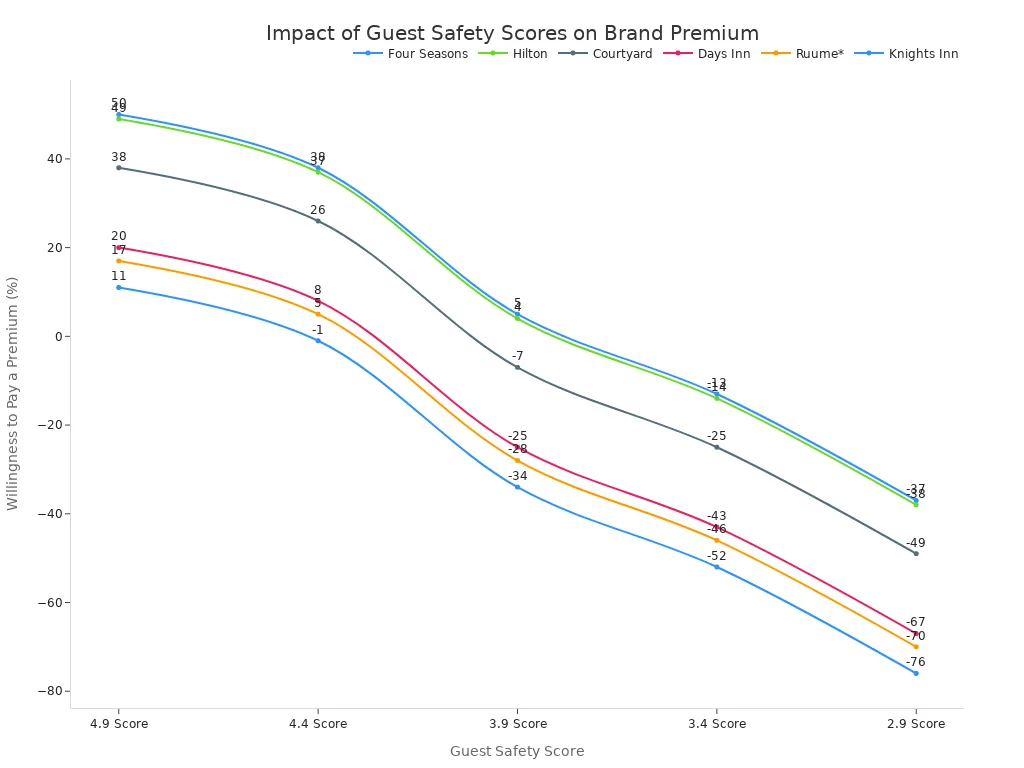
Your commitment to safety directly impacts your guest experience and revenue. Higher guest ratings, driven by a sense of safety and care, allow for premium pricing. This chart shows how guest ratings influence your hotel's pricing power.
This guide provides a clear framework for your hotel safety compliance program.
Foundational Property Safety
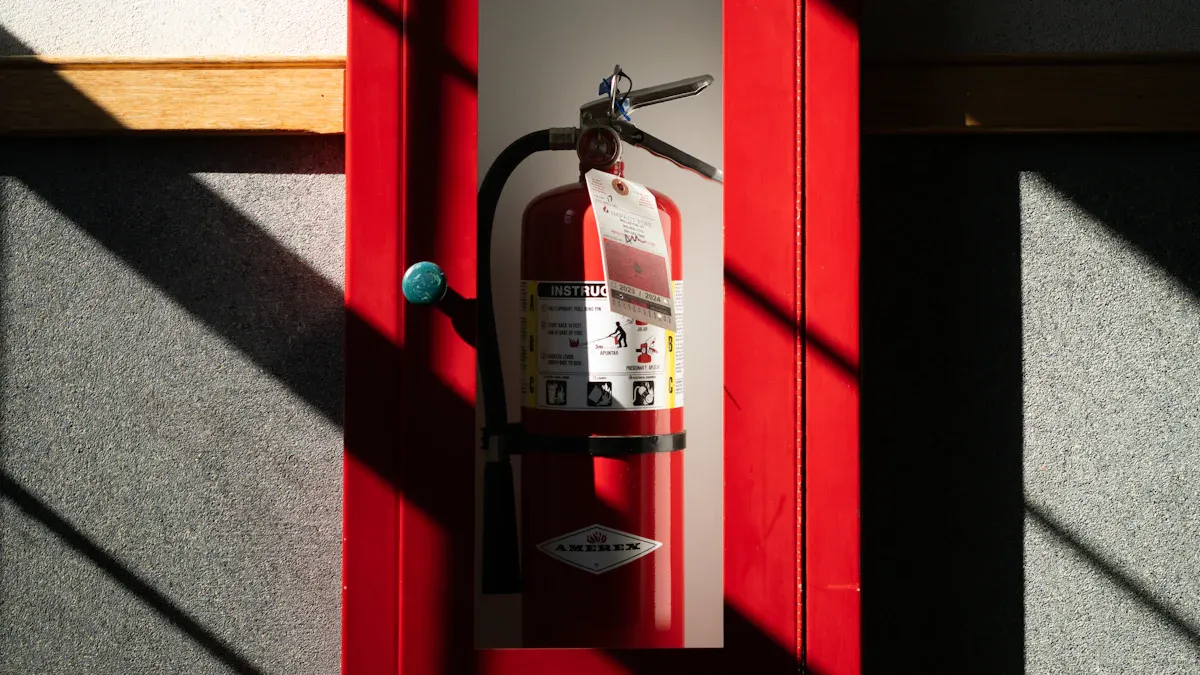
You build guest trust from the ground up. Foundational property safety is the bedrock of your hotel's operations. It covers the core systems that keep your building functional and your guests safe from unseen hazards. A systematic inspection of these areas prevents catastrophic failures and ensures you meet crucial regulatory standards.
Fire Prevention and Life Safety
Effective fire prevention is your first line of defense. You must develop and maintain a written fire emergency plan. This plan is a core component of your fire safety strategy. Post this plan where staff and guests can see it. Your plan should include:
- The appointment of a Fire Safety Director to coordinate all fire safety activities.
- Emergency contact numbers, including 911.
- A clear evacuation plan for all occupants.
- Specific duties for all designated emergency personnel.
- Procedures to assist guests with disabilities.
Regular staff training on fire prevention and emergency response is non-negotiable. Document all training sessions. Since cooking causes 50% of all hotel fires, your kitchen staff needs specialized fire prevention training.
Routine inspection helps you identify and correct common fire code violations before they become major problems. Pay close attention to these frequent issues:
- Blocked exits, fire doors, or exterior access points.
- Improper use of extension cords.
- Malfunctioning exit signs or emergency lighting.
- Items hanging from sprinkler heads or pipes.
- Non-working smoke detectors or fire alarm pull stations.
- Incomplete records of fire system maintenance and inspection.
A single faulty smoke detector can lead to tragedy. You are responsible for ensuring all fire prevention systems work perfectly.
Electrical System Integrity
Your hotel's electrical system powers the guest experience, but it can also pose significant risks. Proactive electrical system safety is essential for fire prevention and personal safety. You must schedule regular inspections with qualified electrical professionals. While a general hotel inspection can occur every five years, high-use areas like commercial kitchens demand annual or even biannual electrical checks.
Pro Tip: The National Electrical Code (NEC) provides clear standards for electrical safety. You must install Ground Fault Circuit Interrupter (GFCI) outlets for all 15A and 20A, 125V receptacles in bathrooms, kitchens, rooftops, and any other wet areas to prevent electrical shock.
Your electrical safety requirements extend beyond guest rooms. The 2023 NEC standards now mandate GFCI protection for all receptacles in the kitchen, including those for refrigerators and microwaves. Your commitment to electrical system safety protects guests, staff, and your property from fire hazards.
Plumbing and Water Safety
Your plumbing system directly impacts guest health and safety. Two key areas demand your attention: waterborne pathogens and physical plumbing compliance.
The CDC recommends you implement a comprehensive Water Management Program (WMP) to prevent the growth of Legionella bacteria. This is now an industry standard. High-risk areas for Legionella growth include:
- Cooling towers
- Showerheads
- Hot tubs
- Decorative fountains
- Pipes in unoccupied rooms
Your WMP should focus on maintaining proper water temperatures, ensuring adequate disinfection, and preventing water stagnation. You must also manage scalding risks. Water temperatures above 120°F (49°C) can cause severe burns in seconds. Set your hot water systems to comply with local safety standards, typically not exceeding this temperature in guest-facing taps.
Common plumbing code violations can cause backups, water damage, and safety issues. During your inspection, check for these problems:
| Violation Category | Specific Item to Check |
|---|---|
| Drains & Traps | Use of incorrect S-traps instead of P-traps. |
| Venting | Improper horizontal venting of sewer gases. |
| Pipe Slope | Insufficient downward slope on all drain pipes. |
| Clearances | Not enough space around toilets per code. |
| Shut-Offs | Inaccessible or non-working main water shut-off valves. |
HVAC and Air Quality Control
Your Heating, Ventilation, and Air Conditioning (HVAC) system is vital for guest comfort and health. Poor air quality can lead to guest complaints and health concerns. You should follow established safety standards like ASHRAE Standard 62.1, which outlines minimum ventilation rates for acceptable indoor air quality.
A consistent maintenance schedule is key to HVAC performance and safety. This prevents system failures and ensures clean air circulation. Implement a multi-tiered inspection and maintenance plan.
Recommended HVAC Maintenance Schedule
- Monthly: Check and replace air filters as needed.
- Twice-Yearly: Schedule full service in the spring and fall. This includes cleaning coils, checking refrigerant levels, and testing electrical components.
- Annually: Conduct a comprehensive service of the entire HVAC system, including boilers and chillers. This deep inspection should analyze oil, check for corrosion, and retighten all mechanical components.
Regular upkeep of your HVAC system demonstrates a commitment to a healthy and comfortable guest environment.
Guest-Facing Areas Checklist
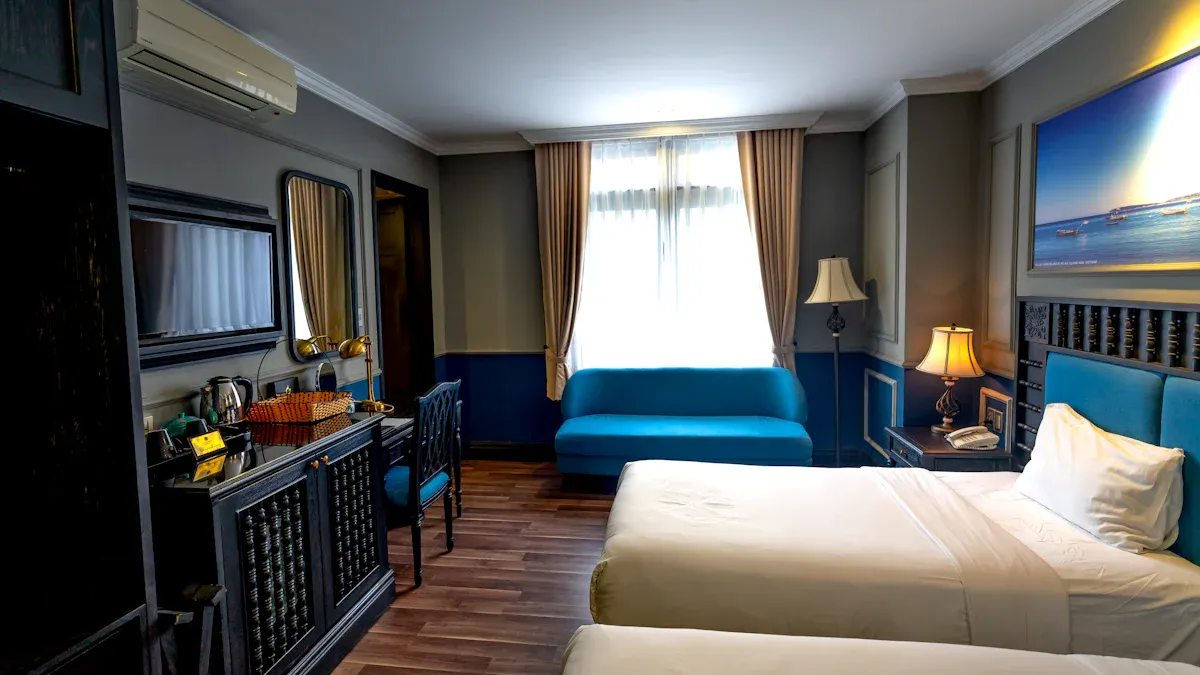
Your guest-facing areas create the first and most lasting impression of your hotel. These spaces are where guests live, relax, and socialize. A detailed inspection of these zones is critical for guest safety and satisfaction. Your hotel safety inspection checklist must prioritize these high-traffic areas to ensure a flawless guest experience and uphold the quality of your hospitality brand.
The Hospitality Accommodation Inspection Checklist
The guest room is the core of the hospitality experience. Your hospitality accommodation inspection checklist ensures every room meets the highest standards of safety, cleanliness, and quality. This checklist goes beyond surface-level tidiness. It is a systematic review of every element within the accommodation.
Your room inspection must confirm the functionality of all safety devices. Many states have specific legal requirements for in-room alarms.
- You must install carbon monoxide (CO) alarms in any accommodation with a fuel-burning appliance or an attached garage. States like Vermont and West Virginia mandate this for all hotel and motel rooms.
- Newly installed alarms often need to be hardwired with a battery backup.
- Local codes may have additional requirements, so you should always verify regulations in your jurisdiction.
A thorough hospitality accommodation inspection checklist for each accommodation also includes checking door locks, window latches, and verifying that all furniture is stable. This focus on in-room safety and quality builds guest confidence. The goal is to guarantee a secure and comfortable accommodation for every guest.
Common Areas and Lobbies
Your lobby is the nerve center of your hotel. It must be welcoming, functional, and safe for everyone. Your hotel safety inspection checklist should include a detailed review of accessibility and furniture safety to ensure your common areas comply with the Americans with Disabilities Act (ADA).
ADA Compliance is Non-Negotiable You must provide an accessible path of travel from the moment a guest arrives. Key ADA requirements for your hospitality operation include:
- Entrances: Doors must have a clear width of at least 32 inches.
- Registration Desk: You need a lowered section no more than 36 inches high.
- Pathways: Hallways must be at least 36 inches wide, with clear floor space for navigation.
- Signage: You must use signs with raised characters and Braille to direct guests.
Furniture in high-traffic areas endures significant wear. You must select and maintain furnishings that prioritize both durability and safety.
- Choose commercial-grade upholstery that is fire-retardant and stain-resistant.
- Opt for furniture with strong wood or metal frames and reinforced joints to ensure stability.
- Anchor tall or heavy items like cabinets and TV stands with L-shaped brackets to prevent tipping.
Regular inspection of your lobby furniture and layout is a key part of your hospitality commitment to quality and safety.
Stairs, Ramps, and Elevators
Vertical transportation is a major source of potential risk in any multi-story hotel. Your hotel safety inspection checklist must cover stairs, ramps, and elevators to prevent slips, trips, and falls. The International Building Code (IBC) sets clear standards for stairways in hospitality settings.
Your routine inspection should verify compliance with these key measurements.
| Stairway Feature | IBC Specification |
|---|---|
| Handrail Height | 34″ to 38″ from the stair tread nosing |
| Handrail Diameter | 1.25″ to 2″ |
| Wall Clearance | Minimum 1.5″ space between handrail and wall |
| Tread Depth | Minimum 11″ deep |
You must also ensure adequate lighting in all stairwells and check that anti-slip surfaces on treads are intact. For elevators, you must maintain a valid inspection certificate and ensure the emergency phone is operational. A proactive inspection of these areas is fundamental to guest safety.
Pools, Gyms, and Recreation Zones
Amenity spaces like pools and gyms enhance the guest experience but also introduce unique safety challenges. A dedicated checklist for these zones is essential for your hotel's risk management program.
For swimming pools, you must comply with strict state and federal laws.
- Enclose your pool with a fence at least five feet high that has a self-closing, self-latching gate.
- Post depth markers clearly.
- Display a "No Lifeguard on Duty" sign if you do not provide a lifeguard.
- Keep rescue equipment, like a body hook and a life ring, readily accessible.
- Ensure all drains have federally compliant anti-entrapment covers.
Your hotel fitness center requires a rigorous maintenance and cleanliness schedule. A multi-frequency inspection plan ensures equipment safety and hygiene.
- Daily: Perform a quick inspection for any obvious hazards and wipe down equipment. Use EPA-registered, QUAT-based disinfectant wipes that will not damage surfaces.
- Weekly: Conduct a more detailed cleanliness verification and check for loose parts or frayed cables.
- Quarterly: Schedule a professional service for all machines, referencing equipment manuals for specific maintenance needs.
A well-maintained recreation area shows your commitment to providing a high-quality and safe accommodation experience. This diligence protects your guests and your hospitality business. Your hotel safety inspection checklist is the tool that makes this quality possible.
Back-of-House Operational Safety
Your back-of-house operations are the engine of your hotel. You must implement strict safety protocols in these areas to protect your staff and uphold your brand's quality. These standards ensure a safe foundation for every guest's experience.
Kitchen and Food Service Hygiene
The kitchen is a high-risk zone for both fire incidents and food safety issues. Your food preparation safety plan must meet rigorous standards. You can prevent common slip-and-fall hazards by following OSHA safety standards.
- Keep floors clean and dry.
- Use slip-resistant floor mats.
- Ensure walkways are clear and unobstructed.
Excellent food preparation and cleanliness practices prevent cross-contamination. While the FDA does not mandate a specific color-coding system for cutting boards, adopting one is a best practice for food preparation quality. This system helps your team maintain high food safety standards. Ensure all food preparation surfaces are non-porous for proper cleanliness. Your kitchen's fire safety plan is critical, as cooking is a leading cause of hotel fire events. A focus on food preparation quality and fire prevention is essential. This commitment to food quality and fire safety protects everyone.
Housekeeping and Chemical Handling
Your housekeeping team handles chemicals daily, making proper training and documentation vital. You must comply with OSHA's Hazard Communication Standard to manage chemical hazards.
Safety Data Sheets (SDS) are Mandatory You must develop a written hazard communication program. You are required to maintain an updated SDS for every hazardous chemical on-site. Make these sheets readily accessible to employees during their work shifts.
Store all chemicals according to their SDS guidelines, away from any food preparation or storage areas. This maintains food quality and safety. Your training must cover these storage requirements to ensure staff understands all safety protocols.
Storage and Receiving Docks
Your storage and receiving areas present unique safety challenges. You must conduct regular inspections to identify and correct potential hazards. Common issues include slippery floors, poor lighting, and unsecured trailers. Maintaining clear pathways and secure guardrails is part of your fundamental safety standards. A focus on quality and cleanliness in these zones prevents accidents.
Waste Management Protocols
You must manage waste according to specific regulations. The EPA's rules, under the Resource Conservation and Recovery Act (RCRA), have specific requirements. While federal rules may offer a "Household Hazardous Waste Exclusion," you must check your state's laws. Some states, like California, have stricter standards. Adhering to these waste management requirements demonstrates your commitment to environmental quality and legal compliance.
Managing Your Compliance Checklist
A checklist is more than a piece of paper. It is a dynamic tool for managing your hotel's safety culture. Your compliance checklist guides your team, documents your diligence, and prepares you for any eventuality. Proper management turns your hotel safety inspection checklist from a task into a strategic asset.
Using a Hotel Safety Inspection Checklist
You should use your hotel safety inspection checklist to standardize daily operations. This tool ensures every team member follows the same comprehensive inspection procedures. The checklist provides a clear roadmap for consistent safety assessments. Your hotel safety inspection checklist helps staff identify and report issues before they become hazards. This proactive approach is fundamental to hotel safety.
Documentation and Record-Keeping
You must document every inspection. Detailed records are your proof of due diligence. Your documentation should include the date, the inspector's name, findings, and corrective actions taken. This log creates a history of your hotel's commitment to safety. Good records protect your business legally and help you track recurring problems. Your compliance checklist is the foundation of this critical record-keeping process.
Staff Training and Drills
Your hotel safety inspection checklist is only effective when your staff is well-trained. You must conduct regular training and drills to prepare your team for emergencies. Fire drills are especially important for hotel safety.
- You should conduct fire drills at least twice a year.
- Schedule drills at different times and on different days to test readiness.
- Hotels with higher risks may need quarterly drills.
A successful drill requires careful planning.
- Create a Schedule: Plan drills regularly but vary the timing.
- Develop a Plan: Ensure everyone knows their role and the location of assembly points.
- Vary Scenarios: Simulate different emergencies, like a blocked exit, to test your team's response.
- Document and Improve: Record the results of each drill and update your emergency plan based on what you learn.
Scheduling Regular Audits
Regular audits validate the effectiveness of your compliance checklist. You can use your own team or hire outside experts for this inspection. Each approach has benefits. Choosing the right one depends on your hotel's needs.
| Feature | Internal Teams | Third-Party Auditors |
|---|---|---|
| Pros | Familiar with operations and cost-effective. | Impartial and have specialized knowledge. |
| Cons | May have biases or overlook familiar issues. | Higher cost and less familiar with your culture. |
Whether internal or external, these inspections ensure your hotel safety inspection checklist is being used correctly. Audits uphold your high standards and keep your compliance checklist relevant. A consistent inspection schedule is key. Your hotel safety inspection checklist is a living document that requires regular review.
Your systematic compliance program is a cornerstone of successful hotel management. It goes beyond simple regulatory rules for your hotel. You should adapt this guide's framework. Create a custom checklist that fits your unique hotel property. Diligent compliance practices directly improve the guest experience. This builds a resilient, reputable hotel business. A strong checklist empowers your hotel team.
FAQ
How often should I update my hotel compliance checklist?
You should review your checklist at least once a year. Update it immediately after any renovations, when adding new amenities, or when local codes change. This practice ensures your hotel safety inspection checklist remains a relevant and effective tool for your property.
What is the most critical area to inspect daily?
You must inspect high-traffic guest areas every day. Lobbies, hallways, and elevators demand constant attention due to heavy use. These zones present the highest risk for slips and falls. Daily checks are essential for maintaining a safe environment for everyone.
Are digital checklists better than paper ones?
Digital checklists offer powerful advantages for your hotel. They provide real-time tracking, photo documentation, and simplified record-keeping. This technology improves team accountability and makes your audit process much more efficient. Your compliance program becomes stronger with digital tools.
How do I ensure my staff actually follows the checklist?
You must integrate the checklist into daily routines and regular training. Explain how it protects both them and your guests.
Lead by example. When your team sees your commitment to safety, they will follow your lead. Regular feedback reinforces the checklist's importance and builds a strong safety culture.