Your guide to the best anti-theft features for makeup

Effective anti-theft features for makeup displays often include:
- Tethered retractors
- Electronic Article Surveillance (EAS) tags
- Smart sensors with lift detection
The ideal solution requires a careful balance. Brand managers must weigh security needs against the customer experience. They also consider brand aesthetics and budget. This guide helps managers navigate these options to choose the right fit for their products and retail environment.
ESSENTIAL PHYSICAL DETERRENTS
Physical deterrents are a foundational layer of security. These solutions are often low-cost and highly visible. They physically secure products. They also allow customers to interact with makeup testers and packaging. This approach creates a balance between loss prevention and a positive shopping experience.
TETHERED PRODUCT RETRACTORS
Tethered retractors are a popular choice for interactive displays. These devices use a thin, retractable steel cable to connect a product to the shelf or display stand.
- Function: Customers can pick up, hold, and examine the product. The cable prevents them from walking away with it.
- Benefit: This method encourages hands-on interaction. Shoppers can test shades and feel the product's weight and quality.
- Consideration: A display with many tethers can sometimes appear cluttered. Brands must plan the layout carefully to maintain a clean aesthetic.
CUSTOM ENCLOSURES AND BRACKETS
Custom enclosures and brackets offer a more integrated form of protection. They secure the product in place while fitting seamlessly with the brand's visual identity. These solutions show how security can enhance, not detract from, the brand presentation. Many brands use custom inserts within their packaging to secure products and elevate the unboxing experience.
Note: While often used for shipping and PR, the design principles of custom inserts apply to in-store displays. They show how to hold a product securely while complementing brand aesthetics.
| Brand | Enclosure Feature | Aesthetic Contribution |
|---|---|---|
| Nēmah | Pale yellow custom box insert | Breaks up monochromatic color and highlights the product. |
| Origins | Kraft insert with natural designs | Reflects a commitment to the environment and informs consumers. |
| Kiehl’s | Custom insert for a PR package | Communicates product purpose with an interactive element. |
| Bareaya | Simple, minimalist box inserts | Places attention on the products and reflects a minimalist style. |
These examples show that a well-designed bracket or enclosure protects the item. It also reinforces the brand's story and values.
ANTI-SWEEP HOOKS
Shoplifters often use a "sweep" tactic. They quickly slide many products off a display hook into a bag. Anti-sweep hooks are simple yet effective anti-theft features designed to stop this specific action. They make it difficult for thieves to grab multiple items at once.
There are several types of anti-sweep solutions:
- Stop Locks: These small devices attach directly to existing display hooks. The SL004 Anti-Sweep Magnetic Stop Lock, for example, creates a physical barrier. It blocks merchandise from being pulled off the hook. Only employees with a special magnetic detacher can remove the lock to access the products.
- Time-Delayed Dispensers: More advanced systems like the T1000 dispenser offer another way to prevent sweeping. This device dispenses only one product at a time. Its time-delayed mechanism disrupts a thief's ability to grab items quickly. The dispenser also makes an audible click, which can alert staff to repeated attempts to take products.
INTEGRATED ELECTRONIC SECURITY
Integrated electronic security connects individual components into a cohesive, store-wide defense system. These solutions link alarms, cameras, and access controls to create a responsive network. For example, an alarm on a high-value display can trigger the nearest camera to record. This integration provides a more robust and intelligent layer of protection against theft.
ELECTRONIC ARTICLE SURVEILLANCE (EAS)
Electronic Article Surveillance (EAS) is a common security method in retail. These systems use tags or labels that trigger an alarm if they pass through sensor gates at the store exit. Makeup products present a unique challenge due to their small size.
Tip: Brands can use thin and narrow anti-theft labels specifically designed for cosmetics. These labels feature a visible circuit that deters theft. Their clear design ensures that barcodes and important product information remain visible to the customer.
This technology allows brands to protect small, high-theft items without using bulky packaging or locking them away.
LOCKING DISPLAY CABINETS
Locking display cabinets secure high-value products. However, traditional key-locked cases can create a poor customer experience. Shoppers must wait for an employee, who then has to find the correct key. This delay can deter sales.
Modern electronic-access cabinets offer a better solution.
- They provide enhanced security with digital authentication and access logs.
- Staff can use a single smart key or code to open multiple displays quickly.
- The system tracks who accessed a cabinet and when, improving accountability.
While the initial cost is higher, electronic cabinets reduce long-term maintenance costs associated with lost keys and lock changes. They balance security with a seamless customer journey.
SPECIALIZED DISPENSING SYSTEMS
Specialized dispensing systems are one of the most secure anti-theft features available. These automated machines, similar to vending machines, dispense one product at a time after a selection is made. This completely prevents grab-and-run theft and product sweeps. Costs for these systems vary based on customization.
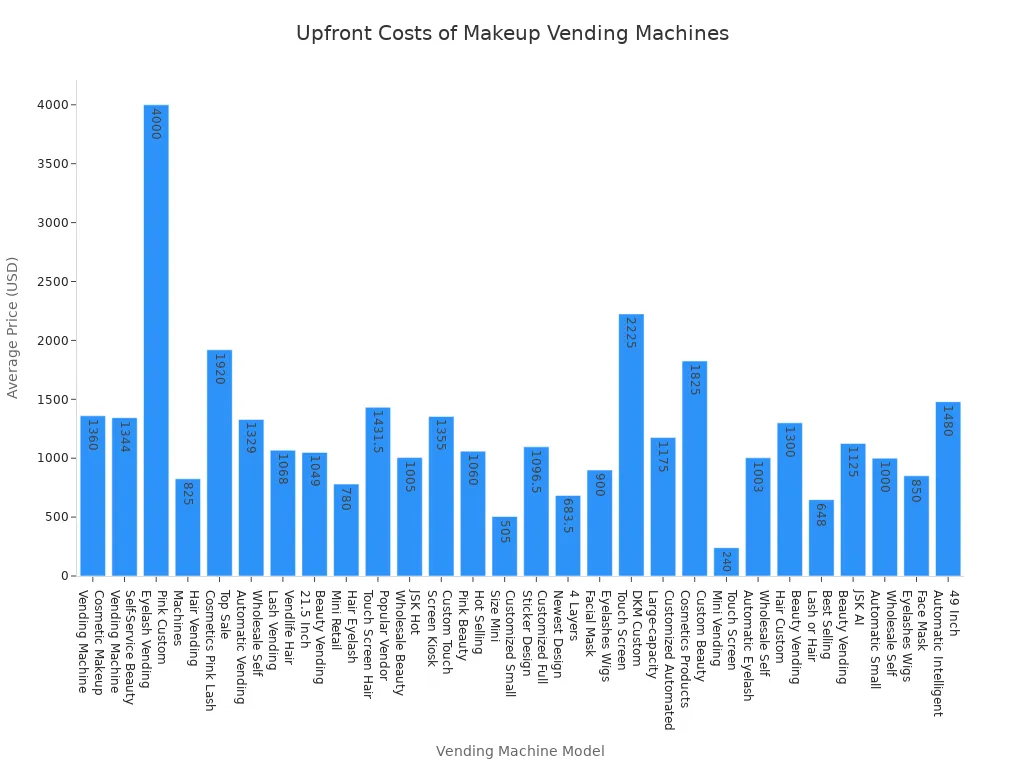
While a modified standard machine may cost under $8,000, a fully bespoke unit can exceed $20,000. These systems offer maximum security for premium products and can be designed to match a brand's aesthetic.
ADVANCED & SMART SOLUTIONS
Advanced and smart solutions represent the highest tier of product protection. These high-tech options are often discreet. They integrate seamlessly into the store environment. Beyond security, they provide valuable data on customer behavior and inventory. This information helps brands make smarter business decisions.
SMART DISPLAYS WITH LIFT SENSORS
Smart displays use sensors to detect when a customer lifts a product. This simple action can trigger a range of responses, turning a standard display into an interactive security and data collection tool. These systems offer a clean, cord-free look perfect for VIP counters and flagship store displays.
The primary function is security. If a product is lifted and not returned within a set time, the system can activate an alarm. Modern wireless alarm systems offer sophisticated features to prevent false alarms.
These sensors also gather data. They track which products are picked up most often, how long customers interact with them, and which displays get the most attention. This data helps managers optimize product placement and understand customer interest.
RFID INVENTORY & SECURITY SYSTEMS
Radio Frequency Identification (RFID) systems offer powerful inventory and security management. Each makeup item receives a small tag with a unique ID. Readers placed around the store use radio waves to automatically track these tags, providing a real-time overview of every product.
RFID offers significant benefits for both inventory control and loss prevention:
- The system automates tracking and scanning, which is much faster than manual barcode scanning.
- Readers detect tags without a direct line of sight, recording an item's location as it moves.
- This process provides a continuously updated and highly accurate view of all inventory.
- It eliminates the human errors common with manual inventory counts.
As one of the most effective anti-theft features, RFID also enhances security in several ways:
- The system can trigger an alarm if an unpaid item passes through an exit.
- It notifies staff about which specific product was taken, allowing for quick replenishment.
- It helps track products through the entire supply chain, identifying where losses occur.
- Retailers can pinpoint high-risk items and adjust their security strategies accordingly.
Implementing a store-wide RFID system requires specific hardware and software components.
| Component | Role in the System |
|---|---|
| Hardware | |
| RFID Tags | Small chips that store and transmit product data. |
| RFID Readers | Devices that communicate with tags to collect data. |
| Antennas | Emit and receive radio signals to ensure full coverage. |
| Software | |
| RFID Platform | Manages data from tags, including monitoring and reporting. |
| Database | Stores all collected data, such as tag IDs and locations. |
| Middleware | Connects RFID hardware to other business systems. |
| Application Software | Programs that interpret data for inventory or asset tracking. |
This technology must also integrate with existing Point-of-Sale (POS) and inventory management systems to be fully effective.
INTEGRATED SURVEILLANCE
Modern surveillance goes beyond visible cameras. It involves discreet, intelligent systems that blend into the store's design while providing comprehensive monitoring. These solutions focus on subtlety and integration to maintain a premium brand aesthetic.
- Slimline cameras and compact alarms can be easily hidden.
- Some cameras are designed to look like other objects, such as smoke detectors or speakers.
- Devices can be built directly into light fixtures or other decorative elements to become nearly invisible.
For luxury brands with high-value products on countertops, an additional layer of physical security is often necessary. Advanced glazing offers a high-end solution for countertop cases.
Different types of glazing offer various levels of protection:
- Polycarbonate: A lightweight option that provides strong protection against forced entry.
- Glass-Clad Polycarbonate (GCP): Offers the highest levels of ballistic and forced-entry protection.
- Insulated Glass: Combines security features with thermal performance.
This technology provides a formidable, transparent barrier that protects assets without compromising the visual presentation of luxury cosmetics.
CHOOSING THE RIGHT ANTI-THEFT FEATURES

Selecting the correct security solution is a critical decision for any makeup brand. Managers must consider several factors to protect their products effectively. A thoughtful strategy ensures security enhances the brand instead of hindering it.
ASSESS PRODUCT VALUE AND RISK
Brands should first evaluate their products. High-value items or those frequently stolen require stronger protection. A popular lipstick might need a different solution than a luxury skincare set. Analyzing sales data and theft reports helps identify which products are most at risk. This assessment forms the foundation of a targeted security plan.
BALANCE SECURITY AND CUSTOMER EXPERIENCE
Security should never create a barrier for honest shoppers. Customers want to touch, test, and interact with makeup. Overly aggressive measures can frustrate them and lead to lost sales.
The best approach finds a middle ground. It secures the product while allowing customer interaction. Tethered retractors, for example, let shoppers handle an item without being able to walk away with it.
ALIGN WITH BRAND AESTHETICS
Security measures must match the brand's image. A luxury brand needs elegant, discreet solutions. A fun, youthful brand might use more visible, colorful options. Aesthetics are a crucial consideration.
- Security labels can feature a brand's logo and colors.
- Custom enclosures can use architectural finishes to blend with store decor.
- Well-designed security reinforces brand recognition and professionalism.
These details ensure the chosen anti-theft features feel like a natural part of the brand experience.
ANALYZE BUDGET AND ROI
Every security investment must make financial sense. Brands need to analyze the cost of a system against the money it saves. The formula for Return on Investment (ROI) is:
(Net Profit / Cost of Investment) x 100
To find the net profit, a brand can compare theft incidents before and after installing a system. A good system also reduces other losses, like refund fraud. This analysis helps justify the expense and proves the value of the investment over time.
Brands have several security tiers to consider:
- Physical deterrents
- Integrated electronics
- Advanced smart technology
A single solution is not enough. The best strategy layers these tools. It matches the security to the product and the store.
A thoughtful plan protects assets. It also enhances the brand and the customer journey. 🛍️
FAQ
What is the most popular anti-theft feature for makeup testers?
Tethered retractors are a very popular choice. They allow customers to pick up and test products. The retractable cable secures the item to the display. This method balances customer interaction with basic security, making it ideal for hands-on displays.
How can brands secure products without locking them away?
Brands use several effective methods.
- Electronic Article Surveillance (EAS) tags trigger an alarm at the exit.
- Anti-sweep hooks prevent thieves from taking many items at once.
- Smart displays with lift sensors can also alert staff to potential theft.
Are smart solutions like RFID worth the cost?
For many brands, yes. RFID systems provide excellent security and real-time inventory data. This information helps reduce theft and prevent stockouts. The long-term savings and improved efficiency often justify the initial investment for high-volume or high-value products.
Where should a small brand start with product security?
A small brand can start with a layered approach. Begin with low-cost physical deterrents like anti-sweep hooks. Then, add EAS tags to high-risk items. This strategy provides a solid security foundation without a large upfront budget.