Gloss vs Matte Hospitality Brand Cues

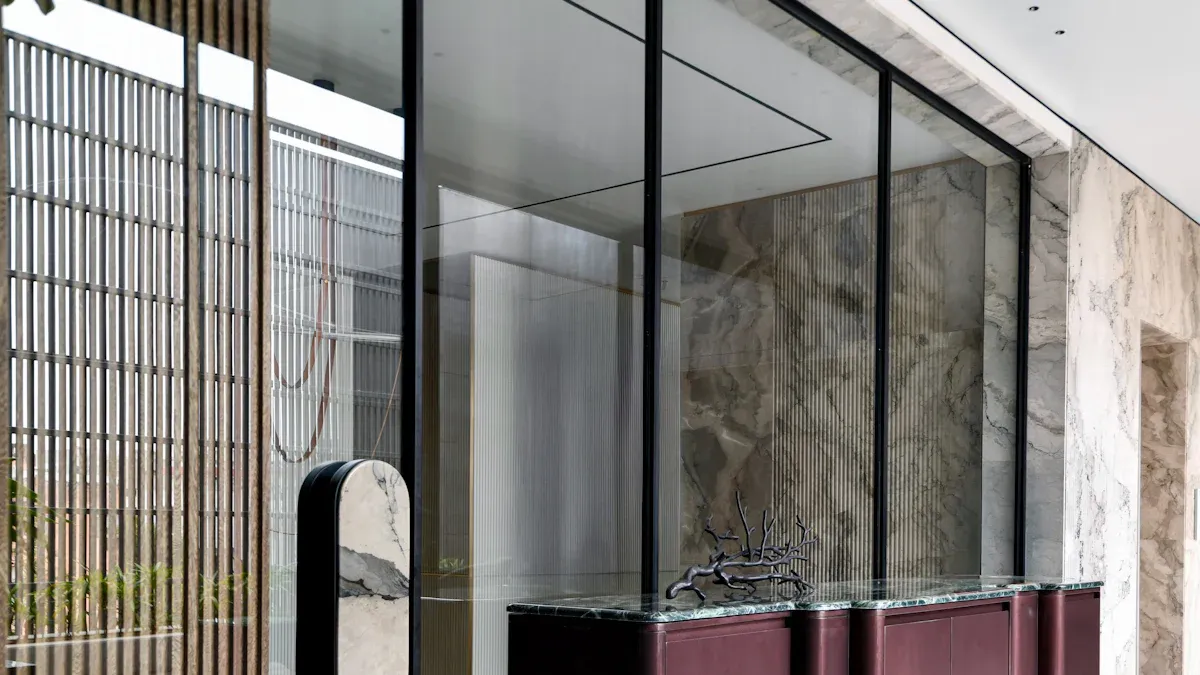
The choice between a gloss or matte finish is a fundamental hospitality design decision. A gloss finish signals luxury, while matte conveys calm. These are powerful hospitality brand cues that define a hotel's personality. This choice shapes a guest's first impression. The right color and texture create a specific mood, setting the stage for the entire guest experience.
A consistent visual language across all hotel spaces is crucial. Strong hospitality brand cues help guests recognize the brand. This makes a lasting impression and achieves mood by design.
The Gloss Finish in Hospitality Design
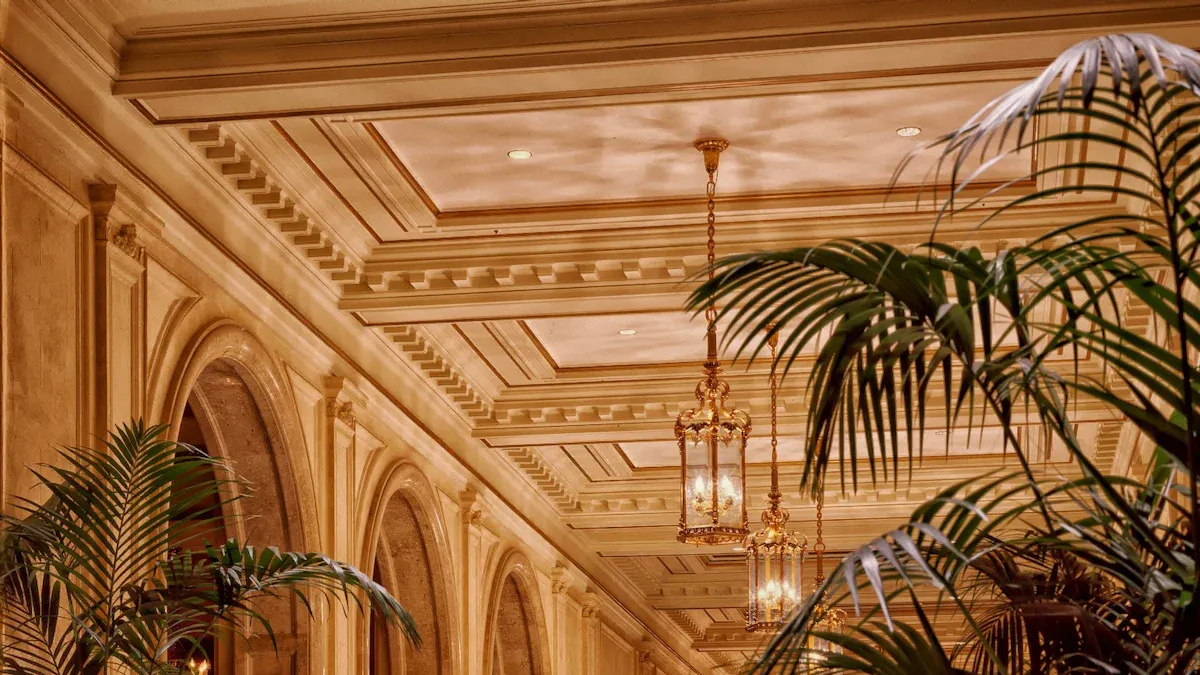
A high-gloss finish is a powerful tool in hospitality design. It instantly communicates a message of opulence and forward-thinking style. This finish interacts with light to transform a hotel's atmosphere, making spaces feel more expansive and energetic. The right application of gloss features can define a brand's identity and elevate the guest experience.
Projecting Luxury and Energy
High-shine surfaces create an immediate sense of glamour. Polished marble, metallic accents, and super gloss laminates reflect light, amplifying a room's vibrancy. This reflective quality makes spaces feel larger and more dramatic. A bold color on the walls paired with a glossy finish enhances the perception of luxury. Many premier hotel brands use this strategy effectively.
- Trump Tower, New York City: Its lobby features extensive Breccia Pernice marble on floors, walls, and columns.
- Trump International Hotel, Washington D.C.: This hotel uses beautiful marble and tile work in its grand atrium.
- The Dominick, NYC: The design incorporates marble flooring and high-gloss porcelain tiles for a sleek, modern finish.
Creating a Modern Feel
Glossy surfaces are synonymous with contemporary design. The clean, sharp look of a high-gloss paint or material appeals to modern and minimalist brands. This trend is seen across commercial environments, where sleek fixtures attract customer attention. For a hotel, this translates to a fresh and dynamic brand image. It tells the guest that the hotel is current, clean, and sophisticated. The choice of a high-gloss paint can make a powerful statement in public-facing hospitality spaces.
Practicality and Durability
Gloss finishes offer excellent durability and washability. Their smooth surface is easy to wipe clean, a key benefit for high-traffic hotel areas like lobbies and restaurants. While they show fingerprints more easily, their simple maintenance makes them a practical choice. For high-touch surfaces in guest rooms, a lower gloss might be better. It is important for hospitality professionals to review manufacturer test results, such as ASTM ratings for gloss and abrasion resistance. This ensures the chosen paint and materials meet performance needs for both aesthetics and longevity in guest rooms and common areas.
The Matte Finish for the Modern Hotel
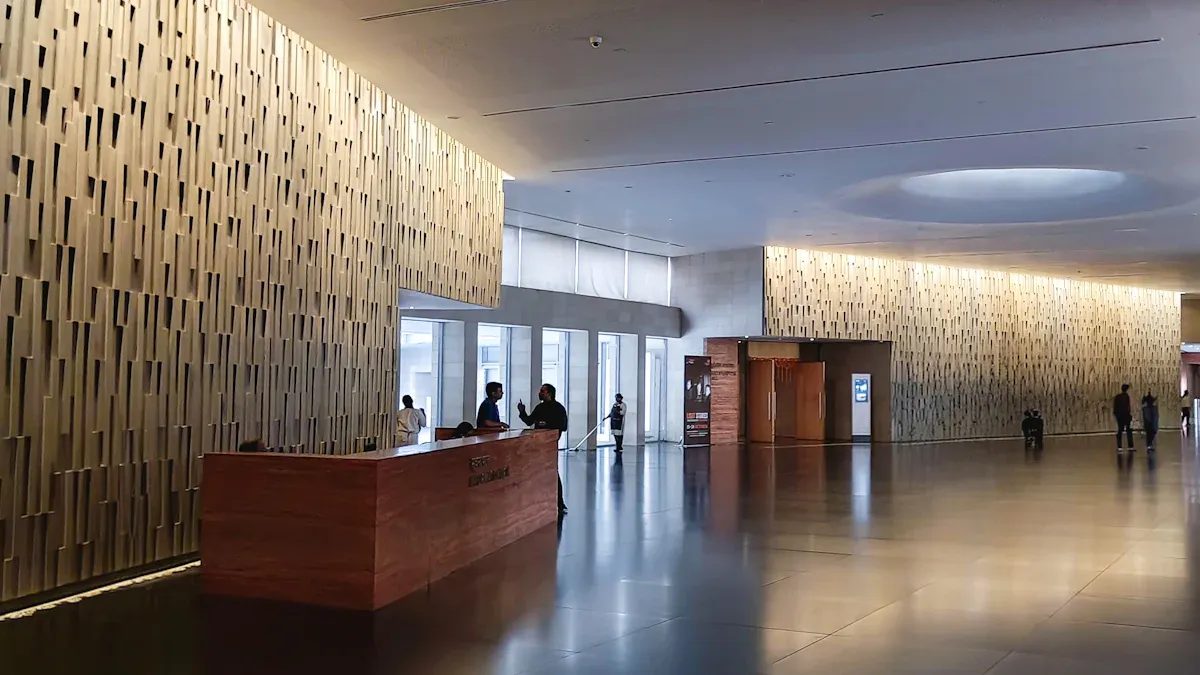
A matte finish offers a different kind of luxury for the modern hotel. It creates a mood of understated elegance and tranquility. This approach to hospitality design prioritizes a deep sense of comfort and authenticity. The right color and texture can establish a foundational mood of calm, making a guest feel grounded and at ease. These non-reflective surfaces are essential tools for crafting serene hotel spaces.
Evoking Calm and Sophistication
Matte surfaces absorb light rather than reflecting it. This quality is key to creating a peaceful atmosphere. A flat or matte paint on the walls reduces glare from large windows or bright interior lighting. This creates a soft, soothing environment perfect for guest rooms and relaxation areas. The lack of reflection helps the eye rest, which contributes to a calm mood. A hotel can use a muted color palette with a matte treatment to signal a restful and sophisticated guest experience.
Connecting with Authenticity
Matte textures connect a brand with honesty and craftsmanship. This finish works especially well on natural materials like wood and stone. It aligns with eco-conscious and minimalist hotel brands that value quality and simplicity. The right color and texture tell a story.
A Note on Tactile Design ✍️ A tactile design invites touch and curiosity. It enhances guest engagement with the hotel spaces. This approach uses texture to build a deeper sensory connection, making the experience more memorable.
- Uneven, matte finishes suggest artisanal craftsmanship.
- They highlight the natural character and imperfections of materials.
- This rich tactile quality brings comfort to daily experiences.
Hiding Imperfections
Matte finishes offer significant practical advantages for any hospitality property. Their low-sheen surface is excellent at concealing minor imperfections. This makes them ideal for high-touch surfaces in guest rooms or busy common areas. While a gloss finish highlights every smudge, a matte paint or material hides fingerprints, dust, and small scratches. This reduces visible wear and tear, keeping spaces looking fresh with less maintenance.
| Feature | High Gloss Finish | Matte Finish |
|---|---|---|
| Light Reflection | High reflection, brightens space | Low reflection, absorbs light |
| Maintenance | Shows smudges, needs frequent wiping | Hides fingerprints, requires less cleaning |
| Durability | More prone to showing scratches | More forgiving to visible damage |
Strategic Design by Hotel Zone
The choice between gloss and matte is not an all-or-nothing decision. A strategic approach applies different finishes to different zones within a hotel. This creates a cohesive brand journey for the guest. The lobby, guest rooms, and restaurants each have unique functions. Their design should reflect that purpose.
The Welcoming Hotel Lobby
The hotel lobby offers the first physical touchpoint with a brand. Matte-finished walls and floors can create a grounded and calm first impression. A design using 'Canyon Matte Porcelain' tiles, for example, produces a soft and welcoming atmosphere. This thoughtful simplicity makes guests feel instantly at ease.
A successful hotel lobby often balances energy and comfort. One design approach mixes matte-finish dark grey marble with polished white marble. This creates a beautiful contrast in texture and reflectivity. Combining matte and glossy finishes adds richness and visual interest. Glossy materials like polished marble and glass amplify light, making spaces feel larger. A matte finish, in contrast, adds depth without requiring extra space. This balance is critical in hotel design.
The Guest Room Sanctuary
The guest room should be a peaceful retreat. Matte finishes are ideal for creating this restful sanctuary. A matte paint absorbs light, which makes a color look richer and more uniform. This is how a hotel can transform your guest room into a serene escape.
Benefits of Matte Finishes in Guest Rooms 🛏️
- The subtle finish lends an air of sophistication, perfect for a peaceful mood.
- Matte paint is excellent at concealing minor surface imperfections on walls.
- Warm matte colors like beige and soft gray create a cozy, welcoming atmosphere in rooms.
- Matte walls provide a harmonious background, allowing artwork and furniture to stand out.
Using calming hues with a matte finish helps a guest unwind. This thoughtful choice is critical in hotel design. It shows a brand’s commitment to guest comfort.
Choosing Hotel Room Paint Colors
Choosing the right paint finish is a key decision for guest rooms. The selection of hotel room paint colors directly impacts durability and maintenance. A hotel must balance aesthetics with practicality. The right paint ensures rooms look fresh for every guest. This choice is critical in hotel design.
Professionals often recommend specific sheens for hiding imperfections in rooms.
- Flat/Matte Paint: This paint has very little shine. It provides great depth of color and is excellent at hiding surface flaws. It is best for low-traffic adult bedrooms.
- Eggshell Paint: This finish offers soft, even coverage. It is better at hiding wall flaws than glossier options and is easier to clean than flat paint, making it a great choice for guest rooms.
The durability of the paint is another major factor. Choosing the right paint finish depends on the expected wear and tear. The right hotel room paint colors can define the guest experience. A hotel must consider how color influences stay. Trending hotel room paint palettes often favor durable, low-sheen options.
| Paint Type | Durability Rating | Cleaning Ease | Best Use in a Hotel |
|---|---|---|---|
| Matte | Less durable; can scuff | Difficult to clean | Low-traffic rooms or accent walls |
| Eggshell | More durable than matte | Easier to clean than matte | Good for most guest rooms |
| Semi-gloss | Highly durable | Very easy to clean | High-traffic spaces, trim, doors |
Ultimately, choosing the right paint finish for hotel room paint colors is a practical decision. How color influences stay is tied to both its shade and its sheen. Trending hotel room paint palettes reflect this balance. The right hotel room paint colors and finish are essential. How color influences stay is a core part of hospitality design. Trending hotel room paint palettes guide these important choices.
Ambiance in Restaurants and Bars
Restaurants and bars are high-energy spaces. A high-gloss finish can inject energy into these environments. High-gloss laminates on bar units create a vibrant, clean look perfect for entertaining. A designer might paint a bar area in high-gloss navy to create a sophisticated, energetic mood. The shine gives the space a cinematic impact.
- Matte Tabletops: These are forgiving. They hide smudges, fingerprints, and minor scratches well. They require less daily maintenance but can be more susceptible to stains if unsealed.
- Gloss Tabletops: These demand regular upkeep. Fingerprints and streaks are very visible. However, the sealed surface is resistant to water and stains, though scratches are more obvious.
A thoughtful design uses both finishes to craft the desired ambiance. A hotel might use a gloss bar top as a focal point while using matte tables to create a more subdued dining area. This blend of finishes defines the character of the spaces and enhances the overall guest experience.
The most effective hotel strategy combines gloss and matte finishes. Glossy surfaces create high-impact focal points and convey energy. Matte textures establish a foundational mood of calm and authenticity. A hotel uses these powerful hospitality brand cues to guide the guest. This thoughtful blend defines the brand and enhances the guest experience.
A hotel creates a memorable experience for every guest. The right finish sets the correct mood. These hospitality brand cues are essential for a strong identity. Strong hospitality brand cues build a cohesive journey.
FAQ
Which finish is best for high-traffic areas?
Semi-gloss paint offers great durability and washability for walls in busy zones like lobbies. For surfaces, matte finishes hide minor scratches well. Glossy surfaces show wear more easily but are simple to wipe clean, making them practical for certain applications like bar tops.
Can a hotel mix gloss and matte finishes?
Yes, mixing finishes is a sophisticated design strategy. A hotel can create visual interest by combining different textures. For example, a designer might pair a high-gloss reception desk with matte-finished walls. This contrast adds depth and highlights key architectural features.
How does finish affect the appearance of a color?
A finish dramatically changes how a color looks.
Glossy finishes reflect light, making colors appear brighter and more vibrant. Matte finishes absorb light, which gives colors a deeper, richer, and more uniform appearance. The choice directly impacts the room's mood.
What is the best paint finish for a guest room?
Eggshell and matte finishes are excellent choices for guest rooms. These low-sheen options are great at hiding minor wall imperfections. They also absorb light, creating the calm and restful sanctuary that modern guests expect from their hotel room experience.