Do Gloss or Matte Surface Finishes Sell More Phones?

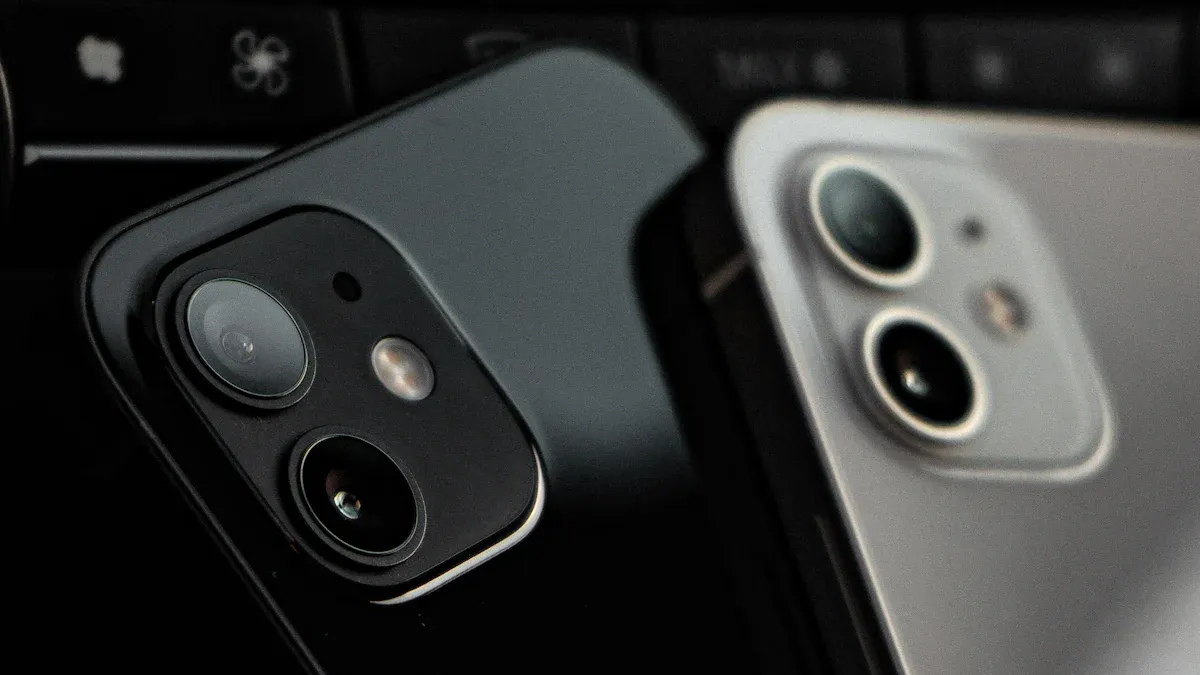
Glossy phones often grab attention in stores. They appeal to a wide audience. Matte phones, however, are gaining ground in the premium market. They offer a sophisticated look and a superior feel. The best-selling option depends on your brand and target customer.
Your decision between gloss and matte surface finishes is a strategic one. It directly impacts your product's appeal and sales potential.
How Gloss Finishes Drive Sales
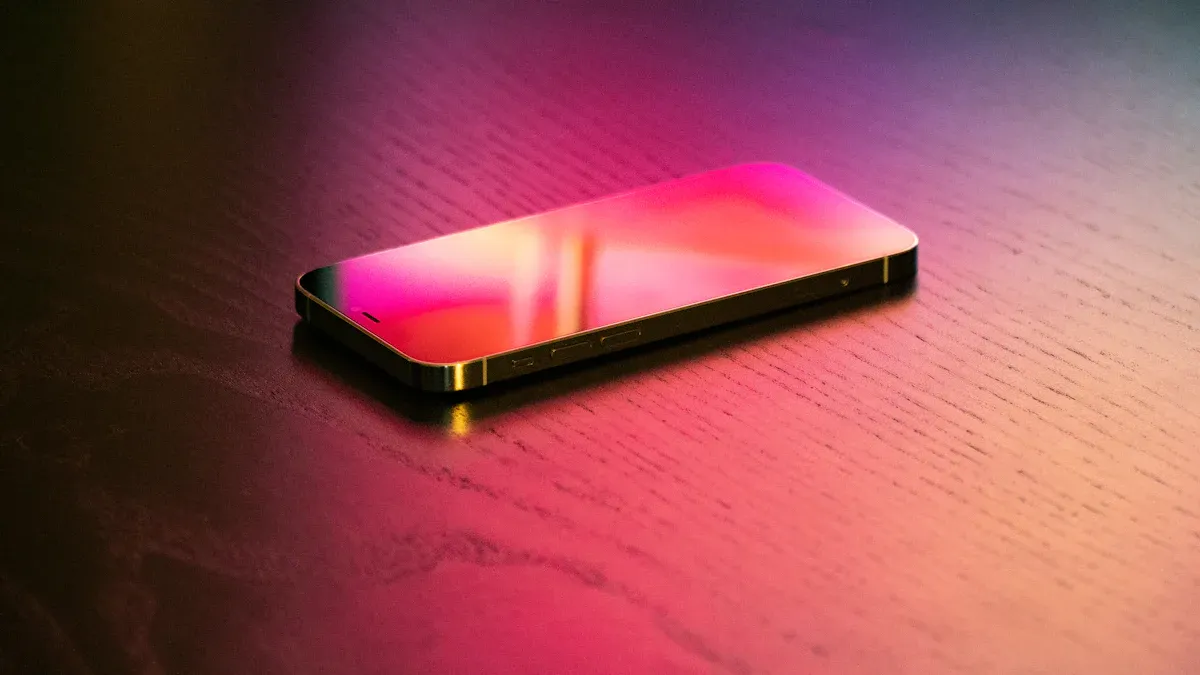
Glossy phones use light and color to attract buyers. You can leverage this finish to make a strong first impression and boost sales. Understanding its strengths helps you decide if it fits your brand.
The Power of Visual Impact
A glossy finish has an immediate "wow" factor. Its reflective nature catches light from every angle. This makes colors appear deeper and more vibrant. In a crowded retail store, a glossy phone stands out on the shelf. It creates a "slick fresh out of the box" appearance that draws a customer's eye. You can use store lighting to your advantage. Careful lighting highlights the product's shine without causing too much glare for the consumer. This visual pop is a powerful tool in a competitive market.
Perceived Value and Modern Appeal
People often connect shiny objects with newness and technology. A glossy phone looks modern and feels high-tech right away. This psychological link can increase its perceived value. These surface finishes also allow you to use bold and exciting Color, Material, and Finish (CMF) designs. You can create eye-catching gradients or psychedelic patterns that appeal to trend-focused buyers. The glossy coat makes these dynamic colors look even more brilliant.
Tip: While a glossy finish grabs attention, it is notorious for showing fingerprints and smudges. This can quickly detract from its clean, new look once a customer handles it.
Successful Brand Applications
Many brands use gloss to target a broad consumer audience. You will often see glossy finishes on mid-range phones aimed at younger demographics who value style and vibrant colors. For example, brands like Samsung have historically used glossy backs on many of their popular Galaxy A-series models. Accessory makers also use gloss widely. A shiny case can transform a phone's look, making it a fashion statement. This strategy works well for brands that want to convey energy, fun, and modern trends.
How Matte Finishes Drive Sales
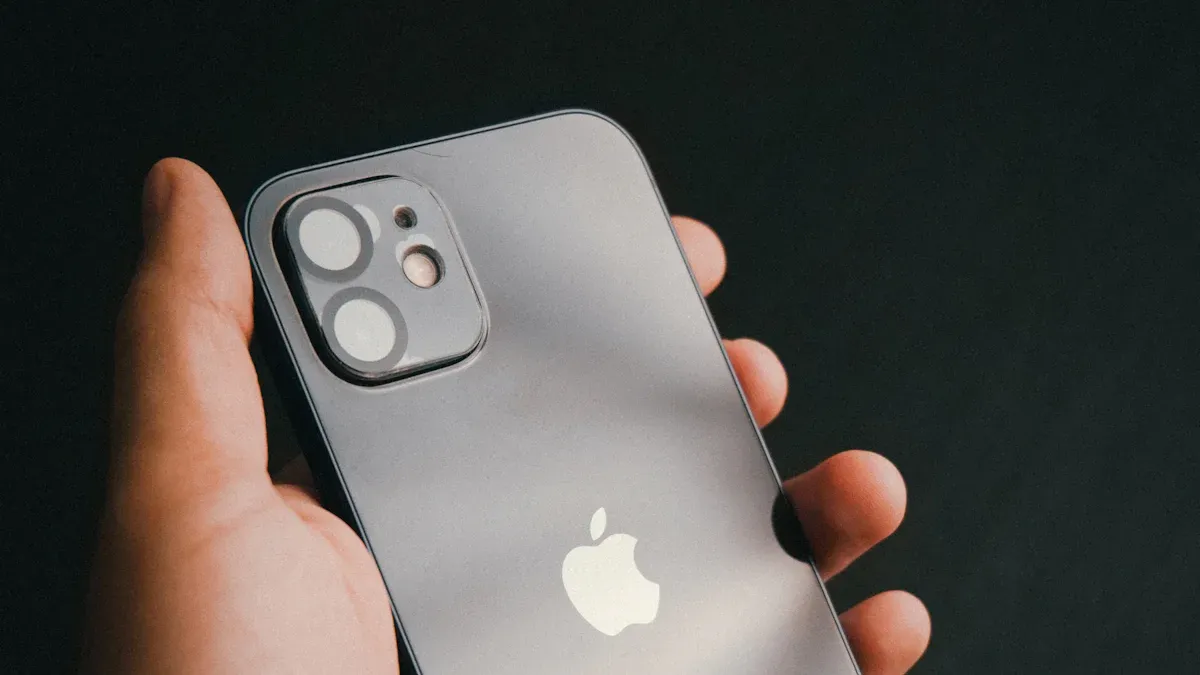
While gloss grabs the eye, matte wins over the hand and the discerning consumer. You can use matte surface finishes to communicate quality and practicality, driving sales in the premium market. This finish offers a different path to customer loyalty.
The Advantage of Tactile Feel
A matte finish provides a superior user experience through touch. The texture is technically "grippier" than a slippery gloss surface. This non-slip quality gives you a more secure hold on your device, reducing the chance of accidental drops. Tests show that matte materials have higher tactile friction, meaning they resist sliding. This creates a reassuring feeling during daily use.
| Finish | Grip Characteristics |
|---|---|
| Matte (Frosted) | High grip, less slippery, feels secure even with sweaty palms |
| Glossy (Shiny) | Low grip, becomes a "greased lightning risk" when oily or wet |
Understated Luxury and Sophistication
Matte finishes align with the design principle of "quiet luxury." They communicate value through simplicity and refinement, not flashiness. This minimalist aesthetic makes a product feel deliberate, timeless, and exclusive. You will see this strategy used by premium brands to target the "pro" market. For example, Apple uses a frosted matte glass on its iPhone Pro models to create a sense of craftsmanship and lasting quality.
Practicality in Daily Use
Matte phones are champions of daily use because they maintain their clean look. Unlike glossy phones that act as "fingerprint magnets," a matte texture is excellent at concealing smudges, oils, and dust. This means you spend less time wiping your phone down.
- Fingerprint Resistance: Matte finishes hide fingerprints and oily marks effectively.
- Scratch Concealment: The non-reflective surface makes minor scuffs and micro-scratches much less visible.
- Lasting Cleanliness: Your phone appears cleaner for longer, maintaining its premium look with minimal effort.
This practicality leads to higher long-term user satisfaction. You deliver a device that not only looks good at purchase but continues to look good through everyday handling.
Comparing Gloss vs. Matte Surface Finishes
Your choice between gloss and matte involves a trade-off. You must balance immediate visual appeal with long-term user experience. A direct comparison helps you see how each finish performs in key areas, from the store shelf to a customer's hand.
Performance in Retail Environments
The retail environment is your product's first battlefield. Here, lighting and presentation are everything. A glossy phone uses bright store lights to its advantage. The high shine reflects light, creating an immediate impression of a modern, high-tech device. This makes colors look saturated and deep, helping your product stand out.
However, this same reflectivity can cause problems. Strong spotlights can create glare, which makes it harder for customers to see the product clearly. Matte finishes solve this issue. A matte phone absorbs light instead of reflecting it. This minimizes glare and makes the phone's design and on-screen content easy to see from any angle.
Pro Tip: The wrong finish can hurt your display strategy. A glossy phone under too many spotlights will create distracting glare. A matte phone in a dimly lit area may look too muted and fail to grab attention. You must match your finish to your retail lighting plan.
Here is how the two finishes stack up under typical store lighting:
| Aspect | Gloss Finish | Matte Finish |
|---|---|---|
| Light Interaction | Reflects light for a bold, eye-catching effect. | Absorbs light, reducing glare for a clear view. |
| Brand Perception | Looks premium and high-tech. | Appears subtle, elegant, and minimalist. |
| Readability | Glare can make details hard to see. | Excellent readability under all lighting. |
The Role of Color and CMF
The finish you choose will fundamentally change how customers perceive a color. Your Color, Material, and Finish (CMF) strategy depends on this relationship. Glossy surface finishes make colors appear brighter and more intense. They are perfect for creating a bold, energetic look.
Matte finishes give colors a softer, more sophisticated appearance. They absorb light, which mutes the hue slightly and gives it a smooth, flat look. This effect is ideal for creating a sense of calm, warmth, or understated luxury.
You can choose a finish to enhance your color palette:
- Glossy: Best for bright, bold hues like vibrant reds, electric blues, and sunny yellows.
- Matte: Best for soothing, warm, or muted hues like cream, beige, forest green, and deep blues.
Top brands build their CMF strategy around these principles. For example, Apple uses a frosted matte glass on its iPhone Pro models. This choice supports a high-end, professional aesthetic. It also gives you a way to express a refined personal style.
Durability and User Satisfaction
A phone's appearance on day one is important, but its look after months of use determines long-term satisfaction. This is where durability comes in. While most premium phones use glass that scratches at a level 6 on the Mohs hardness scale, the finish affects how visible that damage becomes.
A glossy phone is like a perfect mirror. It shows every fingerprint, smudge, and micro-scratch. You must wipe it constantly to keep it looking new. A matte finish, on the other hand, is excellent at hiding these imperfections. Its textured, non-reflective nature makes minor scuffs and daily grime far less noticeable. This practical advantage keeps the phone looking clean and pristine with minimal effort.
| Feature | Electroplated Glossy Finish | Soft-Frosted Matte Texture |
|---|---|---|
| Fingerprint Resistance | Low (shows smudges easily) | High (hides fingerprints well) |
| Scratch Visibility | High (micro-scratches are very visible) | Low (resists and hides minor scratches) |
| Maintenance | Requires frequent cleaning | Easy to keep looking clean |
From a manufacturing standpoint, matte finishes are often less expensive to produce because they may require fewer coating steps. This combination of higher durability and potentially lower cost makes matte an increasingly popular choice for brands focused on delivering lasting value. Ultimately, while gloss may win the initial glance, matte often wins your customer's long-term loyalty.
You see that neither gloss nor matte is a guaranteed sales winner. Glossy phones capture attention in mass markets. Matte drives sales with a premium feel in specific segments. Your most effective strategy is to align the finish with your brand identity and user experience goals.
Consumer preferences are evolving. Market trends show a growing demand for better tactile feedback and durability. This shift will continue to shape how you choose between surface finishes to meet customer expectations for quality and subtlety.
FAQ
Which finish is better for phone cases?
You will find matte cases offer better grip and hide scratches well. They are very practical for daily use. Glossy cases provide a stylish, vibrant look but can be slippery and show wear more easily.
Does the finish affect the phone's price?
The finish does not usually change the final price you pay. Premium brands use both finishes on their flagship devices. Your choice depends on personal preference, not the cost of the phone itself.
How do I clean a matte vs. a glossy phone?
You can use a simple microfiber cloth for both. A glossy phone needs frequent wiping to remove fingerprints. A matte phone hides smudges well, so you will clean it much less often.
So, which finish is truly better? 🤔
Neither finish is better overall. You should choose gloss if you want a vibrant, eye-catching look. You should pick matte if you value a sophisticated feel, better grip, and a clean appearance.