Choosing Surface Finishes for Museums


A matte finish is the superior choice for most museum surface finishes. Its excellent anti-glare properties create a better visitor experience. The matte finish has a sophisticated, matte look.
A glossy finish, however, has specific, strategic uses. It can create high impact and durability. This guide helps teams decide if a matte finish or a glossy surface best suits their project's goals and brand identity.
The Case for a Matte Finish

A matte finish is the default choice for museum applications because it prioritizes the visitor's connection with the content. It absorbs light rather than reflecting it. This quality is essential for creating an accessible and profound viewing experience.
Superior Readability and Glare Reduction
The primary benefit of a matte finish is its ability to reduce glare. Gallery lighting can create specular reflections, which are distracting highlights from the light source itself. A matte surface diffuses this light, scattering it to prevent "hot spots" on a display.
Think of a shiny black billiard ball. It shows a clear reflection of the light above it. A ball with a matte texture, however, hides that reflection. This principle makes a matte finish ideal for any text or artwork, ensuring visitors can read and see details clearly from any angle.
Sophisticated and Professional Aesthetic
A matte surface offers a non-reflective, smooth appearance that communicates professionalism. Design experts describe the psychological impact of a matte texture as calm and understated. It softens the visual experience and invites contemplative viewing. This creates a personal and introspective atmosphere perfect for a scholarly or serious exhibit. The Zaha Hadid MAXXI Museum in Rome, for example, uses a dark matte finish on key elements to build a sophisticated visual appeal. The subtle appeal of matte helps the content, not the surface, remain the focus.
Ideal for Interpretive Panels and Wall Text
For text-heavy interpretive panels and large wall graphics, readability is paramount. A matte finish ensures that text remains legible under various lighting conditions. Museums like MoMA have successfully used large-scale graphics with a matte finish for major exhibitions. These large prints appear seamless and are easy to read. For optimal legibility on these panels, a good rule is to use a 1-inch letter height for every 10 feet of viewing distance. This ensures the information is accessible to all visitors.
Best for Fine Art and Detailed Reproductions
A matte finish is the standard for high-quality fine art prints and detailed artwork reproductions. The texture of matte papers enhances the depth of an image without adding distracting shine. For a professional portfolio or gallery display, matte prints deliver a true-to-life representation of the original artwork.
Archival matte papers are essential for longevity. These high-quality papers are acid-free and lignin-free, meeting standards like ISO 9706 to prevent yellowing and degradation over time. Using archival matte paper ensures that fine art prints maintain their quality for generations, making it the superior choice for any portfolio.
When to Use a Glossy Finish
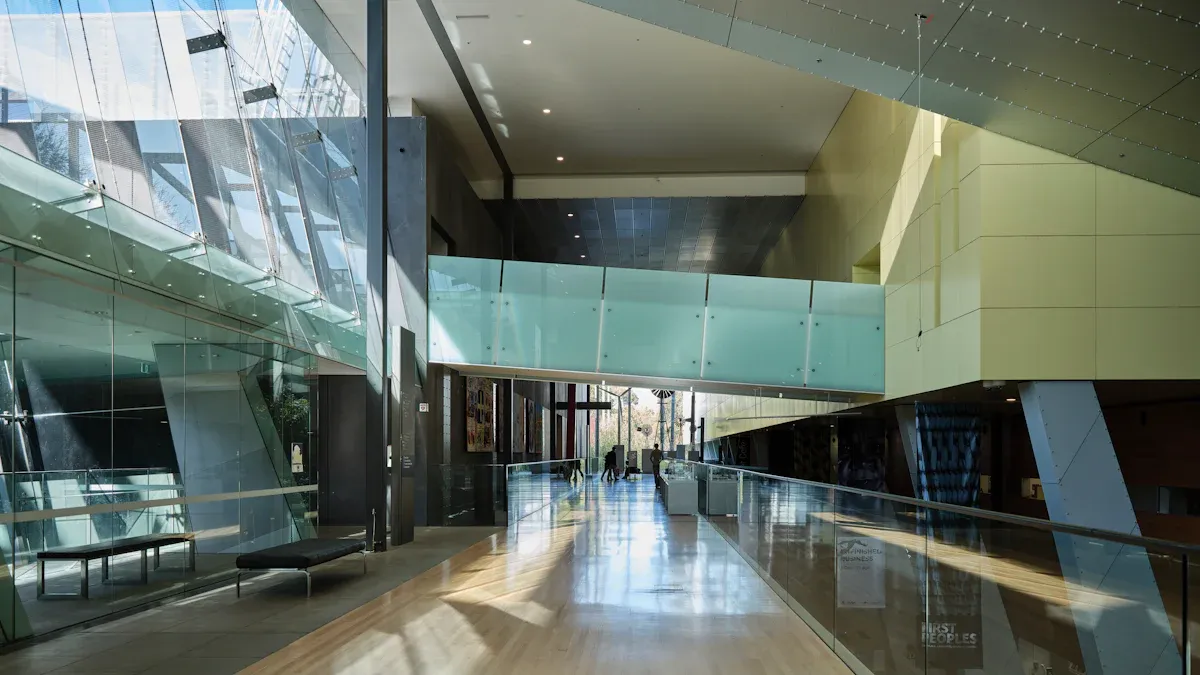
While matte is the standard, a glossy finish serves as a powerful tool for specific goals. A glossy surface reflects light, creating a slick, polished look. This quality makes it ideal for applications where vibrancy, durability, and visual impact are the top priorities.
Achieving Vibrant Color and High Contrast
A glossy finish excels at making colors appear richer and more saturated. The high-shine coating makes images and graphics pop, creating a dynamic visual experience. This effect is perfect for photographic prints or colorful artwork where deep blacks and bright hues need to stand out. The glossy surface increases contrast, making these prints look sharp and vivid. For a portfolio with bold images, glossy prints can deliver stunning results. Many artists choose glossy papers for their prints to achieve this vibrant look.
Durability for High-Traffic Areas
A key advantage of a glossy surface is its durability. The smooth, non-porous coating resists moisture, scuffs, and fingerprints better than matte alternatives. This enhanced durability makes it a practical choice for surfaces that people might touch or brush against.
Tip: Use glossy papers for items like maps, children's activity sheets, or panels in high-traffic hallways. The surface is easy to wipe clean, keeping the display looking fresh.
Applications in Promotional and Donor Materials
A glossy finish has a strong psychological appeal. It communicates a modern, energetic, and confident brand identity. This makes it perfect for promotional materials designed to capture attention.
- Event Invitations: A glossy coating gives invitations a premium feel.
- Donor Recognition Walls: The shine can create elegant and attention-grabbing displays.
- Brochures and Catalogs: The glossy paper makes product photos and colorful graphics more enticing.
The slick appeal of these prints helps marketing materials stand out.
Enhancing Interactive Touch Displays
A glossy finish is the standard for interactive touch screens and digital kiosks. Modern glossy screens use special coatings to improve the user experience. These advanced surfaces offer:
- High Clarity: They allow high light transmission, often over 90%, so the display remains bright and clear.
- Fingerprint Resistance: An oleophobic coating can reduce fingerprint marks by up to 70%, keeping the screen clean.
- Toughness: These glossy screens are built to withstand constant use, passing abrasion resistance tests.
This technology ensures the interactive display is both beautiful and functional.
Matte vs. Gloss: A Direct Comparison
Choosing between matte and glossy surface finishes requires a direct comparison. Each option performs differently under key museum conditions. Teams can make the best choice by analyzing how each finish impacts light, visitor experience, brand, and maintenance.
Impact on Gallery Lighting Conditions
How a surface handles light is very important in a gallery. The lighting in an exhibition space directly affects how visitors see the artwork and information.
A glossy surface acts like a mirror. It creates sharp, bright reflections of light sources. These reflections, or "hot spots," can hide important details on prints or text panels. Visitors may need to move around to find an angle without glare. A glossy display works best with controlled, diffuse lighting that minimizes direct reflections.
A matte surface does the opposite. It scatters light in many directions. This diffusion prevents harsh reflections and creates an even, soft appearance. The matte finish ensures content is visible from almost any angle, under bright spotlights or ambient gallery light.
Pro Tip: Before finalizing a large print run, test small prints of both matte and glossy papers under the actual gallery lights. This simple step can prevent costly mistakes and ensure optimal viewing.
The Visitor Viewing Experience
The surface finish directly shapes how a visitor feels and interacts with a display. The choice creates a specific psychological and visual experience.
- Matte Experience: A matte finish offers a calm, unobtrusive viewing experience. It reduces visual noise and allows the viewer to focus completely on the content. This makes it the superior choice for text-heavy panels and fine art prints where detail and texture are critical. The sophisticated feel of matte encourages quiet contemplation.
- Glossy Experience: A glossy finish creates an energetic and vibrant experience. The high shine makes colors pop and grabs attention quickly. This can be very effective for promotional images or interactive displays. However, the constant reflections can also be distracting for long-form reading or detailed art viewing.
Aligning with Institutional Brand Cues
Surface finishes send powerful messages about a museum's brand identity. A matte finish often communicates a timeless, scholarly, and serious tone. It aligns well with historical societies, fine art museums, and institutions focused on academic content. The understated elegance of matte supports a brand built on authority and authenticity.
A glossy finish projects a modern, dynamic, and sometimes commercial identity. Science centers, children's museums, and galleries showing pop art may use glossy surfaces to create excitement. The slick appearance of glossy prints can feel fresh and high-tech.
Cost is also a practical factor in branding, especially for large exhibitions. The price for different papers and finishes can vary.
| Finish Type | General Cost Implication |
|---|---|
| Glossy | Often has a higher material cost for high-quality photo prints because more coating is used. |
| Matte | Typically a more affordable option for most standard print projects and bulk orders. |
This table shows general trends, but teams should always get quotes for their specific project, as prices for specialty papers can change.
Long-Term Durability and Maintenance
The final comparison point is durability and ease of care over time. This is especially important in high-traffic areas. A glossy finish generally offers superior durability. Its smooth, non-porous surface resists moisture and is easy to wipe clean from fingerprints and dust. This makes it ideal for interactive screens, reusable maps, or panels in busy hallways.
A matte finish can be more delicate. Its microscopic texture can trap oils from fingerprints, which can be difficult to remove. It is also more susceptible to scuffs and scratches if not handled carefully. For this reason, important matte prints are often placed behind protective glass or acrylic.
Maintenance Considerations:
- Glossy: Easy to clean with a soft, damp cloth. Resists smudges well.
- Matte: Requires careful handling. Clean with a dry microfiber cloth. Avoid harsh cleaners that can damage the surface.
Framework for Choosing Surface Finishes
A strategic framework helps teams select the right surface finishes for every project. This four-step process moves beyond simple preference. It encourages a thoughtful evaluation of goals, environment, content, and brand. Following these steps ensures the final choice enhances the visitor experience.
Step 1: Define the Application's Goal
First, the team must define the primary goal of the specific application. Every printed element has a job to do. The finish should support that job, not interfere with it. Is the goal to inform, to dazzle, or to invite interaction?
- For Readability and Contemplation: Choose a matte finish. This is best for interpretive labels, detailed maps, and reproductions of historical documents. The goal is clear communication without distraction.
- For Visual Impact and Excitement: Use a glossy finish. This works well for promotional posters, exhibition title walls, or vibrant photographic prints. The goal is to grab attention and convey energy.
- For Durability and Interaction: A glossy finish is often the practical choice. It is ideal for touch screens, children's activity panels, and reusable gallery guides. The goal is to withstand heavy use and be easy to clean.
Step 2: Assess the Viewing Environment
Next, teams must assess the physical space where visitors will see the display. The lighting in a gallery is a major factor. It can create visual confusion with unexpected shadows or glare. Teams can use professional tools to measure light and make informed decisions.
- Light Meters: These devices take spot readings of light. They measure the brightness falling on a surface in units like lux or footcandles. This helps determine if light levels are too high for a glossy surface.
- Dataloggers: These tools track light exposure over time. They record light intensity and duration, creating a detailed report. This data helps predict how a finish will perform throughout the day.
- Dosimeters: Tools like Blue Wool Cards show the fading effect of light. A team places a card in the exhibit space. It provides real-world evidence of light exposure on sensitive materials.
Using these tools replaces guesswork with data. It helps teams control glare and create a comfortable viewing environment for everyone.
Step 3: Analyze the Content's Nature
The nature of the content itself provides clear direction. Accessibility guidelines strongly recommend finishes that prioritize readability. For any text or detailed image, clarity is the most important quality.
Accessibility standards advise that photographs, illustrations, and other images should have a matte surface. This ensures the images are clear and have good contrast. It prevents glare from hiding important details, especially for visitors viewing from different angles or heights, such as from a wheelchair.
For text panels, teams should ensure the contrast between the text and background is at least 70%. They should also use readable sans-serif fonts like Arial or Helvetica. A matte finish supports these goals by eliminating reflective shine that can wash out text. It makes the information accessible to the widest possible audience. The choice of finish for a piece of artwork or a text panel directly impacts its legibility.
Step 4: Match Your Brand's Identity
Finally, the chosen finish should align with the museum's brand identity. Surface textures send subtle messages. A matte finish often suggests a classic, scholarly, and authoritative brand. It feels timeless and serious. This makes it a perfect fit for fine art museums and historical institutions.
A glossy finish projects a modern, sleek, and energetic identity. Science centers, pop art galleries, and children's museums can use it to create a feeling of excitement. The choice of finish can be part of a larger customized artwork solution that defines an exhibition's entire look and feel. Whether creating a professional portfolio or a large-scale exhibit, the finish contributes to the overall story the institution tells.
A matte finish is the go-to choice for most museum applications. It ensures optimal readability and a refined aesthetic. A glossy finish is a powerful tool for specific goals like vibrancy and durability.
Teams should use the decision framework to evaluate each project. This thoughtful process ensures the right matte finish or other surface is chosen to create the best visitor experience.
FAQ
Can teams mix matte and glossy finishes in one exhibit?
Yes, mixing finishes is an effective design strategy. Teams can use a matte finish for text panels to ensure readability. They might use a glossy finish on a nearby photograph to make its colors pop. This approach creates visual interest while serving different functional goals.
How can museums protect delicate matte prints?
Museums protect matte prints by framing them behind glass or acrylic. This barrier prevents scuffs, fingerprints, and dust from damaging the surface. It preserves the print's quality. It also maintains the non-glare benefit of the matte finish for viewers.
Is a glossy finish more expensive than a matte finish?
Cost depends on the project and paper quality. Standard matte papers are often more affordable for large print runs. High-quality glossy photo papers can cost more. Teams should always request specific quotes from their printer for accurate pricing on any project.
Which finish is better for accessibility?
A matte finish is superior for accessibility. It reduces glare, helping visitors with visual impairments read text and see images clearly. Accessibility guidelines recommend matte surfaces. This ensures content is legible for the widest possible audience from all viewing angles.