Global Rollout Playbook 5 Steps to Ship Fixtures

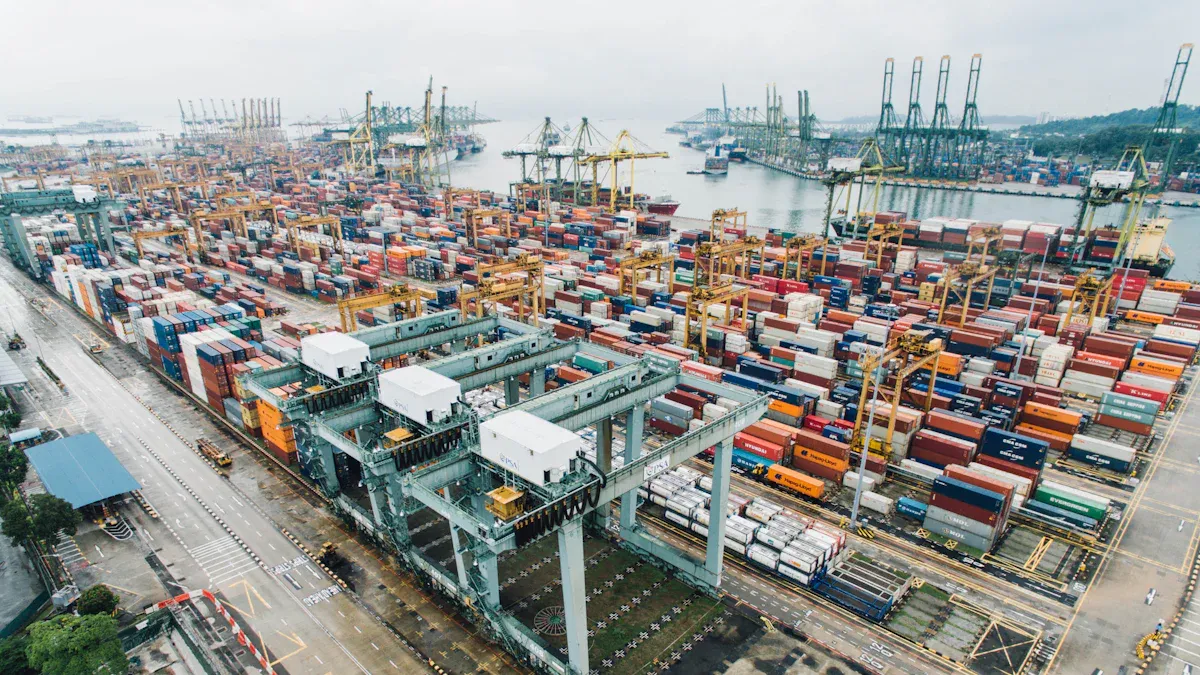
Shipping hotel fixtures internationally is a high-stakes task. One logistical error can lead to major budget overruns and project delays. This article is your actionable guide for successful global shipping.
Note: This guide is your global rollout playbook. It focuses on smart planning and customs compliance to ensure your project succeeds.
Step 1: The Foundation of Your Global Rollout Playbook
Every successful project starts with a solid plan. This first step builds a strong foundation for your global rollout playbook. You must define your project's scope and create a realistic budget. This prevents costly surprises later.
Project Scope and Timelines
First, you need a detailed project timeline. A clear schedule helps everyone work together smoothly. Rushing a project often leads to expensive mistakes. You should plan for potential delays from the start.
Avoid These Common Timeline Pitfalls ⚠️
- Unclear Delivery Needs: Not defining when and where fixtures must arrive can cause major production problems.
- Material Delays: Some materials like steel or specific electronic parts have long lead times. Identify and order them early.
- Shipping Issues: Poor planning for shipping methods and packaging can disrupt your entire schedule.
- Permit Delays: Government permits can be slow. Research the process for each country and apply well in advance.
Landed Cost Budgeting
Your budget must go beyond the fixture's price tag. You need to calculate the total landed cost. This is the final cost to get your product to the destination. A detailed landed cost budget is a non-negotiable part of your global rollout playbook.
To forecast costs accurately, you need the product's value, a clear description, and its HS Code (more on this in Step 2). These details help you estimate the duties and taxes for each shipment.
Your budget should include several key components:
| Cost Category | Examples |
|---|---|
| Product Cost | Price of the fixtures from the manufacturer. |
| Shipping Costs | Inland trucking, ocean/air freight, and handling fees. |
| Customs & Taxes | Import duties, tariffs, VAT/GST, and customs broker fees. |
| Risk & Overhead | Transit insurance, currency exchange fees, and payment processing. |
Step 2: Accurate HS Code Classification
After budgeting for your landed cost, your next critical task is classifying your products. Every item you ship internationally needs a Harmonized System (HS) code. This code is the key to smooth customs clearance. Getting it right prevents costly delays and fines.
Understanding HS Codes
The World Customs Organization (WCO) developed the Harmonized System (HS). It is a universal language for products. Customs agencies in over 200 countries use these codes to identify products and calculate the correct duties and taxes. An incorrect code can lead to serious problems, including shipment delays, fines, or even having your goods returned.
An HS code is a six-digit number that breaks down a product's classification. The structure is globally consistent.
| Digits | Represents |
|---|---|
| First two | Chapter (Product Category) |
| Second two | Heading (Specific Group) |
| Last two | Subheading (Product Detail) |
Heads Up: USPS Mandate 📢 Starting September 1, 2025, the USPS will require a 6-digit HS code for all global shipments. Non-compliance will result in customs rejections and returns. You must prepare for this change now.
How to Classify Fixtures
Classifying hotel fixtures can be complex. A single light fixture might contain metal, glass, and electronic components. You must determine the primary material and function to assign the correct HS code. The WCO updates the HS system every five years, so you need to ensure your codes are current.
You do not have to classify items alone. Several online tools can help you find the right code quickly.
- GlobalPost HS Classification Tool: Use this free tool to look up codes and avoid misclassification.
- Zonos Classify: This AI-powered tool can assign an HS code from a simple product description or image.
Using these resources helps you verify codes, accelerate customs clearance, and ensure your duty and tax calculations are accurate from the start.
Step 3: Compliant Documentation Preparation
With your HS codes ready, you must now prepare your shipping documents. Accurate paperwork is not optional. It is the key to a smooth customs process. Missing or incorrect documents can stop your shipment in its tracks, causing expensive delays and frustrating your clients.
Essential Documents Checklist
You need a core set of documents for every international shipment. Think of these as your shipment's passport. Each one serves a specific purpose for carriers, customs officials, and banks.
- Commercial Invoice: This is the primary document for your shipment. It details the transaction between you and the buyer. Customs uses it to assess duties and taxes. Your commercial invoice must include key information like the sender's details, the recipient's address, the country of origin, the HS code for each item, and the terms of sale.
- Packing List: This document shows the contents of each package. It includes details like weight, dimensions, and item descriptions. It helps customs officials verify the shipment's contents without unpacking everything.
- Bill of Lading (BOL) or Air Waybill (AWB): This is your contract with the shipping carrier. It acts as a receipt for your goods. The type of document depends on your shipping method.
| Feature | Air Waybill (AWB) | Bill of Lading (BOL) |
|---|---|---|
| Transport Mode | Used only for air freight | Used for sea, road, or rail |
| Ownership | Non-negotiable; not a title | Can be a negotiable title document |
| Purpose | Designed for speed in air cargo | Suited for larger, longer transits |
- Certificate of Origin (COO): This document proves where your fixtures were manufactured. It is crucial for taking advantage of free trade agreements.
Unlock Savings with a COO 💰 A Certificate of Origin acts like a passport for your goods. It certifies that your products qualify for reduced or zero import duties under trade agreements. Without it, you cannot access these significant cost savings.
Country-Specific Requirements
Beyond the standard checklist, many countries have unique import rules. You must research the requirements for your specific destination. Failing to comply can result in your shipment being rejected at the border.
For example, if you ship electrical fixtures to Europe, you must meet CE marking standards. The CE mark shows that your product complies with EU safety, health, and environmental regulations.
To apply a CE mark, you must:
- Perform a conformity assessment.
- Create technical documentation and a Declaration of Conformity (DoC).
- Place the CE mark on the product and its packaging.
- Provide safety instructions in the local language.
Always verify the specific import licenses, product standards (like UL for the US), and labeling laws for each destination country. This extra research prevents major headaches during customs clearance.
Step 4: Strategic Partner Selection
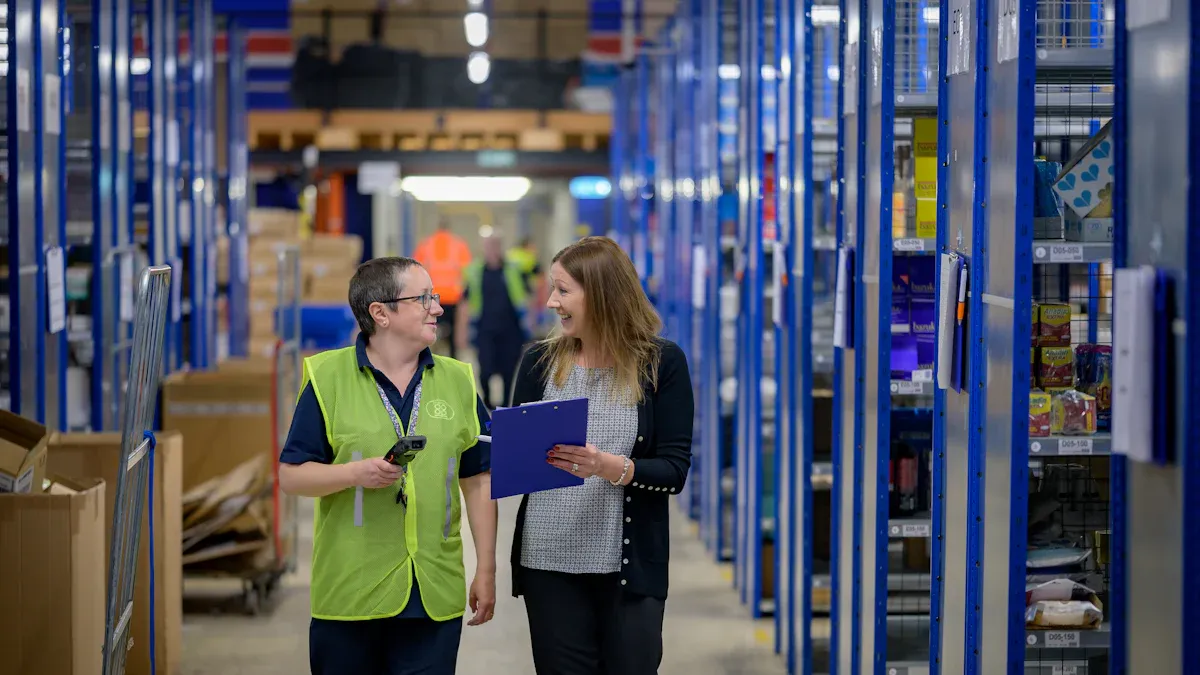
You cannot manage a global rollout alone. Your success depends on the expertise of your logistics partners. Choosing the right freight forwarder and customs broker is a critical step that protects your investment and timeline. These partners are your team on the ground in foreign countries.
Choosing a Freight Forwarder
Think of a freight forwarder as your project's logistics manager. A trustworthy partner handles the stress of shipping so you can focus on other tasks. You need a forwarder with a strong global network of agents. This ensures they can manage your shipment from the factory to the final destination. Look for a company with experience shipping fixtures like yours.
When you interview potential forwarders, ask them direct questions:
- How extensive is your agent network in my destination countries?
- Can you help with customs clearance?
- How can I track my cargo in real-time?
- Do you have experience handling products similar to mine?
Their answers will reveal their capabilities and if they are the right fit for your project.
Vetting Customs Brokers
While some forwarders offer brokerage services, you may also hire a dedicated customs broker. This expert focuses only on customs compliance. Their job is to ensure your shipment meets all import regulations to avoid fines and delays. A reliable broker stays current on changing trade laws.
When vetting a broker, verify their credentials. Professional certifications show a commitment to expertise.
Key Certifications to Look For 🎓
- Certified Customs Specialist (CCS): This person is an expert in current U.S. import regulations.
- Certified Export Specialist (CES): This shows they are knowledgeable in export rules.
Beyond certifications, check their track record. Ask for client references to learn about their performance. You should also ask how they handle customs audits and what technology they use. Clear communication and transparent fees are signs of a dependable partner.
Step 5: Execution and Final Delivery

Your planning is complete. Now you must execute the shipment. This final step is where your preparation pays off. You will coordinate the shipment, track its progress, and manage the final delivery to the hotel site.
Shipment Coordination and Tracking
Active management is crucial once your fixtures are in transit. You need to stay informed about your shipment's location at all times. Real-Time Transportation Visibility Platforms (RTTVPs) are digital systems that give you live tracking. These platforms show you exactly where your goods are and predict their arrival time.
Why Use Real-Time Tracking? 🚚
- Save Money: Accurate tracking helps reduce transportation costs and minimize expensive delays.
- Improve Satisfaction: You can give your clients precise arrival updates, which builds trust.
- Manage Risks: You get instant alerts about any issues, allowing you to solve problems quickly.
Effective communication keeps your project on track. Use a single platform to talk with your suppliers and freight forwarders. This ensures everyone gets the same information and reduces misunderstandings. Centralized document sharing also keeps important files like invoices and manifests organized.
Customs Clearance and Last-Mile Logistics
Customs clearance can be a major bottleneck if you are not prepared. Your shipment can be held for many reasons. You must work with your customs broker to avoid common pitfalls.
| Common Customs Delays | How to Avoid Them |
|---|---|
| Poor Product Descriptions | Provide specific details, not generic terms. |
| Incorrect Paperwork | Double-check all documents for accuracy. |
| Unpaid Fees | Ensure all duties and taxes are paid on time. |
The final step is last-mile logistics. This is the delivery from the port or warehouse to the hotel. This stage has its own challenges, like traffic in busy cities or limited access to remote locations. You can overcome these issues with smart planning. Use route optimization software to find the fastest way through traffic. For remote sites, consider setting up a regional hub to make the final delivery easier.
Your global rollout playbook covers five key areas: planning, classification, documents, partners, and execution. Following this structured global rollout playbook helps you avoid risks. You can deliver your project on time and within budget. This approach ensures your international fixture shipment is a success.
Ready to build your global rollout playbook? Contact our team for a project consultation. 📞
FAQ
### What is the most common mistake in global shipping?
The most common mistake is poor planning. You might create incorrect documents or a bad budget. These errors cause major delays and cost overruns. Always start with a solid plan to avoid these issues.
### How often do I need to check HS codes?
The World Customs Organization (WCO) updates HS codes every five years. You should verify your codes for each shipment. This practice ensures compliance and helps you avoid customs problems.
### Can I use one freight forwarder for all countries?
Yes, if your forwarder has a strong global network. You must still confirm their expertise in each destination country. This step ensures they can manage your specific needs effectively.
Pro Tip 💡 Ask potential forwarders for case studies or references related to your target countries.
### What happens if my documents are wrong?
Incorrect documents cause serious problems. Customs officials may hold your shipment. You could face expensive fines or penalties. They might even return your goods to the origin, creating a major project setback.