Your Global Rollout Playbook for Collectibles


Cross-border sales make up 38% of the collectibles market. This global rollout playbook simplifies your expansion into three core steps. You can confidently reach international customers by following this plan.
Correctly classify your products with HS codes.
Prepare all necessary shipping and customs documents.
Choose a reliable shipping carrier and strategy.
Note: Mastering these fundamentals positions you for success. You can capitalize on a market projected to grow at a 6.6% compound annual growth rate.
Step 1: Master Collectible HS Codes
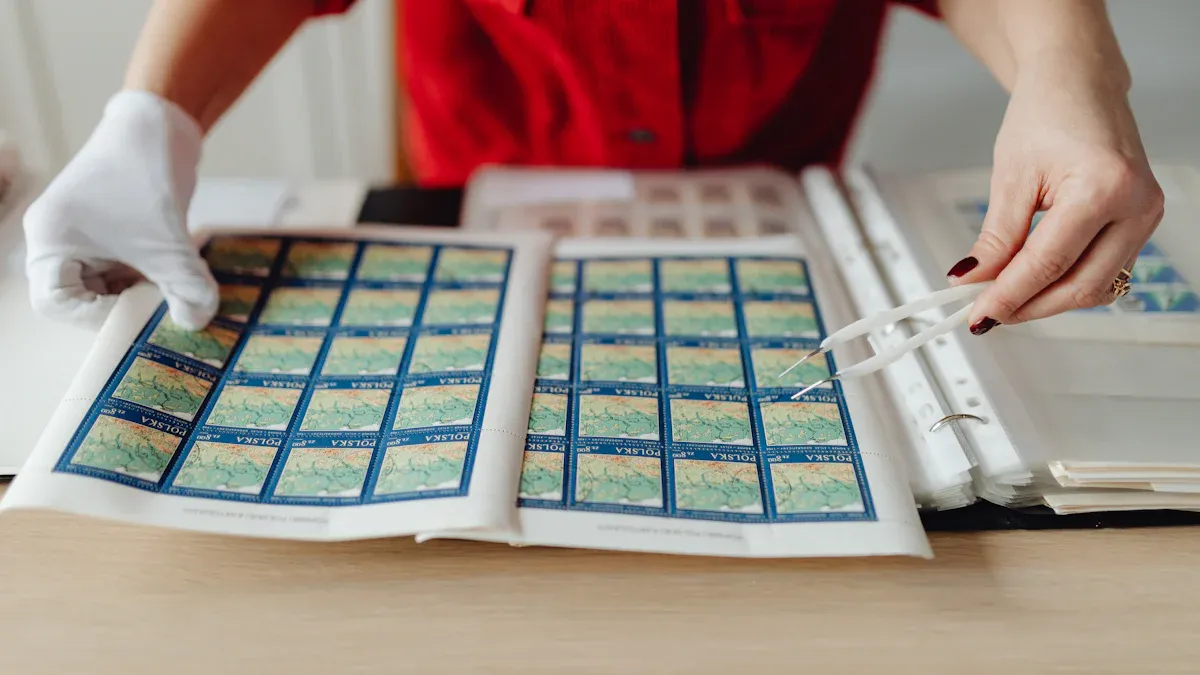
Your first step into global shipping is mastering the Harmonized System (HS) code. This single number is the universal language of international trade. Getting it right prevents costly delays and builds a foundation for smooth customs clearance.
Understanding HS Codes
The Harmonized System (HS) code is a globally standardized number assigned to every traded product. Customs authorities in over 200 countries use these codes to identify goods, calculate duties, and apply import controls. An accurate HS code is essential for compliance.
Key Functions of the HS System 🗺️ Beyond calculating tariffs, HS codes are used to:
Collect international trade statistics.
Monitor and control imported goods.
Determine rules of origin for products.
Support trade negotiations and agreements.
This framework ensures your products are processed correctly and that you pay the right amount in duties and taxes.
Common HS Codes for Collectibles
Finding the right code starts with knowing your product's primary material and function. Below are common HS codes for popular collectibles.
Collectible Item | Example HS Code | Notes |
|---|---|---|
Trading Cards |
| This chapter covers games and sporting goods. |
Sneakers 👟 |
| The code depends on the primary material. Use |
Plastic/Vinyl Figures |
| This code covers dolls, toys, and scale models. It is ideal for most action figures and art toys. |
Comic Books |
| This category is for printed books and brochures. |
How to Find and Verify Your HS Code
You can begin your search using official government resources. The U.S. Census Bureau, for example, offers a Schedule B Search Engine to find the first six digits of your code.
However, misclassification carries significant risks.
⚠️ Warning: The Cost of an Incorrect Code Using the wrong HS code can lead to serious consequences, including:
Cargo Holds: Your shipment may be detained for inspection, causing delays.
Financial Penalties: Customs can issue fines or even confiscate your goods.
Reassessment of Duties: You may be forced to pay additional taxes or refund overpaid rebates.
One company was fined and forced to repay an export tax refund after using a code with a 13% refund instead of the correct one with a 10% refund. To avoid these issues, always validate your HS code with a licensed customs broker.
Step 2: Prepare Essential Shipping Documents
You have your HS code. Now you must prepare your shipping documents. Accurate paperwork is the passport for your collectibles. It ensures a smooth journey through customs and prevents costly delays.
The Non-Negotiable Paperwork
Every international shipment requires a core set of documents. You will work with your shipping carrier to complete most of them. Your primary focus should be on providing perfect information.
Key documents for your shipments include:
Commercial Invoice: The most critical document. It details the transaction between you and the buyer.
Air Waybill (AWB): The contract between you and the air carrier. It contains shipping details and tracks the package.
Packing List: An itemized list of your shipment's contents. It helps customs verify the goods.
Shipper's Letter of Instruction (SLI): A form you give to your freight forwarder. It contains all information needed to move your goods.
Creating a Flawless Commercial Invoice
Your commercial invoice must be perfect. Customs officials use it to assess duties and taxes. Any error can cause major problems. The invoice must clearly state the buyer and seller, a detailed description of each collectible, its quantity, country of origin, and HS code.
You must also declare the correct value. The customs value is the price the buyer paid. Declaring a lower value to save on duties can lead to fines and seizure.
Avoid These Common Invoice Errors ⚠️
Vague Descriptions: Use "Plastic action figure" instead of a part number.
Incorrect Value: The declared value must match the transaction price.
Missing Information: Always include the buyer's tax ID if required (e.g., for Brazil or China).
Inconsistent Details: Ensure the information matches across all your documents.
Country-Specific Document Needs
Different countries have unique import rules. You must research the requirements for each destination. Some countries may require a Certificate of Origin (CO). This document proves where your collectible was made. You need a CO to benefit from trade agreements that offer lower tariffs.
For example, Australia uses specific codes like 9503 for plastic toys and 3926 for resin statues to calculate duties. If you ship an antique collectible over 100 years old, you may need an Antique Declaration Form to qualify for duty-free entry under code 9706. Always verify these specific needs before you ship.
Step 3: Finalize Your Global Rollout Playbook

You have your codes and documents ready. The final step in your global rollout playbook is to choose your shipping partners and strategy. This ensures your collectibles arrive safely and your customers have a great experience.
Comparing Major Carriers
Selecting the right carrier is critical. You need a partner who offers reliable tracking, robust insurance, and expert customs brokerage. DHL, FedEx, and UPS are leading options for international shipping.
Feature | DHL | FedEx | UPS |
|---|---|---|---|
Best For | Global reach, luxury goods | High-value domestic items | Specialized insurance needs |
Insurance | Declared Value Advantage | UPS Capital solutions | |
Customs | Strong brokerage services | Integrated customs support | Comprehensive brokerage |
Speed | 1-3 business days (Express) | ~3 business days (Priority) | 1-3 business days (Saver) |
A Note on Insurance 🛡️ Declaring a value is not a guarantee. Carriers may require extensive proof, like an appraisal, to process a claim for a high-value collectible. Always check the fine print, as some policies have low limits for collectibles.
Packaging for Protection and Customs
Your packaging serves two functions: protecting the item and managing costs. Fragile collectibles require careful handling.
Wrap each item individually in acid-free paper, then bubble wrap.
Use a sturdy box and fill all empty space with packing paper to prevent movement.
Label the box clearly with a "FRAGILE" sticker.
Packaging also affects your shipping price. Carriers use dimensional (DIM) weight, which calculates cost based on a package's size, not just its weight. A large, light box can be expensive. Using right-sized boxes is crucial to avoid extra fees.
DDP vs. DDU and Import Fees
You must decide how your customer will pay import fees. You have two main options: Delivered Duty Unpaid (DDU) and Delivered Duty Paid (DDP).
Aspect | DDU (Delivered Duty Unpaid) | DDP (Delivered Duty Paid) |
|---|---|---|
The buyer pays upon arrival. | You (the seller) pay upfront. | |
Negative. Unexpected fees and delays. | Positive. A seamless, all-in-one price. |
For a superior customer experience, DDP is the recommended choice. It prevents your buyer from facing surprise charges and customs delays. While DDU may seem cheaper initially, it often leads to frustrated customers who will not buy from you again. Handling these fees yourself is a powerful part of a successful global rollout playbook.
Your Global Launch Checklist is the final piece of your global rollout playbook. Following these steps helps you avoid common pitfalls like customs delays and surprise fees for your customers.
Your Global Launch Checklist 🚀
Verify HS Codes: Confirm the correct HS code for every collectible you sell.
Perfect Your Paperwork: Complete all documents, paying special attention to the commercial invoice.
Finalize Your Strategy: Choose the right carrier and use a DDP shipping model for the best customer experience.
This global rollout playbook empowers you to ship with confidence and turn international buyers into loyal fans.
FAQ
What happens if I use the wrong HS code?
You risk serious issues with customs. Using an incorrect HS code can lead to:
Shipment delays or holds.
Financial penalties and fines.
Your goods being seized.
Always verify your codes with a customs expert to ensure compliance and avoid these problems.
What is the most important shipping document?
The commercial invoice is the most critical document for international shipping. Customs officials use it to verify the shipment's contents and value. This information determines the duties and taxes your customer must pay. An accurate invoice prevents costly delays.
Why should I choose DDP over DDU?
You should choose Delivered Duty Paid (DDP) for a better customer experience. DDP means you handle all customs fees upfront. Your buyer receives their package without facing surprise costs or delays. This simple, transparent process helps build customer loyalty.
Do I have to declare the full value of my collectible?
Yes, you must declare the full transaction value on your commercial invoice. Declaring a lower value to avoid duties is illegal. This can result in fines, seizure of your collectible, and a ban on future shipments to that country.