Future-Proof Your Floor's Scratch Resistance

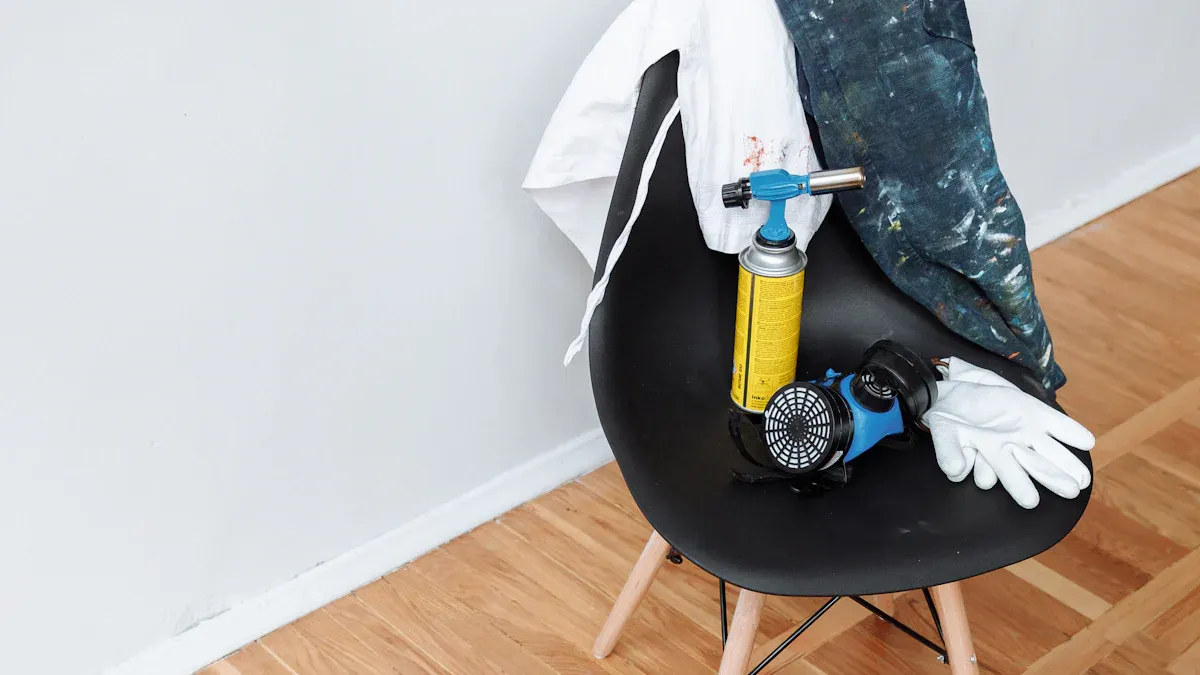
You see the daily damage to your floors. Shopping carts, foot traffic, and moving stock leave ugly scratches. An effective strategy combines two key elements. You must select the right flooring material and implement a consistent maintenance plan. This dual approach boosts your floor's scratch resistance.
Note: View this strategy as a critical investment. It protects your store's long-term appearance, ensures safety, and improves how customers see your business.
Comparing Top Flooring for Scratch Resistance

Choosing the right material is your first line of defense against daily wear and tear. You need a floor that matches your store's traffic, operations, and aesthetic goals. Below, you can compare four top flooring options to find the best fit for your retail space.
Polished Concrete
Polished concrete is an extremely durable and resilient flooring choice. This hardened surface scores between a 6 and 7 on the Mohs hardness scale, making it very difficult to damage. Its robust nature handles heavy equipment like pallet jacks and shopping carts with ease.
- Ideal Retail Environment: 🏙️ Supermarkets, big-box stores, and high-traffic public venues.
- Key Maintenance Tip: Your maintenance strategy must go beyond simple cleaning. You should treat the surface with a penetrating densifier. Products like Consolideck LS, a lithium-silicate hardener, chemically strengthen the concrete from within. This process boosts abrasion resistance and reduces dusting over time.
Luxury Vinyl Tile (LVT)
Luxury Vinyl Tile offers you an excellent balance of design versatility and durability. The floor's ability to handle foot traffic depends directly on its protective wear layer. A thicker wear layer provides greater protection against scuffs and surface wear. For most commercial spaces, you should look for a wear layer of at least 20 mil.
| Wear Layer Thickness | Typical Use |
|---|---|
| 20 mil (0.5 mm) | Standard commercial, healthcare, education |
| 28–40 mil (0.7–1.0 mm) | Heavy commercial |
- Ideal Retail Environment: 🛍️ Specialty boutiques, convenience stores, and cafes where you want the look of wood or stone without the high maintenance.
- Key Maintenance Tip: Protect the wear layer at all costs. You can do this by placing felt pads on the legs of all movable displays, chairs, and tables to prevent deep gouges and scratches.
Epoxy and Urethane Coatings
Resinous flooring systems give you a seamless, tough, and chemical-resistant surface. While a standard epoxy base is strong, it can be prone to scratching under heavy use. The true scratch resistance comes from the topcoat.
Note: For superior durability, you must apply a high-performance urethane or polyaspartic topcoat. These topcoats, like those offered by providers such as Sherwin-Williams, often contain additives like aluminum oxide that create an exceptionally hard-wearing surface.
- Ideal Retail Environment: 🔧 Automotive service bays, stockrooms, and grocery store delis or bakeries where spills and heavy rolling carts are common.
- Key Maintenance Tip: Clean up all spills immediately. Certain chemicals and even acidic liquids can soften the coating if left to sit, making the floor more vulnerable to damage.
Laminate Flooring
Laminate flooring provides a cost-effective option with good durability when you select the right grade. You can measure its durability using the Abrasion Class (AC) rating. For commercial settings, you should choose a laminate with a high AC rating.
| AC Rating | Description |
|---|---|
| AC3 | Heavy residential use and moderate commercial use |
| AC4 | General commercial use (offices, cafes, retail stores) |
| AC5 | Heavy commercial use (department stores, public buildings) |
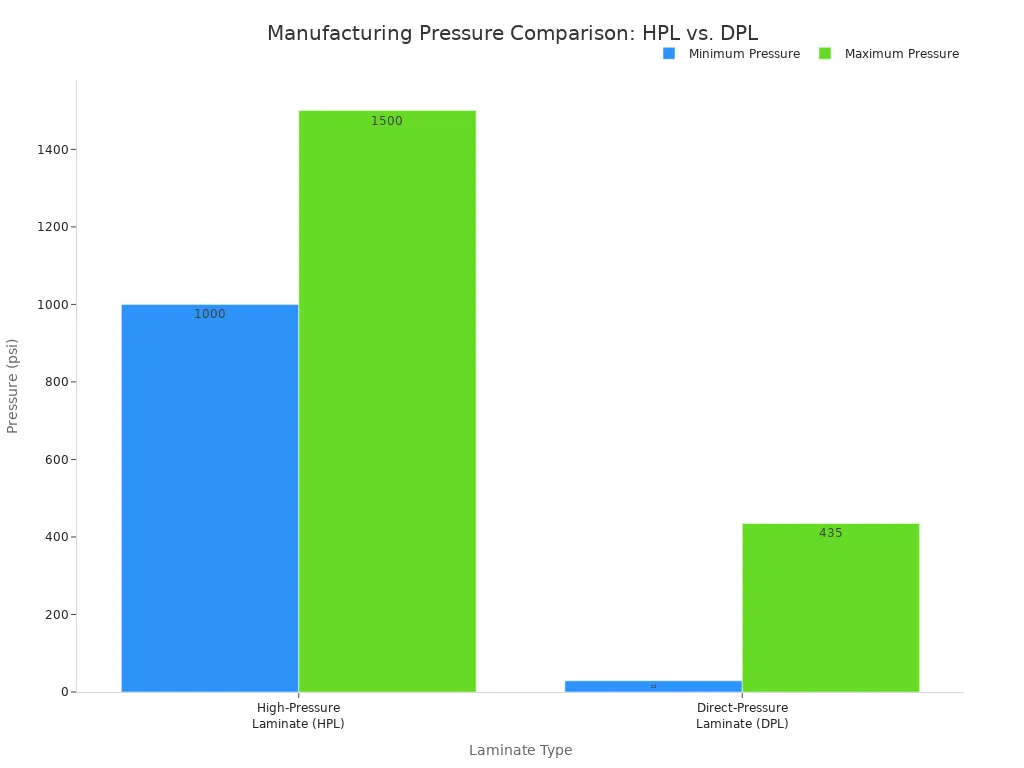
For the best performance, you should also choose High-Pressure Laminate (HPL) over Direct-Pressure Laminate (DPL). HPL is manufactured under immense pressure, creating a denser and more impact-resistant floor.
- Ideal Retail Environment: 👔 Small offices, boutiques, or other low-to-moderate traffic areas where budget is a primary concern.
- Key Maintenance Tip: Use dry cleaning methods whenever possible. You should sweep or vacuum regularly and avoid wet mopping, as excess moisture can seep into the seams and damage the fiberboard core.
Proactive Maintenance to Prevent Scratches
Choosing the right flooring is only half the battle. Your daily, weekly, and emergency response actions are what truly preserve your floor's finish and appearance. A proactive maintenance plan stops damage before it starts.
Daily Protective Measures
Your daily habits have the biggest impact on your floor's longevity. You can prevent most scratches by focusing on three key areas: entrances, rolling equipment, and stationary furniture.
1. Stop Dirt at the Door 🚪 Grit, gravel, and dirt act like sandpaper underfoot. You must trap these abrasive particles at your entrances. High-performance commercial mats are your best defense.
- Scraper Mats: Look for rubber mats with finger-like protrusions. These dig into shoe soles to remove heavy debris.
- Wiper Mats: Place mats like the WaterHog Elite inside. Their bi-level design scrapes away fine particles and moisture, trapping them below foot level.
- Natural Fiber Mats: A "Shiraz" coir mat uses tough bristles to trap and hold outdoor debris effectively.
2. Inspect Your Wheels 🛒 Shopping carts and rolling displays are primary sources of deep scratches. You should regularly check wheels for embedded debris like staples or small rocks. Better yet, upgrade your casters to floor-friendly options.
Pro Tip: Replace standard metal or hard plastic wheels with softer alternatives. Options like Xtra-Soft Wheel Casters or Softech Casters provide excellent floor protection without leaving marks.
3. Protect Against Furniture Damage 🪑 Tables, chairs, and movable displays can easily gouge your floor. You can prevent this by attaching protective pads to all furniture legs.
- For Smooth Floors (LVT, Polished Concrete): Use felt pads. Self-adhesive pads work for light items, but you should use nail-on or slip-on glides for heavy, high-use furniture. Products like 'Flexible Round Caps with Felt' stretch to fit odd shapes.
- For Uneven Floors (Tile with Grout): Choose nylon base glides. They slide easily over grout lines where felt might snag and tear.
Finally, you must sweep or dust mop high-traffic areas multiple times a day. This simple action removes the abrasive grit that causes fine scratches and dulls your floor's finish.
Weekly and Periodic Deep Cleaning
While daily sweeping is essential, you also need a schedule for deeper cleaning. This removes embedded grime and restores your floor's protective layer.
Your Cleaning Schedule A multi-layered cleaning frequency keeps your floors in top condition.
| Frequency | Task | Target Areas |
|---|---|---|
| Weekly | Machine Scrubbing | High-traffic zones like main aisles and checkout lines. |
| Monthly | Polishing or Burnishing | Areas where you want to restore shine and gloss. |
| Quarterly | Top-Scrub and Recoat | Main walkways and entrances to rebuild the protective finish. |
Using an Auto-Scrubber Correctly An auto-scrubber is a powerful tool, but improper use can damage your floor. Follow these steps for safe and effective operation:
- Prep the Area: Always sweep or vacuum the floor first. This prevents the machine's brushes from grinding leftover debris into the surface.
- Choose the Right Pad: Use a soft, non-abrasive pad for general cleaning on LVT or coated floors. A pad that is too aggressive can strip the finish.
- Use the Right Solution: Fill the tank with a pH-neutral cleaner formulated for commercial floors, such as Zep Neutral Floor Cleaner or Prosoco DailyKlean. Harsh chemicals can degrade your floor's sealer.
- Manage Foam: If you see excess foam, add a de-foaming agent to the recovery tank. Too much foam can damage the vacuum motor.
Immediate Scratch and Scuff Repair
Accidents happen. When they do, a quick response can prevent a minor mark from becoming a permanent eyesore. Your repair method will depend on the floor type and the severity of the damage.
Removing Scuffs from LVT You can often remove black scuff marks without harsh chemicals.
- Method 1: The Eraser Trick: Try rubbing the mark gently with a clean pencil eraser.
- Method 2: Oil Application: Apply a small amount of WD-40 or jojoba oil to a soft microfiber cloth and rub the scuff. The mark should lift away.
- Method 3: Dish Soap Solution: For tougher marks, mix a few drops of dish soap with warm water. Use a soft cloth to scrub the area, then wipe it clean with a damp cloth.
Caution: Never use an abrasive sponge or steel wool on LVT. This will permanently damage the wear layer and ruin the floor's scratch resistance.
Repairing Scratches on Polished Concrete For minor surface scratches, you can often buff them out.
- Clean the Area: Wipe the scratch with a clean, dry cloth to remove any loose debris.
- Buff the Surface: Apply a small amount of a concrete polishing compound to a buffing pad.
- Restore the Shine: Work the compound into the floor in a circular motion until the scratch fades and the shine returns.
For deeper scratches that have penetrated the sealer, you may need to clean the area with a solvent and reapply a matching sealer. It is best to test this in an inconspicuous spot first.
Creating Your Custom Maintenance Schedule
A proactive plan requires a clear schedule. You can create a custom maintenance program to ensure your team performs every task consistently. This turns your maintenance strategy into a daily routine.
Building a Custom Checklist
A checklist is your most powerful tool for consistency. It removes guesswork and ensures no task is forgotten. You can use the template below as a starting point and adapt it to your store's specific needs.
Sample Floor Maintenance Checklist
Daily Tasks:
- Sweep or dust mop main aisles and entrances multiple times.
- Wipe up all spills immediately.
- Inspect shopping cart wheels for embedded debris like rocks or staples.
- Sanitize high-touch surfaces and check entry mats for position and cleanliness.
Weekly Tasks:
- Mop all hard floors with a pH-neutral disinfectant.
- Deep clean restrooms, focusing on tile and grout.
- Dust all accessible ledges, vents, and baseboards.
Monthly Tasks:
- Perform a deep scrub or burnish in high-traffic zones.
- Dust high surfaces like light fixtures and the tops of shelves.
- Conduct a safety inspection of all cleaning equipment.
High-Impact Zone Focus
Certain areas of your store endure more stress than others. You must give these high-impact zones extra attention. These zones typically include:
- Store entrances and exits
- Checkout lanes
- Service counters
- Main promotional aisles
You can use foot traffic analytics or heatmap data to precisely identify your store's busiest pathways. This data helps you focus your most intensive cleaning efforts where they matter most, preserving the floor's finish and scratch resistance.
Assigning Team Roles
A checklist only works when people are assigned to complete it. You can create accountability by clearly defining responsibilities.
- List All Tasks: Use your custom checklist to list every daily, weekly, and monthly job.
- Assign Names: Put a team member's name next to each task.
- Set Deadlines: Note when each task must be completed (e.g., "End of Day," "By Friday Close").
When everyone knows their role, your maintenance plan runs smoothly. This teamwork is essential for protecting your flooring investment and keeping it in top condition.
You create a durable, professional-looking floor with two key actions. You must choose the right material and follow a disciplined maintenance schedule. This strategy protects your investment for years.
Remember these key points:
- Select a durable material like vinyl or laminate, which are proven to resist wear in high-traffic areas.
- Follow a multi-tiered plan for daily, weekly, and immediate repair tasks.
Implement your tailored maintenance plan today. You will protect your flooring investment and maintain a safe, clean environment for your customers. A well-kept floor reduces slip-and-fall risks and protects your business from liability.
FAQ
Which floor is the most scratch-resistant?
Polished concrete offers the highest level of scratch resistance. Its hardened surface scores a 6 to 7 on the Mohs hardness scale. This makes it extremely durable against heavy carts and equipment, which is ideal for high-traffic retail environments like supermarkets.
Can I use any cleaner on my commercial floor?
No, you should avoid harsh cleaners. Always use a pH-neutral cleaning solution formulated for your specific floor type. Cleaners with the wrong pH can strip away the protective finish. This makes your floor more vulnerable to scratches and damage over time.
How often should I check shopping cart wheels?
You must inspect shopping cart wheels daily. Small rocks, staples, or other debris can get stuck in the wheels. This embedded grit will cause deep scratches as the cart moves through your store. A quick daily check prevents significant damage to your floors.
Is a thicker LVT wear layer really better?
Yes, a thicker wear layer provides greater protection for your floor. For commercial spaces, you should choose LVT with a wear layer of at least 20 mil. Heavy-traffic areas benefit from even thicker layers, which better resist scuffs and surface wear.