Exhibition Quality and Perceived Luxury

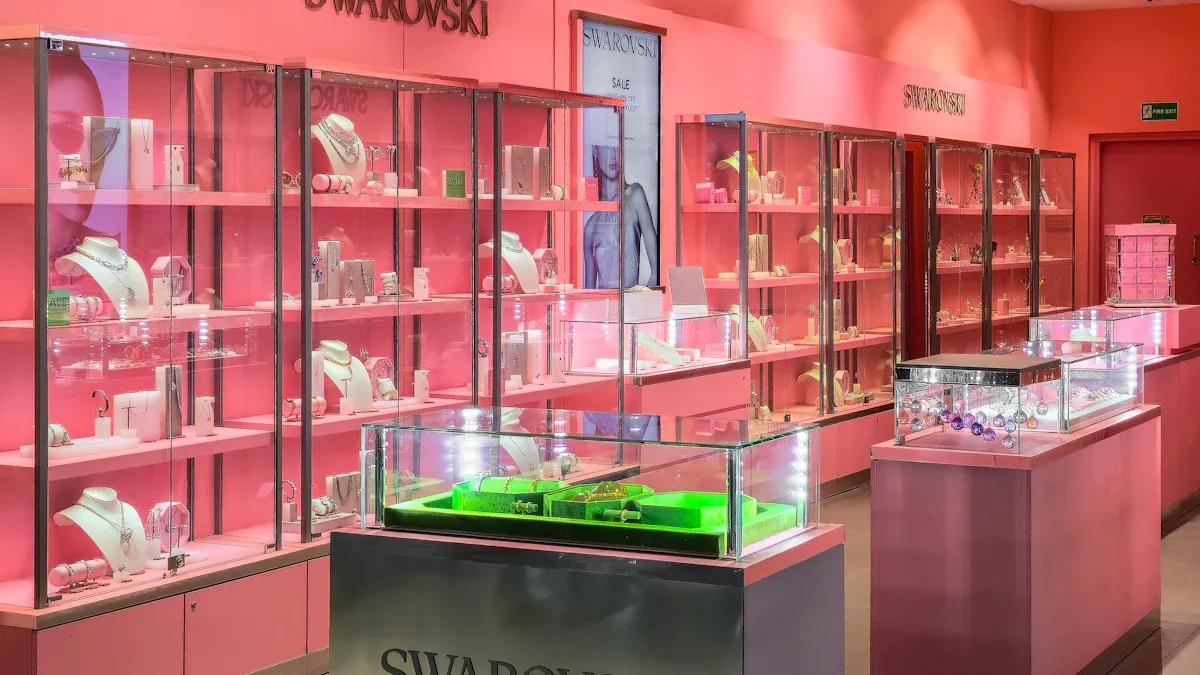
Low tolerance fabrication and superior edge-polish quality are non-negotiable elements. They create flawless physical experiences. These details subconsciously signal meticulousness, investment, and high value.
This attention to detail directly elevates the perceived luxury of an event. Premium agencies eliminate the subtle imperfections that cheapen a high-end aesthetic. Their mastery of these fine points is the primary differentiator that defines true luxury and exceptional quality.
Tolerance: The Foundation of Flawless Builds
Precision in fabrication is the invisible architecture behind every premium event. It all begins with understanding a core engineering principle: tolerance.
Defining Fabrication Tolerance
Fabrication tolerance is the permissible limit of variation in a physical dimension. Think of it as a "margin of error" for a component's size or shape. A low tolerance means this margin is tiny, demanding high precision. A high tolerance allows for more variation.
This single metric dictates the final quality of a build.
- Low Tolerance (High Precision): Results in perfectly aligned panels, seamless joints, and crisp lines. Components fit together exactly as intended. The final structure looks and feels solid and intentional.
- High Tolerance (Low Precision): Leads to visible gaps, uneven surfaces, and misaligned edges. The build can look cheap and hastily assembled.
From Low Tolerance to Perceived Luxury
The human brain is hardwired to notice imperfections. Our perception of objects is holistic; we see an item as a complete, integrated structure. Gaps and misalignments disrupt this visual harmony. They signal that something is wrong, cheapening the entire experience. This is why low tolerance is fundamental to creating a sense of luxury.
A perfectly joined wall or a seamless display case does more than just look good. It communicates a commitment to excellence. This flawless execution eliminates subconscious distractions, allowing the brand's message to shine.
Leading brands understand this power. The immersive environments in spaces like the Johnnie Walker House or Tiffany's flagship store rely on meticulous construction. Every surface and joint is flawlessly executed. This precision engineering creates a physical world that feels curated and valuable. It transforms a simple space into an experience, directly elevating the perceived luxury of the brand itself. An agency's ability to deliver this level of precision is what separates standard work from truly exceptional results.
Edge-Polish: The Signature of Premium Quality

If fabrication tolerance is the foundation, then edge-polish is the signature. Edges are the points where an audience visually and physically interacts with a structure. A flawlessly finished edge communicates craftsmanship and attention to detail. A rough or unfinished edge instantly signals a lack of quality.
Types of Edge Finishing
Different materials demand specific finishing techniques to achieve a premium look and feel. For a common material like acrylic, the difference between a basic cut and a high-end polish is stark.
| Edge Type | Visual Characteristics | Tactile Characteristics |
|---|---|---|
| Saw-Cut | Imperfections, unclear | Rough, uneven |
| Flame-Polished | Smooth, glossy finish, restored clarity | Smooth |
| Diamond-Polished | Superior finish, exceptional clarity and gloss | Exceptionally smooth |
This principle extends to other materials used in high-end builds. Premium furniture and architectural elements often feature specific edge profiles that enhance their design and safety. Common techniques include:
- Flat Polished Edges: Machines create this edge by grinding sharp corners to a smooth, flat finish. It is a popular choice for modern glass furniture.
- Pencil Polished Edges: This method uses a special wheel to create a smooth, rounded, convex edge, which is very safe for high-traffic areas.
- Beveled Polished Edges: This sophisticated process grinds the edge and part of the surface at an angle, creating an elegant, decorative look.
The Psychology of a Perfect Edge
The human brain processes surface quality as a key indicator of an object's value. Research confirms that people consistently give the highest aesthetic ratings to objects with neat, glossy surfaces. Imperfections and roughness receive the lowest ratings. A perfect edge does more than just look good; it taps into this deep-seated psychological preference.
Cognitive science shows that surface properties like gloss and texture influence our attention and evaluation. A smooth, polished edge is not merely decorative. It provides functional information, signaling that an object is well-made, safe to touch, and valuable.
This flawless finish eliminates visual defects that the brain interprets as cheap or untrustworthy. It builds subconscious confidence in the structure and, by extension, the brand. This meticulous detail is a critical component in crafting an environment that feels like a true luxury experience.
The Synergy of Precision and Polish
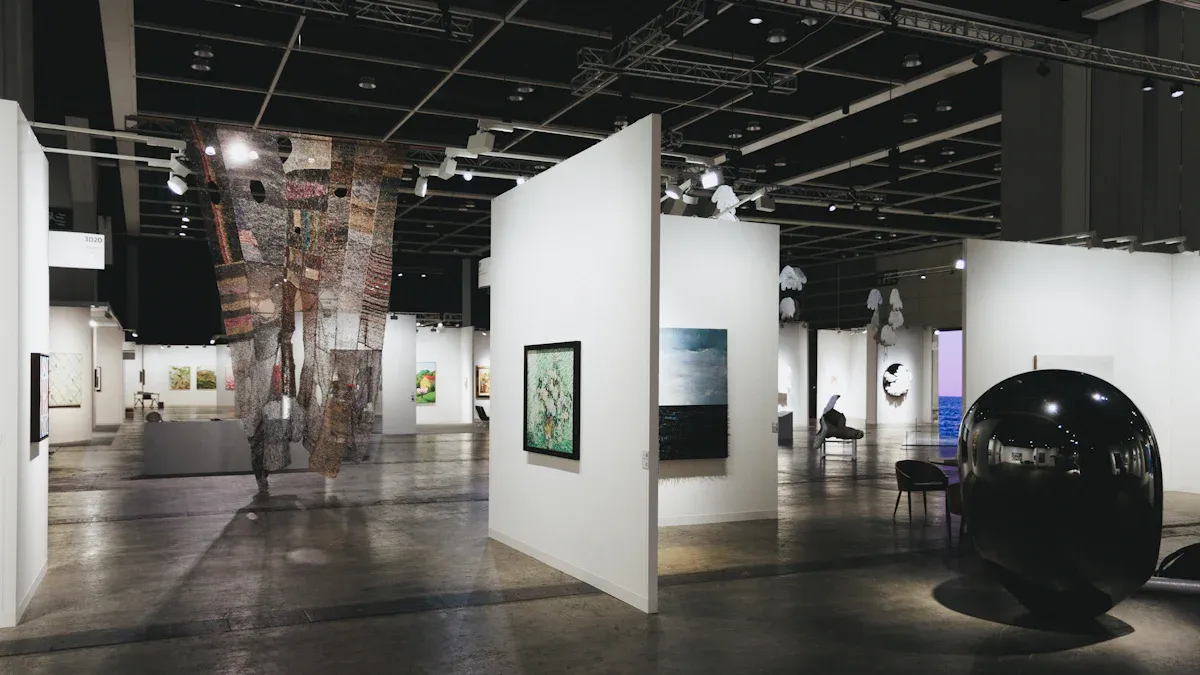
Low tolerance and superior edge-polish are powerful on their own. Their true impact, however, comes from their synergy. When combined, they multiply each other's effects, transforming a well-made object into an undeniable statement of quality. This combination is what creates a genuine aura of luxury.
Creating an Aura of Luxury
Consider a simple acrylic display case. One case is built with high tolerance and saw-cut edges. It has visible seams where panels meet and cloudy, rough edges. Another case is built with low tolerance and diamond-polished edges. Its joints are perfectly flush, creating a single, seamless form. Its edges are crystal-clear and feel like glass. The first case holds an object. The second case elevates it.
This difference is the core of perceived luxury. The flawless case communicates a deep investment in quality. The human eye is not drawn to distracting gaps or rough finishes. Instead, it sees a perfectly unified object. This principle is well-understood in the luxury automotive world. Bugatti, for instance, employs metrologists to ensure components meet tolerances measured in hundredths of a millimeter. A deviation as small as one millimeter is investigated because it can disrupt the perfect harmony of the vehicle's appearance. As automotive experts note, even the finest materials fail if panel fit is not perfect. Misaligned panels and inconsistent gaps signal a lack of precision, which fundamentally undermines the feeling of luxury.
Legendary designers have long understood that these details are not minor points; they are the design itself. Their philosophies reinforce this synergy:
- Charles Eames stated, "The details are not the details. They make the design." This highlights how small elements of precision and finish combine to define the final product.
- Jean-Louis Deniot believes, "Luxury is when it seems flawless; when you reach the right balance between all elements." This flawlessness is only possible through the synergy of precise construction and perfect finishing.
- Andrée Putman noted, "For a house to be successful, the objects in it must communicate with one another, respond and balance one another." Low tolerance and fine polishing ensure that every component in a build communicates a consistent message of quality.
Justifying a Premium Investment
Achieving this level of synergistic quality requires significant expertise, advanced machinery, and meticulous labor. It is an investment. Consequently, agencies that deliver this standard command a premium price. This higher cost is not an arbitrary markup; it is a direct reflection of the value delivered. A portfolio filled with high-precision, flawlessly finished projects becomes a powerful tool for justifying higher service fees.
This approach allows an agency to define its unique position in the market. It moves the conversation from cost to value.
"Clearly articulate your foundation story + brand positioning: the unique value proposition that differentiates you from the competition; what the client gets; why you." ~ Kim Novick, Experience Marketing Consultant
Mastery of tolerance and polish becomes that unique value proposition. It is a tangible differentiator that clients can see and touch. This expertise separates a premium agency from more established but less detailed-oriented organizations. A higher rate also instills confidence. This concept, known as prestige pricing, signals that an agency is a skilled professional. Clients paying for a high-stakes event want to see that expertise reflected in the cost.
"One of the many keys to success for a small business is to find ways to differentiate yourself from potentially larger and more established organizations. Your unique experience, positioned correctly, can be a key selling point…" ~ Brian Meyer, President at Meeting Expectations
Ultimately, clients are not just buying a physical structure. They are investing in the flawless execution that protects and elevates their brand image. This commitment to precision and polish justifies the premium investment by guaranteeing an environment that radiates quality and excellence.
An agency's mastery of manufacturing tolerance and edge-polish quality directly defines the perceived luxury of its work. The future of fabrication will only elevate these standards.
- AI-powered quality control will proactively detect defects.
- Next-generation laser cutters will enable finer details.
- Advanced materials will offer superior performance and aesthetics.
- Enhanced finishing techniques will improve durability and appeal.
Brand managers and agencies should view these details as essential strategic investments. This commitment to precision justifies premium pricing. It builds a reputation for true luxury and is critical for attracting high-end clientele.
FAQ
Why is low tolerance so important for an event build?
Low tolerance fabrication ensures every component fits perfectly. This precision eliminates gaps and misalignments. The final structure appears solid and intentional, which communicates high quality and elevates the brand's image. A flawless build creates a premium experience.
Is a diamond-polished edge always necessary?
The choice of edge finish depends on the material and its visibility. Diamond-polishing offers the highest clarity for acrylic. It is ideal for key touchpoints and display cases. Other finishes may suit different applications where the edge is less prominent.
How do these details justify a higher agency fee?
Achieving high precision and a perfect polish requires advanced machinery and expert skill. This investment guarantees a superior result. Agencies delivering this quality provide tangible value that protects and enhances a client's brand, justifying a premium price.
Can attendees truly notice such small details?
Yes. The human brain subconsciously detects imperfections like gaps or rough edges. These flaws disrupt the visual harmony and can make a structure feel cheap. Flawless execution creates a seamless experience that feels curated, valuable, and luxurious.