Materials & Safety Compliance Checklist


As an event organizer, you need this compliance checklist. It is an essential tool for event safety. You use this checklist to manage risk for your event. It helps secure venue approval for a successful event. Your focus on safety protects your event.
High Stakes Alert: Ignoring safety rules for your event creates major risk. You could face costly changes, legal issues, and brand damage. An event organizer must prioritize event safety. This ensures the safety of every event attendee at your event and lowers your overall risk.
Material Compliance Checklist
The materials you choose form the foundation of your event environment. Your selections directly impact attendee safety and your ability to pass venue inspections. This compliance checklist guides you through the critical material choices for a secure and successful event.
Fire Retardant Materials
You must prioritize fire safety in every material you select for your event. Many venues and fire marshals require specific fire ratings for fabrics, structures, and decorative elements. Understanding these ratings is essential for compliance.
- Fabrics and Draperies (NFPA 701): The National Fire Protection Association (NFPA) 701 standard is a common requirement for event textiles. This test checks how a fabric resists and reacts to fire. A fabric passes the test if it has an afterflame of less than two seconds and a char length under 6.5 inches. Any burning pieces must also extinguish once they hit the floor.
- Structural and Surface Materials (Class A/B/C): Building materials have different fire ratings based on their flame spread index. Following fire safety regulations means choosing the right class for each application.
| Fire Rating Class | Flame Spread Index (FSI) | Typical Event Applications |
|---|---|---|
| Class A | 0–25 | High-traffic egress corridors, main structures, and kitchens. |
| Class B | 26–75 | Booth walls, conference room fixtures, and less crowded areas. |
| Class C | 76–200 | Temporary storage areas or detached structures with low risk. |
Class A materials provide the best protection and are often mandatory for key areas of an event.
Non-Toxic Finishes & VOCs
The air quality at your event is a major safety concern. Paints, adhesives, and finishes can release Volatile Organic Compounds (VOCs). These chemicals can cause health issues for attendees and staff.
High VOC levels in an enclosed event space can lead to immediate problems. You protect people by avoiding them. Potential short-term symptoms include:
- Headaches and dizziness
- Eye, nose, and throat irritation
- Breathing difficulties
- Nausea
Pro Tip: Be extra careful with adhesives. Solvent-based adhesives emit extremely high levels of VOCs compared to water-based options. Choosing low-VOC or zero-VOC products is a simple step to improve air quality and overall event safety.
Sourcing & Certification Docs
You cannot just say your materials are compliant; you must prove it. Fire marshals and venue managers will ask for documentation. You need a clear paper trail for every material used in your event.
Your most important document is the Material Safety Data Sheet (MSDS), now often called a Safety Data Sheet (SDS). An inspector will verify this document contains key information, including:
- Chemical identity of the material
- Physical and health hazards
- Potential for fire or explosion
- Precautions for safe handling and use
- Emergency and first-aid procedures
Always keep these documents organized and accessible on-site during setup. This preparation ensures a smooth inspection process for your event.
Material Durability
The materials you use must withstand the conditions of the event. Environmental factors can affect their structural integrity. Wood, a common material for booths and displays, is very sensitive to its surroundings.
Wood naturally absorbs and releases moisture from the air. This process can cause significant issues that compromise safety.
- High Humidity: Causes wood to expand and swell. This can lead to warped panels and stressed joints.
- Low Humidity: Causes wood to dry out and shrink. This can result in cracks and brittleness.
You should select materials appropriate for the event's location and climate. This foresight prevents structural failures and maintains the professional look of your build.
Safety Glass & Acrylics
Glass and hard plastic panels are popular in modern event design. However, they pose a significant safety risk if they shatter. You must use safety glazing that meets specific impact standards.
The two main standards in the U.S. are ANSI Z97.1 and CPSC 16 CFR 1201. These standards ensure that if a panel breaks, it does so in a way that is less likely to cause serious injury. The CPSC standard classifies materials into two categories based on their impact resistance.
| CPSC Impact Category | Equivalent ANSI Z97.1 Class | Drop Height (100 lbs) |
|---|---|---|
| Category I | Class B | 18 inches |
| Category II | Class A | 48 inches |
You should use Category II (or Class A) rated materials in high-traffic areas like doors, large partitions, and railings. This level of safety is critical for protecting every person at your event. This simple checklist item can prevent major injuries.
Fixture Health and Safety Checklist
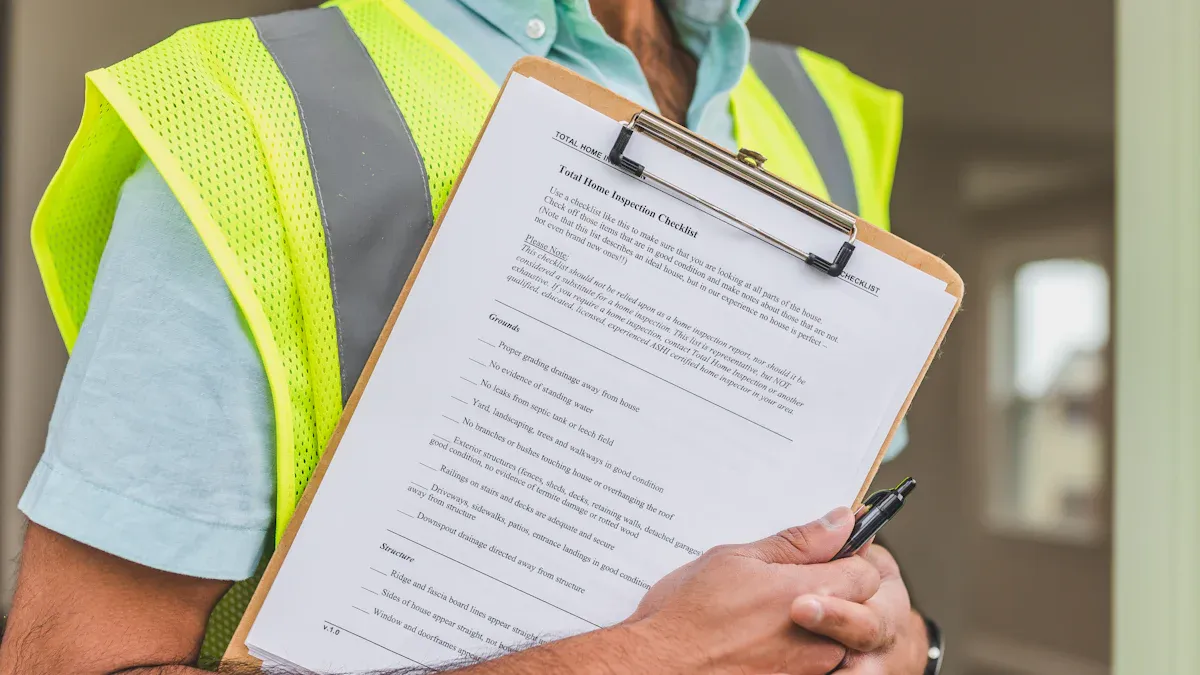
Your event fixtures are more than just decorative elements; they are interactive components of the attendee experience. This health and safety checklist ensures every structure, from massive overhead trusses to small information kiosks, is secure. Following this health and safety checklist is a critical step for overall event safety.
Structural Integrity & Load Capacity
You must guarantee that every structure at your event can support its intended weight. Overhead rigging and large displays pose significant risks if they fail. Professional load calculations are not optional; they are essential for safety.
Common points of structural failure include overloading, poor construction, and adverse weather. You can prevent these hazards with proper planning.
- Engage Experts: You should always consult a qualified structural engineer for complex spans or rigging. They can verify load capacities and ensure your designs are sound.
- Know Your Loads: You need to identify if loads are concentrated in one spot (point loads) or spread out (uniform loads). This affects how you calculate stress on the structure.
- Use Manufacturer Data: Refer to truss tables from manufacturers like Tomcat or James Thomas Engineering. These charts provide allowable loads based on span length and support points for your event.
- Plan for Weather: You must monitor weather forecasts. High winds or storms can create unexpected forces on temporary structures, leading to failure. Proper safety measures are vital.
Engineer's Note: Always design with a safety margin. Assume one rigging point might carry more of the load than others. This precaution prevents catastrophic failures and is a cornerstone of event safety.
Electrical Safety & Wiring
Electrical hazards are a major concern at any event. You must ensure all temporary wiring complies with national and local codes to prevent fires and electric shock. Your primary guides are the National Electrical Code (NEC) and certifications from a Nationally Recognized Testing Laboratory (NRTL).
Using certified components is a non-negotiable part of event safety.
- UL Certification: Underwriters Laboratories (UL) is the most recognized NRTL. A UL mark on a component means it has been tested and meets specific safety standards. Venue inspectors look for this mark to grant approval quickly. You can verify a company's UL certification through the official Online Certifications Directory.
- NEC Compliance: You must follow NEC articles relevant to your event, such as Article 590 (Temporary Installations) and Article 520 (Theaters and Similar Locations). These codes dictate how you manage power sources, protect against overcurrent, and safely terminate conductors.
- Cable Management: All wiring must be protected from physical damage. You should secure cables away from foot traffic and use bushings where they pass through walls to prevent abrasion.
ADA Accessibility
Your event must be welcoming and accessible to everyone. The Americans with Disabilities Act (ADA) sets clear standards for fixtures to ensure people with disabilities can navigate and interact with your space safely. This is a key part of your compliance checklist.
You need to design key fixtures with these requirements in mind:
| Fixture Element | ADA Requirement | Key Detail |
|---|---|---|
| Service Counters | Max 36 inches high | A portion must be at least 30 inches wide for a forward approach. |
| Knee & Toe Clearance | Required for forward approach | Provides space for wheelchair users to get close to the counter. |
| Accessible Pathways | Min 36 inches wide | Ensures enough room for wheelchair passage. |
| 180-Degree Turns | Min 48 inches wide at turn | Allows users to navigate tight corners without obstruction. |
These safety measures ensure your event is inclusive and avoids potential legal hazards.
Hazard-Free Edges & Corners
Sharp edges and protruding objects on fixtures create serious injury hazards. According to OSHA standard 1910.22(a)(3), you must keep all walking and working surfaces free of such hazards. A small, overlooked corner can cause cuts and other injuries.
You should conduct regular inspections during setup and throughout the event.
- Walk through your event space specifically looking for sharp corners on counters, displays, and low-hanging structures.
- Apply edge guards or bumpers to any identified hazard.
- Ensure your setup crew wears appropriate personal protective equipment (PPE), including gloves, to prevent injuries during installation. The right PPE is a simple but effective safety tool.
Trip Hazard Prevention
Cables and cords running across floors are one of the most common trip hazards at an event. Proper cable management is essential for attendee safety and is a major focus for venue inspectors. You must have a plan to eliminate all potential trip hazards.
Your best tools for this task are professional cable management solutions.
- Use Cable Protectors: Heavy-duty cable protectors or mats are the best way to secure loose wires. They conceal the cables and provide a ramped surface for people to walk over.
- Increase Visibility: Choose protectors with bright, high-contrast colors like yellow to draw attention to them.
- Secure All Runs: Ensure that cables are secured not just on the floor but also where they enter enclosures or run up walls. Use listed fittings and stress-relief supports to prevent wires from pulling loose.
These safety measures protect attendees and prevent damage to your expensive equipment.
Fixture Stability & Tipping
Every freestanding fixture at your event, from tall signage to product displays, must be stable. An unstable fixture can tip over and cause serious injury, especially in crowded areas. You must assess each fixture for tipping hazards.
Your stability checklist should include:
- Weighting and Anchoring: Use appropriate ballasts, sandbags, or anchors to secure the base of tall or top-heavy fixtures.
- Level Surfaces: Check that fixtures are placed on level ground. Use shims to correct for uneven flooring.
- Environmental Factors: Consider the impact of crowds pushing against fixtures or wind affecting outdoor displays.
- Regular Checks: Have your team periodically check fixtures throughout the event to ensure they remain secure.
Proactive stabilization is a simple way to prevent dangerous accidents and enhance event safety.
Event Safety & Risk Planning
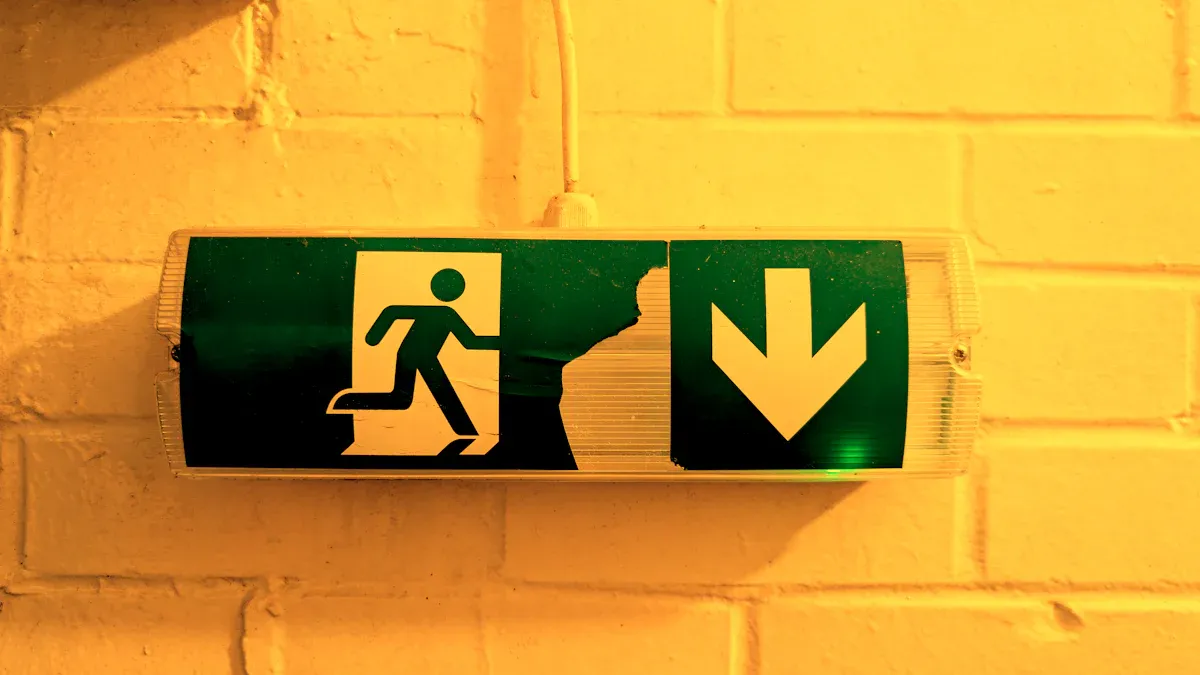
Your planning phase is the most critical time for event safety. A thorough risk assessment and proactive emergency planning protect your attendees, staff, and brand. As an organizer, you must create a comprehensive emergency event plan. This process mitigates risk and ensures you follow all safety guidelines.
Site Inspection & Venue Rules
You must understand your venue's specific rules before you do anything else. Each location has unique guidelines for safety and security. A detailed site inspection helps you identify potential risks early. Your team should review all venue-provided documents. This step is fundamental to your overall event safety strategy. A good organizer knows the venue's guidelines inside and out.
Permits & Approvals
You need official permits for complex structures and electrical work. An organizer cannot skip this part of the compliance checklist. Fire marshals and city officials require documentation to ensure safety.
- Structural Permits: You must get permits for multi-story booths or structures over a certain height. Your plans need a wet stamp from a licensed structural engineer.
- Fire Prevention Permits: You need fire marshal approval for covered assembly areas. The fire department can stop work if you do not have the right permits.
- Electrical Compliance: All wiring must follow national and local codes. A qualified electrical contractor must perform any hard wiring to meet safety guidelines.
Emergency & Evacuation Plan
A clear emergency event plan is essential for event safety. Your emergency and contingency planning starts with a risk assessment. You must identify potential hazards to prepare your response. Your emergency procedures should be practiced with your team during a health and safety briefing.
Emergency Plan Essentials: Your plan must map all evacuation routes. You need a communication strategy for your team, security personnel, and first aid staff. Determine who contacts authorities in an emergency. This preparation is vital for crowd control and overall event safety. Always have a contingency plan and a well-stocked first aid kit.
Egress Paths & Clearances
You must keep all exit paths clear. Obstructed paths create a major risk during an emergency. The NFPA Life Safety Code provides strict guidelines for egress width. For example, corridors and aisles generally require a minimum clear width of 36 inches. This ensures attendees, including those with disabilities, can evacuate safely. Your event safety checklist must include regular checks of these paths to ensure they remain unobstructed. Proper egress is a non-negotiable part of event safety, security, and crowd control. The organizer must enforce these rules for the safety of every person at the event.
You now have a powerful compliance checklist. It is a cornerstone for professional event execution and total event safety. Using this tool protects your brand, ensures attendee well-being, and streamlines your event setup. Your event security and event safety depend on it. For your event, always verify specific requirements to ensure event safety and event security. Your event security is paramount for a successful event.
Expert Consultation for Your Event: You must consult with local authorities for your event. This ensures complete event safety and event security.
- Fire Marshals enforce fire codes and help develop your emergency plans for event safety.
- Certified Engineers verify structural plans for your event.
- OSHA provides standards that ensure workplace safety and security during your event setup and teardown. This is key for event safety and event security.
FAQ
What is the first step for event safety and security?
Your first step is a full site inspection. This helps you understand the venue's security rules. A safe event starts with good planning. Your overall security depends on it.
How do I prove my materials are safe for the event?
You must keep certification documents on-site for your event. Fire marshals check these papers. This documentation is a key part of your event security. It proves your setup follows safety rules.
Who is responsible for event security?
As the organizer, you are responsible for event security. You must coordinate with venue staff and your security team. A strong security plan protects every person at your event. This is vital for event success.
Does a small event still need a security plan?
Yes, every event needs a security plan. You must manage risks and ensure safety. Your event security is always a priority. This protects your attendees and your brand.