Advanced Anti-Theft Features for Tablets


A multi-layered security strategy is the definitive anti-theft solution for hospitality tablets in 2025. The most effective approach for smart terminals combines vandal-resistant anti-theft devices with intelligent software and integrated alarm systems. This guide helps businesses select the right mix of anti-theft features. The goal is to protect valuable assets while enhancing the customer experience. This ensures security does not disrupt service.
Physical Security and Anti-Theft Devices
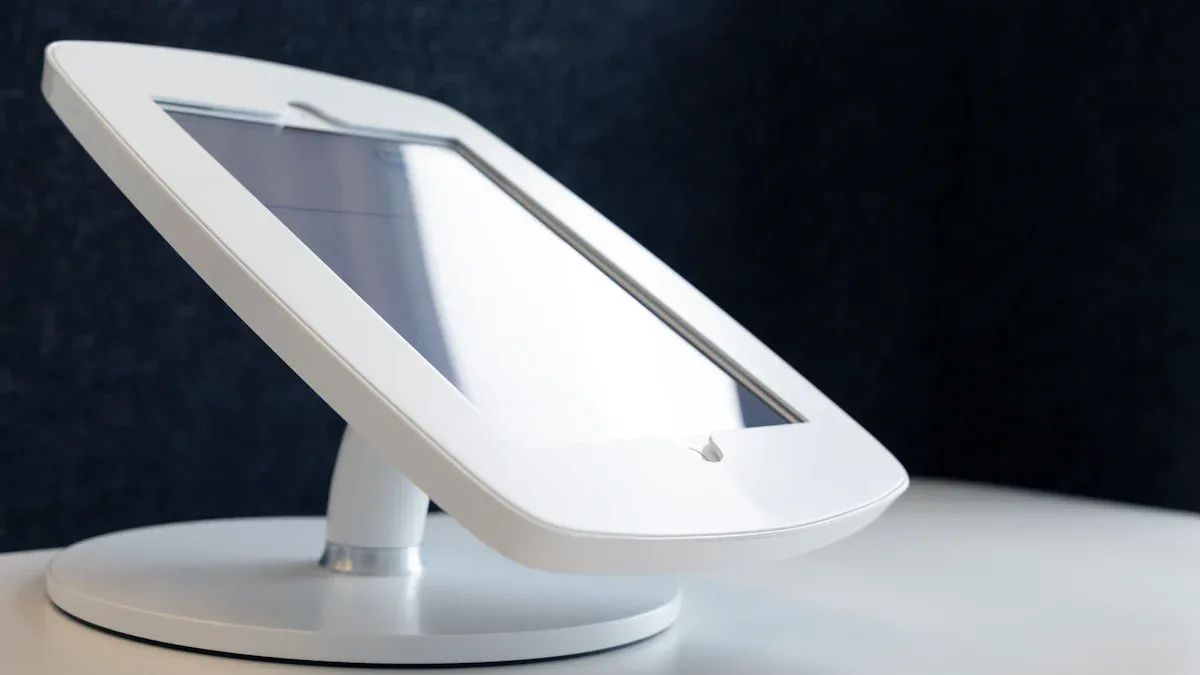
Physical hardware is the first line of defense in any comprehensive anti-theft strategy. These visible deterrents make theft difficult and risky for opportunistic criminals. Effective anti-theft devices protect the tablet itself from being removed from its designated location. Businesses can choose from a range of solutions. The best choice depends on the environment and desired level of customer interaction.
High-Security Enclosures and Mounts
High-security enclosures form a protective shell around the tablet. They prevent unauthorized removal and protect against damage. The material and locking mechanism are critical components of these anti-theft solutions.
Pro Tip: The most robust enclosures combine durable materials with high-security locks, creating a formidable barrier against tampering and theft.
Manufacturers construct top-tier enclosures from vandal-resistant materials. This heavy-duty construction ensures longevity and protection. Common material choices include:
Aircraft-grade aluminum for a strong yet lightweight frame
Reinforced steel for maximum durability, even withstanding significant impacts
Hybrid designs using both steel and aluminum profiles
The lock is the gatekeeper of the enclosure. Different lock types offer varying levels of security.
Tubular Locks: These locks have a circular keyway. Their design protects against lock bumping. They offer a medium level of anti-theft security. Specialized tools can still defeat them.
Disc Detainer Locks: These locks use a system of rotating discs. They are highly resistant to picking and require advanced tools to bypass. They provide a superior level of anti-theft protection against skilled thieves.
Finally, businesses must secure the enclosure to a surface. Mounting options vary in permanence and strength.
Mounting Type | Description | Best For |
|---|---|---|
Bolt-Down | The mount is permanently bolted to a countertop or wall. | High-risk areas needing maximum security. |
High-Bond Adhesive | A powerful adhesive pad secures the mount to a surface. | Locations where drilling is not possible. |
Freestanding | A weighted base provides stability without permanent attachment. | Environments requiring frequent repositioning. |
Advanced Cable Locking Systems
Advanced cable locking systems offer a balance of security and mobility. These systems tether the tablet to a fixed object, allowing customers to handle the device within a limited range. This approach is common in retail anti-theft systems where customer interaction is key. These anti-theft features are both a visual deterrent and a physical restraint.
Modern security cables are engineered for high-level anti-theft performance.
Material: They often use galvanized steel construction for strength.
Durability: The braided steel design provides maximum durability and cut-resistance.
Length: A standard 6-foot cable offers a good range of motion for users.
These tethering systems connect to the tablet through a security slot or a specialized adhesive plate. The other end loops around a secure anchor point, like a table leg or a permanent fixture. This simple but effective mechanism is a core part of many layered security plans. It makes a quick "grab-and-run" theft nearly impossible.
Securing Smart Terminals with Software
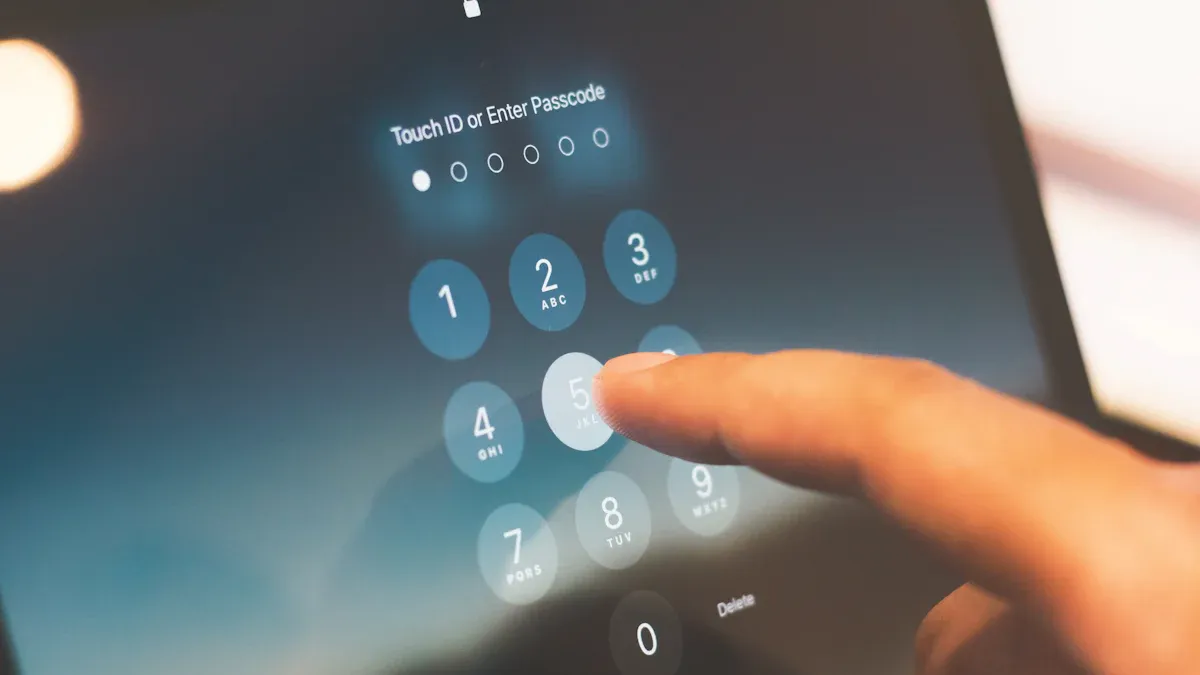
While physical hardware creates a strong first defense, intelligent software adds a critical layer of control and response. Software-based anti-theft features turn a standard tablet into a secure, manageable asset. They provide businesses with the power to monitor, control, and even disable their smart terminals from anywhere. This proactive approach is essential for a complete anti-theft strategy.
Mobile Device Management (MDM)
Mobile Device Management (MDM) software is the command center for securing a fleet of tablets. It allows administrators to enforce security policies, monitor device status, and respond to threats in real time from a central dashboard. MDM is a powerful tool for theft deterrence, making stolen devices difficult to use and easy to track.
A key MDM function is geofencing. This technology uses location services to create virtual perimeters around approved areas. If a device crosses this boundary, the system triggers an automated anti-theft response.
Boundary Creation: Administrators define virtual zones, like a hotel lobby or restaurant floor, on a map.
Breach Detection: The MDM system constantly monitors the location of all smart terminals. It instantly detects when a device leaves a designated zone.
Instant Alerts: Upon detection, the system sends immediate alerts to security personnel via email or text.
Automated Actions: The system can automatically lock the device or wipe its data, neutralizing the threat.
Kiosk Mode is another powerful MDM feature. It locks a tablet to a single application or a pre-approved set of apps. A stolen device locked in Kiosk Mode is useless to a thief, as they cannot access system settings, browse the internet, or install other software. This makes the tablet an unattractive target.
In the event of a confirmed theft, administrators can execute a remote wipe. This process permanently erases sensitive data, protecting customer information and ensuring compliance with data protection regulations. The process is straightforward and effective.
An administrator sends a "wipe" command from the MDM console. The device must be online to receive it.
The MDM software on the tablet receives and executes the command.
All corporate data is securely deleted from the device. For devices used by employees, MDM can segregate personal and corporate data, wiping only the sensitive business information.
Smart Alarms and Monitoring
Smart alarms and monitoring systems bridge the gap between physical and digital security. They provide an immediate, audible, and verifiable response to a theft attempt. These systems are often integrated directly into mounts and enclosures, forming a cohesive security solution that works alongside retail anti-theft systems.
Modern anti-theft mounts and tethers contain integrated sensors.
Tether Sensors: These sensors create a low-voltage electrical circuit through the security cable. If a thief cuts the cable, the circuit breaks, and an alarm sounds instantly. A tamper switch inside the sensor's housing also triggers an alarm if someone tries to pry it off the device.
Motion Sensors: Some mounts include motion sensors that detect excessive movement or attempts to remove the enclosure from its base. This provides another layer of anti-theft protection.
The most advanced setups pair these alarms with video monitoring. When a sensor triggers an alarm, the system can automatically flag the corresponding video footage. This integration is trending toward using Artificial Intelligence (AI) to analyze events. AI can distinguish between an accidental bump and a genuine theft attempt, reducing false alarms. This verified response allows security teams to act quickly and with certainty, transforming security from reactive to proactive. These integrated systems provide a powerful deterrent for any business managing public-facing smart terminals.
The Future of Tablet Anti-Theft Features
The evolution of security technology is paving the way for smarter and more integrated anti-theft features. Looking ahead, businesses can expect to leverage biometric advancements and low-power tracking technologies. These tools will offer unprecedented security for their tablet fleets. They will make theft more difficult and recovery more likely.
Biometric Access Control
Biometric authentication is set to become a standard for securing shared devices. This technology uses unique human traits for verification. Advanced algorithms in facial recognition and fingerprint scanning provide highly reliable access control. AI integration improves the accuracy of these systems and helps detect fraudulent attempts.
Biometrics offer a clear security advantage over traditional passwords.
Biometric traits are unique to an individual and cannot be shared like a PIN.
They are significantly more difficult for criminals to steal or replicate.
This method requires physical presence, making it resistant to phishing attacks.
To protect user privacy, organizations must use strong data security practices. Best practices include encrypting all biometric data and processing it locally on the device. This prevents sensitive information from being stored on vulnerable central servers.
Low-Power Tracking Beacons
Low-power tracking beacons are a game-changing anti-theft technology for asset management. These small, battery-powered devices use Bluetooth Low Energy (BLE) to transmit their location. Companies like Estimote and Teltonika offer beacons that can last for several years on a single battery. They broadcast a signal over a range that can extend from 20 to over 200 meters.
Businesses can attach these discreet beacons to each tablet. A network of receivers or a central gateway then monitors the location of every device in real time. If a tablet is moved outside a designated zone, the system sends an immediate alert. This powerful anti-theft capability allows staff to quickly locate and recover a missing or stolen device, minimizing potential losses.
The best anti-theft strategy for 2025 combines physical anti-theft devices, smart software, and verified alarms. This layered approach creates a secure environment for smart terminals. It protects assets without harming the customer experience. The goal is a strong anti-theft defense that remains user-friendly.
Business owners should assess their unique risks. They can then select a custom mix of security features. This balances protection with operational needs.
FAQ
What is the best single anti-theft feature for a tablet?
There is no single best feature. The most effective anti-theft strategy combines multiple layers. Businesses should use physical locks, MDM software, and smart alarms together. This layered approach provides comprehensive protection against theft and tampering.
Is physical security or software security more important?
Both are equally important for a complete anti-theft solution. Physical security deters initial theft attempts. Software security provides tracking, remote control, and data protection if a device is stolen. They work together to secure assets effectively.
How does Kiosk Mode prevent tablet theft?
Kiosk Mode makes a stolen tablet less valuable to thieves. It locks the device to a single app or a specific set of functions. A thief cannot access settings, install new apps, or browse the web, rendering the device useless for personal use.
What is geofencing and how does it work? 🗺️
Geofencing creates a virtual boundary around a physical location. An MDM system tracks the tablet's location. If the device leaves the designated area, the system automatically sends an alert to security personnel. It can also lock the device remotely.