Easy-to-Clean Materials for Retail Hygiene

Consumer priorities have shifted significantly toward hygiene. You can guide your retail clients by recommending the right surfaces. The best easy-to-clean materials for hygienic counters include:
- Solid Surface
- Quartz
- High-Pressure Laminate (HPL)
- Stainless Steel
We selected these options for their key features. Each material has a non-porous surface. They offer strong durability against wear. They also resist stains and common chemical cleaners. This guide gives you the facts to help clients choose the best easy-to-clean materials for their business needs.
A Guide to Easy-to-Clean Materials
You can help your clients select the perfect surface by understanding the unique benefits of each material. This guide breaks down the top four choices, focusing on what matters most in a retail setting: hygiene, durability, and maintenance.
Solid Surface
Solid surface materials offer incredible design flexibility. You probably know popular brands like Corian® and Hi-Macs®. These are acrylic-based products that you can shape into seamless counters, displays, and sinks. This seamless quality eliminates cracks and crevices where germs can hide, making them one of the best easy-to-clean materials.
-
Cleaning and Maintenance: Daily cleaning is simple. You only need a soft cloth with soap and water or a mild ammonia-based cleaner. A key advantage is its repairability. You can easily fix minor scratches at the store.
Quick Tip: Repairing a Matte Finish
- Wash the area with soapy water.
- Gently sand the scratch with P240 grit sandpaper.
- Wash the area again.
- Buff it with a green Scotch-Brite™ pad in a circular motion. For deep damage or glossy finishes, you should recommend a professional service to ensure a perfect result.
-
Durability: Solid surface is impact-resistant and non-porous. It will not harbor bacteria or mold. It also stands up well to daily wear in busy retail environments.
-
Best Use Cases: Its design versatility makes it ideal for high-end boutiques, cosmetic counters, and reception desks where a custom, upscale look is important.
-
Cost: Prices can vary based on brand and color. Here is a general idea of the cost.
| Material | Cost Per Square Foot (Installed) |
|---|---|
| Corian® | $50 to $150 |
| Hi-Macs® | $70 to $120 |
Quartz (Engineered Stone)
Quartz provides the look of natural stone without the maintenance headaches. It is an engineered product made from about 90% ground quartz combined with resins and pigments. This composition creates an extremely hard and non-porous surface.
-
Cleaning and Maintenance: Quartz requires no sealing, unlike natural stones such as granite or marble. You can clean spills easily with a soft cloth and mild soap. You should advise clients to wipe up acidic spills like coffee or juice quickly to prevent any potential discoloration.
-
Durability: Quartz is incredibly durable. It scores a 7 out of 10 on the Mohs hardness scale, making it highly resistant to scratches and chips. Its non-porous nature is its greatest strength. Liquids and bacteria cannot penetrate the surface, making it exceptionally hygienic.
-
Best Use Cases: Quartz is perfect for high-traffic service areas. Think of coffee shops, juice bars, and busy checkout counters. It delivers a premium aesthetic with robust performance.
High-Pressure Laminate (HPL)
High-Pressure Laminate (HPL) is a budget-friendly powerhouse. Manufacturers create it by fusing multiple layers of kraft paper with resins under intense heat and pressure. The top layer is a decorative sheet that can mimic wood, stone, or solid colors.
-
Cleaning and Maintenance: HPL is very easy to maintain. Its surface resists stains and is simple to wipe clean. You can use common disinfectants like 70% isopropyl alcohol without damaging the finish. However, you should tell clients to avoid harsh, abrasive cleaners that could scratch the surface.
-
Durability: Modern HPL is built to last. It resists wear, scratches, and heat. Many HPL products meet NSF/ANSI 35 standards, certifying them for use in food service environments. Its chemical resistance is often superior to basic laminates, especially against common cleaning agents.
-
Best Use Cases: HPL is the go-to choice for projects with tight budgets. It works well in fast-food restaurants, convenience stores, and back-of-house areas. It provides a clean, durable surface without a high price tag. These easy-to-clean materials deliver great value.
Stainless Steel
Stainless steel offers a modern, industrial look with unmatched hygienic properties. For food service and retail, you should recommend Grade 304 stainless steel. It provides excellent corrosion resistance and durability for most applications.
-
Cleaning and Maintenance: Stainless steel is non-porous and very easy to sanitize. Fingerprints can be a concern, but you can manage them with proper cleaning techniques.
✨ Pro Cleaning Method for Fingerprints
- Wipe the surface with a damp microfiber cloth and a drop of dish soap, moving with the grain.
- Rinse the cloth and wipe again to remove any soap residue.
- Immediately dry the surface with a clean, dry microfiber cloth to prevent water spots.
-
Durability: This material is nearly indestructible. It resists heat, impact, and stains. It will not chip or crack, making it a long-term investment for any business.
-
Best Use Cases: Stainless steel is the standard in professional kitchens for a reason. It is also a popular choice for modern cafes, minimalist boutiques, and medical facilities where cleanliness is the top priority.
Best Practices for Retail Hygiene
Selecting the right material is only the first step. You can help your clients maintain a truly hygienic space by sharing these essential practices for cleaning and installation.
Effective Cleaning Solutions
You should advise clients to use pH-neutral cleaners for most surfaces. Materials like quartz contain resins that acidic cleaners can damage. Mild dish soap and water are often the safest choice. For clients who want a commercial product, you can suggest options like Granite Gold Daily Cleaner or Weiman Quartz Countertop Cleaner.
Cost-Effective Cleaning Tip 💡 A simple mixture of half white vinegar and half water works well for disinfecting many non-porous surfaces. However, you should remind clients to avoid using it on quartz or natural stone.
Fixture Installation for Cleanliness
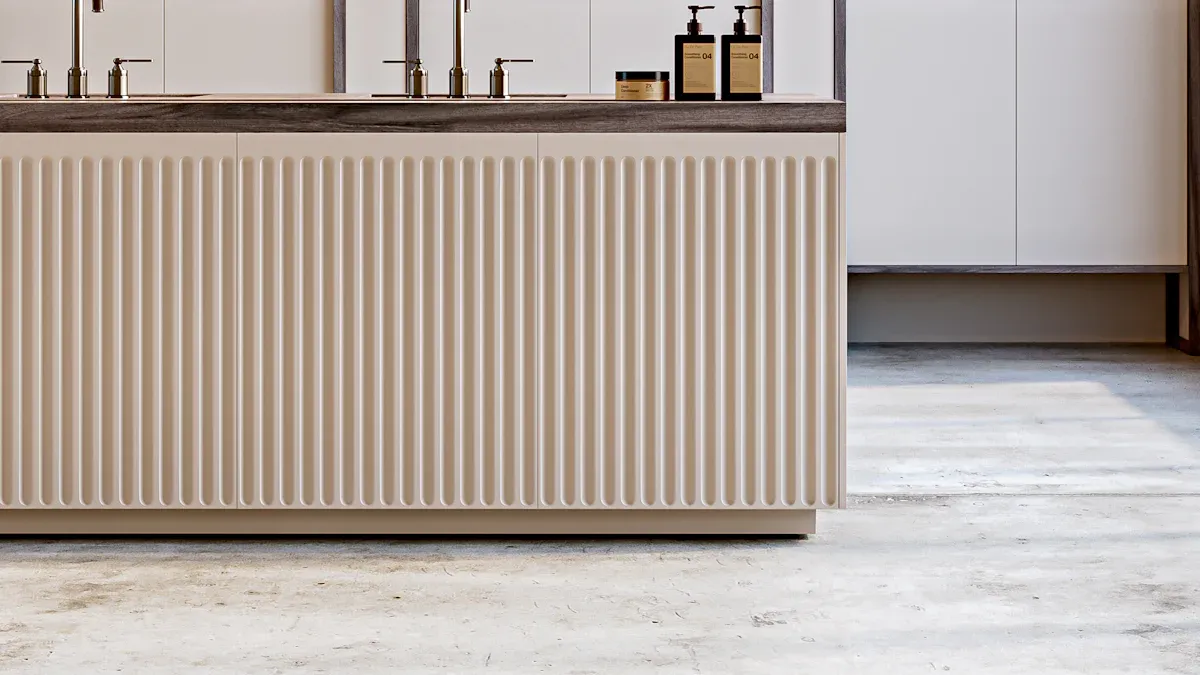
Proper installation makes daily cleaning much easier. Advise your clients to follow the four-inch rule. Fixtures should have at least four inches of clear, unobstructed space between the bottom of the unit and the floor. This gap allows mops and other cleaning tools to pass underneath easily, preventing dust and grime from building up in hard-to-reach areas.
Choosing the Right Cleaning Tools
The right tools are just as important as the right cleaners. You should recommend tools that are easy to sanitize, such as microfiber cloths, which can be laundered at high temperatures. You can also introduce clients to a color-coded cleaning system. This practice prevents cross-contamination between different areas of the store. It ensures that a cloth used in a restroom is never used in a food-prep area.
| Color | Designated Cleaning Area |
|---|---|
| 🔴 Red | High-risk restroom areas (toilets) |
| 🟡 Yellow | Sinks and other low-risk restroom surfaces |
| 🟢 Green | Food preparation and service areas |
| 🔵 Blue | General cleaning (windows, offices, floors) |
Distributor's Comparison Guide
You can help clients make smart decisions by comparing these easy-to-clean materials directly. This guide simplifies the key differences in durability, cost, and design. Use it to align the perfect material with your client's specific goals.
Material Hygiene and Durability
You should explain the long-term value of each material. Quartz and Stainless Steel offer exceptional durability. They resist scratches, heat, and impact in high-traffic areas. Solid Surface is also very durable and has the unique benefit of being repairable. HPL provides good durability for its cost but may show wear sooner than other options.
- HPL Lifespan: Typically lasts 20 to 30 years.
- Quartz Lifespan: Can last a lifetime, often over 30 years.
This difference in lifespan is a key factor for clients planning long-term installations.
Cost vs. Aesthetic Versatility
Budget and design are often the two biggest factors for clients. You can provide clarity with a simple cost breakdown. HPL is the most budget-friendly choice. Quartz and Stainless Steel are premium investments. HPL also offers incredible aesthetic range. It comes in hundreds of patterns that mimic stone and wood with photorealistic detail.
| Material | Average Cost Per Square Foot (Installed) |
|---|---|
| High-Pressure Laminate (HPL) | $30 - $50 |
| Solid Surface | $60 - $130 |
| Quartz | $70 - $120 |
| Stainless Steel | $70 - $150 |
Matching Materials to Client Needs
You can guide clients to the best choice by understanding their brand identity. A material does more than provide a surface; it creates an experience. For example, the high-end fashion brand Céline used blue quartzite on its storefront to build a beautiful and luxurious atmosphere. This shows how a premium material like quartz can define a brand's image.
Client Matching Tip 🎯
- For luxury brands, suggest Quartz or Solid Surface to create a premium feel.
- For high-volume businesses needing value, recommend HPL for its balance of cost and durability.
- For food service or modern spaces, propose Stainless Steel for its unmatched hygiene and industrial look.
By asking about brand vision, you can recommend the best easy-to-clean materials for both function and style.
For premium retail spaces, you should recommend Solid Surface and Quartz. Market reports show that commercial developers increasingly favor quartz for its durability and design consistency. These materials offer the best mix of hygiene and style. High-Pressure Laminate (HPL) is the top choice for projects with a tight budget. It provides excellent cleanability without a high cost.
By keeping these core easy-to-clean materials in your portfolio, you can meet any client's needs. You will be ready to match their hygiene standards, design vision, and budget.
FAQ
Which material is the most hygienic?
You can tell clients that stainless steel is the most hygienic option. Its non-porous surface is extremely easy to sanitize. It is the top choice for professional kitchens and medical settings. Solid surface is also an excellent choice because you can create seamless, one-piece installations.
What is the best choice for a tight budget?
You should recommend High-Pressure Laminate (HPL) for budget-focused projects. It offers great durability and cleanability for its price. HPL comes in many designs, so clients do not have to sacrifice style. It provides excellent value for high-volume businesses like convenience stores or fast-food chains.
Can you repair scratches on these surfaces?
Yes, some materials are repairable. You can easily fix minor scratches on solid surfaces like Corian® right in the store. This is a major benefit for long-term appearance. Quartz and stainless steel are very scratch-resistant but require a professional for any significant repairs.
Repairability Ranking 🛠️
- Solid Surface: Most repairable.
- Stainless Steel: Can be buffed.
- Quartz & HPL: Difficult to repair.
Are all materials safe to use with strong disinfectants?
You should advise clients to be careful with cleaners. Stainless steel and HPL handle most chemical disinfectants very well. You must warn clients to avoid harsh or acidic cleaners on quartz and solid surfaces. Mild soap and water are always the safest choice for daily cleaning.