Top Easy-to-Clean Materials for Food Counters

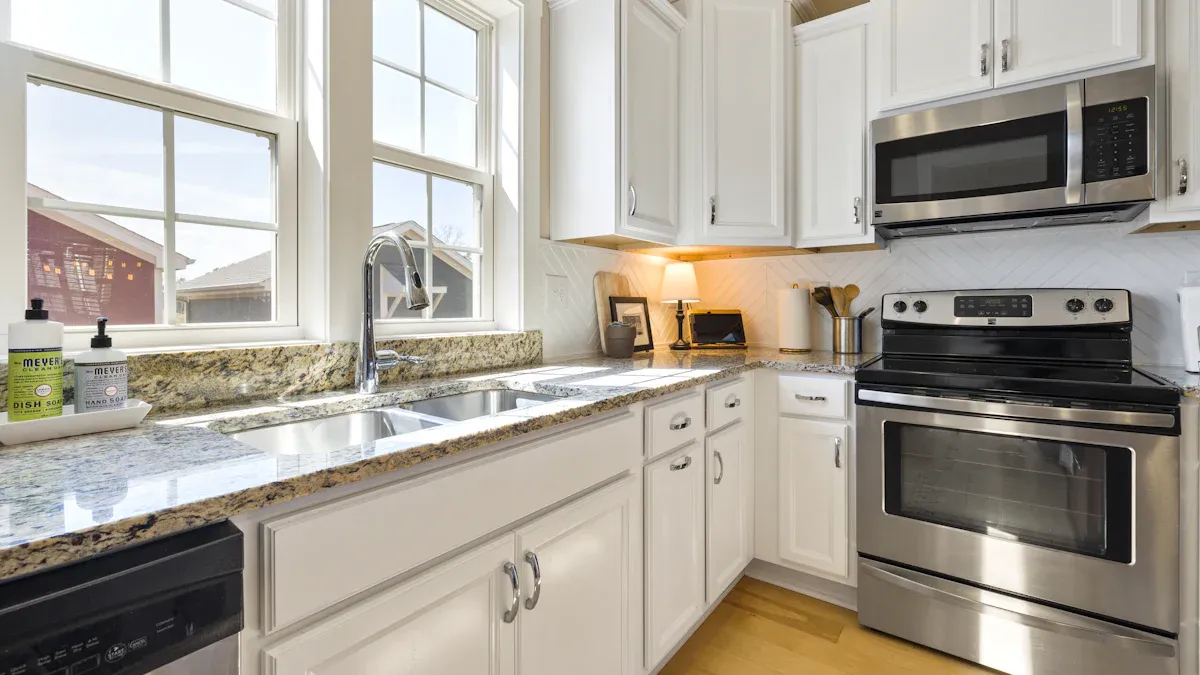
The top easy-to-clean materials for your food and bakery counters are Quartz, Stainless Steel, and Solid Surface. These industry standards are non-porous, durable, and easy to clean. This simplifies your daily cleaning and sanitizing routines for food safety.
Did You Know? 🤔 Effective cleaning is crucial. Cross-contamination from food contact surfaces is a primary cause of illness in food establishments, and surveys show 95% of customers want robust sanitation practices.
Choosing the right surface is a practical decision. It helps you streamline operations for improved efficiency and builds customer trust in your brand.
Foundations of Counter Hygiene
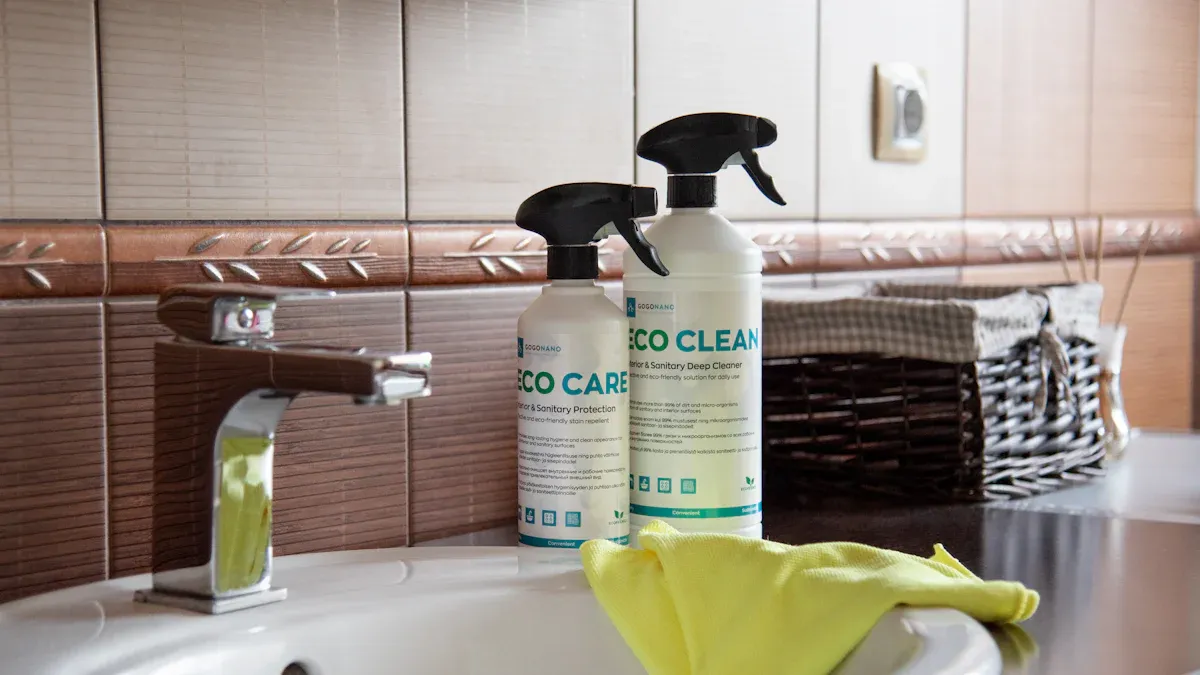
Strong hygiene management is the bedrock of any successful food business. Your counters are a critical control point. Choosing the right material and process ensures you meet health codes and protect your customers. This commitment to hygiene builds trust and safeguards your brand's reputation.
Meeting Health Codes
Health inspectors look closely at your food contact surfaces. A primary cause of food safety breaches is contamination from unclean counters. Porous materials like unsealed granite can trap moisture and food particles. This creates a breeding ground for harmful bacteria. Non-porous surfaces are smooth and resist absorption, making your cleaning routine more effective and preventing contamination. Following current good manufacturing practices is essential.
Inspectors often cite businesses for failing to clean surfaces between tasks. This can lead to dangerous cross-contamination. Your hazard analysis and critical control points (HACCP) plan must address this risk. Proper employee training on current good manufacturing practices ensures your team understands these rules. Effective training helps you avoid violations and achieve higher levels of safety. Your hazard analysis and critical control points plan should detail these sanitation measures. Adhering to current good manufacturing practices and your hazard analysis and critical control points plan is not optional; it is a requirement for safe food handling.
The Sanitizing Process
Effective cleaning and sanitizing are two different steps. Cleaning removes visible dirt, while sanitizing reduces pathogens to safe levels. Your training program must emphasize the accuracy of this process.
Your Three-Step Sanitizing Protocol 📝
- Wash: Use warm, soapy water to wash the surface. This first cleaning step removes grease and food debris.
- Rinse: Rinse the counter with clean water to remove soap residue.
- Sanitize: Apply an approved sanitizer. Let it sit for the required contact time before air-drying. This step is crucial for killing bacteria.
To prevent cross-contamination, use separate counters for raw and cooked food whenever possible. Proper training ensures your staff follows procedures with accuracy. This helps improve accuracy and minimize waste. The goal of disinfecting is to eliminate germs. Following the correct sanitizing steps with accuracy is vital for food hygiene. This accuracy in cleaning and sanitizing protects every food item you serve. Your current good manufacturing practices should guide every action.
Quartz Counters
Quartz offers a powerful combination of beauty and practicality for your food business. As an engineered stone, it provides a consistent and reliable surface perfect for daily operations. You get the high-end look of natural stone without the maintenance challenges.
Key Cleaning Benefits
The primary advantage of quartz is its non-porous surface. This material has an extremely low water absorption rate of just 0.03%. Liquids and food particles cannot penetrate the surface, which simplifies your cleaning routine and prevents bacteria from growing. This makes it an excellent choice for any food preparation area.
This non-porous quality means you never have to seal your quartz counters. This saves you time and money on maintenance, making daily cleaning your only task.
Quartz also excels at resisting stains from common food and drink items. Independent tests show it withstands spills without any visible effect. This includes:
- Coffee and tea
- Red wine
- Citric acid from juices
- Coke
This high resistance makes the cleaning process for your food counters quick and effective. A simple wipe-down is often all that is needed to keep the surface pristine.
Ideal Applications
You will find quartz is ideal for customer-facing areas where aesthetics matter. Its clean, polished look enhances your brand image in high-traffic cafes, bakeries, and restaurants. Many establishments choose quartz to create a premium experience for their guests. For example, high-end cafes like 'Mouse Tail Coffee Stories' use quartz to elevate their interior design.
The material is a popular choice across the food and beverage industry. Quartz installations make up 23% of hotel and restaurant interiors and 29% of commercial kitchens. This widespread use demonstrates its trusted performance in demanding food environments. Using quartz for your service counters or display cases ensures a durable, beautiful surface that is easy to maintain. The simple cleaning requirements help your team focus on serving great food.
Stainless Steel Surfaces
Stainless steel is the undisputed champion in professional food environments. You will find it in almost every commercial kitchen for a reason. Its durability and hygienic properties make it a top choice for food preparation and storage. This material provides a professional look while offering unmatched performance for your food business.
Key Cleaning Benefits
The primary benefit of stainless steel is its non-porous surface. This feature is critical for food safety. It prevents bacteria and food particles from seeping into the material, which simplifies your cleaning routine. The chromium in the steel reacts with air to form a protective layer.
The Science of Clean 🔬 This invisible chromium oxide layer shields the metal from rust and corrosion. It also creates a smooth surface that stops germs from sticking. This makes the cleaning process for any food contact surface incredibly effective.
This protective quality means the surface can handle high heat and strong sanitizers without damage. A simple cleaning process is all you need to maintain a safe environment for food preparation. This makes it a reliable choice for busy kitchens.
Ideal Applications
You should use stainless steel for your back-of-house operations. It is the standard material for kitchen prep areas, work tables, and other food industry equipment. Unlike porous materials like wood, stainless steel does not absorb juices from raw food. This prevents dangerous cross-contamination and makes your cleaning efforts more successful. Its ability to withstand constant use makes it a smart investment for any food establishment.
| Feature/Grade | 304 Stainless Steel | 316 Stainless Steel |
|---|---|---|
| Common Use | General food prep, sinks | Coastal areas, heavy chemical use |
| Resistance | Excellent | Superior against salt & chlorides |
| Cost | More cost-effective | Higher initial investment |
Solid Surface Options
Solid surface offers incredible design flexibility for your food business. This man-made material is a blend of natural minerals and resins. Its main components include:
- Alumina trihydrate (ATH)
- Acrylic or polyester resins
- Pigments for color
This composition creates a durable and uniform material. You can customize it to fit any counter shape or brand aesthetic. It provides a modern look that is both functional and stylish for any food environment.
Key Cleaning Benefits
The biggest cleaning advantage of solid surface is its seamless construction. Installers use a special adhesive to join pieces together. This process makes the seams virtually invisible. The result is a single, continuous surface with no gaps. This design prevents food particles and bacteria from getting trapped, which makes your daily cleaning routine much simpler and more effective.
Easy Repairs for a Flawless Look ✨ Your staff can easily repair minor scratches on most solid surface finishes. You can sand and buff out small marks to restore the original look. This feature helps you maintain a pristine surface for food preparation and service, though you should call a professional for deep scratches.
This material is also completely non-porous. It will not absorb liquids or stains from common food items. This quality is essential for preventing bacterial growth and ensuring a hygienic space for all food handling tasks. The simple cleaning process helps your team work efficiently.
Ideal Applications
You should use solid surface for custom-designed service counters and food prep stations. Its ability to be formed into any shape makes it perfect for unique layouts. You can even create integrated sinks without seams, which is a huge benefit for cleaning. Many businesses use it for customer-facing areas to create a clean, modern brand image.
Its versatility makes it suitable for various types of food industry equipment. You can use it for bakery display cases, cafe bars, or kitchen worktops. Because it is non-porous, it is a safe choice for direct food contact. This material is an excellent option when you need a balance of aesthetics, hygiene, and customization. It is a reliable piece of food industry equipment for any establishment.
Comparing Easy-to-Clean Materials
Choosing the right surface for your food business involves balancing hygiene, durability, cost, and style. Each of the top easy-to-clean materials offers unique benefits for your food counters. Your daily cleaning routine for food surfaces will be simple with any of these options. However, their performance varies in other key areas. This comparison will help you decide which material best fits your operational needs and brand identity. A good choice simplifies your cleaning process and supports your food safety goals.
Quick Comparison Guide 📊 Use this table to see how Quartz, Stainless Steel, and Solid Surface stack up against each other. This will help you select the best option for your food establishment.
| Feature | Quartz | Stainless Steel | Solid Surface |
|---|---|---|---|
| Ease of Cleaning | Excellent. This non-porous surface needs no sealing. Your cleaning is simple with just soap and water. It resists stains from coffee and other food items. | Excellent. The non-porous surface is the industry standard for food hygiene. It is easy to clean and sanitize but shows fingerprints and requires polishing. | Very Good. The seamless design leaves no gaps for food to get trapped. This makes cleaning easy. Minor scratches can be buffed out. |
| Durability | Excellent. With a Mohs hardness rating of 7, it is highly resistant to scratches and chips. It handles the demands of a busy food environment well. | Excellent. Commercial-grade (14-gauge) steel is extremely durable. It resists heat and impact, making it perfect for high-volume food prep areas. | Good. It is softer than quartz and can scratch more easily. However, you can easily repair most surface-level damage, which is a major benefit. |
| Cost (Installed) | Mid to High. You can expect to pay between $70 and $100 per square foot for most commercial-grade projects. | High. Commercial-grade stainless steel typically costs $100 to $250 per square foot. The price reflects its professional-grade durability. | Low to Mid. This is often the most budget-friendly of the three easy-to-clean materials, with costs ranging from $50 to $150 per square foot. |
| Aesthetics | High-End Look. It offers the appearance of natural stone with consistent color and pattern. It creates a premium feel for customer-facing food areas. | Professional Look. It provides a clean, industrial aesthetic. This look is standard in professional kitchens and signals a serious approach to food safety. | Highly Customizable. It offers the widest range of colors and patterns. You can form it into unique shapes with invisible seams for a modern look. |
Quartz, Stainless Steel, and Solid Surface are the premier easy-to-clean materials for your food service. They ensure excellent hygiene and efficiency. Your choice impacts daily cleaning and brand image.
Summary of Strengths 🏆
- Quartz delivers high-end aesthetics for customer areas.
- Stainless Steel offers professional-grade durability for kitchens.
- Solid Surface provides seamless, custom designs for a modern look.
Evaluate your budget and brand to select the best of these easy-to-clean materials. A smart choice makes your food preparation easy to clean. It supports your goals for food hygiene, cleaning, and overall hygiene.
FAQ
Which easy-to-clean material is the most budget-friendly?
Solid surface is often your most budget-friendly choice. Its price range starts lower than quartz or commercial-grade stainless steel. You get a hygienic, seamless surface without the higher initial investment. This makes it a great option for tight budgets.
Can I cut directly on these counter surfaces?
You should always use a cutting board. 👍 While these materials are durable, knives can scratch any surface. Using a board protects your investment and keeps your counters looking new. This simple step preserves the quality of your food prep area.
What kind of sanitizer should I use?
You should use a food-safe sanitizer approved by your local health department. Common options include quaternary ammonium or chlorine solutions. Always follow the product's instructions for dilution and contact time. This ensures your surfaces are properly sanitized for food safety.
How do these materials handle heat from hot pans?
Stainless steel handles high heat the best. You should always use trivets on quartz and solid surface counters. Direct contact with hot pans can cause damage to the resins in these materials. Protecting the surface is a simple, effective habit. 🧼