Your counter's best friend easy-to-clean materials

Choosing the right easy-to-clean materials is crucial for your collectible counters. You should consider quartz, solid surface, laminate, and glass as top choices. These non-porous surfaces protect your valuable cards, sneakers, and figures from dust, spills, and damage. Your collection is part of a global market valued at over USD 304 billion in 2024, making its protection essential.
Note: This guide helps you choose the right surface. A clean, professional display protects your investment and showcases your items beautifully.
Top Easy-to-Clean Materials for Displays
When you display valuable collectibles, the surface you choose matters. The right counter protects your items and makes cleaning simple. Let's explore the top easy-to-clean materials for your display needs.
Quartz: The Durable Choice
You can trust quartz to protect your collection with its incredible strength. This engineered stone scores a 7 on the Mohs scale of hardness. This rating means it resists scratches and chips better than many natural stones. Its durability makes it a fantastic long-term investment for a busy retail space or a prized home display.
Quartz is also one of the best easy-to-clean materials because it is non-porous. This feature provides several key benefits for your display counter.
- It prevents liquids from seeping into the surface, so spills will not cause stains.
- The non-porous surface stops bacteria and mold from growing.
- You do not need to seal it, making maintenance simple.
Quartz is a mid-to-high-end option. Its price reflects its superior performance and longevity. You can see how its cost compares to other popular materials below.
| Material | Price Range (per sq ft installed) |
|---|---|
| Quartz | $50-$120 |
| Granite | $40-$100 |
| Marble | $65-$105 |
| Laminate | $20-$50 |
Solid Surface: The Seamless Solution
You might prefer a sleek, modern look for your display. Solid surface materials offer a completely seamless appearance. Installers use special adhesives to join pieces together. The seams become invisible, creating a single, uniform slab. This eliminates cracks where dust and dirt can gather.
Another major advantage is repairability. You can fix minor scratches on most solid surface counters yourself.
Tip: For a light scratch on a matte finish, gently sand the area with P240 grit sandpaper. Then, buff it with a Scotch-Brite pad in a circular motion. Always check the manufacturer's instructions first.
Many trusted brands produce high-quality solid surface materials. You have plenty of choices to match your style and budget.
- Corian® Design
- Hi-Macs®
- Samsung Staron®
- Formica® Solid Surfacing
High-Pressure Laminate: The Budget-Friendly Pick
You can get a durable and stylish counter without a high price tag. High-Pressure Laminate (HPL) is an excellent budget-friendly choice. Modern laminates are surprisingly tough. They meet or exceed NEMA standards for resistance to wear, heat, and impact. This makes them suitable for displaying heavier items like boxed sneakers or figures.
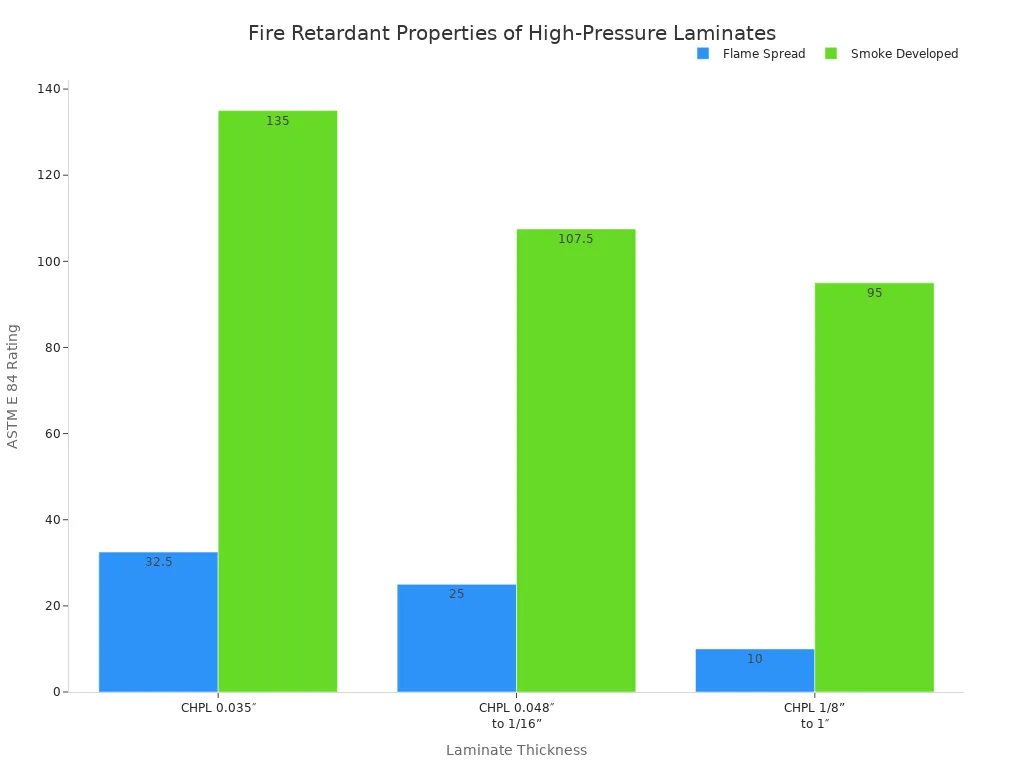
HPL also offers good fire-retardant properties, which adds a layer of safety to your setup. Thicker laminates generally provide better fire resistance.
Laminate is one of the most versatile easy-to-clean materials. It comes in countless colors and patterns, including realistic wood and stone looks.
Glass and Acrylic: The Crystal-Clear Option
You may want maximum visibility for your collectibles. Glass and acrylic offer unmatched clarity. Both materials allow light to pass through, making your items look bright and vibrant. However, acrylic often has a slight edge in light transmission. It also absorbs less light as the material gets thicker.
| Thickness | Acrylic Sheet (Absorption) | Plate Glass (Absorption) |
|---|---|---|
| 0.118" | 0% | 2% |
| 0.236" | 0% | 4% |
| 0.500" | 0% | 8% |
The most important feature for collectibles is UV protection. Sunlight and fluorescent lights can fade colors over time. You can choose museum-grade glass or acrylic to solve this problem. These special materials can block up to 99% of harmful UV rays. This protection keeps your graded cards, figures, and autographs safe from damage.
Matching Materials to Your Collectibles
You need to match your counter material to the specific items you display. Different collectibles have different needs for protection, weight support, and visibility. Choosing the right surface ensures your collection stays safe and looks its best.
Best for Graded Cards and Figures
You want maximum clarity and protection for your graded cards and figures. Glass and acrylic are excellent choices because they offer a crystal-clear view. For ultimate preservation, you should select museum-grade versions of these materials. They can block up to 99% of harmful UV rays, preventing colors from fading over time.
Display Tip: Proper lighting is just as important as your counter. You should always use LED lights because they produce very little UV radiation and heat. Avoid placing your display in direct sunlight to prevent damage.
Best for Sneakers and Boxed Items
Your sneakers and large boxed items can be heavy. You need a surface that can handle the weight without bending or breaking. Quartz is a top performer for heavy displays. Laminate works well for lighter items. You can see how their weight capacities compare below.
| Countertop Type | Static Weight Capacity (Supported Areas) |
|---|---|
| Quartz (3cm) | 200-250 pounds |
| Laminate | 50-100 pounds |
A quartz counter provides uniform strength and can easily support multiple heavy boxes. Laminate is a cost-effective choice but is best for displays with fewer or lighter items.
Best for Pop-Ups and Temporary Setups
You need lightweight and portable options for pop-up shops or trade shows. Heavy materials like stone are not practical for temporary setups. Instead, you can look for counters made with more portable materials.
- Durable MDF (Medium-Density Fiberboard): This material is often used for pop-up counters and is light enough to transport easily.
- Frosted Acrylic: You can use this as a countertop piece that is both lightweight and stylish.
These easy-to-clean materials give you a professional look without the hassle of a permanent installation. They are perfect for creating an impressive display on the go.
Cleaning Tips for Collectibles
You have the perfect counter. Now you need to keep your collectibles looking their best. Proper cleaning techniques will preserve the value and appearance of your items without causing damage.
Action Figures
You can safely clean your action figures with a few simple tools. Regular dusting is important to prevent buildup. For a more thorough clean, you can use a gentle approach.
- Use a soft microfiber cloth for quick dusting and wiping away smudges.
- Use cotton swabs to clean small joints, grooves, and detailed areas.
- For stubborn spots, you can dip a cotton swab in a mix of mild soap and lukewarm water. Gently roll the swab over the dirty area to lift the grime.
Card and Box Packaging
You should handle collectible packaging with great care. The box is often a key part of the item's value. You can use a microfiber cloth lightly dampened with isopropyl alcohol to gently wipe away dirt from glossy surfaces. For matte-finish boxes, you might need a different method.
Tip: Some collectors report success cleaning dusty or moldy matte boxes. You can use a kitchen towel with a small amount of water. The material dries without damage. Always test on a small, hidden spot first.
Trading Cards
You may find minor scratches on your graded card cases or plastic surfaces. Special polish products can help reduce their appearance. You can find products like Novus 2 - Fine Scratch Remover or general plastic buffing kits online. If you decide to polish a case, you must proceed with caution.
- First, wipe the case with a clean cloth to remove any dust.
- Next, apply a small amount of the polish to the plastic surface.
- Use a microfiber cloth to rub the polish in small circles until it dries.
- Finally, use a clean, dry part of the cloth to buff the surface.
🚨 Warning: Polishing a slab or case always carries a risk. You could potentially worsen the scratch or damage the surface. Only attempt this if you are comfortable with the possible outcomes.
Surfaces to Use with Caution
You want the best for your collection. Some materials look great but can cause hidden damage. You should be careful when considering wood and concrete for your display counters. These surfaces have unique issues that can harm your valuable items over time.
The Challenge with Wood
You might love the classic look of wood. However, it is not the safest choice for collectibles. Wood is porous, so it can absorb spills and lead to stains or mold. It also releases natural acids and gases called volatile organic compounds (VOCs). These VOCs can yellow paper, fade inks, and damage plastics over long periods.
You can apply sealants to reduce these risks, but they are not a perfect fix. Liquid sealants only slow down the release of harmful gases; they do not stop it entirely.
- Clear Coatings: You can use shellac as a clear coat. It is a better barrier than acrylics or oils. You should apply at least three coats for better protection.
- Opaque Coatings: You can also use a pigmented shellac-based product. These opaque coatings create a stronger barrier against gas emissions.
Even with sealants, you must accept that wood remains a risky surface for long-term display.
The Problem with Concrete
You may see concrete used for a modern, industrial style. This material presents a serious chemical risk to your collectibles. When concrete gets wet, it can develop a problem called efflorescence.
What is Efflorescence? 🧪 Water dissolves natural salts inside the concrete. As the water evaporates from the surface, it leaves behind a white, powdery salt deposit. This powder is alkaline and can be very damaging.
This white powder can easily transfer to your collectibles, causing permanent stains or chemical burns on boxes and figures. The process can also create a dusty environment that requires constant cleaning. Because of this chemical instability, you should avoid placing valuable items directly on unsealed concrete surfaces.
You can use this quick guide to make your final choice.
- Cards & Figures: Glass or Solid Surface
- Sneakers & Boxes: Quartz or Laminate
You make a key investment in your collection's safety by selecting the right surface. The best easy-to-clean materials offer superior protection and presentation. You should weigh your collection's specific needs against your budget. This helps you make a confident decision for showcasing your prized items.
FAQ
What is the single best material for any collectible?
Your best choice depends on your collection. You should use glass or solid surface for maximum visibility and protection for cards. You can choose quartz for heavy items like sneakers. Laminate offers a great budget-friendly option for lighter displays.
How often should I clean my display counter?
You should dust your counter weekly to prevent buildup. A deeper clean with a recommended cleaning solution is good to do monthly. Clean spills immediately to avoid any potential damage, especially on more sensitive surfaces.
Is UV-protective glass really necessary?
Yes, UV protection is very important for long-term display. Sunlight and indoor lights can fade colors on cards, figures, and packaging. You should choose museum-grade glass or acrylic to block harmful UV rays and preserve your collection's value.
Can I place hot items on my quartz counter?
You should always use a trivet or mat for hot items. While quartz is heat-resistant, sudden and extreme temperature changes can cause thermal shock. This could lead to cracks or discoloration on the surface of your counter.