The Ultimate Guide to Display Anti-Theft Features

Your most effective strategy for 2025 is an integrated security system. Retail theft losses may reach $115 billion, demanding a stronger response. This guide helps you protect high-value assets. You will learn to combine proven mechanical hardware, intelligent electronic alerts, and advanced analytics. These modern anti-theft features secure your products. They also enhance the hands-on customer experience, a crucial factor in driving sales.
Essential Anti-Theft Features: Mechanical Security
Your first line of defense is mechanical security. These physical barriers are the foundation of your display protection strategy. You must choose hardware that secures assets without frustrating customers. A positive hands-on experience is vital for sales.
Physical Tethers and Mounts
You can use physical tethers and mounts to anchor devices. Retractable tethers offer a clean look and allow customers good movement. Coiled tethers provide a clear visual deterrent. You also have choices for mounts. Adhesive mounts are easy to install and remove. Drilled mounts offer maximum security for permanent displays. Your choice depends on your display goals and security needs.
Pro Tip: Always select a tether length that allows customers to comfortably hold and interact with the device as they would at home. A restricted experience can deter a potential sale.
Cut-Resistant Cables
Standard cables are not enough for high-value electronics. You need to invest in truly cut-resistant cables. Top-tier options use materials designed for extreme durability. Look for cables made from:
- Heavy-duty galvanized braided steel with a protective PVC coating.
- Military-grade steel manufactured to aerospace tolerances.
These advanced materials make a quick "snip-and-run" theft nearly impossible, giving your other security systems time to react.
Device-Specific Locking Brackets
A generic bracket may not offer the best protection. You should use locking brackets designed for specific devices. These form-fitting solutions provide a secure grip that is difficult to defeat. Many manufacturers offer brackets for popular models, including:
- Apple iPad
- Samsung Galaxy Tab
- Microsoft Surface Go
- Google Pixel Tablet
For broader needs, adjustable "Gorilla grips" can secure almost any smartphone or tablet, ensuring a tight fit for every device on your display floor. These powerful anti-theft features are essential.
Anti-Sweep Hooks and Lockable Cases
Hanging merchandise is also a target for "grab-and-run" theft. Anti-sweep hooks prevent thieves from clearing an entire peg of products at once. They use clever mechanisms to slow down theft.
| Feature | How It Works |
|---|---|
| Spiral Design | Forces a shopper to turn a knob, dispensing only one item at a time. |
| Audible Click | Creates a noise with each turn, alerting staff to activity. |
| Time-Delay Lockout | Prevents another item from being taken for 6-8 seconds after one is dispensed. |
This system ensures legitimate shoppers can access products while effectively stopping mass theft.
Intelligent Electronic Alarms and EAS
You can elevate your security beyond physical locks with intelligent electronic systems. This layer adds active, real-time monitoring to your displays. It alerts your staff the moment a theft attempt occurs.
Smart Sensor Technology
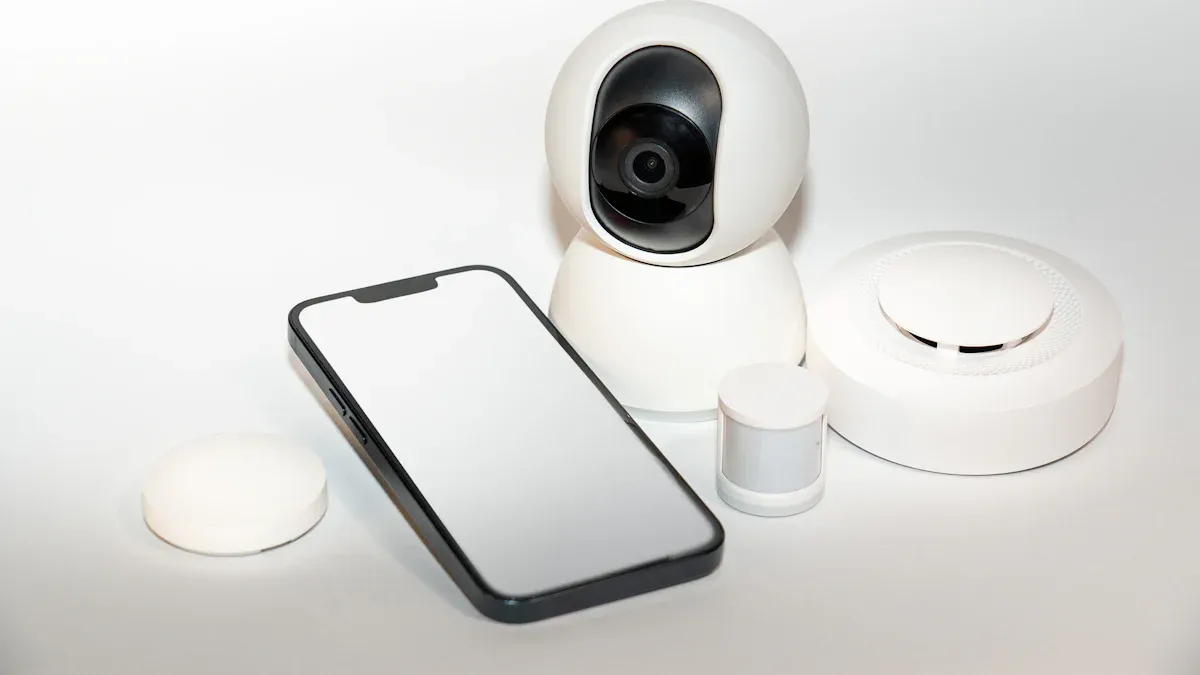
You should deploy smart sensors to understand customer behavior. These sensors use AI to learn the difference between normal interaction and a potential theft. They analyze detailed gestures and vibrations to identify suspicious activity. This proactive approach helps you stop theft before the product leaves the display. Your system can use several sensor types for complete coverage:
- Smart sensors on the device itself
- Motion detection sensors
- RFID inventory trackers
Power and Alarm Integration
A clean display is crucial for a good customer experience. You can achieve this with a single-cable solution for power and security. Modern systems use one cable to charge the device and sound an alarm if it is disconnected. This approach uses Power over Ethernet (PoE) technology. It simplifies installation, reduces visual clutter, and creates a more reliable connection for your devices.
Expert Insight: A single-cable system not only looks better but also has fewer failure points. This means your devices stay powered, and your alarms stay active with less maintenance.
Centralized Alarm Management
Managing individual alarms can be chaotic. You need a centralized system to streamline your response. A central hub or software dashboard shows your staff exactly which device is alarming and why. This allows for a faster, more organized reaction to a potential theft. Your team can quickly identify the location and take appropriate action, improving overall security effectiveness.
EAS Gates and Tag Integration
Electronic Article Surveillance (EAS) provides a final checkpoint at your store's exits. These systems use two main parts. You affix an EAS tag to your merchandise. You then install EAS antennas, or gates, at each exit. If a customer tries to leave with an item that has an active tag, the gates will sound an alarm. These powerful anti-theft features work with different tag technologies, such as Acousto-Magnetic (AM) and Radio Frequency (RF), to protect your inventory.
Advanced AI and Software Security
You can now add a layer of intelligence to your security. This is where you move from reacting to theft to proactively preventing it. Advanced software and AI act as the brain of your entire system. They analyze data from your cameras and sensors to identify threats before they result in a loss. This creates a smart, responsive environment that protects your most valuable assets.
AI-Powered Camera Analytics
Your security cameras can do more than just record events. You can transform them into proactive guards with AI-powered analytics. This software analyzes video feeds in real time. It learns what normal customer behavior looks like. The system then flags activities that suggest a potential theft.
AI is trained to spot specific suspicious patterns, including:
- Loitering for long periods near high-value displays
- Concealment of items in bags or clothing
- Erratic movements or repeatedly checking for staff
- Unusual dwelling patterns in low-traffic areas
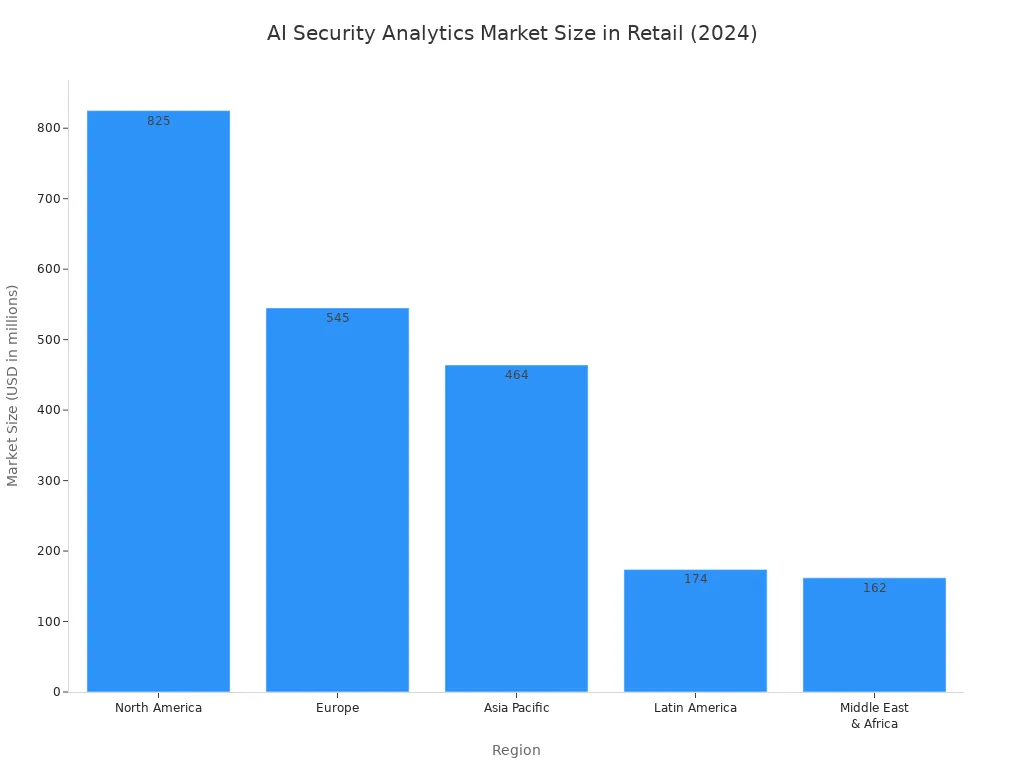
This technology is rapidly becoming a retail standard. The market for AI security analytics is growing fast, driven by the need for smarter loss prevention.
| Metric | 2024 | 2033 | CAGR (2025-2033) |
|---|---|---|---|
| Global Market Size | USD 2.17 billion | USD 10.91 billion | 18.2% |
| North America Market Size | USD 825 million | N/A | 16.7% |
Retailers who adopt this technology see significant results.
Case studies show that edge-AI systems deliver 24/7 threat detection. They are proven to cut shrink by up to 30%. These systems also reduce false alarms to near-zero, so your team only responds to real threats.
RFID for Item-Level Tracking
You need to know where your products are at all times. Radio Frequency Identification (RFID) technology gives you this power. You attach a small RFID tag to each high-value item. Unlike a barcode, you do not need a direct line of sight to scan it. RFID readers can detect hundreds of tags per second from several meters away.
This capability revolutionizes inventory management. Manual counts and barcode systems typically achieve 65-75% accuracy. With an RFID system, you can boost your inventory accuracy to over 95%. This precision eliminates "ghost inventory" and helps you instantly identify a missing item. These advanced anti-theft features provide a real-time map of your merchandise.
Geofencing and Exit Prevention
You can create invisible boundaries within your store using geofencing. This technology uses GPS, Wi-Fi, or RFID readers to establish a virtual perimeter, usually around your exits. It connects directly to your item-level RFID tracking system.
Here is how it creates a smart security net:
- You define a geofence around each store exit.
- An RFID-tagged item enters this virtual zone.
- The system checks if the item has been paid for.
- If the item is not deactivated at checkout, the system triggers an immediate alert.
This alert can notify security personnel, trigger a local alarm, or integrate with your AI cameras to capture an image of the event. It creates a powerful checkpoint that works seamlessly with your EAS gates.
Remote Device Lockdown Software
Sometimes a theft occurs despite your best efforts. In these cases, your priority shifts to data protection. Remote device lockdown software is your final, critical line of defense. It ensures a stolen device becomes a useless brick in the thief's hands.
Using a central management platform, you can:
- Locate the Device: See the last known location of the stolen phone or tablet.
- Lock the Device: Remotely render the device unusable.
- Wipe the Data: Erase all sensitive information to protect your business and your customers. This helps you comply with data protection laws like GDPR.
This capability protects you from data breaches, which can be far more costly than the device itself. You gain peace of mind knowing your company's and customers' data is secure, even if the physical asset is gone.
Display Design and Implementation
Your security system is only as strong as its implementation. You must design your displays to protect assets without creating a poor customer experience. A thoughtful approach to design and training ensures your technology works effectively.
Balancing Security and Experience
You need to find the right balance between security and customer interaction. A display that feels like a fortress will discourage sales. You can create a secure yet inviting environment.
- Tailor security options for specific merchandise.
- Use discreet locks and sensors that do not block interaction.
- Implement alarmed locks that trigger alerts upon tampering.
- Ensure security solutions are user-friendly for both customers and staff.
This approach protects your products while allowing customers to fully experience them.
Minimizing Visual Clutter
A clean, minimalist display helps your products stand out. You should integrate security measures so they blend seamlessly with your store's aesthetic. Cluttered wires and bulky brackets distract customers and cheapen the look of high-value items. A single-cable solution for power and security is an excellent way to reduce visual noise. Your goal is to make the product the hero, not the security device.
Proper Installation Techniques
Improper installation can create vulnerabilities. You must follow manufacturer guidelines precisely to ensure your anti-theft features function correctly. Loose brackets, poorly placed sensors, or tangled tethers can lead to false alarms or easy thefts. A professional installation guarantees that every component works as intended, giving you reliable protection and peace of mind.
Staff Training and Response Protocols
Your staff is your most active security asset. You must train your team to be vigilant and responsive. Effective training builds a culture of loss prevention. Educate employees on how to spot suspicious activity and what to do when an alarm sounds.
Training Tip: Use role-playing scenarios to simulate theft attempts. This helps employees practice their responses in a controlled setting, building their confidence for real situations.
Regularly update your team on new theft techniques and security protocols. When your staff feels empowered and prepared, they become a powerful deterrent to theft.
Your security strategy for 2025 requires a layered approach. You must integrate mechanical hardware, electronic alarms, and AI-driven software. This modern system is proven to reduce theft and protect your profits.
Businesses upgrading to integrated security systems see an average return on investment (ROI) of 200% within three years.
Now is the time to act. You should perform a risk assessment of your current displays. Create an actionable plan to adopt a holistic strategy. Secure your assets without sacrificing the customer experience.
FAQ
What is the best anti-theft device?
The best strategy is not a single device. You should use a layered system. Combine physical locks, smart alarms, and AI software. This integrated approach provides the most effective protection for your high-value merchandise and prevents losses.
How much does an integrated security system cost?
Costs vary based on your store's size and needs. You can start with foundational elements and scale up. Many businesses see a significant return on investment from reduced theft, making it a profitable upgrade for your store.
Will strong security scare away customers?
No, not with modern solutions. You can choose discreet hardware like single-cable tethers and hidden sensors. A clean, professional display enhances the customer experience. It allows safe interaction while securing the product, which builds trust and drives sales.
How do I start upgrading my store's security?
You should begin with a risk assessment. Identify your most vulnerable products and display areas. Then, consult with a security expert. They can help you design a phased plan that fits your budget and specific security requirements.