Protecting Figures with Anti-Theft Features

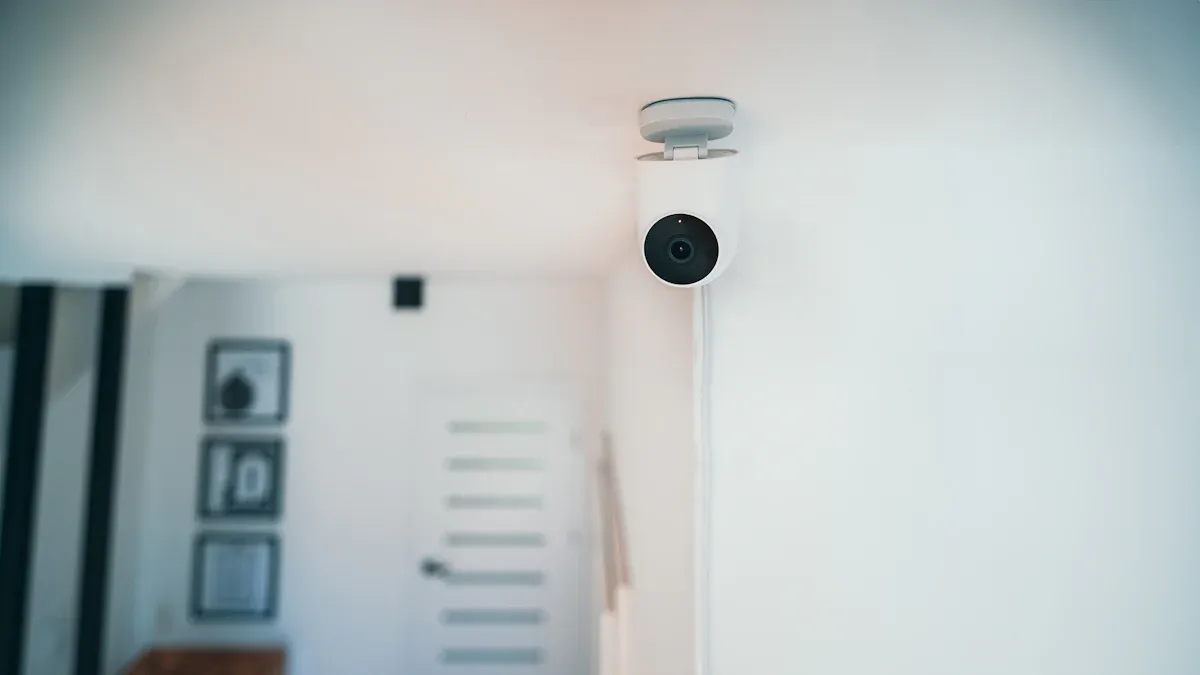
You want to display your valuable collectible figures beautifully. You also need to protect them from theft. This presents a unique challenge for any retailer or collector. A single lock or alarm is rarely enough to stop a determined thief.
Effective protection is not about a single solution. It is a layered strategy. The best anti-theft features combine physical hardware, new technology, and smart design to create a secure yet inviting space for customers.
Foundational Physical Security
Your first line of defense against theft is always physical. Before you consider alarms or cameras, you must secure the figures themselves. Strong physical barriers stop casual thieves and slow down determined ones. These foundational anti-theft features create a tough obstacle that makes stealing your products difficult and risky.
Lockable Cases and Reinforced Doors
You display your most valuable figures in cases for a reason. Those cases must be secure. A simple latch is not enough. You need robust, tamper-resistant locks.
Choose Keyed Locks: Use locks that require a specific key. Avoid simple latches or magnetic locks that are easy to bypass.
Inspect the Doors: The door of a display case is its weakest point. Ensure the hinges are strong and internal. The door should fit snugly into the frame, leaving no gaps for tools.
Secure the Case Itself: A thief could steal the entire case. You should bolt smaller display cases to a counter or wall to prevent this.
Tip: Control key access carefully. Only trusted staff members should have keys to high-value display cases. Keep a log of who has keys and when they are used.
Advanced Glazing and Materials
The clear panels of your display case are its largest surface. Standard glass or cheap acrylic can be broken quickly. You should invest in advanced materials, often called security glazing, to protect your merchandise.
Polycarbonate is a popular choice. It is a type of plastic that is much stronger than glass. It resists shattering from blunt force. While it can cost more upfront, its durability often makes it a better long-term investment.
Material | Upfront Cost | Long-Term Value |
|---|---|---|
Polycarbonate | Higher than standard glass | Excellent (resists breakage, lower replacement costs) |
Laminated Glass | Highest (2-3x polycarbonate) | Very Good (multiple layers offer high security) |
Security glazing comes with ratings that tell you how tough it is. These ratings come from standardized tests. For example, some tests involve dropping a heavy steel ball (UL 972) or even striking the material with an axe (EN 356) to see if it breaks. Materials with higher ratings, like P8B, can withstand over 70 strikes from a hammer and axe. Choosing a product with a certified security rating gives you proven protection against a forced entry attempt.
Tethers and Anti-Sweep Hooks
Many figures hang on pegboard hooks. This display method makes them vulnerable to a "sweep," where a thief quickly slides all the products off a hook and into a bag. You can prevent this with special hardware.
Anti-Sweep Hooks: These hooks have a special design, like a small hump or an upward curve at the end. This feature forces a customer to lift each item off the hook one at a time. It makes a fast sweep impossible.
Spiral Hooks: This is a more advanced design. Products sit on a spiral. A customer must turn a knob to dispense one item. Some spiral hooks even make a clicking sound or have a time-delay lockout, which prevents another item from being taken for several seconds.
Security Tethers: For larger, boxed figures that sit on a shelf, you can use security tethers. These are strong cables that attach the product box to the shelf. Customers can pick up and examine the item, but they cannot walk away with it.
Using these physical tools makes your open displays much more secure. They allow customers to interact with products while stopping mass theft in its tracks.
Tech-Driven Anti-Theft Features
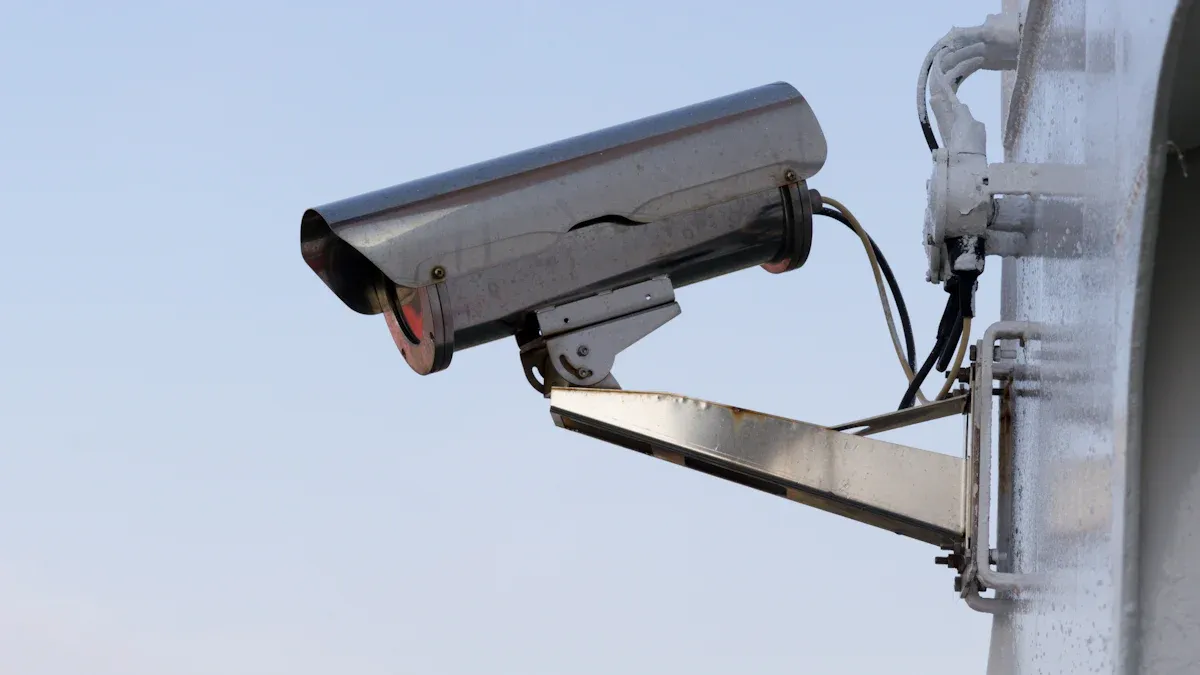
Physical barriers are essential, but technology gives you an intelligent advantage. Modern tech-driven anti-theft features work 24/7 to monitor your inventory, watch for suspicious activity, and alert you to problems in real time. You can layer these systems over your physical security to create a truly powerful defense.
RFID for Inventory and Theft Tracking
Imagine knowing where every single figure is at all times. Radio-Frequency Identification (RFID) technology makes this possible. You place a small RFID tag on each product. These tags are like tiny, unique license plates for your merchandise.
An RFID system uses readers to scan these tags. You can use a handheld scanner for quick inventory counts or install readers around your store. The system logs the location of every item. If an item with an active tag passes through an exit without being deactivated at checkout, an alarm sounds. This gives you precise, item-level security that goes beyond general alarms.
Pro Tip: RFID does more than just stop theft. It revolutionizes your inventory management. You can count your entire stock in minutes instead of hours. This accuracy helps you understand what's selling, what's missing, and when to reorder.
AI Smart Cameras for Real-Time Alerts
Your security cameras can do more than just record video. Artificial Intelligence (AI) transforms them into smart guards that actively watch for trouble. AI-powered systems analyze video feeds in real time and identify suspicious behaviors that a human might miss.
These smart cameras can be trained to detect specific threats. For example, they can spot:
Loitering: Systems from companies like Alpha Vision and Milesight can alert you if someone is lingering too long near a high-value display. Spot AI even lets you define specific zones and time limits for these alerts.
Bulk Grabbing: AI can recognize when someone sweeps multiple items off a shelf at once. Some systems, like Hikvision's, can even detect unscanned items at a self-checkout station.
Suspicious Patterns: Dahua's technology can track customer density and follow suspicious individuals with linked cameras. This helps you identify coordinated theft attempts.
AI has proven its effectiveness in the real world.
A major retailer used AI video analytics to stop internal theft. The system analyzed footage and transaction data. It learned to spot patterns of refund fraud, like an employee processing a return with no customer present.
An Asian food company used AI and computer vision to stop theft during shipping. The technology gave them complete control over their supply chain, preventing products from disappearing in transit.
By using AI, you get proactive alerts that allow you to intervene before a theft occurs.
Display Case and Exit Gate Alarms
Alarms are a classic security tool, but modern versions are smarter and more effective. You can use them on individual cases and at your store's exits to create a comprehensive alert system.
For your most valuable figures, you need alarms directly on the display cases. Modern sensors are incredibly discreet.
You can install wireless alarm sensors, like those from Fortecho Lite, that are completely hidden from view.
These systems provide continuous 24/7 monitoring, even when your main building alarm is off.
Because they are wireless, you can conceal the receivers in ceilings, floors, or furniture, preserving the clean look of your displays.
At your store's entrance, Electronic Article Surveillance (EAS) gates provide the final layer of protection. Modern EAS systems are very good at avoiding false alarms. They often use a dual detection system, combining two technologies like Acousto-Magnetic (AM) and Radio-Frequency (RF) for better accuracy. You can also adjust their sensitivity to match your store's environment.
To get the most from your EAS system, you should:
Position Tags Correctly: Work with your staff to ensure security tags are placed on items consistently.
Train Your Team: Teach employees the right way to apply and deactivate tags to prevent errors.
Assess Your Environment: Identify and move sources of electronic interference, like certain displays or metal fixtures, that could cause false alarms.
Strategic Display and Store Design

Your store's layout is one of your most powerful, yet subtle, anti-theft features. A smart design makes your store feel open and welcoming to customers but uncomfortable for thieves. You can deter theft simply by how you arrange your displays and lighting, creating an environment where criminals feel watched. This approach balances strong security with a positive shopping experience.
Optimizing Sightlines and Placement
Thieves look for hiding spots. Your goal is to eliminate them. You can achieve this through a principle called natural surveillance. This means designing your space so that employees and customers can easily see everything happening in the store.
Keep Displays Low: Use shelves that are five feet tall or shorter. This allows you to see over the aisles.
Ensure Clear Views: Remove large signs or posters from your front windows. A clear view into and out of the store discourages theft.
Use Strategic Lighting: Good lighting removes dark corners. You can layer different types of light to guide customer attention and improve visibility.
Purpose | How to Use It | |
|---|---|---|
Ambient | General store lighting | Provides overall brightness so there are no shadows. |
Task | Focused lighting | Illuminates checkout counters and service desks. |
Accent | Draws attention to your most valuable figures. |
Layering Security for High-Value Items
Not every figure requires a locked case. You should match the security level to the item's value. This tiered strategy focuses your resources where they are needed most.
Low-Value Items: Place these on open displays or standard peg hooks. General staff presence is often enough protection.
Mid-Value Items: Use anti-sweep hooks or security tethers. These allow customers to handle the product but prevent someone from grabbing many items at once.
High-Value Items: These belong in locked cases. You should layer this physical security with other measures. Position a dedicated camera on the case and place it near the checkout counter where staff are always present.
This layered approach ensures that if one security measure fails, another is there to protect your merchandise.
Balancing Security and Customer Access
Locked cases are effective, but they can create a barrier for honest customers. You need to make it easy for shoppers to get help. A "call for assistance" button is an excellent solution. You can install these simple, wireless buttons on your locked displays.
When a customer presses the button, it sends a message directly to an employee's two-way radio or headset. Staff can respond quickly without the customer having to search for help. This system keeps your figures secure while improving customer service, which helps you make more sales.
Implementation and Best Practices
You have the hardware and the technology. Now you must put it all into practice. The best anti-theft features will fail without proper implementation and regular maintenance. Your daily procedures and staff actions are what make your security strategy work.
Staff Training as a First Defense
Your employees are your most important security asset. You must train them to be your first line of defense. A well-trained team understands how theft hurts the business and their jobs. They also know how to operate security systems correctly.
Focus your training on proactive customer service.
Engage Every Customer: Teach your staff to greet everyone who enters the store. A simple "hello" and a smile make thieves feel seen. This friendly engagement often creates a sense of guilt and discourages theft.
Offer Assistance: When an employee politely asks, "Can I help you find anything?" it signals attentiveness. This simple act can stop a potential theft before it happens.
Know When to Back Off: Train your team to never physically confront a suspected thief. This can be dangerous for staff and customers. Instead, they should use polite, direct language, like asking if the person wants to pay for an item they pocketed.
Your goal is to create a welcoming environment for customers and an uncomfortable one for thieves. Good customer service achieves both.
Using Signage as a Deterrent
Signs are a simple but powerful psychological tool. Studies show that a majority of thieves will avoid a location if they see evidence of a security system. You should use clear, professional signs to announce your security measures.
Place signs in highly visible locations. Put them at all entry points, near high-value displays, and at the checkout counter. The wording should be direct and professional. Phrases like "24-Hour Video Surveillance" or "This Area is Monitored" are very effective. Keeping your signs new and clean suggests your security system is also up-to-date. These notices not only deter crime but also help you meet legal requirements for surveillance.
Regular Security System Audits
Your security systems need regular check-ups, just like any other equipment. You should perform a security audit at least twice a year. An audit is a planned review to make sure everything is working and your policies are being followed.
Create a simple checklist for your audit. It should include:
System Checks: Test all cameras, alarms, and EAS gates.
Procedure Review: Verify that staff follow key control and cash handling rules.
Physical Security: Inspect locks, cases, and lighting.
High-Value Areas: Assess the security around your most expensive figures.
Regular audits help you find and fix weaknesses before they can be exploited. They ensure your security investment continues to protect your valuable merchandise.
You can protect your valuable figures by combining three key strategies. Use strong physical hardware, smart technology, and a strategic store layout. Relying on a single method is not enough. A layered approach is the most effective way to stop theft. Retailers who combine security measures see theft incidents drop by as much as 30%.
Now is the time to act. Review your current security. Choose one new strategy from this guide to implement today. Better protection for your collection starts now.
FAQ
What is the best first step to improve security?
You should start with foundational physical security. Secure your display cases with strong locks and reinforced materials. These physical barriers are your most important first line of defense. They stop casual thieves and make your store a harder target.
Do I need expensive AI cameras for my small shop?
Not always. You can start with simpler, effective measures. Use anti-sweep hooks and train your staff on customer engagement. You can add advanced tech like AI cameras later as your business grows and your security needs change.
How can I let customers see figures without risking theft?
You can use security tethers on open shelves. These let customers pick up and examine items. For locked cases, install a "call for assistance" button. This system provides quick staff help while keeping your merchandise secure.
How often should I train my staff on security?
You should conduct security training regularly. Hold initial training for all new hires. Then, you can provide refresher training sessions at least twice a year. This keeps your team's skills sharp and reinforces your security policies.