Designer’s Guide to Coffee Table Selection Made Easy

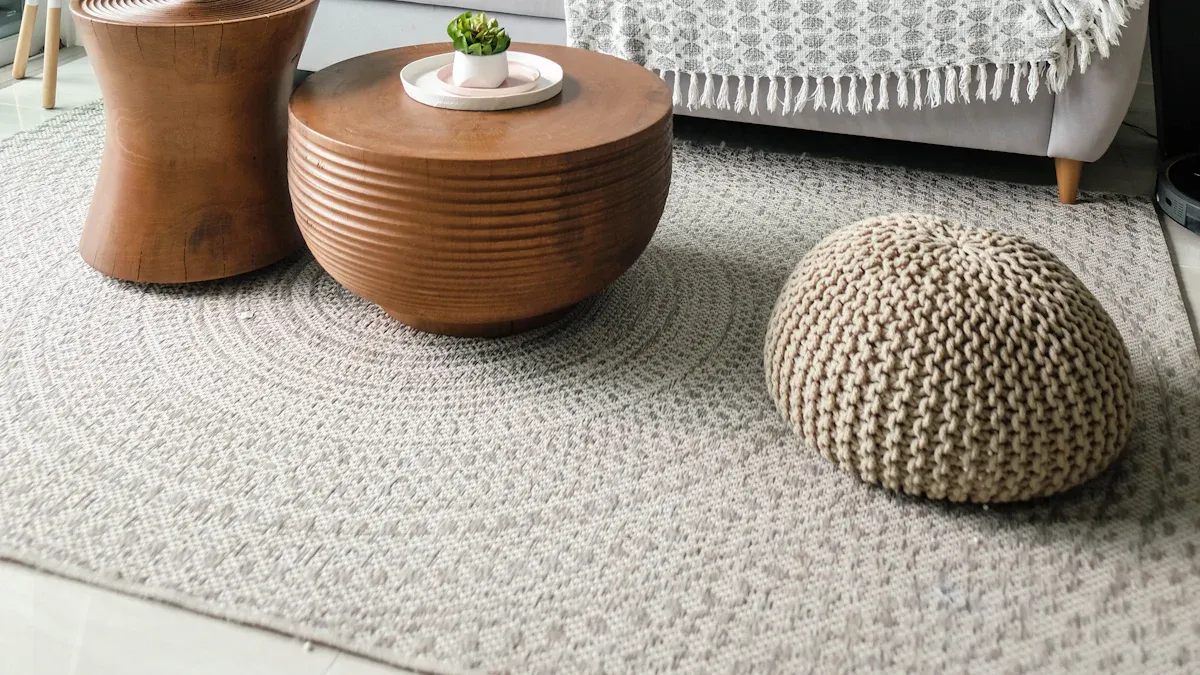
A designer’s guide makes it easy to select a coffee table for any living space. Size, shape, material, function, and style all play important roles in choosing the right one. Designers often recommend glass for its ability to create an open feeling in the living room. Furniture choices like a glass table add both elegance and practicality. Good design transforms the look of living areas, and the right coffee table becomes the centerpiece of any furniture collection.
Coffee Table Buying Guide
Sizing Tips
Selecting the right coffee table size is the first step in the coffee table buying guide. Designers recommend measuring both the room and the sofa before buying a coffee table. This ensures the table fits well and does not disrupt the flow of the space. The most popular coffee table size usually follows the 2/3 rule. This means the coffee table should be about two-thirds the length of the sofa. For example, if the sofa is 84 inches long, the table should be close to 56 inches. This proportion creates balance and keeps the seating area comfortable.
The height of the coffee table also matters. The ideal coffee table should match the height of the sofa seat or be up to two inches lower. Most coffee tables range from 16 to 18 inches tall, which fits most sofas. This height allows people to reach the table easily while sitting. The depth of the table should also fit the room, leaving enough space to walk around. A distance of 12 to 18 inches between the sofa and the table is best for comfort and movement.
Tip: Always measure the sofa and the room before choosing a coffee table size. This helps avoid common mistakes and ensures the table fits perfectly.
Proportion Rules
Proportion rules help create a balanced look in the living room. The coffee table buying guide highlights the 2/3 rule as a key guideline. This rule is popular because it anchors the seating area without making the table too large or too small. Some designers allow a range between two-thirds and three-quarters of the sofa length for flexibility. The table should also be at a similar height to the sofa seat for comfort.
Here is a quick reference for popular coffee table size guidelines:
Dimension Aspect | Recommendation |
|---|---|
Coffee Table Height | Same height or 1-2 inches shorter than sofa cushion height (16-18 inches for most tables) |
Coffee Table Length | About two-thirds the length of the sofa (e.g., 84-inch sofa → ~56-inch table) |
Coffee Table Placement | 12-18 inches away from the sofa for easy access and good room flow |
Common mistakes in buying a coffee table include picking the wrong size, which can block movement or look out of place. People sometimes forget to measure the room or sofa, leading to a table that does not fit. Following these simple rules helps avoid these issues and leads to a more comfortable and stylish living space.
How to Choose a Coffee Table Shape
Room Layouts
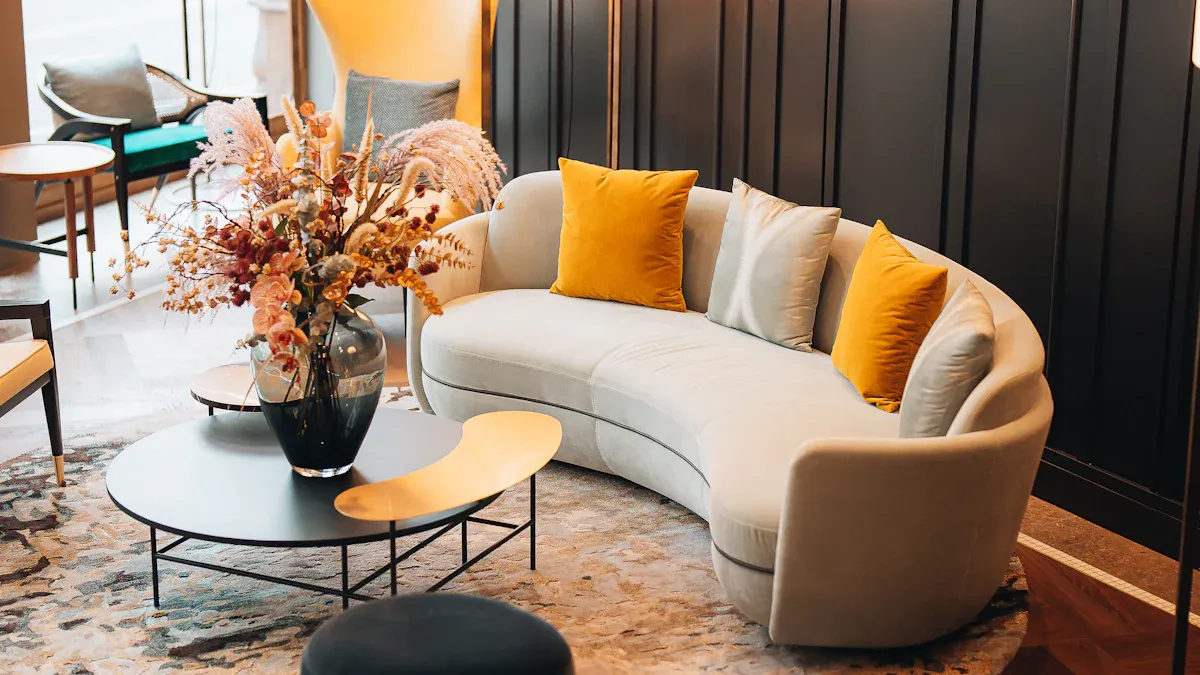
Selecting the right coffee table shape depends on the living room layout and seating arrangement. Designers often start by assessing the room’s size and the flow of movement. In small living rooms, round or oval tables work best. These shapes have no sharp corners, making them safer and easier to navigate. They also help create a sense of openness and allow for smooth placement between furniture pieces. For larger living spaces, square or rectangular tables provide more surface area and anchor the room visually. These shapes fit well with sectionals or long sofas, offering plenty of space for drinks, books, or décor.
Tip: Always leave at least 12 to 18 inches between the coffee table and surrounding seating. This spacing ensures comfortable movement and easy access.
Shape Options
Understanding the types of coffee tables available helps narrow down the best choice for any living area. The most popular shapes include round, square, rectangular, oval, and even irregular designs. Each shape offers unique benefits:
Coffee Table Shape | Best Room Layouts & Seating | Key Features |
|---|---|---|
Round | Small rooms, U-shaped sofas | Easy movement, communal feel, safe edges |
Rectangular | Long rooms, L-shaped sofas | Versatile, large surface, classic look |
Square | Large sectionals, open plans | Defines zones, balanced access |
Oval | Family rooms, long sofas | Smooth flow, elegant, safe for children |
Irregular | Awkward spaces | Flexible, modern, fills odd corners |
Designers recommend matching the table shape to the seating. For example, round tables soften the angles of sectionals, while rectangular tables align with standard sofas. Placement matters, too. In a living room with a U-shaped sofa, a large round or square table allows everyone to reach the surface. For smaller rooms, a compact round table keeps the space open and easy to move through. Knowing how to choose a coffee table shape ensures both style and function in any living area.
Glass Coffee Table & Acrylic Comparison
Material Pros and Cons
Choosing between a glass coffee table and an acrylic table starts with understanding the unique properties of each material. The best type of glass for a coffee table is tempered or laminated glass. Tempered glass resists scratches and maintains clarity over time. Laminated glass holds together if broken, adding safety. Both types of glass coffee tables offer a hard surface that stands up well to daily use, but even tempered glass can shatter if hit hard.
Acrylic tables provide a lightweight and shatter-resistant alternative. Acrylic resists impact better than glass, making it less likely to break. However, acrylic scratches more easily. Many scratches can be polished out, but the surface needs gentle care. Acrylic tables often require a thickness of at least 15mm to ensure stability and support. Both glass and acrylic tables need regular cleaning, but the methods differ. Glass coffee tables need ammonia-free cleaners and microfiber cloths to avoid streaks and water spots. Acrylic tables need mild soap and soft cloths, and owners should avoid abrasive cleaners.
Aspect | Glass Coffee Tables | Acrylic Coffee Tables |
|---|---|---|
Durability | High scratch resistance; can shatter on impact | Shatter-resistant; scratches more easily but repairable |
Maintenance | Needs glass cleaner, careful handling | Needs mild soap, soft cloth, anti-static products |
Scratch Repair | Minor scratches can be polished; deep damage is costly | Scratches often buffed out; deep scratches need restoration |
Safety | Can shatter into sharp pieces | Safer for kids and pets; less likely to break |
Tip: Mind the material when choosing a coffee table. Glass offers clarity and scratch resistance, while acrylic provides safety and ease of handling.
Lifestyle Suitability
A glass coffee table brings a sleek, modern look to any living room. The transparency of glass creates an open, airy feel, making small spaces appear larger. Design experts often recommend glass for its ability to let light flow through the room. This effect helps the table blend into the background, giving the illusion of more space. Glass coffee tables work well in contemporary homes and with minimalist decor.
"Glass coffee tables offer a sleek, modern look and create an illusion of more space by allowing unobstructed views through their transparent tops. Their minimalist design helps increase the perception of light and openness in a room, making them a popular choice for contemporary small living areas."
Acrylic tables also create an open look. They are lighter than glass and easy to move. Acrylic tables are a smart choice for homes with children or pets. The material resists shattering and often features rounded edges for added safety. Pediatricians advise against glass furniture in homes with toddlers, highlighting the safety benefits of acrylic. Acrylic tables are less likely to cause injury if bumped or knocked over. For families, acrylic offers peace of mind without sacrificing style.
"Design experts recommend choosing glass or acrylic coffee tables over solid wood ones because their transparency serves a dual purpose: they provide a functional surface while opening up the visual field, which makes small rooms appear larger. Additionally, these materials look more expensive when kept tidy and clean, enhancing the aesthetic of compact spaces."
Both glass and acrylic tables require attention to placement. Glass tables need careful handling and should be kept away from high-traffic areas to prevent accidents. Using coasters and pads protects the glass surface and keeps it looking new. Acrylic tables attract dust due to static electricity, so anti-static products help maintain their appearance.
Frame materials also affect the style and stability of both types of tables. Glass coffee tables often use wood, metal, or plastic frames. Wood frames add warmth and stability, while metal frames give a modern, industrial look. Acrylic tables sometimes combine with wood or metal for added strength and visual interest. Rounded or beveled edges on both glass and acrylic tables improve safety and enhance the design.
Acrylic tables need a thickness of at least 15mm for stability.
Acrylic is lightweight but stable, making it easy to move.
Combining acrylic with wood or metal frames adds style and strength.
Glass coffee tables use wood or metal frames for durability and support.
"Design experts suggest opting for coffee tables with slender legs or transparent acrylic bases to allow light to flow through, creating a sense of airiness. Such tables can virtually disappear visually, helping small living rooms feel more open and spacious."
When considering cost, acrylic coffee tables often provide better long-term value. They resist damage and last longer, making them a cost-effective choice for busy households. Glass coffee tables may cost more to maintain if scratches or chips occur.
There are many types of glass coffee tables, each offering different looks and features. Some have metal frames for a modern touch, while others use wood for a classic feel. The choice depends on the room’s style and the user’s needs.
Designer’s Guide to Functionality
Storage
A designer’s guide always highlights the importance of storage in coffee table selection. Many modern tables include built-in storage compartments, drawers, or open shelves. These features help keep living rooms organized and clutter-free. Some tables offer hidden storage, perfect for stashing remote controls, magazines, or board games. Others use secret drawers or cabinets to maximize space without adding bulk. Storage benches and ottoman-style tables also provide extra seating while hiding everyday items.
Popular strategies for maximizing storage include using stackable containers that match the room’s decor and repurposing decorative baskets or vintage suitcases. Choosing a coffee table with built-in storage ensures that every inch of space serves a purpose. This approach keeps the area tidy and supports a clean, modern look.
Tip: Think function first. Select a coffee table that combines storage and style to meet daily needs.
Multi-Use Tables
Coffee table functionality has evolved to meet the demands of small and dynamic living spaces. Multi-use tables, such as lift-top and nesting designs, offer flexible solutions. Lift-top tables feature hidden storage and an elevated surface for working or dining. Nesting tables provide multiple surfaces that stack together or spread out as needed. Both types help maximize space and adapt to different activities.
Feature/Aspect | Lift-Top Coffee Tables | Nesting Coffee Tables |
|---|---|---|
Primary Functionality | Hidden storage and elevated surface for eating, working, or storing items | Multiple tables that stack or spread out for flexible use |
Space-Saving Benefit | Combines storage and multifunctional surface in one piece | Flexible arrangement and easy to expand or compact |
Design Trends (2025) | Hydraulic systems, soft-close features, minimalist finishes | Mixed materials for style and practicality |
Ideal Use Case | Compact rooms needing multifunctional surfaces and clutter control | Small rooms requiring adaptable arrangements |
Style Element | Sleek, minimalist finishes | Stylish layering with varying heights |
Other popular multi-use features include modular configurations, casters for easy movement, and durable materials like kiln-dried or reclaimed wood. Adjustable height tables, sliding tabletops, and folding structures also enhance function. These options allow homeowners to rearrange furniture quickly and adapt to changing needs.
A designer’s guide recommends matching table features to lifestyle and organizational needs. By focusing on function, homeowners can select a coffee table that supports both daily routines and special occasions.
Style & Coordination
Matching Decor
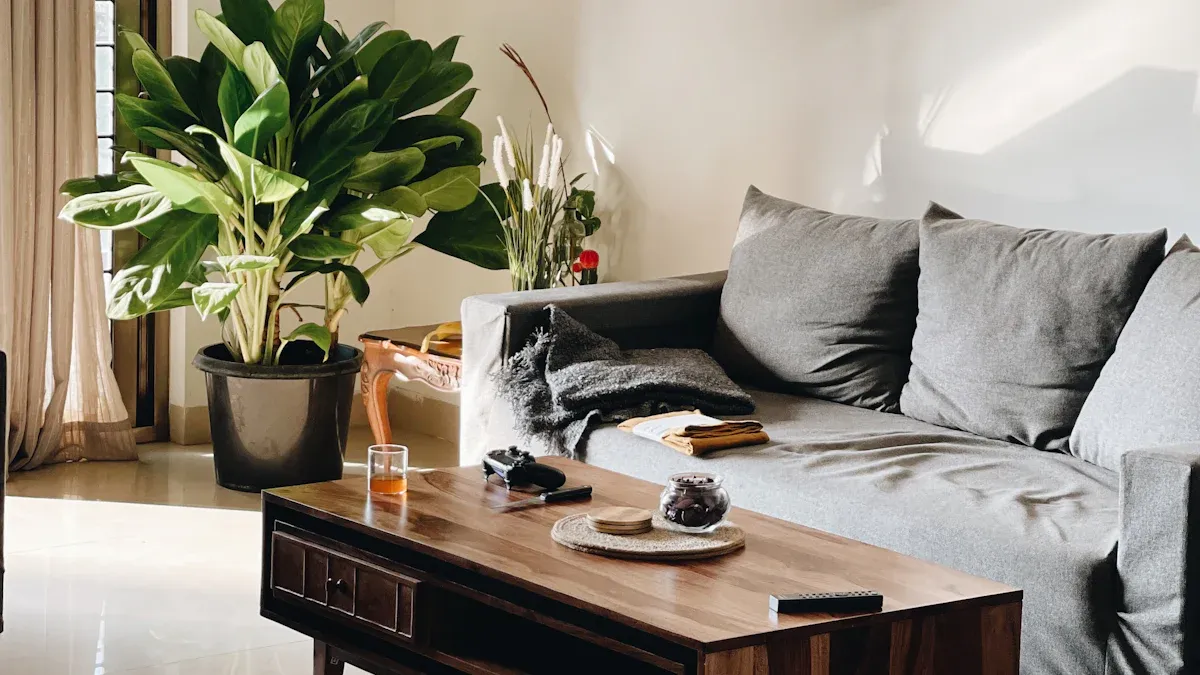
A well-chosen coffee table can unify a living space and elevate its overall aesthetic. Designers recommend selecting a table style and material that complement the room’s existing design. For example, a glass coffee table works well in both modern and traditional interiors, adding sophistication and allowing light to flow through the living area. Matching the color palette or shape of the table with other furniture creates a cohesive look.
Coordinate colors and themes for harmony.
Layer different heights, textures, and colors for visual interest.
Use accessories like books, trays, or plants to anchor the table and reflect personal style.
Modern coffee tables with clear acrylic or glass tops enhance the sense of openness. Their transparency allows rugs or hardwood floors to remain visible, adding style without clutter. These tables amplify light, making small or dark living rooms feel brighter and more spacious. Glass surfaces are also durable and easy to clean, which suits busy households.
Tip: Position drawers facing the sofa for convenient storage access, and use trays to organize items while maintaining a stylish look.
Mixing Styles
Mixing coffee table styles with existing decor requires balance and attention to detail. Designers caution against matching every piece too uniformly, which can make a living room feel impersonal. Instead, they suggest blending different materials and shapes for a curated, inviting atmosphere. For example, pairing a glass coffee table with a rustic sofa introduces contrast and depth.
Popular modern coffee tables include waterfall acrylic designs and metal-framed glass tables. The waterfall acrylic table features a smooth, continuous U-shape, rounded edges, and a lightweight yet durable build. This design enhances room brightness and spaciousness, fitting seamlessly into modern interiors. Metal-framed glass tables showcase the base as a focal point, adding industrial flair and supporting a variety of design themes.
Style | Key Features |
|---|---|
Waterfall Acrylic | Minimalist, U-shape, clear acrylic, rounded edges, enhances openness |
Metal-Framed Glass | Modern, showcases base, durable, fits industrial and contemporary aesthetics |
When mixing styles, avoid common mistakes such as using outdated designs, overcrowding the table with decor, or neglecting texture variety. Instead, arrange decorative objects in groups of varying sizes, incorporate greenery, and balance the scale of accessories. Modern coffee tables like Scandinavian, mid-century modern, and Japandi styles remain popular for their clean lines and timeless appeal. These choices help create a living space that feels both stylish and functional.
Selecting the ideal coffee table involves five essential steps: size, shape, material, function, and style. Experts advise measuring the living room and sofa, considering traffic flow, and visualizing placement with tape. The right table anchors the living space, balances proportions, and adds both utility and beauty. Every living area benefits from a table that fits its needs and style. Trusting personal taste and following these guidelines ensures the living room feels both welcoming and elevated.
FAQ
What is the best way to clean a glass coffee table?
Use a microfiber cloth and ammonia-free glass cleaner. Wipe in circular motions to avoid streaks. For tough spots, apply a small amount of cleaner directly to the area. Avoid abrasive pads, which can scratch the surface.
How much space should be left around a coffee table?
Designers recommend leaving 12 to 18 inches between the coffee table and surrounding seating. This space allows for easy movement and comfortable access to the table from any seat.
Are round coffee tables safer for homes with children?
Yes. Round coffee tables have no sharp corners, reducing the risk of injury. Many families choose round or oval tables for added safety in homes with young children or pets.
Can a coffee table be used for storage?
Many coffee tables offer built-in storage options. Look for tables with shelves, drawers, or lift-top designs. These features help keep living rooms organized and clutter-free.