Your Guide to a Custom Acrylic Display Manufacturer

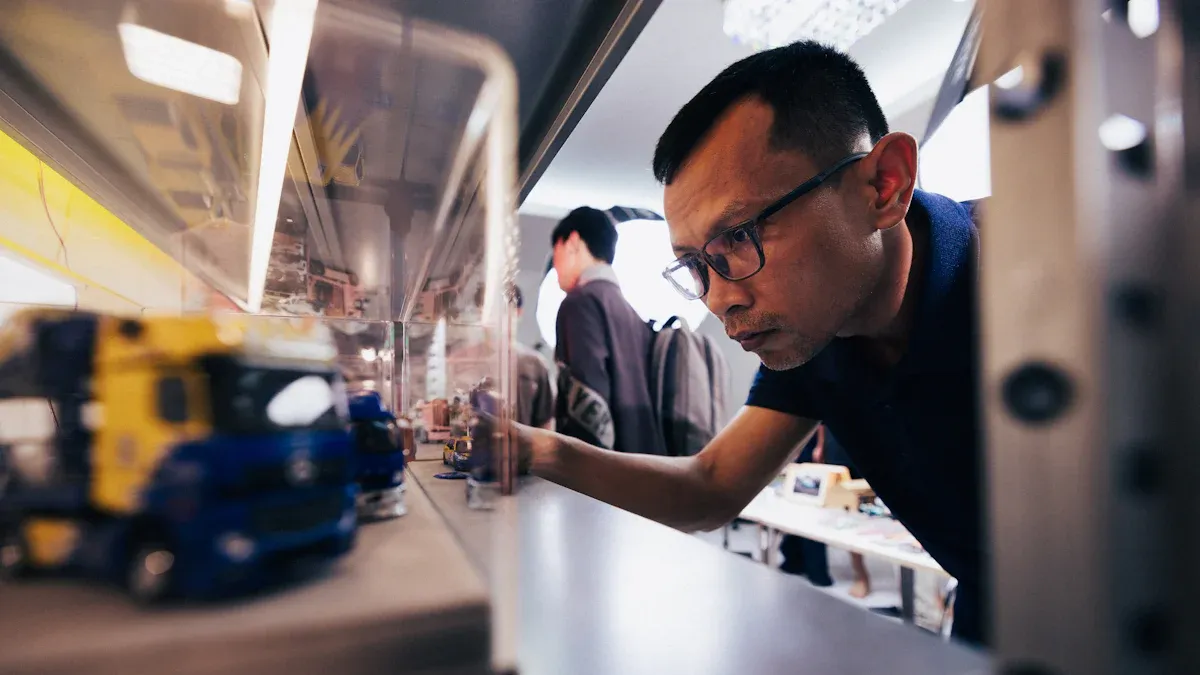
You are sourcing displays in a growing global market. Finding the right custom acrylic display manufacturer requires clear data. You can get answers to your most important questions upfront.
- Minimum Order Quantity (MOQ): You can order a single prototype. Production runs require higher quantities.
- Lead Times: Expect samples in 3-7 days. Bulk orders take 15-40 days. Rush options are available.
- Pricing: Simple items often start in the $12-$30 range. Cost depends on design, size, and quantity.
Understanding MOQ for Custom Displays
You will encounter the term Minimum Order Quantity (MOQ) when sourcing displays. This number is the smallest order a manufacturer will accept. Understanding why it exists helps you navigate the production process and find the right partner for your project.
Why Manufacturers Have MOQs
Manufacturers set MOQs to make production efficient and affordable. Every production run has fixed costs. These costs do not change whether you order 10 units or 1,000. Spreading these initial expenses over a larger number of displays lowers the price of each individual item.
Key factors contributing to MOQs include:
- Machine Setup: Calibrating machinery, preparing printing plates for logos, and installing tooling for specific shapes takes significant time and labor.
- Material Sourcing: Acrylic suppliers often require manufacturers to buy raw materials in large sheets or bulk quantities.
- Production Efficiency: Larger batches maximize the use of machinery and labor. This reduces waste and minimizes the downtime needed for frequent production line changes.
An MOQ ensures the production run is large enough to cover these costs while offering you a competitive per-unit price.
Sourcing Low and No-MOQ Options
What if you only need a few displays for a prototype or a small event? You can find partners for these projects. Some companies specialize in smaller orders and advertise low-MOQ services. A custom acrylic display manufacturer focused on prototyping or small-batch runs can be an ideal partner. They have processes optimized for these exact needs.
Note: When you order below a typical production quantity, expect the per-unit cost to be higher. This is because the fixed setup costs are divided among fewer items. For a single prototype, you are covering the entire setup cost in one price. Clear communication about your needs will help you get an accurate quote for any quantity.
Navigating Production Lead Times
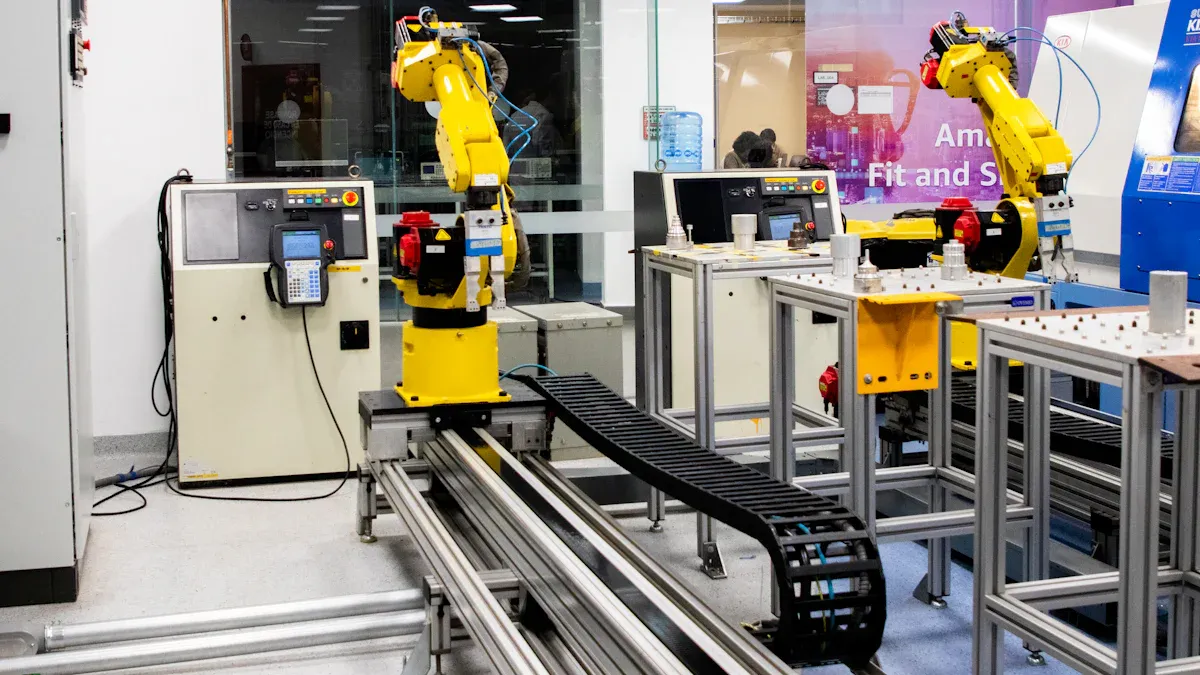
Your project timeline is a critical factor in sourcing. Lead time is the total time from placing your order to receiving your finished displays. Understanding the standard production schedule helps you plan effectively. Knowing how to shorten this timeline gives you an advantage when deadlines are tight.
The Standard Production Timeline
A typical project with a custom acrylic display manufacturer follows a multi-stage process. Each stage has its own timeline. Planning for each step prevents unexpected delays.
- Design & Approval (1-2 Days): You will work with the manufacturer's design team to finalize your concept. This stage involves creating technical drawings and digital mockups. Your prompt feedback is key to moving forward quickly.
- Prototyping (3-7 Days): The manufacturer produces a physical sample. You can then evaluate the quality, dimensions, and functionality of the display. Suppliers like Feilong offer sample lead times in this 3-7 day window, while others like Gondodisplays may take up to 15 days for more complex prototypes.
- Mass Production (15-40 Days): After you approve the prototype, full production begins. This is the longest phase. The exact time depends on your order quantity and design complexity. Bulk order timelines can range from 15-35 days to 25-40 days, depending on the partner.
- Shipping (2-5+ Days): The final stage is transit. Shipping time varies based on your location and the shipping method you choose.
The complexity of your design directly impacts the production schedule. Simple, standard displays require less time than intricate, multi-part units.
| Design Complexity | Production Time (Business Days) | Shipping Time (Days) |
|---|---|---|
| Simple (standard sizes) | 5-7 (includes design approval and production) | 2-5 (location dependent) |
| Complex (intricate cuts, custom engravings) | 10-14 (includes prototyping and adjustments) | 2-5 (location dependent) |
Shortening Lead Times for Events
You may have an urgent project for a trade show or product launch. Fast turnarounds are possible. Some manufacturers, such as TGSElevate or Acrycraft, can complete certain jobs in as little as 4 days to 2 weeks. Achieving these speeds requires excellent preparation and communication from you.
You can take specific actions to help accelerate your order:
- Simplify Material Choices: You can opt for standard, in-stock materials to avoid sourcing delays. Discuss available options with your supplier to identify the fastest choices.
- Improve Communication: Provide complete documentation from the start. You should respond quickly to questions from your manufacturer to prevent any production stalls.
- Plan Ahead: Consolidate your needs into a single production run. This reduces the administrative and setup time associated with multiple small orders.
- Source Strategically: Choose suppliers in locations that minimize shipping times. Local sourcing can be a great option for critical components.
Pro Tip: The single most effective way to speed up production is to provide perfect, print-ready files. This allows the manufacturer to move directly into the production phase without delays for file correction.
Your files must meet specific technical requirements. Supplying artwork in the correct format is essential for a smooth and fast process.
| Requirement | Specification |
|---|---|
| Resolution | Minimum 300 DPI |
| Sizing | Exact sizing for the final product |
| Bleed Settings | Include proper bleed settings for printing |
| Color Mode | CMYK (avoid RGB to ensure color accuracy) |
| Fonts | Convert all text to outlines or curves |
| File Format | Vector formats like .AI, .PDF, or .EPS are preferred |
Manufacturers can typically accept a wide range of file types. The most common formats include:
AI, PDF, EPS, SVG, PSD, TIFF
Providing your designs in the correct format from the beginning is the best way to ensure your project stays on the fast track.
Pricing from a Custom Acrylic Display Manufacturer
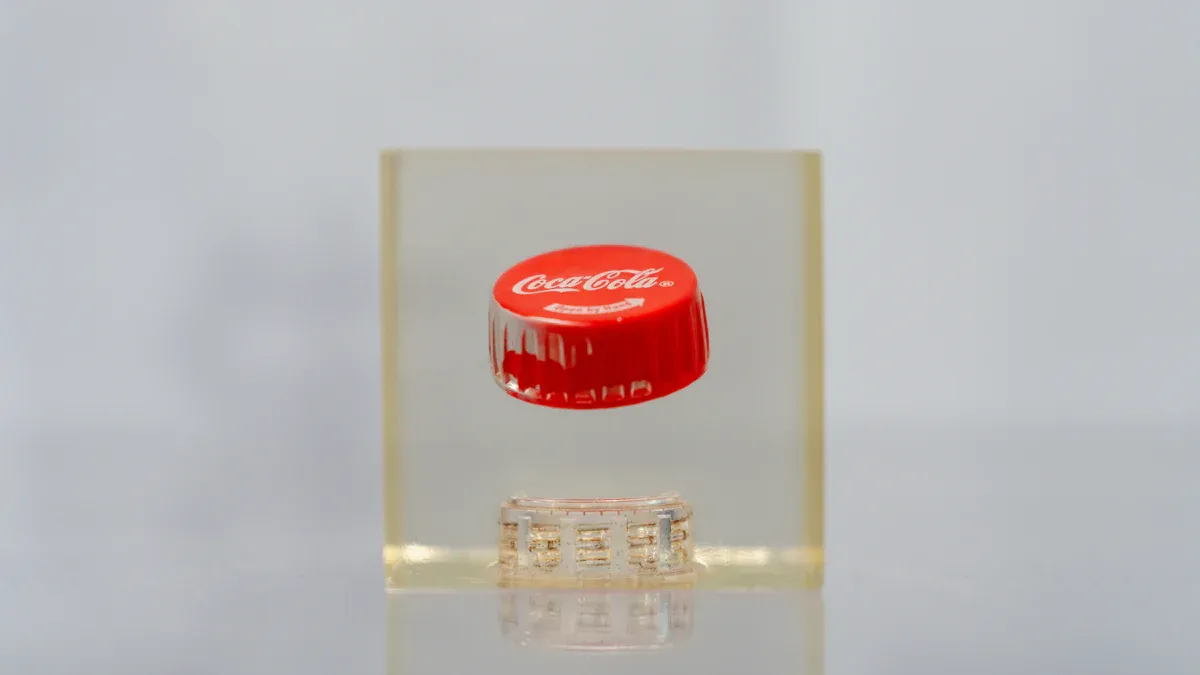
Understanding the cost of your custom displays helps you budget effectively. The price is not a single number. It is a result of several key decisions you make during the design and ordering process. While simple, mass-produced items like a small acrylic easel can cost as little as $3.75, and basic wholesale stands often fall in the $12.90 to $28.50 range, your custom project's final price will depend on its unique specifications.
Key Factors That Influence Cost
Several elements combine to determine the final cost of your displays. When you understand these factors, you can make informed choices to balance your vision with your budget.
-
Order Volume Your order quantity has a major impact on the per-unit price. Manufacturers have initial setup costs for every job. Ordering in bulk spreads these costs across more units, which significantly lowers the price for each display. This principle, known as economies of scale, provides substantial savings. If you manage multiple locations or franchises, consolidating your needs into a single large order is a powerful way to reduce expenses.
-
Material Thickness The thickness of the acrylic you choose directly affects cost, durability, and appearance. A thicker sheet costs more upfront. For example, a 6mm sheet can cost about twice as much as a 3mm sheet. However, it also provides much greater strength and a longer service life.
Case Study: A national jewelry chain upgraded its 14-month-lifespan 3mm displays to 5mm versions. The new displays lasted over 48 months. This change reduced their total display costs by about 40% over time by minimizing frequent replacements.
Thicker acrylic can prevent sagging in larger displays and may even reduce the need for extra support structures. You must balance the initial material cost with long-term value.
Thickness Approximate Weight (4' × 8' sheet) Cost Comparison (vs. 3mm) Rigidity Comparison (vs. 3mm) 3mm 18-20 pounds Base Cost Base Rigidity 6mm 36-40 pounds ~2x Cost ~8x Rigidity -
Material Color and Finish Standard clear acrylic is the most cost-effective option. If you choose specialty materials, you should expect a price increase.
- Frosted or Textured Finishes: These can cost up to 20% more than clear acrylic due to the extra processing required.
- Matte Finishes: A non-glare matte finish may add 5% to 10% to the material cost.
- Custom Colors: Unique or brand-specific colors also contribute to a higher price compared to standard clear, white, or black options.
-
Design Complexity and Size The size of your display and the complexity of its design are primary cost drivers. Larger displays naturally require more material. Intricate designs with multiple bends, joints, or assembled parts demand more labor and machine time. Each bend requires a careful heating and shaping process. A skilled custom acrylic display manufacturer uses specialized jigs and precise temperature controls to create complex curves without causing cracks or discoloration, which adds to the production cost. Simplifying your design by reducing the number of bends is an effective way to lower manufacturing expenses.
-
Printing and Engraving Adding your brand's logo, text, or graphics transforms a simple piece of acrylic into a powerful marketing tool. These customizations also influence the price.
- UV Printing: Applying full-color, durable graphics with UV printing adds to the cost but delivers high-impact visuals.
- Laser Engraving/Etching: An etched finish provides a premium, subtle look for logos and text. This customization is typically more expensive than a basic, unbranded display.
How to Get an Accurate Project Quote
To get a fast and accurate quote, you need to provide your manufacturer with clear and complete information. The more details you share, the better your partner can understand your vision and price it correctly.
Your request for a quote (RFQ) should always include:
- Quantity: State the exact number of units you need.
- Dimensions: Provide the height, width, and depth of the final display.
- Material Specifications: Specify the acrylic type (clear, color, frosted) and thickness (e.g., 3mm, 6mm).
- Design Files: Attach any technical drawings, sketches, or design files you have.
- Customization Details: Describe any printing, engraving, or special assembly required.
- Intended Use: Explain how and where the display will be used. This helps the manufacturer recommend the best materials and construction methods.
Pro Tip: Providing a 3D model or technical drawing (.AI, .PDF, .EPS) is the best way to ensure accuracy. These files allow the manufacturer to see every detail, identify potential issues before production begins, and calculate material needs precisely. This eliminates guesswork and helps you avoid costly errors and delays.
Finally, do not hesitate to share your target budget. When a manufacturer knows your desired price point, they can offer creative solutions. They might suggest alternative materials, slight design modifications, or different production techniques to meet your budget without compromising the core function of your display. This transparency leads to a more efficient process and a quote that aligns with your financial goals.
Your sourcing success hinges on balancing MOQ, lead time, and price. You can achieve low MOQs and fast turnarounds with the right partner. A skilled custom acrylic display manufacturer helps you navigate modern trends, from sustainable recycled acrylics to displays with digital integration. They turn your vision into a high-impact reality.
Ready to start your next project? Partner with us for a free design and quote today! 🚀
FAQ
What is the most durable type of acrylic?
You will find that cell-cast acrylic offers the highest durability. This material provides superior strength and a longer service life for your displays. It resists impact and scratches better than extruded acrylic, making it ideal for high-traffic environments.
Can I get help with my display design?
Yes, you can get expert design assistance. Most manufacturers have in-house design teams. They help you refine your ideas and create technical drawings. This collaboration ensures your final product is both functional and visually appealing.
Are there eco-friendly acrylic options?
You can choose sustainable materials for your project. Many suppliers now offer recycled acrylic, often labeled as R-MMA (Recycled Methyl Methacrylate). This option provides the same high quality and clarity as virgin acrylic while reducing environmental impact.
Ask Your Supplier: Always ask your manufacturer about their green material options. They can provide data sheets on recycled content and sustainability certifications.
How do I care for my acrylic displays?
You should clean your displays with a soft, non-abrasive cloth, like microfiber. Use mild soap and water for cleaning.
- Avoid harsh chemical cleaners like ammonia or alcohol.
- These chemicals can cause the acrylic to become cloudy or develop small cracks over time.