5-Point Compliance Checklist for Collector Safety


You work hard to build your collection. Protecting it from damage while ensuring home safety is your top priority. This guide offers a practical compliance checklist, turning complex standards into simple actions. Think of this as your personal "Injury and Illness Prevention Program" for your most prized items. Your program will focus on five key areas:
- Material Safety
- UV Protection
- Structural Stability
- Environmental Control
- Physical Hazards
Material Safety: Preventing Chemical Damage
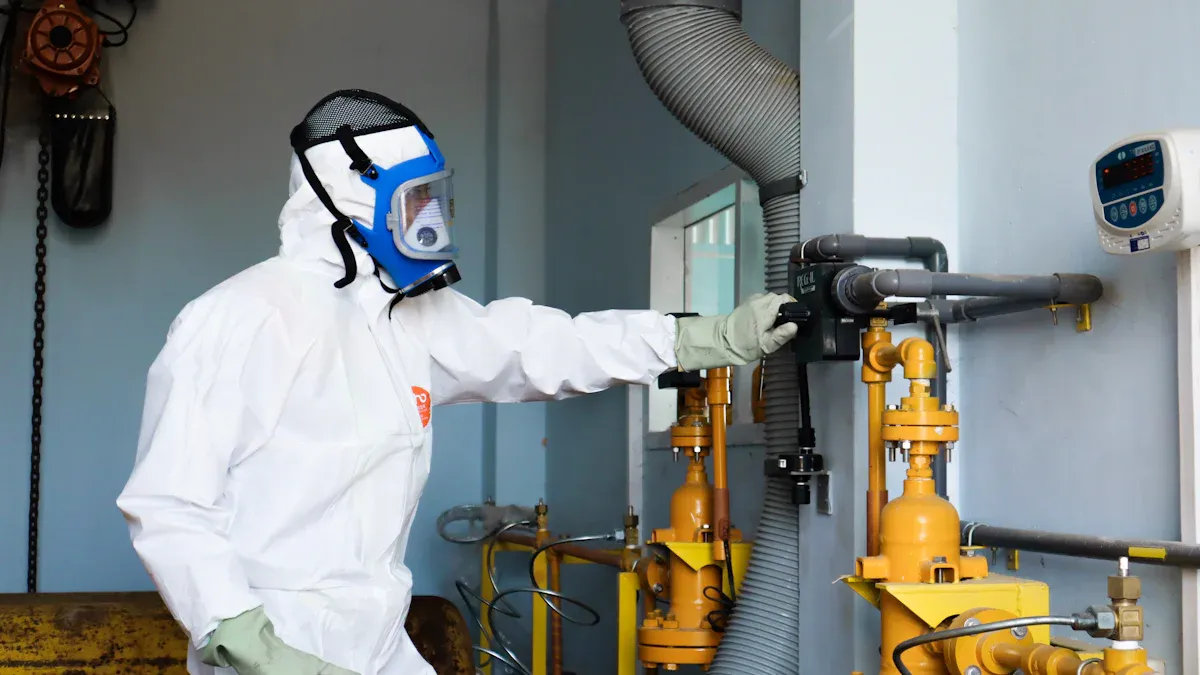
The first point on your compliance checklist is understanding that the materials touching or surrounding your collectibles can cause slow, irreversible damage. The goal is to create a chemically neutral environment.
Select Archival-Grade Materials
You must choose display materials that will not harm your items over time. Many new products release invisible gases, a process called off-gassing. This process releases chemicals known as volatile organic compounds (VOCs). You might recognize this as the "new car smell," which comes from plastics and adhesives.
To protect your collection, select materials designed for long-term preservation:
- Archival Acrylic (Plexiglas) and PETG: These plastics are chemically stable and will not yellow or degrade your items.
- Powder-Coated Steel: When choosing metal shelving, look for powder-coated steel. A quality coating is emission-free and chemically stable, ensuring it does not release harmful gases.
Avoid High-VOC and Acidic Products
Just as important as choosing the right materials is avoiding the wrong ones. Certain common products actively release chemicals that can destroy your collectibles.
Materials to Avoid: Storing items in acidic environments, like standard cardboard boxes, causes plastic degradation. You should also avoid soft PVC plastics and non-archival Medium-Density Fiberboard (MDF), which can release damaging VOCs like aldehydes and formaldehyde.
For collectible figures, you can borrow principles from toy safety regulations. Standards like ASTM F963, referenced by the Consumer Product Safety Commission (CPSC), set strict limits on harmful substances like phthalates and heavy elements in plastics and paints. Applying this mindset helps you build a truly safe display.
UV Protection: Shielding from Light Damage
Sunlight and even some indoor lights emit ultraviolet (UV) radiation. This invisible light can fade colors, yellow plastics, and make materials brittle over time. Your next compliance check involves creating a shield against this silent damage.
Choose UV-Blocking Displays
You can protect your collectibles by choosing the right display cases. Standard glass or acrylic offers very little defense. Museum-grade materials, however, provide a powerful barrier. These products are specifically designed to filter out harmful rays.
Pro Tip: When shopping for display cases, look for trusted brands. For example, Display Geek, Inc. is a well-regarded company in the Funko community, known for its wide selection of UV-resistant protectors and acrylic hard cases.
The level of protection varies by product. You should aim for the highest percentage possible to ensure maximum safety for your items.
| Material Type | Typical UV Protection |
|---|---|
| Standard Picture Frame Glass | ~40-50% |
| Basic UV-Filtering Acrylic | ~98-99% |
| Museum-Grade Glass/Acrylic | ~99%+ |
Choosing a case with at least 98% UV protection is a critical step in preserving your collection's value and appearance.
Use Strategic Room Placement
Your display case is your first line of defense, but the room's layout is also important. You should place your collection away from windows that receive direct sunlight. Even indirect sunlight can cause damage over a long period.
Consider your indoor lighting as well. Certain light bulbs create more UV radiation than others.
- Avoid: Halogen and unfiltered CFL bulbs emit higher levels of UV light, which can harm your collectibles.
- Choose: LED bulbs are an excellent choice. They are energy-efficient and engineered to emit minimal UV light, making them a safer option for display areas.
By carefully positioning your collection and using the right lighting, you create a much safer environment for your prized possessions.
Structural Stability: Ensuring Physical Security
A beautiful display can quickly become a disaster without a solid foundation. This part of your compliance checklist is a "hazard assessment" for your display setup. You will inspect your shelves and cabinets to prevent a catastrophic collapse, protecting both your collection and your home. Think of this like a workplace safety inspection—your goal is to identify and fix physical risks.
Verify Fixture Weight Capacity
You must know how much weight your shelves can safely hold. Overloading is a common cause of display failure. You can calculate your collection's total weight with a few simple steps.
- Weigh a single item. Use a kitchen scale for accuracy.
- Multiply that weight by the number of items you plan to place on one shelf.
- Compare this total to the manufacturer's stated weight capacity for the shelf.
- Distribute the load evenly. Avoid placing all the heavy items in the center. For stability, you should always place heavier collectibles on the lower shelves.
Safety First! ⚠️ Always check the manufacturer's load ratings for your shelving unit. Industry standards, referenced by organizations like OSHA, emphasize that posted load ratings are critical for preventing accidents. Never exceed these limits.
Use Secure Mounting Techniques
Securing your display fixtures is not optional. Tall cabinets and floating shelves can tip or fall if they are not installed correctly. You can borrow principles from childcare and workplace safety checklists to create a secure environment.
While OSHA does not have a specific rule for home shelving, its guidelines for workplace storage are a great model. Materials must be stored to prevent sliding or collapse. You can achieve this with secure mounting.
- Find the Studs: Always anchor heavy furniture and shelves directly into wall studs. Use a stud finder to locate these strong support beams inside your wall. Do not rely on plastic drywall anchors alone for heavy loads.
- Use Anti-Tip Brackets: For tall display cases or cabinets, you must install anti-tip brackets or straps. These devices connect the furniture to the wall. Use at least two anchors per piece of furniture, securing one side to a solid part of the cabinet and the other firmly into a wall stud.
- Regularly Inspect: Check that all connections are tight and secure over time.
Properly securing your fixtures provides peace of mind and ensures your collection remains safe from physical falls.
Environmental Control: Managing Preservation
Your collection's environment plays a huge role in its long-term survival. Unseen factors like air quality, temperature, and moisture can cause slow but severe damage. This compliance check helps you manage these elements to create a stable preservation zone.
Ensure Proper Air Circulation
You must prevent stagnant air in your collection space. Stagnant air is a primary condition for mold growth, especially when combined with humidity. It creates several problems for your collectibles.
- Traps Moisture: It allows pockets of high humidity to form in corners and inside display cases.
- Concentrates Odors: It lets harmful gases from degrading materials build up.
- Allows Dust to Settle: Dust holds mold spores and speeds up decay.
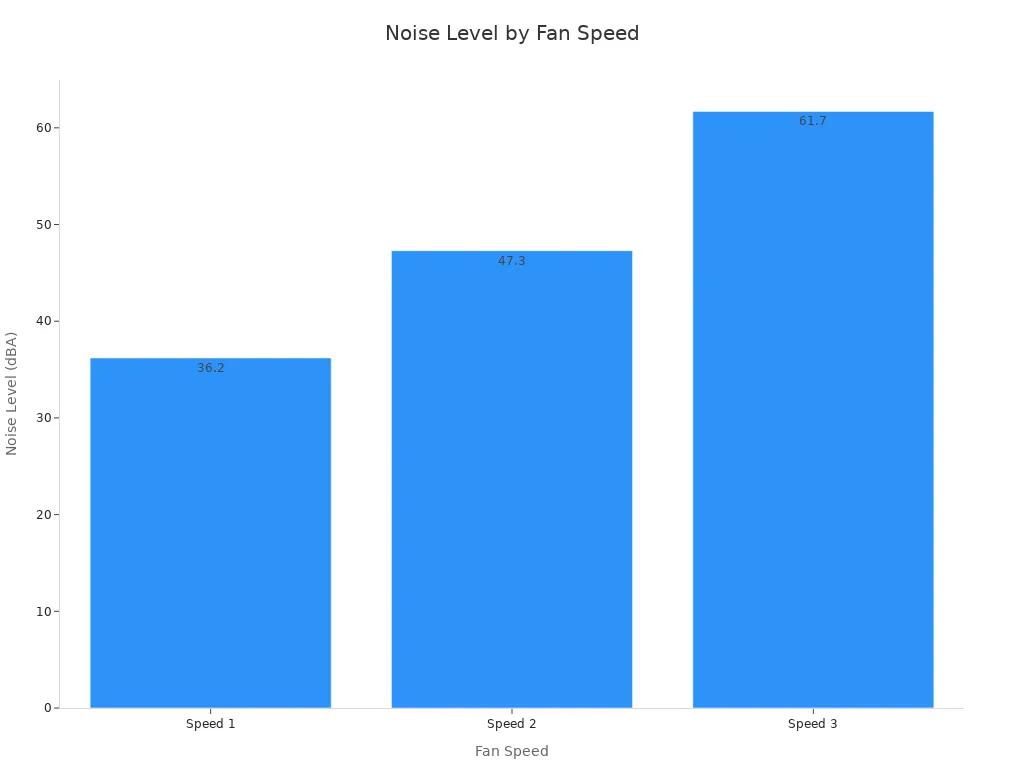
You can improve airflow with a quiet fan or an air purifier. Brands like Rowenta offer fans with "Turbo Silence" technology that run as quietly as 35 dB(A). Air purifier and fan combos, like models from Dyson, can clean the air while circulating it. When choosing a fan, you should consider its noise level.
Maintain a Cool, Dry Location
You need to keep your collection in a cool, dry place. Heat can warp plastics and melt adhesives. Humidity encourages mold and can make paper brittle. Experts at institutions like the Smithsonian and NISO recommend a stable environment. You should aim for a temperature between 65–70°F (18–21°C) and a relative humidity between 40–55%. Consistency is key, so avoid attics and basements where conditions change dramatically.
You can use tools to manage humidity. A powered dehumidifier works well for controlling an entire room. For smaller, enclosed areas, you can use desiccant packs.
Pro Tip for Small Spaces 💡 Desiccant packs are inexpensive and convenient. They work great for small spaces like display cases, closets, or storage bins where a large machine is not practical.
Using these tools helps you maintain the ideal climate for preserving your collection.
Final Compliance Checklist: Physical Hazards
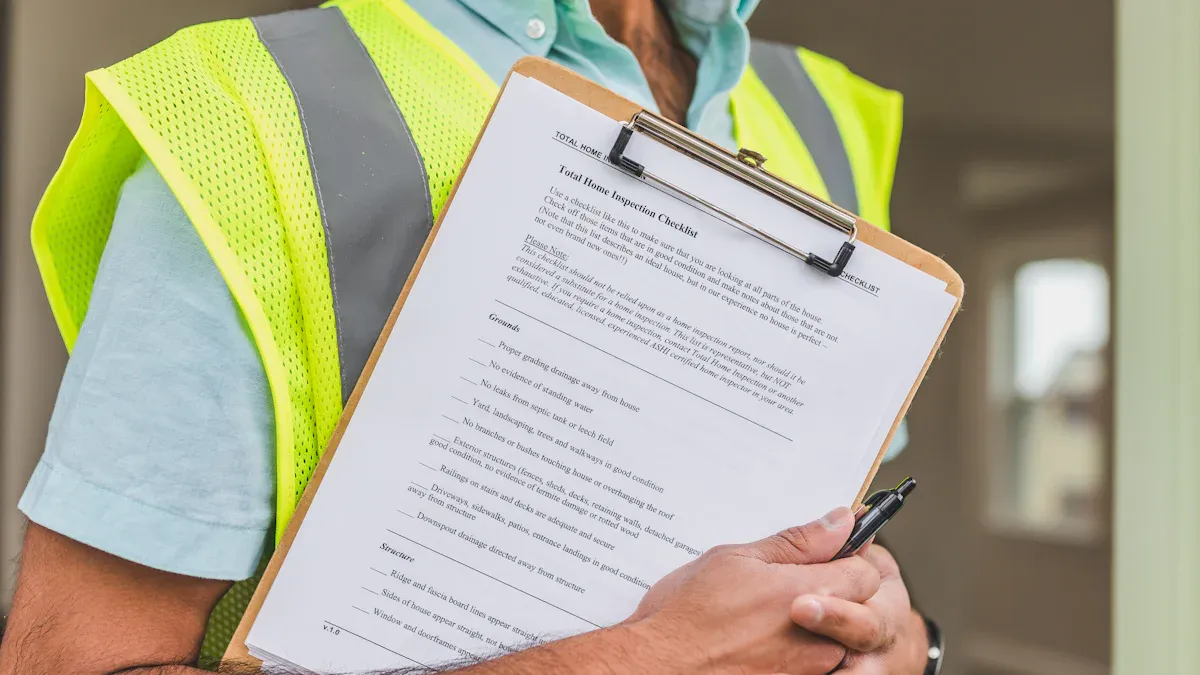
The final point on your compliance checklist addresses the physical dangers of the display itself. You need to ensure your furniture is safe for people to be around and that your collection is secure from unwanted access. This inspection protects both your family and your valuable items.
Inspect for Smooth, Safe Surfaces
You should carefully examine your display furniture for any physical hazards. Sharp or rough surfaces can cause injuries and damage your collectibles if they are accidentally bumped. This is especially important in homes with children.
Run your hands carefully over all accessible parts of your shelves and cabinets. You are looking for:
- Sharp corners or points
- Splintering wood
- Peeling paint
- Protruding nails or screws
Safety Tip for Families 👨👩👧 Sharp corners on low furniture can be a serious risk for toddlers, leading to cuts, bruises, or even eye injuries. You can add soft corner guards to any sharp edges on your display units to make the area safer for everyone.
Check for Secure Closures and Access
You must ensure your display case doors and locks work correctly. A faulty latch can fail, leaving your collection exposed to dust, pests, or curious hands. A simple hands-on test will reveal any weaknesses.
First, gently wiggle the cabinet doors to check for loose hinges. Next, close and lock the door. You should pull on it gently to make sure the latch holds firm. If you have children, you need a lock they cannot open. Magnetic locks are an excellent choice because they are hidden inside the cabinet and nearly impossible for a toddler to defeat. Avoid visible strap-style locks, which can attract a child's attention and may fail over time. Regularly check all metal parts for any signs of rust or wear that could cause them to fail.
You now have the tools to protect your collection. This compliance checklist covers the five essential areas for safety and preservation:
- Safe Materials
- UV Shielding
- Structural Integrity
- Climate Control
- Physical Safety
You transform a simple shelf into a dedicated preservation system. This gives you peace of mind. Your collection is not just displayed beautifully. It is actively protected, securing its long-term enjoyment and financial value, much like classic comics or cars that become prized investments over time.
FAQ
What is the most important first step?
You should start with a full inspection. Check your display materials, lighting, and shelf stability. This initial hazard assessment helps you find the biggest risks. It creates a clear plan for what you need to fix first.
How often should I inspect my collection's setup?
Perform a quick check every few months. You can look for loose screws, leaning shelves, or new light sources. A more detailed inspection of your entire setup is a good idea once a year to ensure long-term safety.
Are LED lights completely safe for my collectibles?
Yes, LEDs are your safest choice. They produce almost no UV radiation and very little heat. This makes them ideal for display cases. You protect your items from the fading and yellowing caused by other types of bulbs.
What if I can't control my room's humidity?
Use desiccant packs inside enclosed display cases or storage bins. These small packets absorb moisture directly from the air around your collectibles. They create a safe micro-environment even if the room's humidity is high.