What is CNC Routing / CNC Cutting? Definition, Principles, and Applications

One-Sentence Definition
CNC Routing (or CNC Cutting) is a computer-controlled process that uses precise, automated tools to cut, carve, and shape materials like acrylic, wood, and plastics into complex forms with high accuracy.
Detailed Explanation
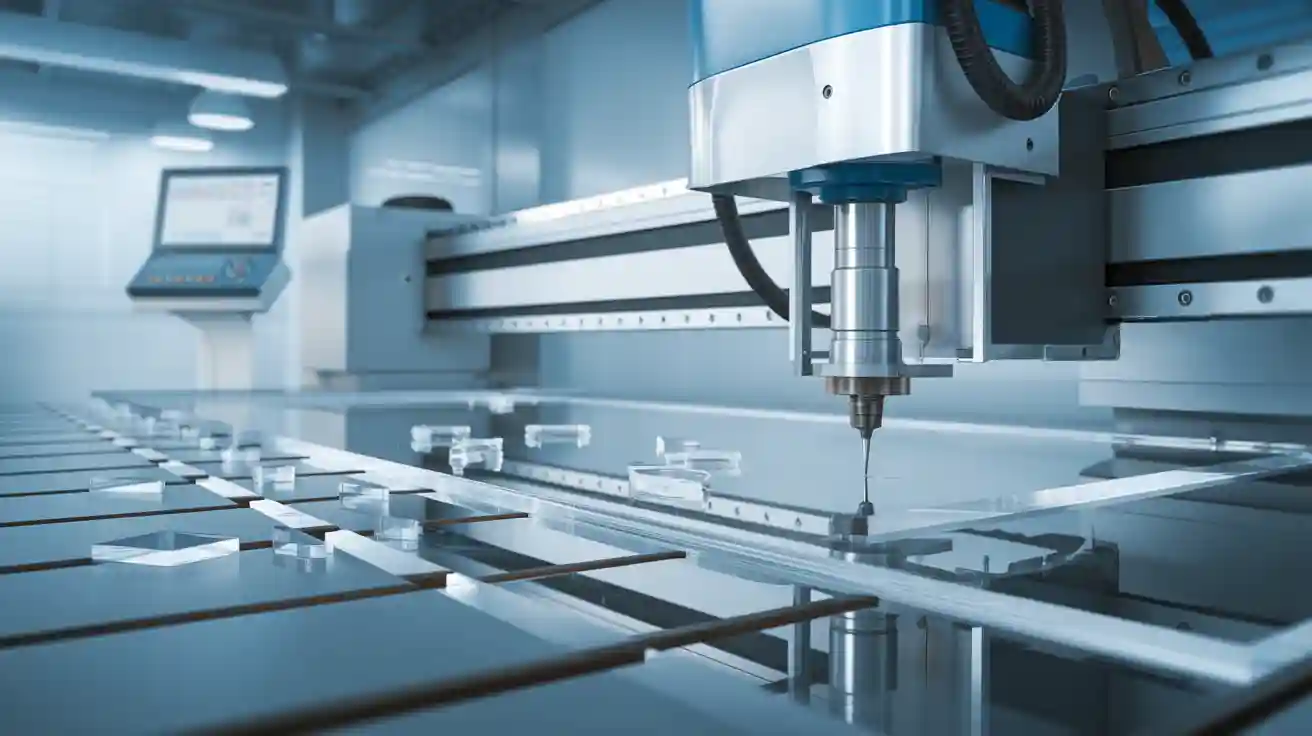
At its core, CNC Routing transforms digital designs into real-world products by guiding a high-speed rotating cutting tool along programmed paths. Imagine a smart printer, but instead of printing ink, it carves and cuts materials based on your design. The process starts with a CAD (Computer-Aided Design) file, which is converted into machine instructions (G-code) via CAM (Computer-Aided Manufacturing) software. The CNC router then follows these instructions, moving along multiple axes (typically X, Y, and Z) to create intricate shapes, engravings, or even 3D reliefs. This automation ensures repeatable, high-precision results, making CNC Routing ideal for both custom and batch production.
Key Components
Controller: The “brain” that interprets digital instructions and directs the machine’s movements.
Spindle/Router: The high-speed motor that holds and spins the cutting tool.
Cutting Tools (Bits): Specialized bits (e.g., end mills, ball-nose, V-carve) chosen based on material and desired finish (see tool types).
Work Table: The surface where materials like acrylic sheets are securely fixed, often using clamps or vacuum tables.
Drive System: Motors and rails that move the spindle precisely along the programmed paths.
Real-World Applications: Focus on Acrylic Customization
CNC Routing is widely used in industries ranging from furniture to signage, but it’s especially valuable for custom acrylic products. For example, at TOYIN Acrylic Products Co., Ltd., CNC Routing enables the creation of high-clarity, complex acrylic display stands, storage boxes, trays, and furniture. The process supports:
High-precision cutting for smooth, polished edges
3D engraving and reliefs for decorative or functional features
Batch and custom production for both unique designs and large orders
Material versatility: Suitable for cast and extruded acrylic, with optimized tool selection and speeds to prevent melting or chipping (3ERP: Acrylic CNC Machining)
Case Example: TOYIN’s custom acrylic display racks and storage boxes leverage CNC Routing to achieve complex shapes and tight tolerances, supporting global brands and retailers with premium, tailor-made solutions.
CNC Routing vs. Laser Cutting: Which to Choose for Acrylic?
Feature | CNC Routing | Laser Cutting |
|---|---|---|
Cutting Mechanism | Rotating mechanical tool | Focused laser beam |
Best for | Thick sheets, 3D reliefs, deep cuts | Thin sheets, fine details, marking |
Edge Finish | Smooth, can be polished | Glossy, heat-affected zone |
Material Contact | Direct (mechanical) | Non-contact |
Typical Use | Furniture, displays, 3D parts | Signage, intricate patterns |
For thick or 3D acrylic parts, CNC Routing is preferred; for thin, detailed work, laser cutting excels (CAMaster: CNC vs Laser).
Related Concepts
Laser Cutting: Uses a laser beam for non-contact, high-precision cutting—ideal for thin acrylic and detailed designs.
Engraving: Both CNC routers and lasers can engrave patterns or text onto acrylic surfaces.
CNC Machining: A broader term covering all computer-controlled material removal processes, including routing, milling, and turning.
Why Choose CNC Routing for Acrylic Customization?
Precision: Achieves tight tolerances and repeatable quality, essential for high-end displays and functional parts.
Versatility: Handles a wide range of acrylic types and thicknesses, as well as other materials.
Customization: Supports unique designs, complex geometries, and batch production with minimal setup changes.
Enhanced Finish: Allows for post-processing like polishing, resulting in crystal-clear edges and surfaces.
Ready to elevate your acrylic products with high-precision CNC Routing? Explore custom solutions at TOYIN Acrylic Products Co., Ltd. and contact us for a quote today!